http://www.cnet.com/roadshow/auto/2016-tesla-model-x-review/

2016 Tesla Model X review:

It’s been a long time coming, but it’s finally here. It’s the Tesla Model X, the slightly taller, somewhat more practical follow-up to the Model S. It could have been little more than that — Tesla could have simply given the S a bit of a vertical stretch and called it a day, but the company instead decided to do something a little bit… different, to give the X a signature design element that would set it apart from its fraternal twin.

I am of course referring to the pair of “falcon-wing” doors that provide access to the rear seats, craning skyward at the touch of a button. Iconic statement that will earn this car a place in the history of great designs? Or, misguided case of form trumping function? And, just what’s the Model X like to drive compared to the generally excellent Model S? Let’s find out.
More than an evolution
The idea was a natural one: slightly expand upon the Model S and turn it into the sort of rig perfect for Monday-morning dashes to school or Friday-afternoon cruises to Aspen. As such, the Model X is bigger, offering more than twice the cargo space of the S if you forgo the third row of seats. But you probably shouldn’t, because unlike the novelty way-back area on the Model S, third row seats face forward on the Model X.

As such they become genuinely useful, with enough headroom and legroom (just) for a grown adult such as myself to squeeze back there. Second-row seats, meanwhile, have acres of room, while the heated and air-conditioned thrones up front for driver and passenger not only offer the perfect temperature regardless of weather, but deliver a decent amount of support and good comfort, too.

In fact, spring for the $1,000 “Subzero” package and all of the seats in the Model X can be heated at the touch of the button, even the middle one in the second row. This is a nice way to pamper your passengers — or surprise them with a warm bottom if you’re the practical joking type.

What hasn’t changed is the massive, 17-inch LCD in the center of the car’s dashboard, something carried over from the Model S. It’s still powered by the same Tegra 3 processor, which delivers reasonably clean visuals but struggles at times to keep up with your finger presses. Bring on Tegra X1, please.

That display will split opinions, just like it did years ago when we first saw it on the S. I personally love the size, but not the glare, and I dearly wish it had support for Android Auto and Apple’s CarPlay. Regardless, integrated LTE connectivity certainly is nice, making it easy to monitor your car’s charging status from anywhere via Tesla’s smartphone app, an app that offers some other pretty compelling features, too.

Autopilot
When it launched, the Model X served as a platform for Tesla’s most advanced tech yet: Autopilot. With this, the Model X can do a pretty comprehensive job of taking care of itself. Take the Summon feature, for example. Using that same Tesla mobile app that you use to monitor charging, you can actually command the car to unpark itself and come to you.
Now, put away those Knight Industries Two-Thousand fantasies, because the car won’t go flying through a parking garage to find you. In fact, it will really only creep in a straight line until it encounters an obstacle or you tell it to stop. However, if you integrate the system with a Homelink-compatible garage opener, it will kindly open the door before pulling out of your garage, then close it again after it’s free.

Put away those Knight Industries Two-Thousand fantasies, because the car won’t go flying through a parking garage to find you.
In practice this feature is far more useful for impressing friends and family than in actually getting the car to park itself, but I suppose if you have a tiny garage just barely big enough to house such a rig, it could be useful.

2016-tesla-model-s-36-of-43.jpg
The interior of the Model X is a very nice place to be, and is absolutely loaded with toys.
Tim Stevens/Roadshow
No surprise that Autopilot is far more useful on the road. Get on a stretch of asphalt with reasonably clear lines, and with a double-tap of the cruise control stalk, the car takes over. It’ll steer around corners, change lanes at your command and adjust speed to avoid any slower traffic in your path.

On the highway, you pick the speed, while on secondary roads Autopilot is automatically capped at a maximum of five miles-per-hour over the posted limit. This does a reasonably good job of keeping you clean in the eyes of the law, as the X will slow down automatically when entering towns, but there were a few occasions when the car was a bit late on the decel. You’d be wise to pay attention to those speed limit signs — and stop signs, and traffic lights, and all the other posted indications that Autopilot is currently unable to process.

In fact, you should always pay attention, regardless. Autopilot is a stunning example of what some savvy coding can do in a modern car, but it’s far from perfect. It occasionally got confused by shiny lines of asphalt repair on the road and tended to make some uncomfortable (and unnerving) steering adjustments whenever painted lines disappeared mid-corner.

Autopilot is a stunning example of what some savvy coding can do in a modern car, but it’s far from perfect.
Still, those hiccups were rare. Autopilot works remarkably well and, even though you’re still in control of the car, being able to relax a bit and let the car handle the menial tasks of keeping you in the lane and maintaining a safe distance makes getting from A to B becomes an awful lot less stressful.

But, when it comes time to have a little fun, the Model X is happy to oblige.

Otherworldly dynamics
2016-tesla-model-s-11-of-43.jpg
Pop-up spoiler, standard on the Model X P90D.
Tim Stevens/Roadshow
The Model X, in P90D trim as I tested for this review, clocks in somewhere around 5,300 pounds. We’re talking Cadillac Escalade territory, here. Despite that, with Ludicrous mode enabled, the Model X will sprint from a dead stop to 60 mph in 3.2 seconds. That’s…well, frankly, that’s amazing.

It’s been a long time coming, but it’s finally here. It’s the Tesla Model X, the slightly taller, somewhat more practical follow-up to the Model S. It could have been little more than that — Tesla could have simply given the S a bit of a vertical stretch and called it a day, but the company instead decided to do something a little bit… different, to give the X a signature design element that would set it apart from its fraternal twin.

I am of course referring to the pair of “falcon-wing” doors that provide access to the rear seats, craning skyward at the touch of a button. Iconic statement that will earn this car a place in the history of great designs? Or, misguided case of form trumping function? And, just what’s the Model X like to drive compared to the generally excellent Model S? Let’s find out.
More than an evolution
The idea was a natural one: slightly expand upon the Model S and turn it into the sort of rig perfect for Monday-morning dashes to school or Friday-afternoon cruises to Aspen. As such, the Model X is bigger, offering more than twice the cargo space of the S if you forgo the third row of seats. But you probably shouldn’t, because unlike the novelty way-back area on the Model S, third row seats face forward on the Model X.

As such they become genuinely useful, with enough headroom and legroom (just) for a grown adult such as myself to squeeze back there. Second-row seats, meanwhile, have acres of room, while the heated and air-conditioned thrones up front for driver and passenger not only offer the perfect temperature regardless of weather, but deliver a decent amount of support and good comfort, too.

In fact, spring for the $1,000 “Subzero” package and all of the seats in the Model X can be heated at the touch of the button, even the middle one in the second row. This is a nice way to pamper your passengers — or surprise them with a warm bottom if you’re the practical joking type.

What hasn’t changed is the massive, 17-inch LCD in the center of the car’s dashboard, something carried over from the Model S. It’s still powered by the same Tegra 3 processor, which delivers reasonably clean visuals but struggles at times to keep up with your finger presses. Bring on Tegra X1, please.

That display will split opinions, just like it did years ago when we first saw it on the S. I personally love the size, but not the glare, and I dearly wish it had support for Android Auto and Apple’s CarPlay. Regardless, integrated LTE connectivity certainly is nice, making it easy to monitor your car’s charging status from anywhere via Tesla’s smartphone app, an app that offers some other pretty compelling features, too.

Autopilot
When it launched, the Model X served as a platform for Tesla’s most advanced tech yet: Autopilot. With this, the Model X can do a pretty comprehensive job of taking care of itself. Take the Summon feature, for example. Using that same Tesla mobile app that you use to monitor charging, you can actually command the car to unpark itself and come to you.
Now, put away those Knight Industries Two-Thousand fantasies, because the car won’t go flying through a parking garage to find you. In fact, it will really only creep in a straight line until it encounters an obstacle or you tell it to stop. However, if you integrate the system with a Homelink-compatible garage opener, it will kindly open the door before pulling out of your garage, then close it again after it’s free.

Put away those Knight Industries Two-Thousand fantasies, because the car won’t go flying through a parking garage to find you.
In practice this feature is far more useful for impressing friends and family than in actually getting the car to park itself, but I suppose if you have a tiny garage just barely big enough to house such a rig, it could be useful.

2016-tesla-model-s-36-of-43.jpg
The interior of the Model X is a very nice place to be, and is absolutely loaded with toys.
Tim Stevens/Roadshow
No surprise that Autopilot is far more useful on the road. Get on a stretch of asphalt with reasonably clear lines, and with a double-tap of the cruise control stalk, the car takes over. It’ll steer around corners, change lanes at your command and adjust speed to avoid any slower traffic in your path.

On the highway, you pick the speed, while on secondary roads Autopilot is automatically capped at a maximum of five miles-per-hour over the posted limit. This does a reasonably good job of keeping you clean in the eyes of the law, as the X will slow down automatically when entering towns, but there were a few occasions when the car was a bit late on the decel. You’d be wise to pay attention to those speed limit signs — and stop signs, and traffic lights, and all the other posted indications that Autopilot is currently unable to process.

In fact, you should always pay attention, regardless. Autopilot is a stunning example of what some savvy coding can do in a modern car, but it’s far from perfect. It occasionally got confused by shiny lines of asphalt repair on the road and tended to make some uncomfortable (and unnerving) steering adjustments whenever painted lines disappeared mid-corner.

Autopilot is a stunning example of what some savvy coding can do in a modern car, but it’s far from perfect.
Still, those hiccups were rare. Autopilot works remarkably well and, even though you’re still in control of the car, being able to relax a bit and let the car handle the menial tasks of keeping you in the lane and maintaining a safe distance makes getting from A to B becomes an awful lot less stressful.

But, when it comes time to have a little fun, the Model X is happy to oblige.

Otherworldly dynamics
2016-tesla-model-s-11-of-43.jpg
Pop-up spoiler, standard on the Model X P90D.
Tim Stevens/Roadshow
The Model X, in P90D trim as I tested for this review, clocks in somewhere around 5,300 pounds. We’re talking Cadillac Escalade territory, here. Despite that, with Ludicrous mode enabled, the Model X will sprint from a dead stop to 60 mph in 3.2 seconds. That’s…well, frankly, that’s amazing.

http://www.kurzweilai.net/electronic-devices-that-melt-in-your-brain

Electronic devices that melt in your brain

Bioresorbable devices promise to help eliminate the risks, cost, and discomfort associated with surgical extraction of current devices
May 6, 2016

Illustration of the construction of a bioresorbable neural electrode array for ECoG and subdermal EEG measurements. A photolithographically patterned, n-doped silicon nanomaterial (300 nm thick) is used for electrodes and interconnects. A 100 nm thick film of silicon dioxide and a foil of PLGA (30 nm thick) serve as a bioresorbable encapsulating layer and substrate, respectively. The device connects to an external data acquisition system through a conductive film interfaced to the Si nm interconnects at contact pads at the edge. (credit: Ki Jun Yu et al./Nature Materials))

Two implantable devices developed by American and Chinese researchers are designed to dissolve in the brain over time and may eliminate several current problems with implants.

University of Pennsylvania researchers have developed an electrode and an electrode array, both made of layers of silicon and molybdenum that can measure physiological characteristics (like neuron signals) and dissolve at a known rate (determined by the material’s thickness). The team used the device in anesthetized rats to record brain waves (EEGs) and induced epileptic spikes in intact live tissue.

In another experiment, they showed the dissolvable electronics could be used in a complex, multiplexed ECoG (intracranial electroencephalography) array over a 30-day period.

Cartoon illustration of a four-channel bioresorbable electrode array implanted on the left hemisphere of the brain of a rat for chronic recordings. A flexible cable connects the array to a custom-built circular interface board fixed to the skull using dental cement. (credit: Ki Jun Yu et al./Nature Materials)

As the researchers note online in Nature Materials, this new technology offers equal or greater resolution for measuring the brain’s electrical activity, compared to conventional electrodes, while eliminating “the risks, cost, and discomfort associated with surgery to extract current devices used for post-operative monitoring,” according to senior co-author Brian Litt, MD, a professor of Neurology, Neurosurgery, and Bioengineering at the Perelman School of Medicine.

Other potential uses of the dissolvable electronics include:

  • Disorders such as epilepsy, Parkinson’s disease, depression, chronic pain, and conditions of the peripheral nervous system. “These measurements are critically important for mapping and monitoring brain function during and in preparation for neurosurgery, for assisting in device placement, such as for Parkinson’s disease, and for guiding surgical procedures on complex, interconnected nerve structures,” Litt said.
  • Post-operative monitoring and recording of physiological characteristic after minimally invasive placement of vascular, cardiac, orthopaedic, neural or other devices. At present, post-operative monitoring is based on clinical examination or interventional radiology, which is invasive, expensive, and impractical for continuous monitoring over days to months.
  • Heart and brain surgery for applications such as aneurysm coiling, stent placement, embolization, and endoscopic operations. These new devices could also monitor structures that are exposed during surgery, but are too delicate to disturb later by removing devices.
  • More complex devices that also include flow, pressure, and other measurement capabilities.

The research was funded by the Defense Advanced Research Projects Agency, the Penn Medicine Neuroscience Center, a T32- Brain Injury Research Training Grant, the Mirowski Family Foundation, and by Neil and Barbara Smit.

A bioresorbable memristor

A 3D schematic drawing of cross-bar memristors on a silicon wafer made with dissolvable materials. (credit: Xingli He et al./Applied Materials & Interfaces)

In related research, Chinese researchers have developed a memristor (memory resistor) with biodissolvable components, using a 30 nm film of egg albumin protein on a silicon film substrate and electrodes made out of magnesium and tungsten.*

Testing showed that the device’s bipolar switching performance was comparable to oxide-based memristors, with a high-to-low resistance ratio in the range of 100 to 10,000. The device can store information for more than 10,000 seconds without any deterioration, showing its high stability and reliability.

Under dry conditions in the lab, the components worked reliably for more than three months. In water, the electrodes and albumin dissolved in two to 10 hours in the lab. The rest of the chip took about three days to break down, leaving minimal residues behind, the researchers report in the journal ACS Applied Materials & Interfaces.

The research was funded by the National Natural Science Foundation of China and the Research Fund for the Doctoral Program of Higher Education of China.

* Memristors may have future applications in nanoelectronic memories, computer logic, and neuromorphic/neuromemristive computer architectures. As shown in the following illustration, redox (oxidation and reduction) of iron molecules in albumen are primarily responsible for this memristor’s switching behavior. However, both Mg and W electrodes can dissolve in water easily and were shown to diffuse into the albumen film, where they also contribute to the formation of conductive filaments through redox reactions.

Schematic of the four switching processes for an albumen-based memristor, showing initial state of a memristor with Mg and W as the top and bottom electrode, respectively. (i) The colored spheres represent different ions. (ii) When a positive voltage is applied to the top electrode, ions move along the electric field, and accumulate locally in strong field regions in the albumen layer; meanwhile, injected electrons from the bottom electrode reduce metallic ions such as Fe3+ and Mg2+ to metal elements. (iii) At a specific voltage, the filaments are formed to connect the top and bottom electrodes electrically, and the device is turned on (the low resistance state). (iv) When applying a reset voltage, the conductive filaments are broken due to the oxidation of the metal elements by the injected electrons from the top electrode, the filaments are ruptured near the top electrode, and the device returns to the high-resistance state. (credit: Xingli He et al./Applied Materials & Interfaces)


Abstract of Bioresorbable silicon electronics for transient spatiotemporal mapping of electrical activity from the cerebral cortex

Bioresorbable silicon electronics technology offers unprecedented opportunities to deploy advanced implantable monitoring systems that eliminate risks, cost and discomfort associated with surgical extraction. Applications include postoperative monitoring and transient physiologic recording after percutaneous or minimally invasive placement of vascular, cardiac, orthopaedic, neural or other devices. We present an embodiment of these materials in both passive and actively addressed arrays of bioresorbable silicon electrodes with multiplexing capabilities, which record in vivo electrophysiological signals from the cortical surface and the subgaleal space. The devices detect normal physiologic and epileptiform activity, both in acute and chronic recordings. Comparative studies show sensor performance comparable to standard clinical systems and reduced tissue reactivity relative to conventional clinical electrocorticography (ECoG) electrodes. This technology offers general applicability in neural interfaces, with additional potential utility in treatment of disorders where transient monitoring and modulation of physiologic function, implant integrity and tissue recovery or regeneration are required.


Abstract of Transient Resistive Switching Devices Made from Egg Albumen Dielectrics and Dissolvable Electrodes

Egg albumen as the dielectric, and dissolvable Mg and W as the top and bottom electrodes are used to fabricate water-soluble memristors. 4 × 4 cross-bar configuration memristor devices show a bipolar resistive switching behavior with a high to low resistance ratio in the range of 1 × 10² to 1 × 10⁴, higher than most other biomaterial-based memristors, and a retention time over 104 s without any sign of deterioration, demonstrating its high stability and reliability. Metal filaments accompanied by hopping conduction are believed to be responsible for the switching behavior of the memory devices. The Mg and W electrodes, and albumen film all can be dissolved in water within 72 h, showing their transient characteristics. This work demonstrates a new way to fabricate biocompatible and dissolvable electronic devices by using cheap, abundant, and 100% natural materials for the forthcoming bioelectronics era as well as for environmental sensors when the Internet of things takes off.

http://www.kurzweilai.net/warning-your-hospital-may-kill-you-and-they-wont-report-it

Warning: Your hospital may kill you and they won’t report it

Medical error in hospitals is the third leading cause of death in the U.S. after heart disease and cancer — an estimated 210,000 to 400,000 deaths a year
May 9, 2016

The common causes of death in the United States in 2013 (credit: BMJ)

Medical error is the third leading cause of death in the U.S. after heart disease and cancer — an estimated 210,000 to 400,000 deaths a year among hospital patients — say experts in an open-access paper in the British Medical Journal — despite the fact that both hospital reporting and death certificates in the U.S. have no provision for acknowledging medical error.

Martin Makary and Michael Daniel at Johns Hopkins University School of Medicine in Baltimore call for better reporting to help understand the scale of this problem and determine how to tackle it.

Currently, death certification in the U.S. relies on assigning an International Classification of Disease (ICD) code to the cause of death, so causes of death not associated with an ICD code, such as human and system factors, are not captured. According to the World Health Organization, 117 countries code their mortality statistics using the ICD system, including the UK and Canada.

As a result, accurate data on deaths associated with medical error is lacking. However, using studies from 1999 onwards — and extrapolating to the total number of U.S. hospital admissions in 2013 — Makary and Daniel calculated a mean rate of death from medical error of 251,454 a year.

Comparing their estimate to the annual list of the most common causes of death in the U.S., compiled by the Centers for Disease Control and Prevention (CDC), suggests that medical error is the third most common cause of death in the US.

Fixing medical errors

“Although we cannot eliminate human error, we can better measure the problem to design safer systems mitigating its frequency, visibility, and consequences,” the experts advise, using three steps: making errors more visible when they occur so their effects can be intercepted; having remedies at hand to rescue patients; and making errors less frequent by following principles that take human limitations into account.

For instance, instead of simply requiring cause of death, they suggest that death certificates could contain an extra field asking whether a preventable complication stemming from the patient’s medical care contributed to the death. Another strategy would be for hospitals to carry out a rapid and efficient independent investigation into deaths to determine the potential contribution of error.

Measuring the consequences of medical care on patient outcomes “is an important prerequisite to creating a culture of learning from our mistakes, thereby advancing the science of safety and moving us closer towards creating learning health systems,” they add.

“Sound scientific methods, beginning with an assessment of the problem, are critical to approaching any health threat to patients,” they write. “The problem of medical error should not be exempt from this scientific approach.”

And they call for “more appropriate recognition of the role of medical error in patient death to heighten awareness and guide both collaborations and capital investments in research and prevention.”


Abstract of Medical error—the third leading cause of death in the US

The annual list of the most common causes of death in the United States, compiled by the Centers for Disease Control and Prevention (CDC), informs public awareness and national research priorities each year. The list is created using death certificates filled out by physicians, funeral directors, medical examiners, and coroners. However, a major limitation of the death certificate is that it relies on assigning an International Classification of Disease (ICD) code to the cause of death.1 As a result, causes of death not associated with an ICD code, such as human and system factors, are not captured. The science of safety has matured to describe how communication breakdowns, diagnostic errors, poor judgment, and inadequate skill can directly result in patient harm and death. We analyzed the scientific literature on medical error to identify its contribution to US deaths in relation to causes listed by the CDC.

http://www.kurzweilai.net/this-vitamin-stops-the-aging-process-in-organs-say-swiss-researchers

This vitamin stops the aging process in organs, say Swiss researchers

A potential breakthrough for regenerative medicine, pending further studies
May 6, 2016

Improved muscle stem cell numbers and muscle function in NR-treated aged mice: Newly regenerated muscle fibers 7 days after muscle damage in aged mice (left: control group; right: fed NR). (Scale bar = 50 μm). (credit: Hongbo Zhang et al./Science)

EPFL researchers have restored the ability of mice organs to regenerate and extend life by simply administeringnicotinamide riboside (NR) to them.

NR has been shown in previous studies to be effective in boosting metabolism and treating a number of degenerative diseases. Now, an article by PhD student Hongbo Zhang published in Science also describes the restorative effects of NR on the functioning of stem cells for regenerating organs.

As in all mammals, as mice age, the regenerative capacity of certain organs (such as the liver and kidneys) and muscles (including the heart) diminishes. Their ability to repair them following an injury is also affected. This leads to many of the disorders typical of aging.

Mitochondria —> stem cells —> organs

To understand how the regeneration process deteriorates with age, Zhang teamed up with colleagues from ETH Zurich, the University of Zurich, and universities in Canada and Brazil. By using several biomarkers, they were able to identify the molecular chain that regulates how mitochondria — the “powerhouse” of the cell — function and how they change with age. “We were able to show for the first time that their ability to function properly was important for stem cells,” said Auwerx.

Under normal conditions, these stem cells, reacting to signals sent by the body, regenerate damaged organs by producing new specific cells. At least in young bodies. “We demonstrated that fatigue in stem cells was one of the main causes of poor regeneration or even degeneration in certain tissues or organs,” said Zhang.

How to revitalize stem cells

Which is why the researchers wanted to “revitalize” stem cells in the muscles of elderly mice. And they did so by precisely targeting the molecules that help the mitochondria to function properly. “We gave nicotinamide riboside to 2-year-old mice, which is an advanced age for them,” said Zhang.

“This substance, which is close to vitamin B3, is a precursor of NAD+, a molecule that plays a key role in mitochondrial activity. And our results are extremely promising: muscular regeneration is much better in mice that received NR, and they lived longer than the mice that didn’t get it.”

Parallel studies have revealed a comparable effect on stem cells of the brain and skin. “This work could have very important implications in the field of regenerative medicine,” said Auwerx. This work on the aging process also has potential for treating diseases that can affect — and be fatal — in young people, like muscular dystrophy (myopathy).

So far, no negative side effects have been observed following the use of NR, even at high doses. But while it appears to boost the functioning of all cells, it could include pathological ones, so further in-depth studies are required.


Abstract of NAD+ repletion improves mitochondrial and stem cell function and enhances life span in mice

Adult stem cells (SCs) are essential for tissue maintenance and regeneration yet are susceptible to senescence during aging. We demonstrate the importance of the amount of the oxidized form of cellular nicotinamide adenine dinucleotide (NAD+) and its impact on mitochondrial activity as a pivotal switch to modulate muscle SC (MuSC) senescence. Treatment with the NAD+ precursor nicotinamide riboside (NR) induced the mitochondrial unfolded protein response (UPRmt) and synthesis of prohibitin proteins, and this rejuvenated MuSCs in aged mice. NR also prevented MuSC senescence in the Mdx mouse model of muscular dystrophy. We furthermore demonstrate that NR delays senescence of neural SCs (NSCs) and melanocyte SCs (McSCs), and increased mouse lifespan. Strategies that conserve cellular NAD+ may reprogram dysfunctional SCs and improve lifespan in mammals.

http://news.ubc.ca/2016/05/09/research-shows-exercise-can-slow-deterioration-of-brain/

Research shows exercise can slow deterioration of brain

Kelowna Daily Courier highlighted UBC research showing that exercise can slow disease progression in the brain. A study by a UBC professor of physical therapy, Dr. Teresa Liu-Ambrose, found that weight training changes the structure of the brain, and should be done at least twice a week.

Liu-Ambrose is one of presenters at a brain health symposium this Thursday in Kelowna.

http://news.ubc.ca/2016/05/09/psychopathic-politicians-can-be-exposed/

Psychopathic politicians can be exposed

UBC experts were quoted in a Georgia Straight article on advances in neuroscience that shed light on the nature of psychopathy.

UBC professor emeritus Robert Hare, one of the leading researchers in the area, emphasized in his work that psychopaths aren’t always violent and that in fact there are many to be found in the top ranks of corporations, where they can cause chaos.

Research led by UBC associate psychology professor Michael Woodworth also found that the language of psychopathic murderers makes fewer references to social needs relating to family and friends.

http://www.digit.in/audio-video/google-chromecast-2-review-6984.html

Google Chromecast 2 Review

The Chromecast 2 is a successor to Google’s Chromecast. The device is priced at Rs. 3,399 and is available online and offline. It enables users to stream content form their smartphone to the TV with ease.

Our Verdict

At Rs. 3,399, the Chromecast 2 is a good buy, as long as you’re streaming a lot of content from your smartphone. The performance is better than its predecessor, and it can turn your dumb old TV into a smarter one. You may not want to go back to watching traditional TV once you’ve used this.

PROS

  • Good design
  • Smooth streaming experience
  • Easy to set up and use
  • Well designed app and UI

CONS

  • Mirroring smartphone display can get buggy for games and some apps

Google Chromecast 2: Detailed Review

Smart TV’s are a dime a dozen today, but not all of us are proud owners of one. While TV manufacturers will tell you that the sale of Smart TVs have been going up incrementally over the past few years, they’re mostly because of the broad categorisation under the term. Truly smart televisions, like the high-end TVs from Sony, LG and Samsung, aren’t meant for the general public, they’re just too expensive. Enter, the Chromecast.

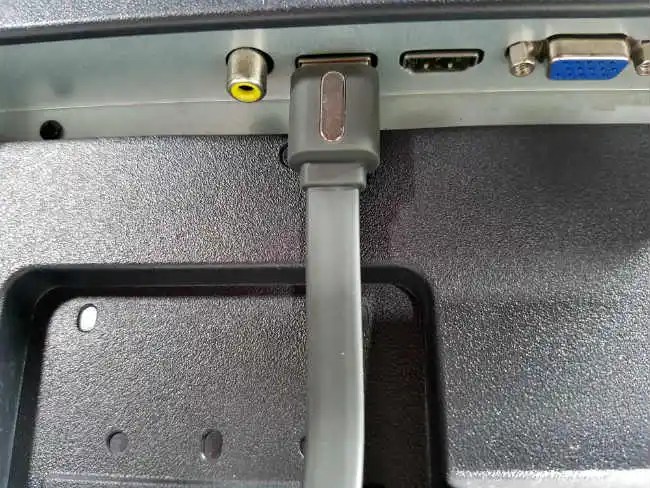
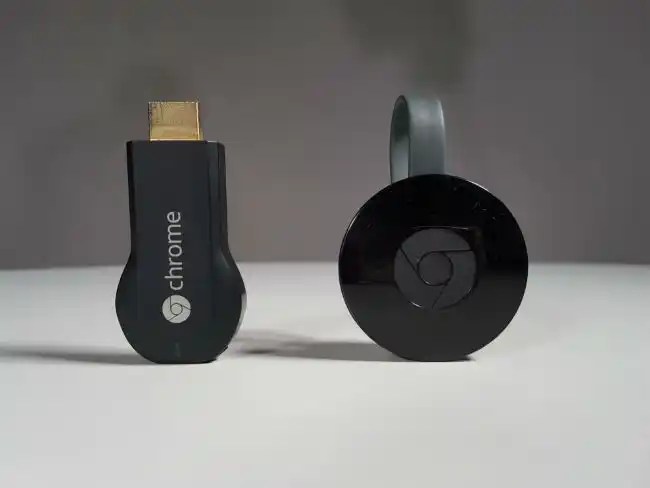
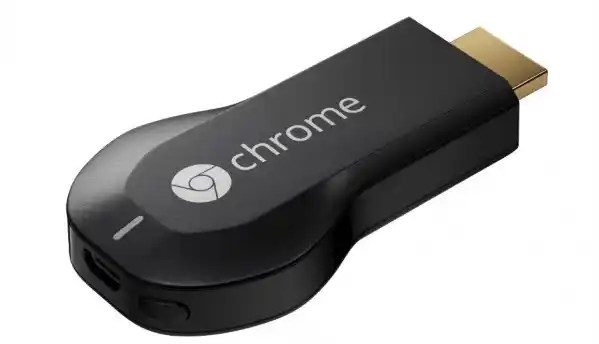
Google launched the first generation Chromecast back in 2013, and while it was a great device. You could mirror your Android smartphone screen to the TV, “cast” content onto your the screen, and add some ‘smart’ capabilities to a ‘dumb’ TV. But the device wasn’t without its flaws. The dongle itself was slightly unwieldy, when placed in the HDMI port, and if you had a TV with two adjacent HDMI ports, you’d have to pray that the Chromecast and other HDMI cables could co-exist side-by-side. It never happened, since the Chromecast is just too thick.

Fast forward to 2015 and Google launched the second generation Chromecast, or the Chromecast 2. The device made its debut in India a few weeks ago (better late than never), at a price point of Rs. 3,399.

Build and Design

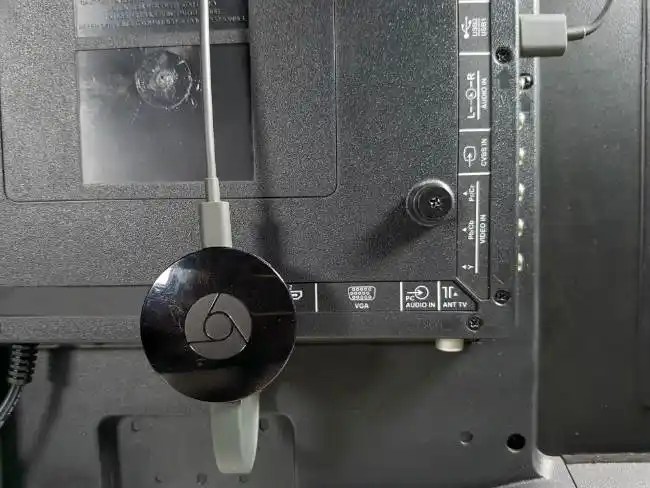
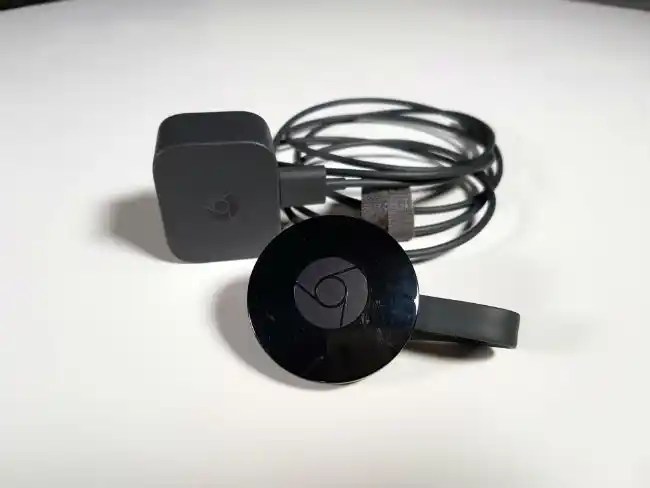
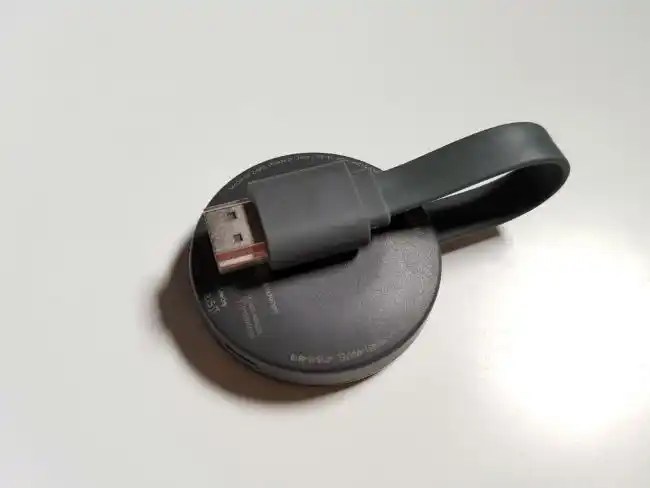
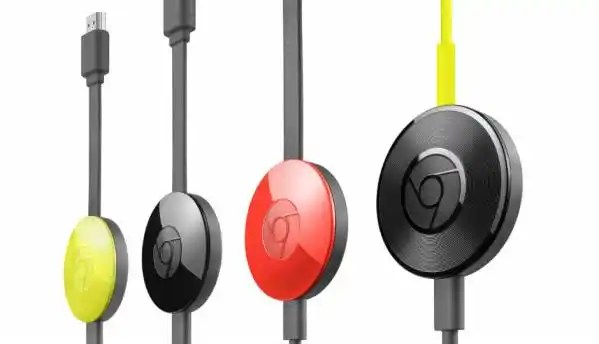
The original Chromecast had a compact design, but was inconvenient, especially if you wanted to plug in another HDMI device next to it. You’d usually have to use an HDMI extender, thus adding to the clutter of wires. The circular design of the new Chromecast, with the HDMI chord sticking out at one end, solves this particular issue. The Chromecast 2 is available in 3 colours – red, black and yellow (Google calls the yellow one lemon). It draws power via micro-USB and you get a long enough charger in the box. You can choose to draw power from the TVs USB if you want, but a wall charger is also available with the device. Sacrificing one USB port on the TV just makes less wires stick out.

It’s an attractive design, to say the least, and miles ahead of the first Chromecast.

Features and Performance

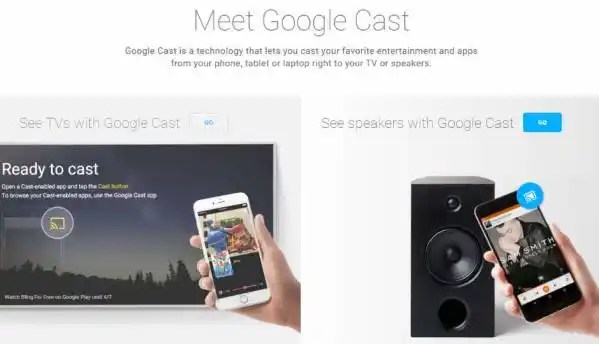
The Chromecast app is now called Google Cast, perhaps because Google also sells a Chromecast Audio now. There are no changes in what the app does, though. Pairing the Chromecast with your Android device is very easy. Plug the Chromecast into your TV, with your WiFi working. Next, open the Google Cast app and follow the onscreen instructions to pair the devices. On a iPhone, you’ll have to go into Settings, and then WiFi, to connect to the Chromecast for the first time. If you need to reset the Chromecast, simply press the button on the device for a few seconds, till the light on the dongle starts blinking.

The Google Cast app shows you all the apps that are compatible with the Chromecast. Popular apps, like Netflix, Spuul, Eros Now, Hooq, Plex and more. Surprisingly, the HotStar app doesn’t support the Chromecast, which is a bummer, at least for Game of Thrones or Silicon Valley fans. Most internet streaming services have added support though.


If you are streaming from any of these movie streaming apps to your TV or even home theatre (I have tested the Chromecast 2 with a Denon X4000 amplifier and it works hassle free) you’re only limited by your internet connection. Apps like Spuul and Netflix stream even on a 512Kbps connection, but you need a faster internet connection to ramp up to HD. Google claims that the Chromecast 2 is faster in every way when compared to the first generation one and it’s evidently so, in most cases. It boots up real fast, has better WiFi range and connectivity than its predecessor and the apps load faster. But it still isn’t perfect. Streaming content from apps that support it is fine, but mirroring a smartphone to showcase online content can be difficult. In particular, I tried to mirror my smartphone’s display and watch Game of Thrones via Hotstar and the app kept crashing and lagging. Mirroring the smartphone to show local content worked smoothly.

For gamers, the game I tried to play was Injustice: Gods Among Us. It’s a graphically intensive game, as far as mobile games go, and there was a noticeable lag while mirroring. The lag was under a second, but it was easily discernible. There are some games recommended on the Google Cast app that will work smoothly, but all apps & games aren’t supported.

A lot of Chromecast 1 users complained about WiFi connectivity issues. The Chromecast 2 supports 802.11ac and 5GHz, so it is compatible with all modern WiFi routers, enabling faster and smoother streaming. On the inside, the Chromecast 2 has three bespoke antennas ensuring smooth and optimal streaming, Google says that the Chromecast team worked with its OnHub team to ensure better streaming. To put things into perspective, the first generation Chromecast has only one antenna. Personally, I have a small house, so I really don’t have a WiFi range issue, but in our test we have seen that the Chromecast 2 has better range. It is also important to note, however, that the overall quality depends on two sources. The access point (routers etc.) is always a step ahead of phones, which means that while phones like the Galaxy S7 and iPhone 6S are compatible with 802.11ac & the 5GHz band, many others older phones may not be. Point in fact, the Huawei Honor 5X doesn’t support 5GHz bands. So, before you complain that your new Chromecast isn’t good, you should check that part out as well.

When you aren’t mirroring your smartphone screen and casting via the compatible app, your smartphone becomes the remote for the app, and the Chromecast works as a proxy device. It starts streaming from the Internet, leaving your phone free for calls, or even other things you may want to watch on it. For example, if you’re casting a movie on Netflix, a Chromecast supported app, you can use the phone to control volume and playback, but don’t actually need to keep the Netflix app open. You can use your phone to make calls, play games, watch YouTube; essentially use it like a normal phone, which is where casting beats mirroring. As long as your phone and Chromecast are on the same WiFi, casting shall continue.

To cast from your Mac or PC, you need the Chrome browser. For what it does, it works well, but this isn’t the potential or the reason to use the Chromecast. For those wondering, there is no Windows Phone app for the Chromecast. There are third party apps to help with the same, but not the Google Cast app.

Overall, if you consume a lot of content on your smartphone, and would like to seamlessly share photos to the big screen, the Chromecast 2 works like a charm. High end games and some mirroring issues aside, the device has good overall performance.

Bottom Line

If you have a smart TV that you purchased in 2015 or 2016, you don’t need a Chromecast. The TVs in-built casting app should get the job done. If you have an older, dummer HDTV, you can add some smart functionality to it. You do have choices though, the Teewe 2 makes its case with a lot more features than the Chromecast, but can’t provide the same performance. Devices like the NVIDIA Shield, Roku Stick, Amazon Fire TV and more aren’t available in India. Between the Chromecast 2 and Teewe 2, we’d go with the Chromecast.

The Chromecast 2 is priced at Rs. 3,399, and is worthy if you’re looking to stream content from your smartphone to your TV. Once you get used to it, you may not want to go back to watching traditional TV. If you are rocking the first generation Chromecast and are satisfied with it, there is little reason for you to upgrade to the second one.

Google Chromecast 2

05 – May – 2016
Google Chromecast 2, Chromecast Audio launched in India at Rs. 3,399

Google has launched the Chromecast 2 and Chromecast Audio in India. The two devices are priced at Rs. 3,399, and will be available via Flipkart, Snapdeal, Paytm, as well as through retailers like…

20 – Apr – 2016
Google Chromecast app rebranded to Google Cast

Google has rebranded its Chromecast app to Google Cast. The company explains the reason for the new name to present it as a better reflection of the fact that Cast technology is now supported…

23 – Mar – 2016
Streaming Wars: Google Chromecast bags 35% market share in 2015

With the rising popularity of media streamers, competition in the streaming market is heating up and Google’s Chromecast is hitting the high notes. Research and data by Strategy Analytics…

09 – Mar – 2016
Google Chromecast 2 Review

Smart TV’s are a dime a dozen today, but not all of us are proud owners of one. While TV manufacturers will tell you that the sale of Smart TVs have been going up incrementally over the past…

06 – May – 2016
Google Chromecast 2 will connect to devices quicker, suggests leak

The next version of Google’s Chromecast has been leaked. According to 9to5Google, which claims to be in possession of an internal document from Google, the company is planning big changes on…

18 – Sep – 2015

http://www.digitaltrends.com/mobile/apple-podcast-future/

With competition on the rise, podcasters are finally getting Apple’s attention

It’s hard to remember a time when podcasts weren’t a mainstay in media, but just a decade ago, Apple had yet to really delve into the digital audio show space, and NPR was just what you listened to on the radio in the morning. But now, in the age of Serial, Marc Macon, and Stuff You Should Know, podcasts are drawing audiences from across the country and across demographics. And in response, Appleis having a serious conversation with podcast producers to figure out what the future of the industry looks like. According to the New York Times, sources claim that the Cupertino-based company chatted with seven “leading podcast professionals” to discuss “several pressing issues” in podcasting.

While Apple doesn’t directly make any money off of podcasts, the firm is a dominant force in the space (despite the fact that Android recently released its own podcast app). But those creating podcasts aren’t all too thrilled with how Apple has handled its veritable monopoly. “The lack of podcast data is kind of shocking,” said Gina Delvac, who produces Call Your Girlfriend. Podcasters are none too pleased with the fact that they’re “relegated to wooing a single Apple employee for the best promotion” and that Apple has apparently provided little of the crucial information podcasters need to better target their listeners, grow their audience base, and consequently, make money.

“I think everyone who’s seriously involved in this space, they’d at least like to know what the endgame is,” said Chris Morrow, the chief executive of the Loud Speakers Podcast Network, told the New York Times. “People think there’s another shoe that’s going to drop.”

And now that Apple no longer is the only player in the game, it’s going to have to take the concerns of podcasters seriously. Spotify recently added podcast support, and of course, there’s Google’s Android entrance. That means that there isn’t just one way to get your podcast fix anymore, and that Apple may have to fight to keep both audiences and producers happy.

“We have more people than ever focused on podcasting, including engineers, editors, and programmers.” said Eddy Cue, Apple’s senior vice president of Internet Software and Services, “Podcasts hold a special place with us at Apple.”


http://www.ecumenicalnews.com/article/apple-watch-2-specs-release-date-rumors-facetime-camera-cellular-connectivity-and-improved-processor-new-watch-releasing-in-september/43871.htm

Apple Watch 2 release date, specs rumors: FaceTime camera, cellular connectivity and improved processor

(www.apple.com)Second generation Apple Watch could come with new Coach bands

Fans were looking forward to the launch of the Apple Watch 2 at the Apple event back in March, but to their disappointment, the company didn’t introduce a smart watch model. Now, people want to know when the Cupertino-based firm will release a new watch based on the rumors that are making the rounds online.

According to various reports, the next Apple Watch will have impressive specs that should make it a better device than its predecessor and lets it stand out among its competitors. The most recent report suggests that the Apple Watch 2 won’t depend so much on an iPhone to work and will have its own connectivity. This feature allows users to make a call or send text directly from the watch, without the need of tethering to a phone.

Such technology is nothing new since the likes of Samsung and LG – with their smart watches – are capable of working without being connected to a smartphone. But rumor has it that Apple will also adopt the same technology for Apple Watch 2. Apart from having its own cellular connectivity, analysts predict that the next smart watch from Apple will also come with a FaceTime camera and will run on an improved processor.

As for the rumored release date, fans and tech aficionados strongly believe that Apple will finally unveil the device by September together with a new iPhone model.

At this point, Apple has not confirmed anything about the Apple Watch 2, except that a new smart watch from them is said to be a better device, as promised by CEO Tim Cook during a recent appearance on “Mad Money.”

“We’re still in learning mode. We’re learning fairly quickly, though. We know a lot more than we did a year ago. And you’ll see the Apple Watch getting better and better,” the CEO said.

http://www.nashvillechatterclass.com/latest-whatsapp-update-shifts-focus-android-n-download-available-free/5694/

Latest WhatsApp Update Shifts Focus to Android N, Download Available for Free

WhatsApp was once available as a paid-for application, however, this $0.99 annual fee was scrapped sometimes back,meaning that it’s now available as a free to use app.

Much more like other Android apps, the latest version of this Facebook-owned app shifts its focus to the latest Android Naesthetics as well as features. There are new camera features, new functionalities as well as a refreshed look. The latestWhatsApp brings to the fold new ways of formatting messages as well as quickly replying to messages, be it on a phone orAndroid Wear device. Yes, you read it right – WhatsApp can now be used on Android Wear devices.

The use of special characters around messages has become vast in the latest days. Many users of chat apps are in love withemojis, stickers and emoticons and since WhatsApp is aware of this, it has made things even sweeter for its more than a billionusers. The latest version enables users to format their messages using special characters, thus, you can bold, italicize orstrikethrough texts. These can be done by adding special characters before and after the text to be bolded, italicized or strokethrough. Adding asterisks after and before a word will bold it, adding underscores will result in italicized words while adding atilde will strike through the text in question.

Other than the above features, the latest version of WhatsApp also adds a new way of archiving, deleting or muting multiplechats at once. Simply tap and hold on a chat and select the other chats you would wish to apply a collective command to. It isalso possible to customize chats such that each has a different color. It gets even better as the new app also comes with a newQuick Camera button that can be seen when inside a chat. Hitting this button will allow you pick a photo or video stored in yourphone’s gallery or even capture a new one.

WhatsApp

Update available for free download from the Play Store

In order to take advantage of the new features in WhatsApp, you must first of all update to the newest version via the GooglePlay Store. However, remember that you can only take full advantage of these features if you are using Android 2.1 and above.

Even though rumors have been rife that the next version of WhatsApp might include a video calling feature, well, it is not thisone. Hopefully, the update will be here sooner than later.

Have you updated to the latest version of WhatsApp on your Android device? Do you like the updates you see? Please let usknow more about your experience via the comments section.