http://www.businessinsider.com/apple-iphone-x-versus-google-pixel-2-2017-11

A guy who reviews gadgets for a living spent a week with the iPhone X and Pixel 2 — the winner was clear

ALLASANTONIO VI-BOAS: So, the iPhone X and the Google Pixel 2 both are amazing phones. But, at the end of the day, I would actually go for the iPhone X. Design — To be perfectly honest, the iPhone X just looks so much better than the Google Pixel 2. The Google Pixel 2 has kind of a utilitarian feel to it. It’ s not a bad looking phone per se. You know, it’s more function over form. Whereas the iPhone X you know it just exudes pure unguent luxury with its glass front and back and stainless steel frame. I’m pretty certain I’m being objective when I say the iPhone looks better than the Google Pixel 2.

Hardware — Android phones, hardware-wise, were a better option. And actually, the iPhone X has kind of caught up with that. The iPhone X has a glorious edge-to-edge OLED screen. There’s wireless charging now. And then there’s also fast-charging on the iPhone X. So now you have an iPhone X, which has a lot of the features that Android phones used to have. Those features used to be boasting rights for Android. And now, they’re on parity.

Software — Apps just feel like they’re better optimized and better designed for iOS then they are for Android. And I think there’s a very empirical reason for that. And that’s because, for app developers, it’s easier to develop an app for iOS then it is for Android. Basically, that’s because there are fewer Apple devices that developers need to think about. Whereas with Android phones, there’s like hundreds, and hundreds, and hundreds of different phones with different specs and hardware inside. Different screen sizes. And they’re also running different versions of the Android operating system. So, Android developers have to think about what version of Android that the Android users are using on their phones. Over 65% of Android users are using Android 6.0 Marshmallow and earlier. That’s 2015 and earlier. Meanwhile, in “Apple land,” Only 10% of users are on an operating system that’s 2 years or older. 10%! For app developers having a good idea at least of what operating system your users are gonna use really helps. The choice of smartphones that Android brings is great, but it’s also kind of a hindrance that kind of effects app development and apps.

Ecosystem — The ecosystem. We’ve heard this before. Ecosystem … yes. The iPhone works beautifully, flawlessly, with other Apple devices. It’s important for me. I use AirDrop a lot for example. Also, you know, iMessages. That’s a huge think that a lot of iOS users still just grasp onto. And it’s like the big thing that stops a lot of iOS users from switching over to Android. All Apple products just work really well together. It creates just a much stronger ecosystem than what you can find on Android basically.

Stores — You know, if you got a problem with the iPhone, you take it to the store. It’s so easy. Whereas for a lot of Android phone companies, including Google, there are not a lot of stores where you can just bring your device, you know, to get it repaired or get some help with something. If you have a problem with your Android phone, you’re probably gonna bring it to your carrier. For example, Pixel 2, that’s a Verizon exclusive even though it works with all the other carriers, you bring it to the Verizon Store.

And, you know, that’ s just not as complete or as good of an experience as it would be for an iPhone user to bring their phone to the Apple Store. Final Thoughts — So yeah, at the end of the day I mean … I love the Pixel 2 XL. I really do. It is really a great, great phone. It’s also a little bit cheaper than the iPhone X. For the ecosystem, for the apps, for the iOS, for the support system the iPhone, and the iPhone X specifically, would be my phone of choice.
https://www.theguardian.com/science/2017/nov/24/the-swiss-cannabis-farm-aiming-to-supply-legal-weed-across-europe

The Swiss cannabis farm aiming to supply ‘legal weed’ across Europe

With its low-THC and high-CBD products already on sale in Switzerland and France – and soon the UK – Swiss business CBD420 are keen to see clearer regulation around the supply of cannabis

industrial hemp photo
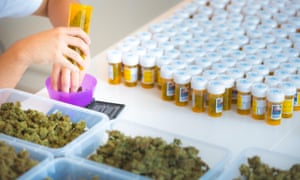
 CBD 420’s industrial hemp sells in more than 1,000 tobacco stores in Switzerland and has been available in shops in France since October. Photograph: CBD 420

In fields across Switzerland the harvest time for cannabis is coming to an end, and workers are distributing the crop to shops in France and Switzerland. Soon, the plants could be available across much of Europe.

The man behind the operation is 31-year-old Jonas Duclos, a former banker, and what he is doing is legal. His business, CBD420, sells BlueDream, a strain of hemp cultivated to ensure the level of tetrahydrocannabinol (THC), the main psychoactive ingredient in cannabis, is low enough (0.2%) to be lawful in most European countries. The UK is one of the exceptions: any trace of THC is outlawed.

While low in THC, BlueDream is high in cannabidiol (CBD), another compound found in cannabis, which is non-psychoactive and has been shown to have medicinal qualities, for example, acting as a powerful anti-inflammatory. CBD is not a controlled substance in Europe, and in Britain does not require a licence from the Home Office to be sold if it can be extracted from cannabis.

Duclos’s “legal weed” is on sale in more than 1,000 tobacco shops in Switzerland, where THC is allowed up to 1% concentration, and in 15 to 20 shops in France, where the limit is 0.2%.

“There is a loophole that lets us bring it on the market,” Duclos explains. The plan is now to take the product elsewhere in Europe, with Italy among his next targets. While the company’s low-THC hemp is illegal in the UK, its CBD oils and balms will be available in some British shops from mid-December.

To comply with European law, Duclos has to make sure his CBD products are not marketed as medicines. Last year, the UK’s Medicines and Healthcare products Regulatory Agency (MHRA) ruled that any product containing CBD marketed as a medicine must have a licence before it can be sold.

Ian Hamilton, a lecturer in mental health at York University, explains: “There is considerable confusion about the legal status of products which contain cannabis extracts such as cannabidiol. Suppliers of these products were instructed by the MHRA to remove any products they were selling until the appropriate licence was obtained. But this will leave many people who use these products unsure if they are breaking the law or not.”

He adds: “Some CBD products are already marketed as nutritional supplements. But irrespective of how it is marketed, the main risk to the individual is probably not that of being arrested … if they try a do-it-yourself treatment they may be putting their health at risk, and even if they do consult their GP it is unlikely they will have sufficient evidence or knowledge to advise the individual.”

Duclos says the slow expansion of BlueDream in France is because of uncertainty as to how the government will respond, Duclos says. “Every shop gets an order of 100 jars to prevent any reaction from the authorities … But the demand is huge.”

He adds: “If the French government goes against it, then that is its choice, but the population there are now very pro-cannabis. We shall see; it is obviously not our decision and we will comply and stop any distribution in France if required. For now, all we can do is make sure our products respect the THC level under 0.2% and just like in Switzerland, we are not allowed to market hemp as a medicine. We don’t recommend people smoke it. Even if someone can experience potential benefits, smoking is never healthy.”

Growing interest in products containing cannabis extract comes at a time of changing laws around marijuana use. Several European countries have relaxed their laws, including the Netherlands, Spain and Portugal, and in the US eight states have formally legalised recreational use of the drug. Many other countries, including Germany, now allow the drug to be used for medicinal reasons.

Such changes in legislation have also prompted scientists to call for a safer way to produce cannabis. One suggestion is to boost levels of CBD so users can get their hit while lessening the potential risks from THC.

Amir Englund and other researchers at King’s College London have begun an experimental study to find the optimal ratio between THC and CBD. Volunteers are given THC to CBD ratios of 1:0, 1:1, 1:2 and 1:3, and the study will look at which combination is associated with fewest negative effects on memory and paranoia.

Englund says: “Most of the cannabis sold on the UK black market [has] high THC and low or absent CBD levels. Several lines of research have pointed towards thistype of cannabis being riskier.

“Recent UK figures have found that overall cannabis use has been declining while number of people seeking treatment for cannabis use problems or psychiatric admission have been rising. One of the main candidate explanations has been the growing dominance of this high THC-potency cannabis. Some studies have found that CBD on its own can be antipsychotic.”

Duclos says: “All we need now is a real law and regulation around the use of these substances for everyone, and for authorities to apply the law and for all products to be fully controlled. A law covering every aspect so people get the cleanest product possible and can choose which THC and CBD level they want, depending on their needs. Under a controlled regulation, we can even expect a better education for everyone, the black market to decrease and tax revenues for the state to increase as it has in the US.”
But whatever the future holds, Duclos says this is an issue that will not go away. He adds that he does not mind being the one to push the government for a response. “At any moment, the French authorities could say, ‘Oh let’s say CBD is now the same as THC and should be illegal. Then it is over in France … honestly, it is fun – we are poking the government and saying ‘What you think about that?’”

https://www.siasat.com/news/smart-persons-secret-well-connected-brain-1265850/

Smart person’s secret? A well-connected brain

Washington D.C.: So, are smart people’s brains wired differently to those of less intelligent persons? According to a recent study, this could be the case.

Kirsten Hilger, Christian Fiebach and Ulrike Basten from the Goethe University Frankfurt combined functional MRI brain scans from over 300 persons with modern graph theoretical network analysis methods to investigate the neurobiological basis of human intelligence.

Already in 2015, the same research group published a meta-study in the journal “Intelligence”, in which they identified brain regions – among them the prefrontal cortex – activation changes of which are reliably associated with individual differences in intelligence. Until recently, however, it was not possible to examine how such ‘intelligence regions’ in the human brain are functionally interconnected.

Earlier this year, the research team reported that in more intelligent persons two brain regions involved in the cognitive processing of task-relevant information (i.e., the anterior insula and the anterior cingulate cortex) are connected more efficiently to the rest of the brain (2017, “Intelligence”).

Another brain region, the junction area between temporal and parietal cortex that has been related to the shielding of thoughts against irrelevant information, is less strongly connected to the rest of the brain network. “The different topological embedding of these regions into the brain network could make it easier for smarter persons to differentiate between important and irrelevant information – which would be advantageous for many cognitive challenges,” proposed principle investigator Ulrike Basten.

In their current study, the researchers took into account that the brain is functionally organized into modules. “This is similar to a social network which consists of multiple sub-networks (e.g., families or circles of friends).

Within these sub-networks or modules, the members of one family are more strongly interconnected than they are with people from other families or circles of friends. Our brain is functionally organized in a very similar way: There are sub-networks of brain regions – modules – that are more strongly interconnected among themselves while they have weaker connections to brain regions from other modules.

In our study, we examined whether the role of specific brain regions for communication within and among brain modules varies with individual differences in intelligence, i.e., whether a specific brain region supports the information exchange within their own ‘family’ more than information exchange with other ‘families’, and how this relates to individual differences in intelligence.”

The study showed that in more intelligent persons certain brain regions are clearly more strongly involved in the exchange of information between different sub-networks of the brain in order for important information to be communicated quickly and efficiently. On the other hand, the research team also identified brain regions that are more strongly ‘de-coupled’ from the rest of the network in more intelligent people. This may result in better protection against distracting and irrelevant inputs.

“We assume that network properties we have found in more intelligent persons help us to focus mentally and to ignore or suppress irrelevant, potentially distracting inputs,” continued Basten. The causes of these associations remain an open question at present.

“It is possible that due to their biological predispositions, some individuals develop brain networks that favor intelligent behaviors or more challenging cognitive tasks.

However, it is equally as likely that the frequent use of the brain for cognitively challenging tasks may positively influence the development of brain networks. Given what we currently know about intelligence, an interplay of both processes seems most likely.”

The study is published in Scientific Reports.

https://www.gizbot.com/gadgets/news/google-home-to-get-two-new-interesting-features-soon-045987.html

Google Home to get two new interesting features soon

Amazon recently launched its smart speaker, Amazon Echo Plus in India. We have already used the device, and it seems pretty cool.

Google Home to get two new interesting features soon

However, we can’t wait for Google to bring its smart home speaker Google Home to India. Especially, when the device is getting new features. According to a support page, Google Home is gaining some new functionality. The support page of Google Home has been updated listing some new features that will be added to the device shortly. The features are Direct Control and Scene Support.

Direct Control

Google Home will soon get direct control over more smart devices. While the device has already had this feature, up until now, it could only control limited things like lights, smart switches, security cameras, and thermostats. As per the support page, the scenario is about to change.

Currently, Google Home can control smart washer, dryer, vacuum, or dishwasher through the voice commands of someone. So basically, someone would have to ask the device to talk to another service to perform a certain action. For this, the person would have to use the exact same phrases the service uses instead of depending on Google’s natural language processing to relay their command.

With Direct Control feature, on the other hand, someone can just give direct command to Google Home and then it will pass on the command to the relevant device. For example, in case of a thermostat, a direct command like “Hey Google, turn the heat up”, will do the needful.

Scenes

The support page also reveals that Google Home may add scenes support in future. The device could gain the ability to activate and deactivate scenes. For those who are not aware, scenes allow you to save a predetermined brightness and color ahead of time so you can recall them later. The support page further details the commands needed to control scenes.

https://www.entrepreneur.com/slideshow/304913

20 Apple Watch Tips to Help You Work and Play Better

For many people, the smartphone has made the traditional timepiece obsolete, with millions of people digging their phones out of their pockets or bags to check the time — that is, if they don’t already have the thing glued to their hand.

For others, smartwatches such as the Apple Watch are an alternative to the cumbersome metal and glass rectangle so many carry (and drop) during commutes, workouts and just about every other daily activity.

The limited interface of the Watch promises a learning curve for many users, because they can’t simply translate their iPhone habits onto the device, from silencing notifications to rearranging apps. Its benefit, though, is that it can function as a remote control for various features on your iPhone and Mac.

Whether you’re a new Watch user (Black Friday, anyone?) or just feel like you should be taking better advantage of your device’s so-called smart features, here are 20 tips to help you manage the screen on your wrist.

Related video: Tech’s Biggest Consumer Is Not Who You Think It Is

https://player.ooyala.com/static/v4/stable/4.12.6/skin-plugin/iframe.html?ec=Z5NzJkYTE6wISUn4YteLbcJd4V643hkg&pbid=666a390a01504fe788e591c9f3b38f40&pcode=doaGYyOgPxsf9v2vPKkXMppUTpsU

https://www.news-medical.net/life-sciences/Biophotonics-in-Cell-Biology-Studies.aspx

Biophotonics in Cell Biology Studies

Biophotonics is a branch of science where the interaction between biological substances as well as light is used for probing, manipulating and imaging cells and tissues. This emerging technique is widely used in various fields such as medicine, agriculture, and in studies related to life science and environment.

©​ Kateryna Kon/Shutterstock.com

In cytological studies (also known as study of cell biology), this technique is used for the analysis of structure, functions, components, and life history of various cell samples. The biophotonic tools like flow cytometer has a vital role in cell biology studies. Cell ablation, optical trapping, second harmonic imaging and cell transfection are the other methods of biophononics utilized in this field.

Flow cytometry

A flow cytometer (FC) is a machine-driven instrument that can be used to examine single cell properties i.e., allow only one cell to be analyzed at a time. It can be used to measure the cell granularity, cell size, and to quantify various cell components that include newly synthesized DNA and the total DNA, the number of specific cell surface receptors, gene expression as the amount of messenger RNA for a particular gene, and amounts of transient signaling events and intracellular protein in living cells. Quantities are generally relative, which can also be the number of molecules present inside the cell when complete values are required.

Flow cytometers quantify laser stimulated fluorescence and scattering of light that is focused through a laser beam, from each individual cell. Flow cytometers are most commonly used for immunofluorescence analysis applications.

Before proceeding with flow cytometer measurements, cells are subjected to incubation in a solution that contains a fluorophore-label-attached selection of antibodies. Reactions occur between the antibodies and the antigens on the cell surface and the attached fluorophores indicate antibodies that are present on the surface of the cell.

Cell ablation

Cell ablation is considered to be an efficient tool in the analysis of eukaryotic developmental biology. Information about the cell such as fate, origin, and their role in the developing organism can be determined by selective ablation of cells. The advantage of laser-based approaches over chemical or genetic ablation techniques is that the operations can be carried out at any time and in any cell pattern during development.

Improvement in cell ablation systems are most commonly used for studying inductive interactions that take place between the cells in developing embryos. Cell ablation technique is recently used in the treatment of laryngeal, head, and neck malignancies.

Optical trapping

An optical trapping is used as a powerful tool in many biological and bio-physical applications. In biophysics, it permits to accurately measure and manipulate various cellular structures. Biological applications of optical trapping include the examination of single cell and cell sorting.

Optical trapping can be created by a laser beam that can be focused with an objective lens that has high numerical aperture. Momentum transferred from the scattered incident photons results in a force that is experienced by a dielectric particle near the laser beam focus.

The resultant of this optical force is resolved into two components: a force in the direction of propagation of light, known as scattering force and a force in the spatial light gradient direction, known as gradient force. This method can be employed in moving subcellular organelles and small cells, with the help of a focused beam.

Second harmonic imaging

Laser scanning microscope that is comprised of transmission optics and femtosecond Ti–sapphire laser are involved in live cell imaging based on nonlinear optical phenomena of second harmonic generation (SHG).  Second harmonic imaging (SHIM) is an efficient method for probing live-cell membranes as it offers higher resolution of nonlinear optical microscopy and also prevents photo-toxicity and photo-bleaching.

The approach has been employed on three cell lines that are labeled with membrane staining dyes of high nonlinear optical coefficients. The images can be developed on timescales that are physiologically relevant.

Both chiral and achiral dyes were employed in comparison of image formation in the case of double- and single-leaflet staining, and it has been observed that the chirality is an important factor in contrast generation mechanism. This approach is employed in capturing different diffraction patterns of breast cancer cells, and it helps in developing methods to discriminate expressions of various breast cancer cells from their diffraction patterns. This method has more sensitivity toward fiber structure and collagen-related variations that occur in diseases like fibrosis, cancer, and connective tissue disorders.

Cell transfection

The development of photonic nanostructures, induced by laser, at the surface of polymer can be utilized for cell biology applications. The ripple structures are capable for governing alignment, adhesion, and cultured live-cell migration. Processes such as sorting of cells and performing biological assays help in studying the primary cell culture. Cell transfection is a process in which genetically nucleic acids are introduced into the cells.

Cell transfection process involves electroporation at the surface of photo-chemically modified polymers by providing better adhesion to attached cells. Cell transfection is an efficient approach utilized for studying gene function and gene products that are present in cells. Cell sorting can be easily attained by targeting cell-specific membrane proteins with surface-immobilized antibodies.

Reviewed by Afsaneh Khetrapal BSc (Hons)

Further Reading

https://www.forbes.com/sites/davidbressan/2017/11/24/why-cant-we-predict-earthquakes/#7be87b746332

Why Can’t We Predict Earthquakes?

A bad earthquake at once destroys our oldest associations: the earth, the very emblem of solidity, has moved beneath our feet like a thin crust over a fluid; – one second of time has created in the mind a strange idea of insecurity, which hours of reflection would not have produced.
Charles Darwin’s description of the 1835 Concepción (Chile) earthquake

David Bressan

A small fault cuts trough horizontal sedimentary layers in the mountains of Serbia.

There is currently no way to reliably predict when an earthquake will happen, its strength or length. Earthquakes can vary in their magnitude, the size of the earthquake at its source, and length, lasting from seconds to minutes.

Research has shown, that shaking of an earthquake displays a characteristic pattern. After the first tremors start, building up in intensity, a peak is reached, followed by a fading shaking. Large and small earthquakes start the same way, but there is no way to say when the peak, the maximal magnitude of the quake, is reached.  An earthquake is generated by a sudden rupture of rocks in the underground, miles below the surface, driven by forces even deeper inside planet Earth. It’s very hard to exactly understand how rocks behave under the increased pressure and temperature found there. Experiments in the laboratory are limited to relatively small samples and drilling into fault zones is a difficult, and very expensive, operation.

To predict an earthquake we would need unequivocal precursory signals. In the past seismologist noted before earthquakes some changes in the environment, like an increase in radon gas concentrations, changes in electromagnetic activity, foreshocks, measurable ground deformations, geochemical changes in groundwater and even unusual animal behavior.

Some earthquakes were preceded by changes in the groundwater level. As tectonic stress builds up, rocks can develop micro-fissures, changing the permeability of the rocks for water. Also, the hydrochemistry of springs can change, as rocks are crushed by the accumulating tension, leaking chemicals into the groundwater, or changing the flow patterns of the water in the underground.

Radon, a gas formed by the radioactive decay of elements present in certain minerals, can show fluctuations before an earthquake. It was used in the past to predict earthquakes, but it’s not clear how radon concentration and earthquakes could be connected. Maybe the micro-fissures, developing in the rocks before the main rupture along a fault occurs, change the permeability of the underground and the gas escapes to the surface, where it can be detected.  Despite claims of success before the earthquake of L’Aquila, Italy, in 2009, most scientists remain skeptical of this method. High radon concentration can be produced also by landslides, crushing rocks, or chemical reactions in the groundwater.

Some crystals and rocks will emit electromagnetic energy if put under great pressure. By measuring the electromagnetic field of an area, so the theory, it should be possible to measure the accumulating deformations of the ground. Before the breaking point of the rocks is reached, scientists could give a warning of an impending quake. A similar approach is used measuring foreshocks. As the number of smaller foreshocks increases over time, it could mean that the ground is ready to snap for the big one.

Since antiquity, there exist stories about unusual animal behavior before an earthquake. Even if modern research is pursuing this possibility, the behavior is in general to unreliable for any exact forecasts.

Unfortunately, all the studied signals occur erratically. In some cases, earthquakes were preceded by one or few changes. In many other cases, no particular signal was ever observed,  despite a disastrous earthquake occurring thereafter. At the moment we can’t even be sure if such precursory signals even exist.

http://www.brantfordexpositor.ca/2017/11/24/tallman-science-is-fact-religion-is-meaning

Tallman: Science is fact, religion is meaning

Our new Governor General, Julie Payette, apparently has “monocular” (or one-eyed), science-only vision, as witnessed by her eye-roll at religion in her first speech.

This can be contrasted with John Polkinghorne, a British physicist partially responsible for the discovery of subatomic particles called quarks, who after 25 years of science, left to be ordained as an Anglican priest. Studying all the theology necessary to become a priest gave him what he called “binocular vision.”

Polkinghorne adopted a philosophy of “dual aspect monism.” He believed, as physics taught him, there is only one reality (monism), but there are two equally important ways of looking at it, that is, science and religion.

Rationality has been the bulwark of science since the Enlightenment in the 17th-century. We need to be rational, but we also need to go beyond reason if we are going to discover the deeper meaning of things. It was rational scientists efficiently doing their jobs who developed the gas chambers at Auschwitz and nuclear weapons in the Second World War.

The basic differences between science and religion are that science analyzes whereas religion synthesizes, and science has to do with facts whereas religion has to do with meaning. So, science analyzes facts and religion synthesizes meanings.

Reality is mediated to us as much or more by meaning as by facts and data. Money is just bits of paper and metal or now digital bytes, but it is the meaning we ascribe to those that make them important. A border is just a concept and yet it means something different to be a Korean, German, or Canadian. Scientists could measure all the dimensions of a room, weigh all the furniture, take the temperature throughout the day, and still have no idea that it was a court of law, church, synagogue, or mosque.

Here is one example of how religion synthesizes (puts together) meanings.

During the Exodus from Egypt, Jews put blood on their door posts, so God would pass over their homes in liberating them from Pharaoh. Later, Moses splashed blood on the altar and on the people as a sign of the covenant between God and humanity.

In the Christian scriptures, Jesus says on the night of Passover that the wine he wants his followers to drink is his blood, the blood of the new covenant. The next day, Jesus takes the sins of the world onto himself, shedding his blood on the cross as a sign of his love for all people. Communion services for the next two thousand years are about sharing in the blood of Jesus to show we are his disciples.

Martyrs took this to the extreme by willingly shedding their own blood as a sign of their faith. And there is the saying that “the blood of the martyrs is the seed of the church.”

So, we have themes of God’s protection, covenant, and love and our discipleship, martyrdom, and church growth all woven together.

Scientists could do a lab analysis of the chemicals in the blood in each situation and miss the depths of meaning in all these blood-connections.

My point is certainly not to throw out reason or science, but simply to say that they only give a limited perspective on life.

There are equally important and extremely meaningful ways of approaching the same things that tie everything in reality together. That is what people have always looked for and will continue to look for, and this is what religion specializes in.

In short, we need religion if we are going to have not only scientific but deeply meaningful lives.

Bruce Tallman is a London spiritual director, marriage coach, and religious educator of adults. www.brucetallman.com/blog

http://www.androidpolice.com/2017/11/24/tichome-mini-review-worthy-portable-google-home-mini-alternative-long-dont-mind-paying-double/

TicHome Mini review: A worthy portable Google Home Mini alternative, as long as you don’t mind paying double

Google introduced the Assistant SDK back in April, making it possible for third parties to build the digital companion into their devices. Sure enough, at IFA 2017 in Berlin back in August, the firstGoogle Assistant-enabled speakers were announced, due to hit the market this fall. There are now several different options from a range of manufacturers, and they cover various use cases and price points.

Other Google Home alternatives with better speakers have also been announced by the likes of Sony and Panasonic. For those on a tighter budget there’s also the Zolo Mojo from Anker. And before that has even gone on sale, Google itself launched the Google Home Mini. Inevitably, there are also battery-powered alternatives you can take with you as you move from room to room. JBL offers two of these, with its Link 10 and Link 20 speakers costing $149.95 and $199.95 respectively. There is a cheaper alternative, however, and that’s the TicHome Mini from Mobvoi, priced at $99.

Mobvoi has previous experience when it comes to building Google-powered hardware, as it recently launched two stylish looking Android Wear watches, the TicWatch S and E. The Chinese company had already worked on voice search technology with Google before that, so an Assistant-enabled speaker seemed a logical next step. The TicHome Mini can do practically anything Google Home can (just don’t ask about phone calls). While the MSRP is twice that of the Google Home Mini, if portability is your key consideration it could be worth stumping up the extra cash.

https://news.ubc.ca/2017/11/24/test-your-dna-at-a-pharmacy-now-you-can/

Test your DNA at a pharmacy? Now you can

CBC quoted Corey Nislow, a UBC pharmacy professor, about a new DNA test offered at some Canadian pharmacies that will allow pharmacists to determine how patients would respond to medications.

Nislow said the testing program could help save time and also reduce potential side effects.