https://news.ubc.ca/2018/05/24/the-happiest-and-least-happy-places-in-canada/

https://www.theverge.com/2018/5/24/17388564/apple-patent-siri-phone-call-smart-replies

Apple patent shows Siri providing smart replies when you can’t answer the phone

Apple is exploring ways that Siri could play a helpful role in explaining why you had to decline a phone call. As AppleInsider notes, a new patent shows that by factoring in context (such as your iPhone’s location or whether Do Not Disturb is enabled) and analyzing who the call is from, Siri might be able to produce custom responses that are more specific to your current situation than the canned messages you can send now when rejecting a call.

Images in the patent application show Siri pulling from Apple Maps and suggesting a smart reply that includes the street you’re on and how long it’ll take to reach your destination. That could be useful if you’re running late for a week meeting or dinner plans. Another identifies the caller’s boss and presents similar location-based responses — but without mentioning “home” as it did in the other conversation. Apple shows several examples of the feature that involve CarPlay.

The company already offers a list of simple, generic responses that you can pick when a call comes in that you can’t or don’t want to answer. The Do Not Disturb While Driving feature introduced in iOS 11 can automatically alert a caller that the reason you’re unavailable is that you’re behind the wheel. Apple is seemingly trying to make those messages a bit smarter and more situation-specific. Google has also been working to offer smart replies across many of its own apps and on Android.

Photo by Michele Doying / The Verge

Apple’s “Intelligent Digital Assistant for Declining an Incoming Call” patent was filed in late 2016. It hasn’t been turned into an actual iOS feature yet, but who knows what’s ahead at WWDC, which is less than two weeks away.

https://www.engadget.com/2018/05/24/google-will-always-do-evil/

Google will always do evil

But its employees won’t.

One day in late April or early May, Google removed the phrase “don’t be evil” from its code of conduct. After 18 years as the company’s motto, those three words and chunks of their accompanying corporate clauses were unceremoniously deleted from the record, save for a solitary, uncontextualized mention in the document’s final sentence.

Google didn’t advertise this change. In fact, the code of conduct states it was last updated on April 5th. The “don’t be evil” exorcism clearly took place well after that date.

Google has chosen to actively distance itself from the uncontroversial, totally accepted tenet of not being evil, and it’s doing so in a shady (and therefore completely fitting) way. After nearly two decades of trying to live up to its motto, it looks like Google is ready to face reality.

In order for Google to be Google, it has to do evil.

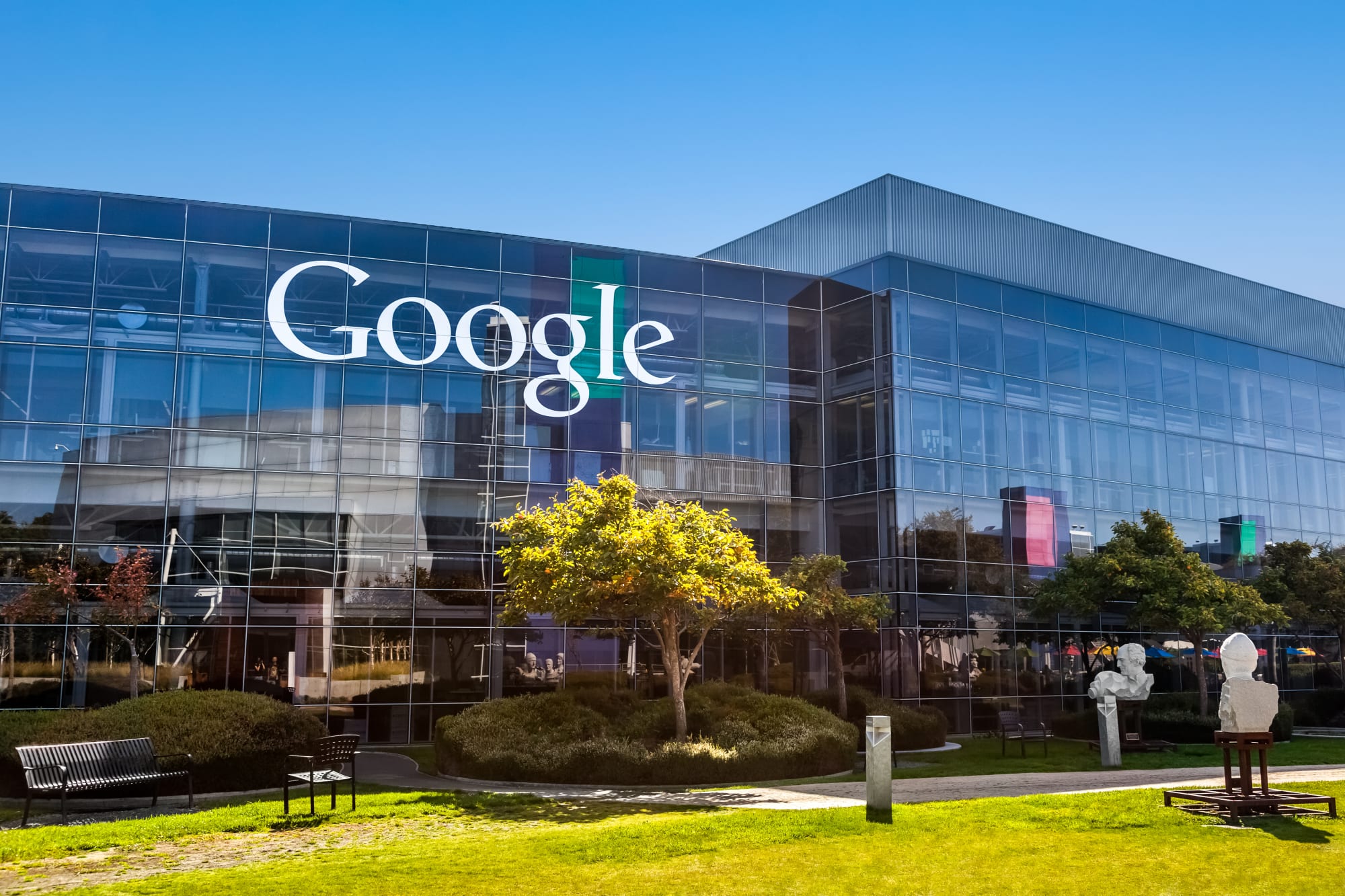
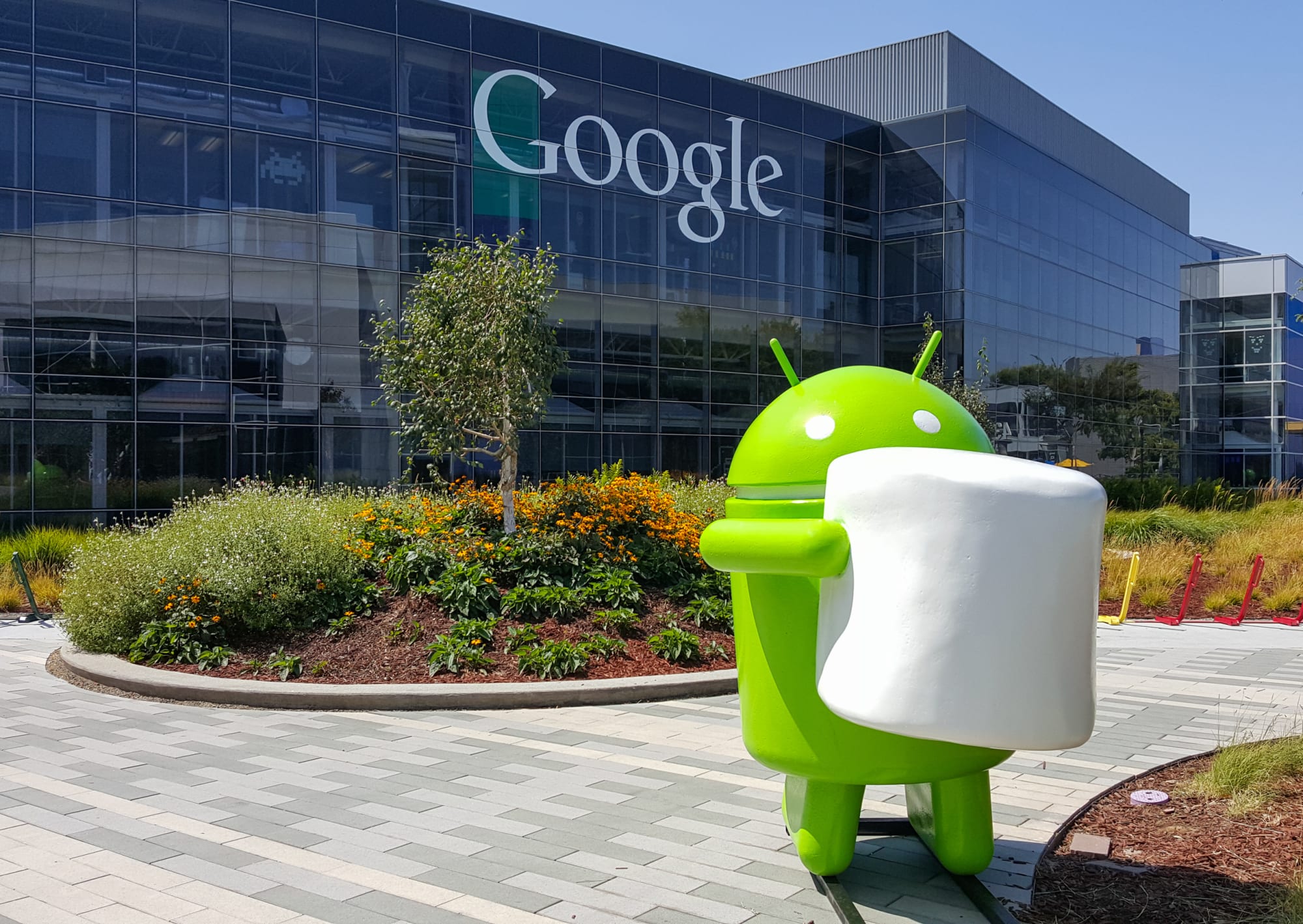
Exterior view of Google office with Android Marshmallow

This is true for every major technology company. Apple, Facebook, Amazon, Tesla, Microsoft, Sony, Twitter, Samsung, Nintendo, Dell, HP, Toshiba — every one of these organizations can’t compete in the market without engaging in unethical, inhumane and invasive practices. It’s a sliding scale: The larger the company, the more integrated it is in our everyday lives, the more evil it can be.

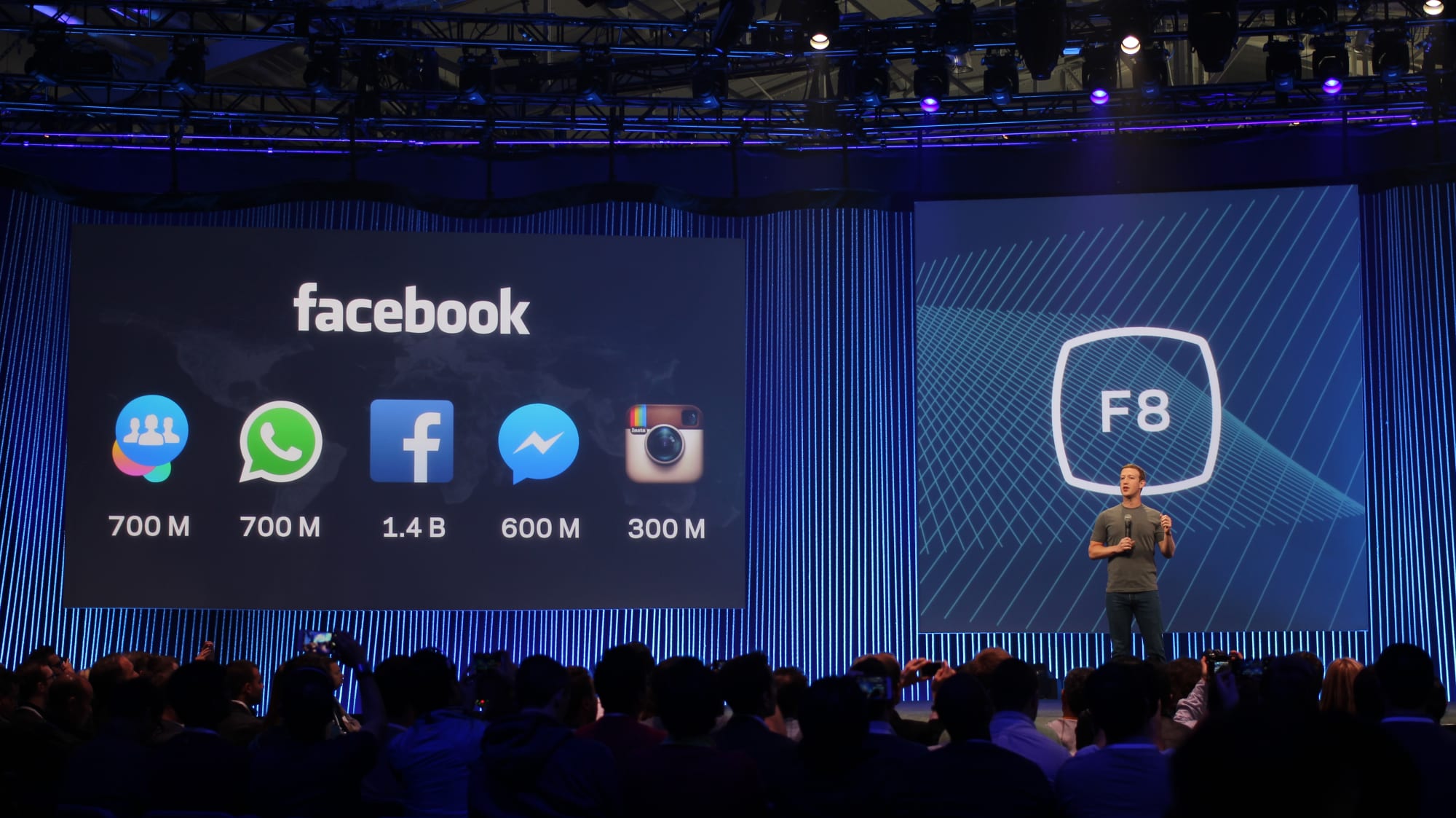
Take Facebook for example. CEO Mark Zuckerberg will stand onstage at F8 and wax poetic about the beauty of connecting billions of people across the globe, while at the same time patenting technologies to determine users’ social classes and enable discrimination in the lending process, and allowing housing advertisers to exclude racial and ethnic groups, or families with women and children, from their listings.

That’s not even mentioning the Cambridge Analytica scandal and the 85 million Facebook users whose personal information ended up, without permission, in the hands of an overseas political group during the contentious 2016 presidential election.

Mark Zuckerberg on stage at Facebook's F8 Developers Conference 2015

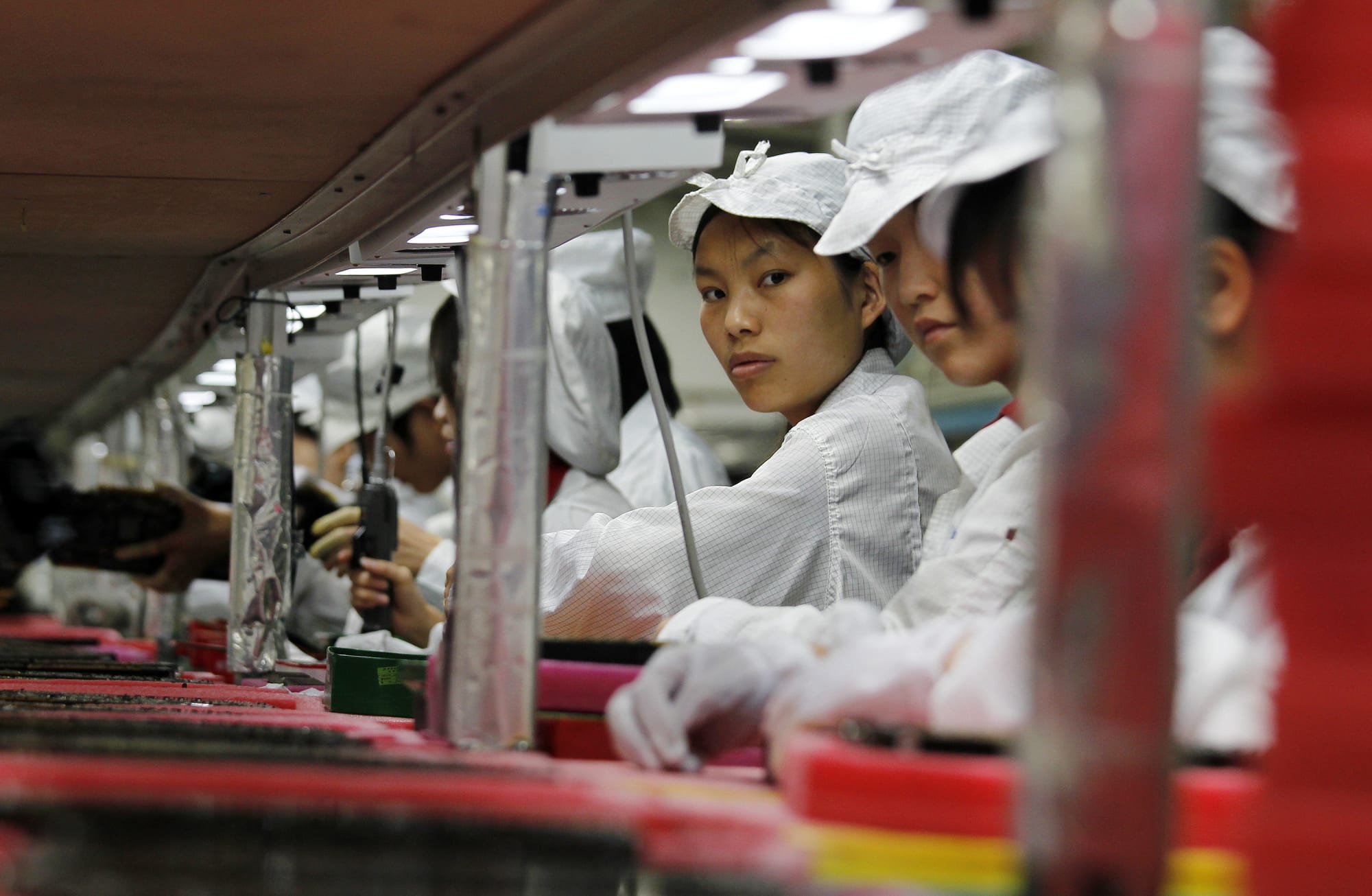
And then there’s Apple, the largest public company in the world. It’s also one of the most secretive, but even so, it’s been caught engaging in evil. Apple is one of the most notorious tech names when it comes to child laborand inhumane working conditions. It’s been tied to child labor in Africa, and the Chinese factories where its phones are assembled are frequently cited over illegal and lethal practices. At least nine workers at Apple’s key factory partner, Foxconn Technology Group, committed suicide in 2010, prompting international outrage. Yet just this year, Bloomberg found iPhone assembly workers in the Catcher Technology Co. factory were required to stand for up to 10 hours a day in heinous conditions, handling chemicals, dealing with loud machines and being exposed to miniscule metal particles without proper masks, gloves, goggles or ear plugs. After their shifts, employees lived in dirty dorms without showers or hot water.

More than 200 workers from a single Samsung production line had died or fallen seriously ill.

Apple isn’t the only tech company to work with Foxconn or Catcher, and it isn’t the only one accused of encouraging inhumane assembly lines. In 2016, the AP reported more than 200 workers from a single Samsung production line had died or fallen seriously ill, many being diagnosed with leukemia, lymphoma and MS, despite being relatively young — in their 20s and early 30s. Samsung has denied any involvement in the lethal trend.

There’s a simple reason major tech companies often look the other way after these scandals, brushing concerns aside as they continue to work with factories known for employing children and operating in barbaric ways. It’s necessity. In order to remain competitive, Apple needs 200 million new iPhones with each updated model, and the most profitable way to make that happen is to partner with Foxconn or Catcher. In Apple’s math, the bottom line outweighs the well-being of workers on the assembly line.

CHINA-SUICIDES

The people who actually work at Apple or any major tech company are not monsters. Ask any Apple employee about child labor in iPhone factories and they’ll assuredly express disgust and outrage — but the company itself is far more powerful than its individualized workforce.

Which brings us back to Google. Earlier this month, roughly a dozen employees quit over the company’s involvement in Project Maven, a military program that aims to use AI systems to analyze drone footage. Though Google insists the technology will be applied to “non-offensive uses only,” some employees are concerned about its potential use in drone strikes. On top of those who quit, nearly 4,000 Google employees have signed a petition demanding the company pull out of Project Maven and refuse to work with the military in the future.

The chances of Google actually cutting ties with the US military are miniscule.

The chances of Google actually cutting ties with the US military are miniscule. Besides, quitting wouldn’t stop Project Maven from moving forward; it would only cut Google out of the process, passing the future of AI drone technology to another company. At least with Google, there’s the underlying promise that these systems won’t be evil.

Well. That was true until just a few weeks ago.

The reason major technology companies have so much power to be evil is because many of them have found ways to do good in our lives. These organizations are big for a reason — Google is the backbone of the internet; Apple is a leader in gadget design and ecosystems; Samsung produces a vast range of devices for a wide swath of people; Facebook truly does connect the world. But as a tech company’s propensity to do good grows, so too does its ability to do terrible things. That’s why Google’s motto — “don’t be evil” — was such a poignant reminder of the humanity necessary to keep these companies in check. Emphasis on the was.

Images: Getty (Google building); pestoverde / Flickr (Mark Zuckerberg); Bobby Yip / Reuters (Foxconn factory)

https://gizmodo.com/google-just-turned-a-huge-corner-in-the-smart-speaker-g-1826290334

Google Just Turned a Huge Corner in the Smart Speaker Game

Photo: Sam Rutherford (Gizmodo)

When Amazon launched the Echo back in late 2014, it kicked off one of the biggest trends in tech. Almost overnight, it seemed like every company wanted to get in on that sweet smart speaker action. However, largely because Amazon was first to market, the Echo has consistently been the top-selling smart speaker for the last three and a half years.

That is, until Q1 2018, when Google knocked Amazon out of the top spot for the first time by increasing sales of Google Homes a staggering 483 percent year-over-year to 3.2 million units versus 2.5 million Echo devices for Amazon, according to tech research firm Canalys.

This is an important moment for the still-growing smart speaker market. It suggests that Amazon’s first-mover advantage may be finally coming to end after originally holding a two-year lead over Google, which launched the original Google Home in late 2016.

At the same time, this could also be considered a huge victory for Google. Its Google Assistant is widely regarded as the “smartest” disembodied AI, but for a long time, it was stuck trying to catch up to the Echo’s more mature ecosystem and larger user base.

However, the smart speaker war is far from over. Amazon still holds a significant lead in total devices sold, with an overall market share of 69 percent versus just 25 percent for Google, as of January, according to Edison Research. As far as the rest of the Q1 2018 sales go, Alibaba and Xiaomi finished in third and fourth, with smart speaker shipments accounting for 11.8 percent and 7 percent of total sales, respectively.

All told, those top four companies accounted for nearly 83 percent of all smart speaker sales, leaving companies like Microsoft, which launched its own Cortana-powered speaker in partnership with Harman Kardon last year, and Samsung, which rumors say will launch its own Bixby-powered speaker sometime this year, scrambling for the remaining 17.3 percent of the market.

And then, of course, there’s Apple, whose Siri-powered HomePod launched just three months ago to a rather tepid response because, while it has been praised for having great audio quality, its high price and limited digital assistant features have prevented Apple’s normally ravenous fan base from getting into the smart speaker game.

https://www.tomshardware.com/news/intel-neural-network-processor-lake-crest,37105.html

Intel To Launch Spring Crest, Its First Neural Network Processor, In 2019

At its first AI Developer Conference, Intel announced the Nervana NNP-L1000, which is the first neural network processor (NNP) to come out of the Nervana acquisition. The chip will prioritize memory bandwidth and compute utilization over theoretical peak performance.

Intel’s New Attempt To Succeed In The ML Market

Initially, Intel started competing with Nvidia in the machine learning (ML) chip market with its Xeon Phi architecture, which used tens of Atom cores to “accelerate” ML tasks. However, Intel must have realized that Phi alone wasn’t going to allow it to catch up to Nvidia, which seems to make significant leaps in performance every year.

As such, the company began looking for other options, which led it to buy Altera for its field programmable gate arrays (FPGAs), Movidius for its embedded vision processor, MobilEye for its self-driving chip, and Nervana for its specialized neural network processor. Also, Intel has started working on its own dedicated GPU. The company is also working on neuromorphic and quantum computing chips.

Intel calls all of these options a “holistic approach” to artificial intelligence. However, the company may also want to avoid betting everything on a single architecture again, as it did with Phi, and then fall even farther behind Nvidia in the ML chip market. On the other hand, this scattered strategy for ML may also confuse developers, because they won’t know which technology Intel will back the most in the long-term (and Intel may not know yet, either).

Intel’s Nervana NNP-L1000

For now, Intel seems to focus more on pushing its Nervana chips to ML researchers, possibly because it may be the one that is going to compete most directly with Nvidia (at least until Intel’s dedicated GPUs arrive).

The Nervana NNP-L1000, code-named Spring Crest, seems to put great emphasis not so much on peak trillion operations per second (TOPS) as on high memory bandwidth and low latency.

Intel showed the following performance numbers for its Lake Crest prototype, which is currently being demoed to some partners:

General Matrix to Matrix Multiplication (GEMM) operations using A(1536, 2048) and B(2048, 1536) matrix sizes have achieved more than 96.4 percent compute utilization on a single chip. This represents around 38 TOP/s of actual (not theoretical) performance on a single chip.

Multichip distributed GEMM operations that support model parallel training are realizing nearly linear scaling and 96.2 percent scaling efficiency for A(6144, 2048) and B(2048, 1536) matrix sizes – enabling multiple NNPs to be connected together and freeing us from memory constraints of other architectures.

We are measuring 89.4 percent of unidirectional chip-to-chip efficiency of theoretical bandwidth at less than 790ns (nanoseconds) of latency and are excited to apply this to the 2.4Tb/s (terabits per second) of high bandwidth, low-latency interconnects.

All of this is happening within a single chip total power envelope of under 210 watts. And this is just the prototype of our Intel Nervana NNP-L1000 (Lake Crest) from which we are gathering feedback from our early partners.

The Nervana NNP-L1000, which will be the first Nervana product to ship to customers, promises 3-4x the neural network training performance compared to Lake Crest, according to Intel.

Intel said that the NNP-L1000 would also support bfloat16, a numerical format that’s being adopted by all the ML industry players for neural networks. The company will also support bfloat16 in its FPGAs, Xeons, and other ML products. The Nervana NNP-L1000 is scheduled for release in 2019.

As such, the company began looking for other options, which led it to buy Altera for its field programmable gate arrays (FPGAs), Movidius for its embedded vision processor, MobilEye for its self-driving chip, and Nervana for its specialized neural network processor. Also, Intel has started working on its own dedicated GPU. The company is also working on neuromorphic and quantum computing chips.

Intel calls all of these options a “holistic approach” to artificial intelligence. However, the company may also want to avoid betting everything on a single architecture again, as it did with Phi, and then fall even farther behind Nvidia in the ML chip market. On the other hand, this scattered strategy for ML may also confuse developers, because they won’t know which technology Intel will back the most in the long-term (and Intel may not know yet, either).

Intel’s Nervana NNP-L1000

For now, Intel seems to focus more on pushing its Nervana chips to ML researchers, possibly because it may be the one that is going to compete most directly with Nvidia (at least until Intel’s dedicated GPUs arrive).

The Nervana NNP-L1000, code-named Spring Crest, seems to put great emphasis not so much on peak trillion operations per second (TOPS) as on high memory bandwidth and low latency.

Intel showed the following performance numbers for its Lake Crest prototype, which is currently being demoed to some partners:

General Matrix to Matrix Multiplication (GEMM) operations using A(1536, 2048) and B(2048, 1536) matrix sizes have achieved more than 96.4 percent compute utilization on a single chip. This represents around 38 TOP/s of actual (not theoretical) performance on a single chip.

Multichip distributed GEMM operations that support model parallel training are realizing nearly linear scaling and 96.2 percent scaling efficiency for A(6144, 2048) and B(2048, 1536) matrix sizes – enabling multiple NNPs to be connected together and freeing us from memory constraints of other architectures.

We are measuring 89.4 percent of unidirectional chip-to-chip efficiency of theoretical bandwidth at less than 790ns (nanoseconds) of latency and are excited to apply this to the 2.4Tb/s (terabits per second) of high bandwidth, low-latency interconnects.

All of this is happening within a single chip total power envelope of under 210 watts. And this is just the prototype of our Intel Nervana NNP-L1000 (Lake Crest) from which we are gathering feedback from our early partners.

The Nervana NNP-L1000, which will be the first Nervana product to ship to customers, promises 3-4x the neural network training performance compared to Lake Crest, according to Intel.

Intel said that the NNP-L1000 would also support bfloat16, a numerical format that’s being adopted by all the ML industry players for neural networks. The company will also support bfloat16 in its FPGAs, Xeons, and other ML products. The Nervana NNP-L1000 is scheduled for release in 2019.

https://electrek.co/2018/05/24/egeb-new-solar-tech-harvest-rain-energy-edmonton-may-go-100-green-doe-concentrated-solar-power/

EGEB: New solar tech harvest rain motion energy, Edmonton may go 100% green, DOE reveals a new concentrated solar power project

Electrek Green Energy Brief: A daily technical, financial, and political review/analysis of important green energy news.

Today on EGEB, Chinese scientists unveil their newest invention: a solar panel powered not only by the sun but also rain. Edmonton’s urban planning committee proposes that every municipal service use only renewable energy. U.S. Department of Energy will construct a new test facility running concentrated solar power on a level never seen before.


Chinese researchers are developing a solar panel combined with a triboelectric nanogenerator which uses rain motion as an energy source. Scholars at Soochow University took over an idea proposed by their American colleagues at the Georgia Institute of Technology and improved it by:

“creating a true hybrid device, rather than simply putting a nanogenerator on a solar cell. Instead of a chunky creation made up of two independent energy harvesting units, this is a true double-sided solar panel capable of adding a 10 percent boost in overall output.”

No full-size prototype can be expected in less than five years according to Zhen Wen, one of the study’s authors and assistant professor in the Institute of Functional Nano and Soft Materials at Soochow University. The concept may still be improved by adding the possibility of harvesting wind power too.

Edmonton city council’s urban planning committee pushes forward no-emission power for city utilities by 2050. Mayor Don Iveson endorsed the move, justifying it by arguing that we must all do our part to fight against climate change.

Buying green energy will be the biggest slice of the reduction. The rest of the plan calls for overhauling aging buildings, buying electric buses to replace diesel as buses age and switching the rest of the street lights to LED. The plan adopted Tuesday does not involve carbon offsets — when a person or municipality pays to have forests replanted, for example, somewhere else in the world and takes credit.

Emissions must cut by half by 2030 in this city made prosperous by tar sands. The council must vote on the matter in June.

The U.S. Department of Energy will build a new test facility that will use concentrated solar power (CSP) to heat a liquid, turn it into steam and then power turbines to produce electricity. This doesn’t use the better known photovoltaic technology but lens or magnifying glasses, and through a cascade of mirrors use solar rays to:

“heat a working fluid to greater than 700°C and deliver it to a steam turbine system to produce electricity. Current commercial CSP systems work in the 300°C to 550°C range. Increasing the temperature to 700°C promises greater efficiency in thermally driven solar power systems.”

Problems remain to be solved, as the molten nitrate salts currently used to transfer heat from the collection point to the steam system become unstable at temperatures higher than 565°C.

Featured image is from the Department of Energy SunShot program. A tilted plane array on a lower east side rooftop in Manhattan. Photo by Bright Power, Inc.

https://arstechnica.com/gadgets/2018/05/youtube-music-will-replace-google-play-music-but-wont-kill-user-uploads/

YouTube Music will replace Google Play Music but won’t kill user uploads

New service will eventually support “all the key features” of Google Play Music.

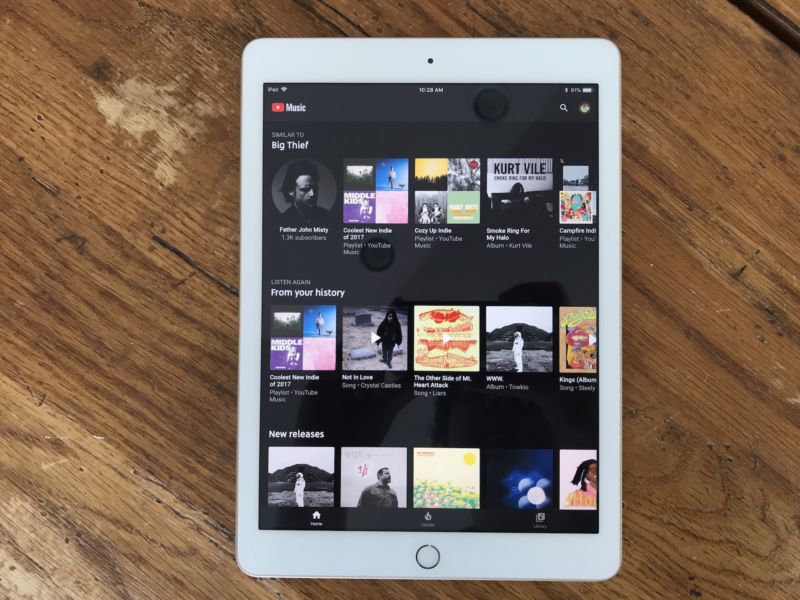
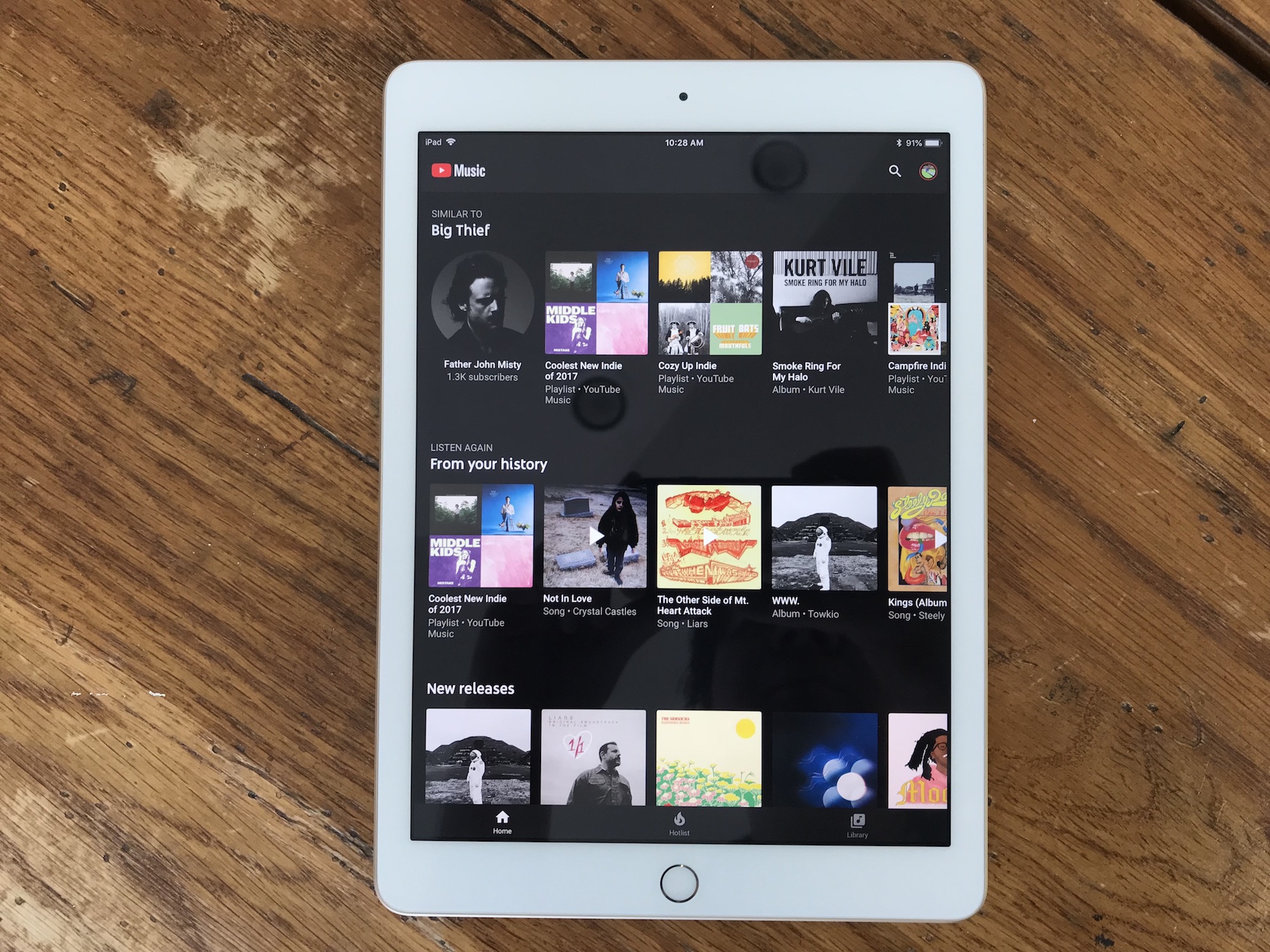
Enlarge / The home screen of the revamped YouTube Music app, running on an iPad.
Jeff Dunn

Google has confirmed that its revamped YouTube Music streaming service will eventually support key features of its Google Play Music app, including the ability for users to upload music files that may not exist in the service’s streaming catalog.

Google announced an overhaul for YouTube Music last week alongside a price bump for its YouTube Red service. It then began a “soft” rollout of the app for select users on Tuesday.But the announcement of a revamped YouTube Music app has caused some confusion among those who subscribe to Google Play Music, a streaming music service Google launched in 2011 but has struggled to attract subscribers on the level of category leaders Spotify and Apple Music.

Google told Google Play Music users that “nothing will change” in a press release announcing the YouTube Music rollout earlier this week, but that appears to only be true in the short term. Speaking to The Verge, Elias Roman, Google’s product manager for both YouTube Music and Google Play Music, said that the company’s tentative goal is to migrate Google Play Music subscribers to YouTube Music at some point in 2019, though the report cautions that timeframe may wind up getting pushed back a bit.

In any case, Roman said the plan is to have Google Play Music’s major features ported over to YouTube Music by the time of any transition. According to the report, those features will include the ability for users to upload their own music—something Amazon axed from its Amazon Musicservice last year—and the ability to purchase music instead of just streaming it. Last week, T. Jay Fowler, YouTube’s director of music product management, said that Google Play Music users’ music “collection, playlists, and preferences” will be preserved in any migration to YouTube Music as well.

YouTube Music already comes with a modicum of protection against any licensed songs it may officially lack, as one of the key selling points of the service is its integration with music-related videos that live on YouTube proper. The app may not license every album by a given band, but it can make up for that to an extent by letting users watch and download music videos from that band that have already been uploaded to YouTube alongside the music in their streaming library.That’s not a complete solution, however, so letting users upload music they may have already paid for is likely to come as a relief for current Google Play Music subscribers. Nevertheless, Google did not give a specific timeline for when YouTube Music will receive the promised updates.

We’ve been testing an early access version of the new YouTube Music this week and we will have more detailed hands-on impressions in the coming days.

https://mobilesyrup.com/2018/05/23/siri-alexa-google-assistant-virtual-assistant/

Siri is the most used virtual assistant in Canada, according to a poll

While not being the most helpful Siri is still the most used

Apple’s Siri is the most popular virtual assistant in Canada even though Google Assistant and Amazon Echo are pushing the limits of what a virtual assistant is capable of doing. Around 40 percent of people in Canada use a virtual assistant according to the 8,200 people that partook in the poll. The Media Technology Monitor conducted a poll last winter that discovered 24 percent of Canadians have used Siri in the past month. Only 15 percent have used Google Assistant and only one percent of people have used Amazon’s Alexa.

Only adults in Canada took part in the survey, which means these results don’t take into account any virtual assistants that young people are using. Further, since the numbers are a few months behind the present, it’s unclear how much the data would have changed over a five month period. Within those five months, the Amazon Echo family of devices released in Canada.

This makes it more than likely that Alexa usage has been growing since this data was collected. According to a report from The Canadian Press, Siri is most likely in the lead simply because the assistant has been around the longest. Apple’s Virtual assistant entered the world in 2011. Google Assistant didn’t launch until early 2016 as part of the Allo app, Google Home devices and Google’s Pixel smartphones. The assistant fully launched as a Siri competitor when it made its way to all Android phones and Canada in the summer of 2017.

https://news.ubc.ca/2018/05/22/the-happiest-people-live-in-rural-areas-study-finds/

The happiest people live in rural areas, study finds

Various media outlets reported on a study by UBC and McGill University that showed people who live in rural areas are happier than those who live in cities.

Researchers said the results highlighted the significance of strong communities to combat social isolation.

Stories appeared in the Daily Mail, CBC (also on Yahoo) and in the Globe and Mail (hereand here).

https://www.raspberrypi.org/blog/pycon-uk-2018/

JOIN US AT THE EDUCATION SUMMIT AT PYCON UK 2018

PyCon UK 2018 will take place on Saturday 15 September to Wednesday 19 September in the splendid Cardiff City Hall, just a few miles from the Sony Technology Centre where the vast majority of Raspberry Pis is made. We’re pleased to announce that we’re curating this year’s Education Summit at the conference, where we’ll offer opportunities for young people to learn programming skills, and for educators to undertake professional development!

PyCon UK Education Summit logo

PyCon UK 2018 is your chance to be welcomed into the wonderful Python community. At the Education Summit, we’ll put on a young coders’ day on the Saturday, and an educators’ day on the Sunday.

Saturday — young coders’ day

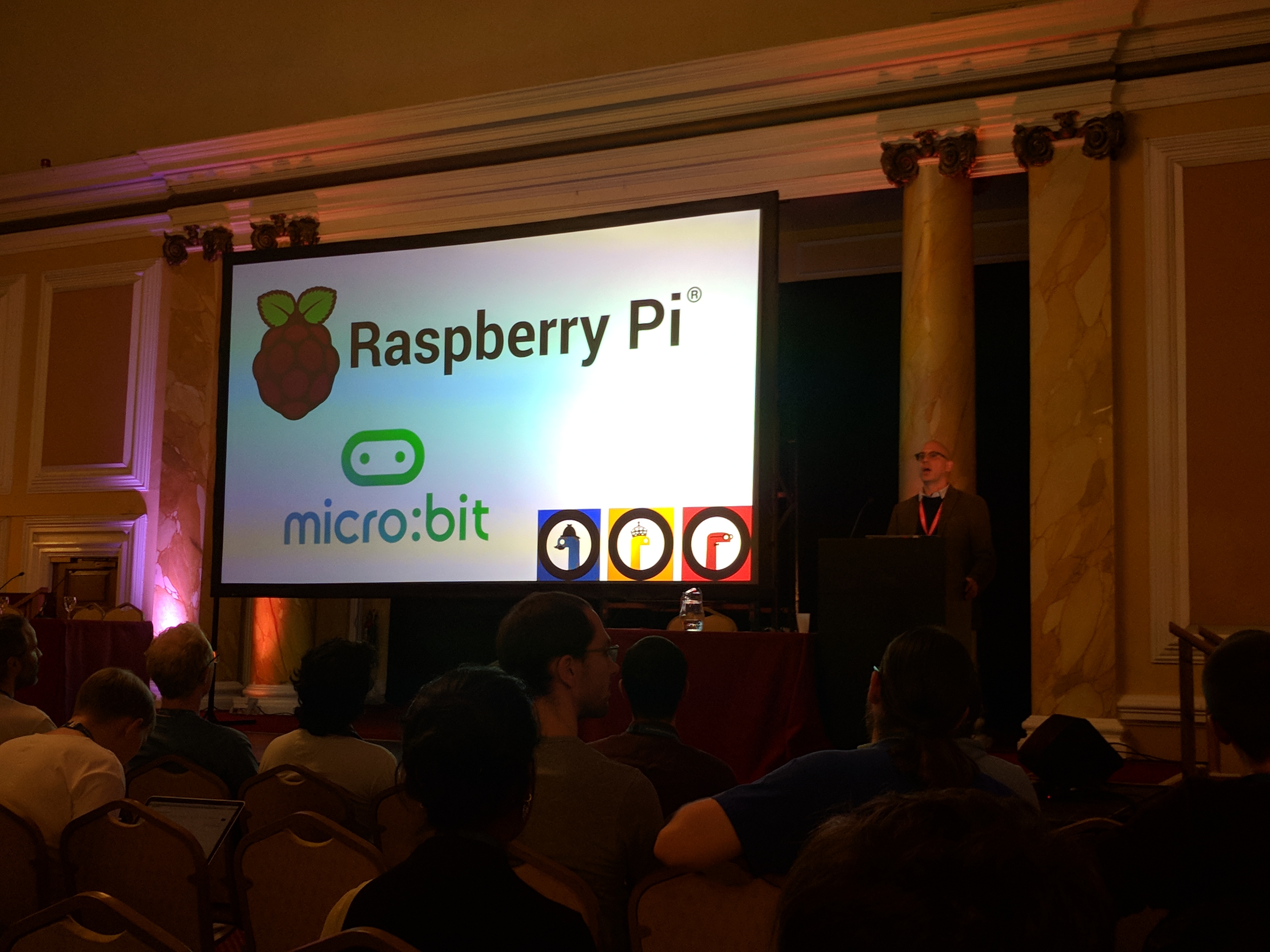
On Saturday we’ll be running a CoderDojo full of workshops on Raspberry Pi and micro:bits for young people aged 7 to 17. If they wish, participants will get to make a project and present it to the conference on the main stage, and everyone will be given a free micro:bit to take home!

Kids’ tickets at just £6 will be available here soon.

Kids on a stage at PyCon UK

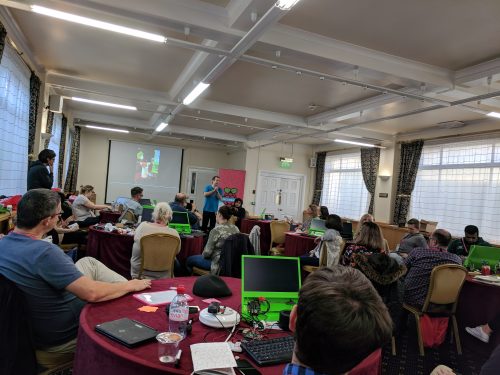
Kids presenting their projects to the conference

Sunday — educators’ day

PyCon UK has been bringing developers and educators together ever since it first started its education track in 2011. This year’s Sunday will be a day of professional development: we’ll give teachers, educators, parents, and coding club leaders the chance to learn from us and from each other to build their programming, computing, and digital making skills.

Educator workshop at PyCon UK

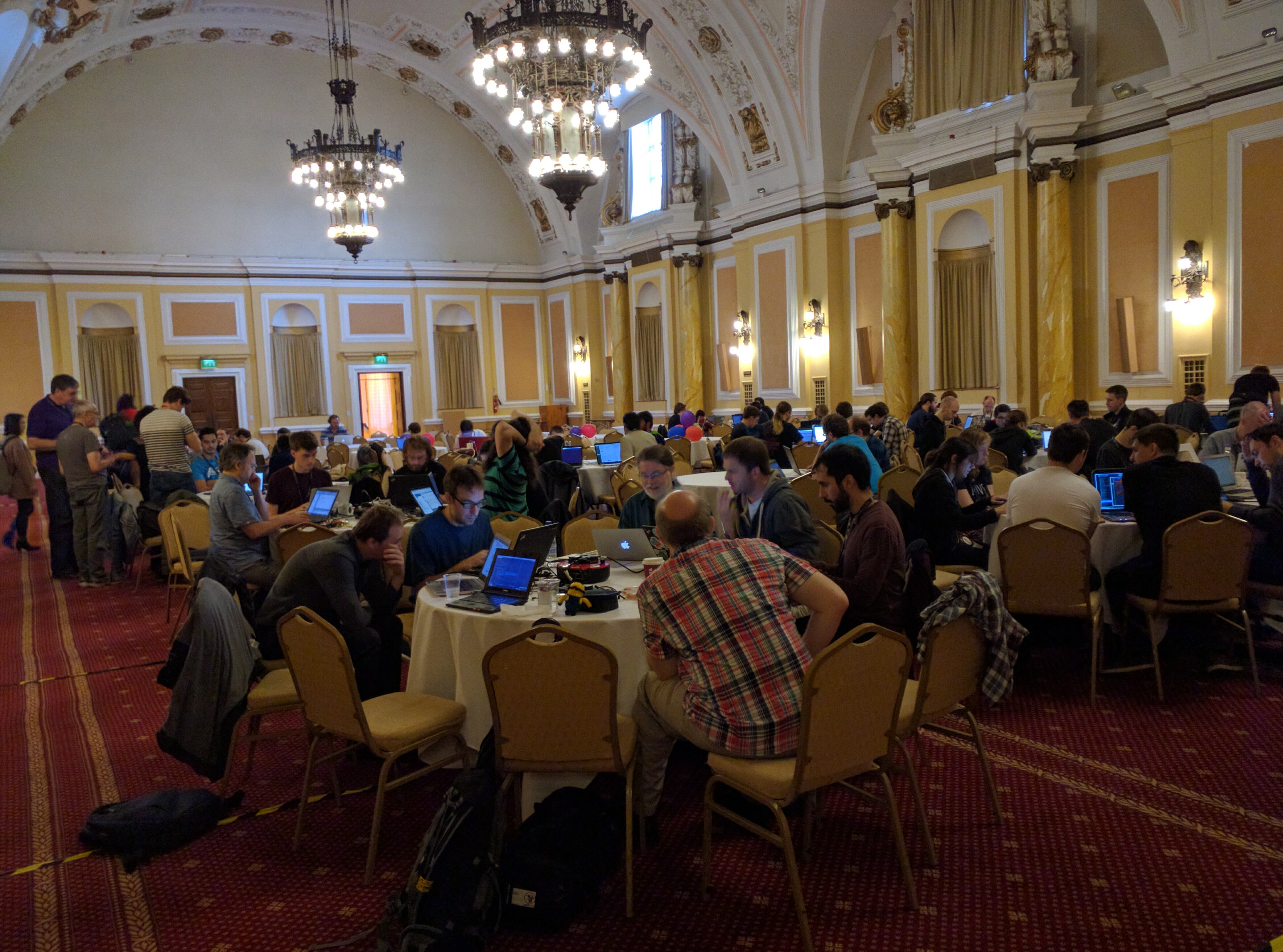
Professional development for educators

Educators get a special entrance rate for the conference, starting at £48 — get your tickets now. Financial assistance is also available.

Call for proposals

We invite you to send in your proposal for a talk and workshop at the Education Summit! We’re looking for:

  • 25-minute talks for the educators’ day
  • 50-minute workshops for either the young coders’ or the educators’ day

If you have something you’d like to share, such as a professional development session for educators, advice on best practice for teaching programming, a workshop for up-skilling in Python, or a fun physical computing activity for the CoderDojo, then we’d love to hear about it! Please submit your proposal by 15 June.

After the Education Summit, the conference will continue for two days of talks and a final day of development sprints. Feel free to submit your education-related talk to the main conference too if you want to share it with a wider audience! Check out the PyCon UK 2018 website for more information.