https://www.psychologytoday.com/ca/blog/what-mentally-strong-people-dont-do/202001/top-10-fears-hold-people-back-in-life

Top 10 Fears that Hold People Back in Life

Acknowledging your fears and facing them head-on is key to reaching your goals.

Posted Jan 28, 2020

 

Adobe Stock
Source: Adobe Stock

Whether your fears involve your relationship, career, death, or discomfort, staying inside your comfort zone will ensure you live a small life.

In fact, as a therapist, I see a lot of people work so hard to prevent themselves from ever feeling anxious that they actually develop depression. Their efforts to keep themselves comfortable inadvertently backfire. They live boring, safe lives that are void of the risk and excitement they need to feel fully alive.

Here are the top 10 fears that hold people back in life:

1. Change

We live in an ever-changing world, and change happens more rapidly than ever before. Despite this fact, however, there are many people who fear change, so they resist it.

This can cause you to miss out on many promising opportunities that come your way. You run the risk of being stagnant and staying stuck in a rut when you avoid change.

2. Loneliness

The fear of loneliness can sometimes cause people to resist living alone or even to stay in bad relationships. Or the fear of loneliness can cause people to obsessively use social media to the extent that they miss out on making face-to-face connections.

And while it’s smart to ward off loneliness (studies show it’s just as harmful to your health as smoking), it’s important to surround yourself with healthy people and healthy social interactions.

3. Failure

One of the most common fears on earth is the fear of failure. It’s embarrassing to fail. And it may reinforce your beliefs that you don’t measure up.

You also might avoid doing anything where success isn’t guaranteed. Ultimately, you’ll miss out on all the life lessons and opportunities that might help you find success.

4. Rejection

Many people avoid things like meeting new people or trying to enter into a new relationship because of the fear of rejection. Even individuals who are already married sometimes avoid asking their long-time spouse for something, imagining that the person will say no.

Whether you’re scared to ask that attractive person out on a date or to ask your boss for a raise, the fear of rejection could keep you stuck. And while rejection stings, it doesn’t hurt as much as a missed opportunity.

5. Uncertainty

People often avoid trying something different for fear of uncertainty. After all, there’s no guarantee that doing something new will make life better.

But staying the same is one surefire way to stay stagnant. Whether you’re afraid to accept a new job or afraid to move to a new city, don’t let the fear of uncertainty hold you back.

6. Something Bad Happening

It is an unfortunate and inevitable fact that bad things will happen in life. And sometimes, the fear of doom prevents people from enjoying life.

You can’t prevent bad things from happening all the time. But don’t let that fear stop you from living a rich, full life that’s also full of good things.

7. Getting Hurt

Hopefully, your parents or a trusted adult taught you to look both ways before you cross the street so that you won’t get hurt. But quite often, our fears of getting hurt cause us to become emotionally overprotective of ourselves.

Your fear of uncomfortable feelings and emotional wounds might prevent you from making deep, meaningful connections. Or it might stop you from being vulnerable at work. But without emotional risk, there aren’t any rewards.

8. Being Judged

It’s normal to want to be liked. But the fear of being judged can prevent you from being your true self.

The truth is, some people will judge you harshly no matter what. But trusting that you’re mentally strong enough to live according to your values is key to living your best life.

9. Inadequacy

Another fear shared by many people is the feeling of not being good enough. If you feel like you don’t measure up, you might become an underachiever. Or you might become a perfectionist in an effort to try and prove your worth.

The fear of inadequacy can be deep-rooted. And while it’s hard to face it head-on, you’ll never succeed until you feel worthy of your success.

10. Loss of Freedom

A certain amount of this fear can be healthy, but it becomes a problem when it holds you back in life. For many people, the fear of the loss of freedom becomes a self-fulfilling prophecy.

For example, someone who wants to live a free life might avoid getting a job with a steady income. Consequently, they might miss out on the freedom that comes with financial stability. So it’s important to consider what you’re giving up when you fear to lose certain freedoms.

Build Your Mental Muscle

Fortunately, you don’t have to let your fears keep you stuck. You can face your fears head-on, one small step at a time.

Facing your fears builds mental muscle. And the more mental muscle you have, the easier it is to face your fears.

So get proactive about doing the things that scare you and building the mental strength you need to live your best life.

About the Author

https://venturebeat.com/2020/01/29/google-assistant-siri-alexa-bixby-cortana/

Why Google Assistant supports so many more languages than Siri, Alexa, Bixby, and Cortana

Assistant language support

Image Credit: Kyle Wiggers / VentureBeat

Google Assistant, Apple’s Siri, Amazon’s Alexa, and Microsoft’s Cortana recognize only a narrow slice of the world’s most widely spoken languages. It wasn’t until fall 2018 that Samsung’s Bixby gained support for German, French, Italian, and Spanish — languages spoken by over 600 million people worldwide. And it took years for Cortana to become fluent in Spanish, French, and Portuguese.

But Google — which was already ahead of the competition a year ago with respect to the number of languages its assistant supported — pulled far ahead this year. With the addition of more than 20 new languages in January 2019, and more recently several Indic languages, Google Assistant cemented its lead with over 40 languages in well over 80 countries, up from eight languages and 14 countries in 2017. (Despite repeated requests, Google would not provide an exact number of languages for Google Assistant.) That’s compared with Siri’s 21 supported languages, Alexa’s and Bixby’s seven languages, and Cortana’s eight languages.

So why has Google Assistant pulled so far ahead? Naturally, some of the techniques underpinning Google’s natural language processing (NLP) remain closely guarded trade secrets. But the Mountain View company’s publicly available research sheds some — albeit not much — light on why rivals like Amazon and Apple have yet to match its linguistic prowess.

Supporting a new language is hard

Adding language support to a voice assistant is a multi-pronged process that requires considerable research into speech recognition and voice synthesis.

Most modern speech recognition systems incorporate deep neural networks that predict the phonemes, or perceptually distinct units of sound (for example, p, b, and d in the English words pad, pat, and bad). Unlike older techniques, which relied on hand-tuned statistical models that calculated probabilities for combinations of words to occur in a phrase, neural nets derive characters from representations of audio frequencies called mel-scale spectrograms. This reduces error rates while partially eliminating the need for human supervision.

Speech recognition has advanced significantly, particularly in the past year or so. In a paper, Google researchers detailed techniques that employ spelling correction to reduce errors by 29%, and in another study they applied AI to sound wave visuals to achieve state-of-the-art recognition performance without the use of a language model.

Parallel efforts include SpecAugment, which achieves impressively low word error rates by applying visual analysis data augmentation to mel-scale spectrograms. In production, devices like the Pixel 4 and Pixel 4 XL (in the U.S., U.K., Canada, Ireland, Singapore, and Australia) feature an improved Google Assistant English language model that works offline and processes speech at “nearly zero” latency, delivering answers up to 10 times faster than on previous-generation devices.

Of course, baseline language understanding isn’t enough. Without localization, voice assistants can’t pick up on cultural idiosyncrasies, or worse they run the risk of misappropriation. It takes an estimated 30 to 90 days to build a query-understanding module for a new language, depending on how many intents it needs to cover. And even market-leading smart speakers from the likes of Google and Amazon have trouble understanding certain accents.

Google’s increasingly creative approaches promise to close the gap, however. In September, scientists at the company proposed a speech parser that learns to transcribe multiple languages while at the same time demonstrating “dramatic” improvements in quality, and in October they detailed a “universal” machine translation system trained on over 25 billion samples that’s capable of handling 103 languages.

This work no doubt informed Google Assistant’s multilingual mode, which, like Alexa’s multilingual mode, recognizes up to two languages simultaneously.

Speech synthesis

Generating speech is just as challenging as comprehension, if not more so.

While cutting-edge text to speech (TTS) systems like Google’s Tacotron 2 (which builds voice synthesis models based on spectrograms) and WaveNet 2 (which builds models based on waveforms) learn languages more or less from speech alone, conventional systems tap a database of phones — distinct speech sounds or gestures — strung together to verbalize words. Concatenation, as it’s called, requires capturing the complementary diphones (units of speech comprising two connected halves of phones) and triphones (phones with half of a preceding phone at the beginning and a succeeding phone at the end) in lengthy recording sessions. The number of speech units can easily exceed a thousand.

Another technique — parametric TTS — taps mathematical models to recreate sounds that are then assembled into words and sentences. The data required to generate those sounds is stored in the parameters (variables), and the speech itself is created using a vocoder, which is a voice codec (a coder-decoder) that analyzes and synthesizes the output signals.

Still, TTS is an easier problem to tackle than language comprehension — particularly with deep neural networks like WaveNet 2 at speech engineers’ disposal. Translatotron, which was demoed last May, can translate a person’s voice into another language while retaining their tone and tenor. And in August, Google AI researchers showed that they could drastically improve the quality of speech synthesis and generation using audio data sets from both native and non-native English speakers with neurodegenerative diseases and techniques from Parrotron, an AI tool for people with impediments.

In a related development, in a pair of papers Google researchers recently revealed ways to make machine-generated speech sound more natural. In a study coauthored by Tacotron co-creator Yuxuan Wang, transfer of things like stress level were achieved by embedding style from a recorded clip of human speech. As for the method described in the second paper, it identified vocal patterns to imitate speech styles like those resulting from anger and tiredness.

How language support might improve in the future

Clearly, Google Assistant has progressed furthest on the assistant language front. So what might it take to get others on the same footing?

Improving assistants’ language support will likely require innovations in speech recognition, as well as NLP. With a “true” neural network stack — one that doesn’t rely heavily on language libraries, keywords, or dictionaries — the emphasis shifts from grammar structures to word embeddings and the relational patterns within word embeddings. Then it becomes possible to train a voice recognition system on virtually any language.

Amazon appears to be progressing toward this with Alexa. Researchers at the company managed to cut down on recognition flubs by 20% to 22% using methods that combined human and machine data labeling, and by a further 15% using a novel noise-isolating AI and machine learning technique. Separately, they proposed an approach involving “teaching” language models new tongues by adapting those trained on one language to others, in the process reducing the data requirement for new languages by up to 50%.

Separately, on the TTS side of the equation, Amazon recently rolled out neural TTS tech in Alexa that improves speech quality by increasing naturalness and expressiveness. Not to be outdone, the latest version of Apple’s iOS mobile operating system, iOS 13, introduces a WaveNet-like TTS technology that makes synthesized voices sound more natural. And last December Microsoft demoed a system — FastSpeech — that speeds up realistic voice generation by eliminating errors like word skipping.

Separately, Microsoft recently open-sourced a version of Google’s popular BERT model that enables developers to deploy BERT at scale. This arrived after researchers at the Seattle company created an AI model — a Multi-Task Deep Neural Network (MT-DNN) — that incorporates BERT to achieve state-of-the-art results, and after a team of applied scientists at Microsoft proposed a baseline-besting architecture for language generation tasks.

Undoubtedly, Google, Apple, Microsoft, Amazon, Samsung, and others are already using techniques beyond those described above to bring new languages to their respective voice assistants. But some had a head start, and others have to contend with legacy systems. That’s why they’ll need more time before they’re all speaking the same languages.

https://physicsworld.com/a/innovation-lights-up-photonics/

Innovation lights up photonics

28 Jan 2020 Sponsored by Photonics West exhibitors

This year’s Photonics West and BIOS events will bring together scientists, entrepreneurs and big business to discuss the trends that will drive the future of the optics industry

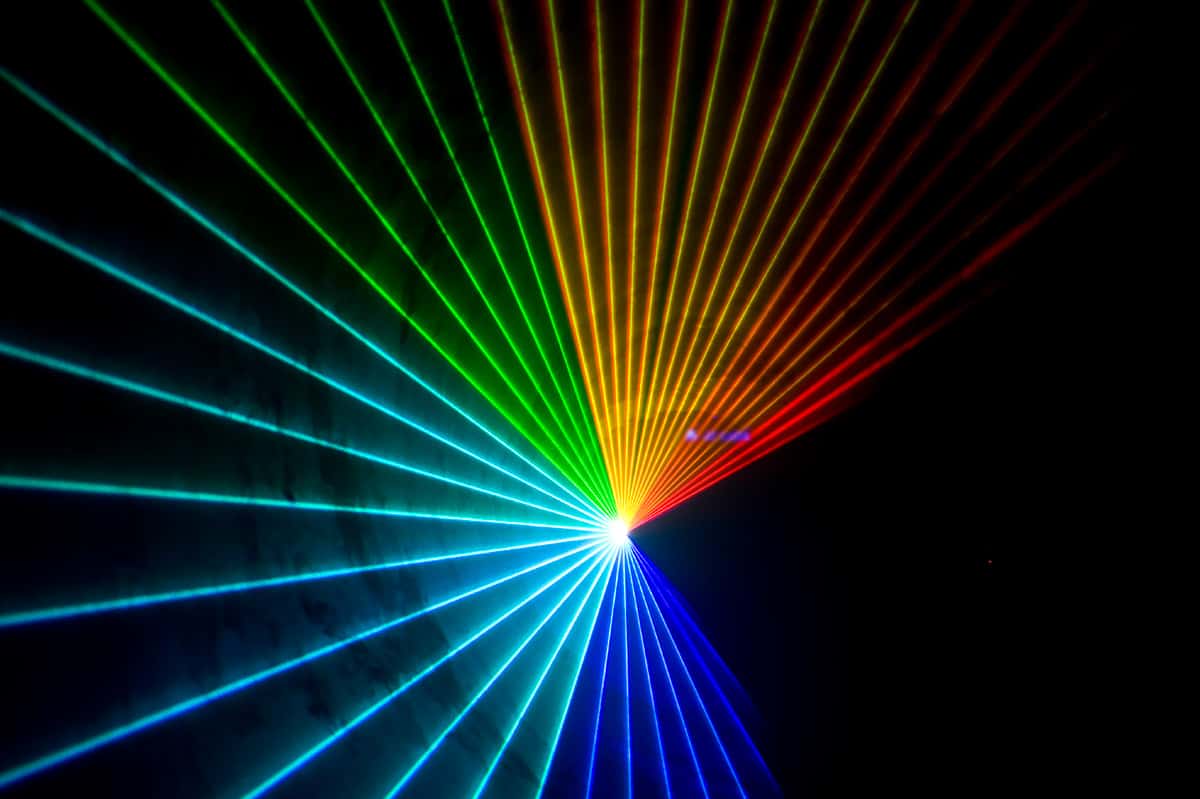
Photo of lasers, which are the theme of Photonics West and Bios events in February 2020
Shine on: Optics and lasers are the theme of the Photonics West and Bios events in San Fransisco (Courtesy: iStock_yuyanga)

Some 20,000 optical scientists and engineers will be converging in San Francisco at the beginning of February for SPIE’s flagship Photonics West and BIOS events. Delegates will be spoilt for choice, with three international conferences presenting more than 5200 technical papers, and two world-class exhibits featuring the latest products from around 1400 international companies.

Each of the conferences will headlined by impressive plenary speakers, including Nobel-prize winner Eric Betzig, David Payne from the Optoelectronics Research Centre at Southampton University, and Google’s Trond Wuellner – who promises to share his vision for the future of computing. A parallel programme for entrepreneurs and investors will feature the popular Startup Challenge, in which early-stage companies compete to win funding from some of the largest companies in the photonics industry.

Many of the exhibitors on the show floor will be launching their latest product innovations, some of which are highlighted below.

TOPTICA takes optical frequency measurement to the 21st significant digit

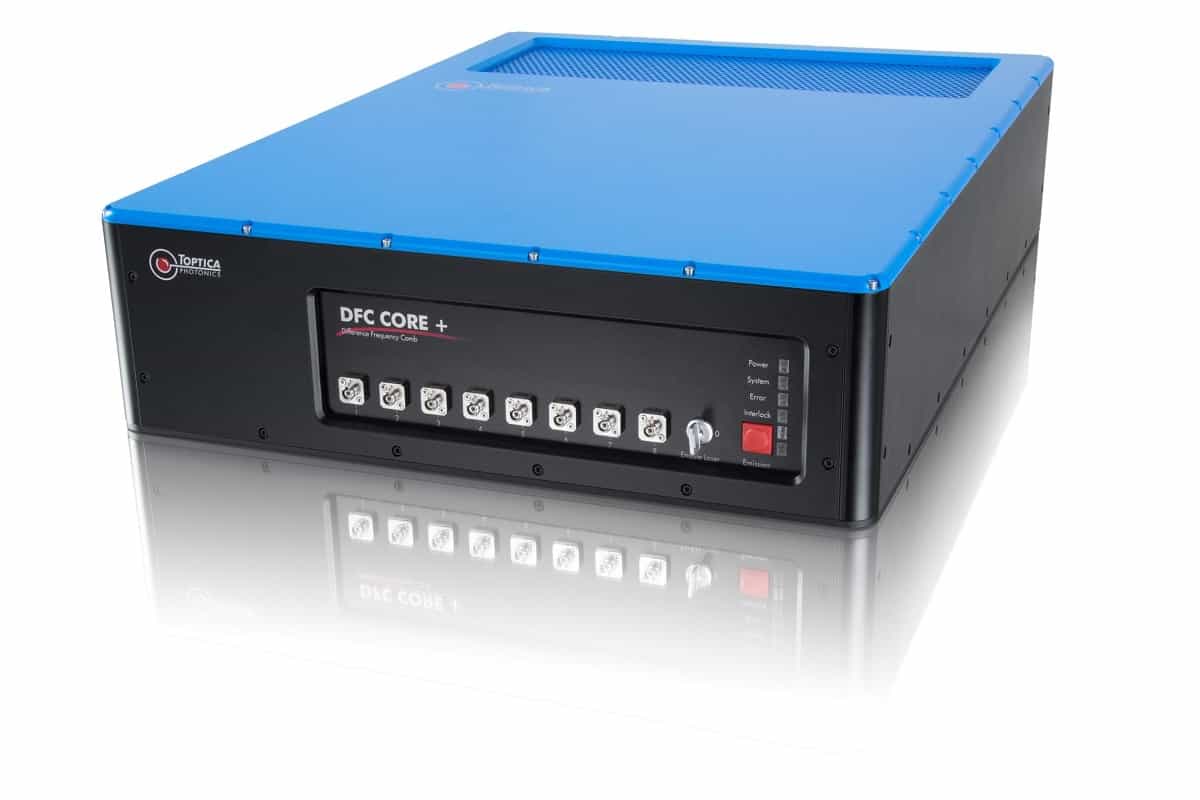
DFC Core+

TOPTICA’s frequency comb DFC CORE+ has demonstrated world-record stability in a joint research project with the Physikalisch-Technische Bundesanstalt (PTB) in Braunschweig, Germany. The frequency comb is designed for use in atomic clocks, which rely on probing optical transitions in cold atoms with very stable and narrow-linewidth laser light. The probed atoms provide the long-term stability and accuracy of the clock, but the most stable lasers have a different wavelength from the best atomic references. Frequency combs are used to transfer the stability from the wavelength of the narrow-linewidth laser to the wavelength of the cold-atom transition.

Tests by PTB and TOPTICA researchers have demonstrated the DFC CORE+ can achieve a stability transfer at a record level of 10–21 over an averaging time of 105 s. This was achieved by suppressing the influence of optical path-length fluctuations through a combination of active phase-stabilization and common-path propagation, a scheme that is technically simple and robust against environmental changes. The frequency ratio was measured with an accuracy of 9.4×10²², equivalent to the 21st significant digit.

The advance paves the way not only for further improvements in atomic clocks, but also more sensitive gravitational wave detectors.

The DFC CORE+ will be displayed at BiOS at Booth #3209 and Photonics West at Booth #8209. An open access article describing the research is available for download, while more information about TOPTICA’s frequency combs can be found on the company’s website.

Motion systems deliver speed and precision

PI

PI will be showcasing the latest generation of its gantry systems and motion subsystems for automated high-speed photonics alignment and laser processing applications.

The company’s Silicon Photonics Alignment product line addresses the requirement of aligning multiple optical paths with multiple interacting inputs and outputs, each of which requires optimization. The automated alignment engines include between three and twelve-axis mechanisms, controllers with firmware-based alignment algorithms, and the software tools needed to achieve the accuracy for markets such as packing, planar testing, and inspection.

Hexapod six-axis parallel positioning systems are instrumental to fast alignment for silicon photonics due to their lower inertia, improved dynamics, and smaller package size, as well as higher stiffness and programmable pivot point. Fast, linear-motor-driven systems that exploit industrial motion controllers will also be shown.

Learn more about PI’s motion systems at Booth #4857, or visit the company’s Photonics West preview page.

Tunable mid-IR laser combines speed with performance

MirCatQT

DRS Daylight Solutions, a leading supplier of mid-infrared quantum-cascade lasers, will be featuring the MIRcat-QT, its flagship broadly tunable laser. Now incorporating the company’s proprietary ZeroPoint technology, the laser provides improved beam pointing accuracy and stability for applications such as nanoscale imaging, point-scanning microscopy, photothermal and photoacoustic imaging, stand-off detection, and single-mode fiber-optic coupling.

The MIRcat-QT offers tuning ranges approaching 1000 cm1 with wavelength coverage options spanning 3 µm to more than 13 µm. The system’s flexible, modular design allows factory configuration of up to four pulsed or continuous-wave/pulsed modules, plus the option to add or upgrade modules later.

Modules are available that can deliver output peak powers up to 1 W and/or average output power up to 0.5 W. Peak tuning speeds exceed 30,000 cm1/s, while a high-precision tuning mechanism provides wavelength repeatability of less than 0.1 cm1.  MIRcat’s TEM00 output beam quality enables high-efficiency fibre coupling, and the new ZeroPoint technology ensures this high efficiency is maintained across the entire tuning range.

To find out more about the MIRcat-QT system, visit DRS Daylight Solutions at Booth #2327


Software speeds up the design of laser-based optical systems

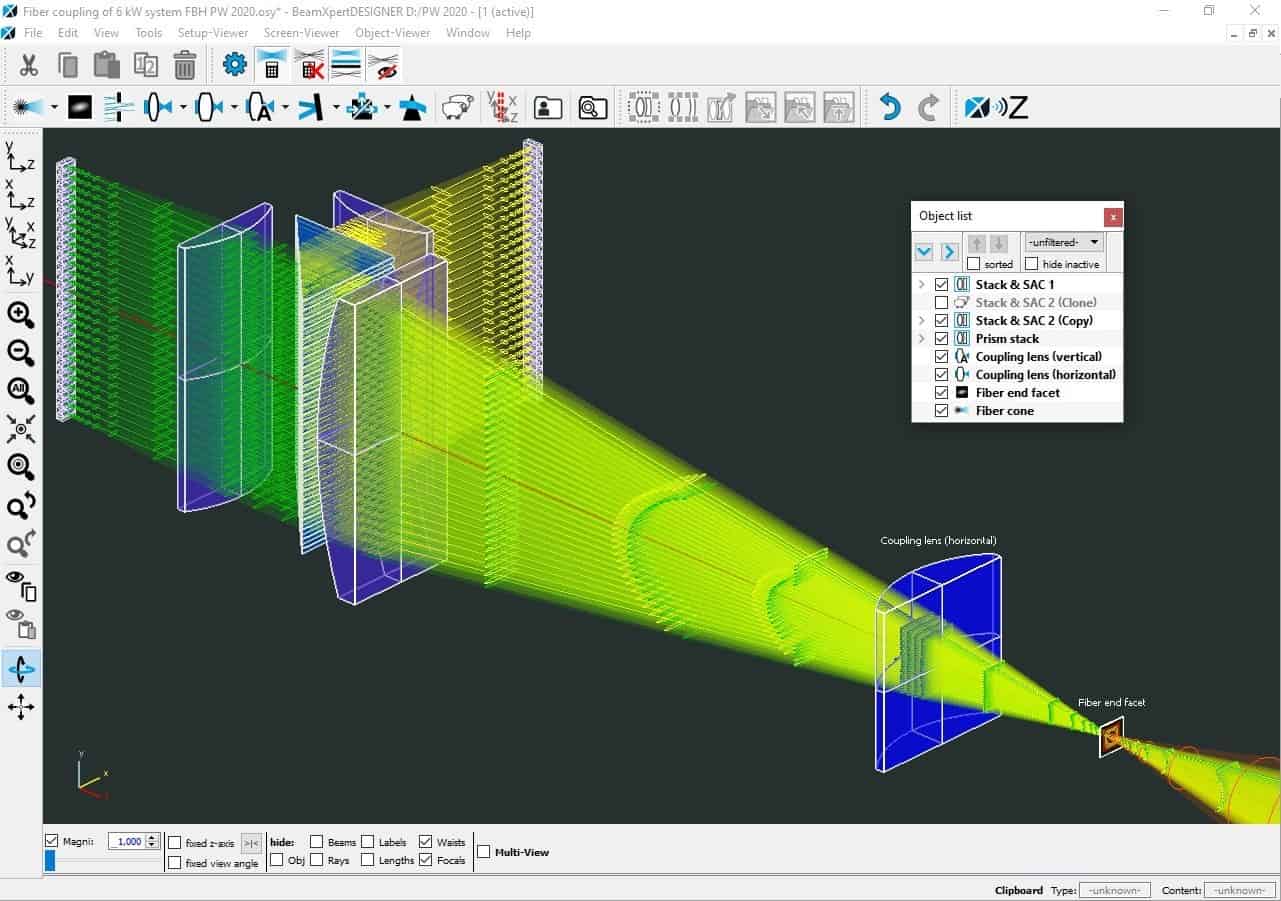
BeamXpert

BeamXpert, a spin-off from the Ferdinand-Braun-Institut, Leibniz-Institut für Höchstfrequenztechnik (FBH), will be introducing its software BeamXpertDESIGNER at this year’s Photonics West.

BeamXpertDESIGNER allows laser users and developers to design optical systems based on laser radiation. It combines two simulation models that together offer real-time calculations and sufficient accuracy for most practical design tasks.

An extremely fast first-simulation algorithm enables real-time prediction of beam-propagation parameters such as the beam diameter and position, along with Rayleigh lengths, divergence angles and other properties defined in the ISO standards for lasers. The second model determines the aberrations that may degrade the beam quality, helping the user to choose the most appropriate optical components for the system.

BeamXpertDESIGNER is supplied with a lifetime license that includes support and updates during the first year. The software is quick and intuitive to learn, and is delivered with more than 16,000 components, a comprehensive glass library, and compatibility with ZEMAX formats.

Visit BeamXpert at Booth #4545-18 on the German Pavilion to test the software for yourself.

DPSS lasers for high-precision applications

UniKLasersScottish laser manufacturer UniKLasers will be showcasing an expanding range of single-frequency diode-pumped solid-state (DPSS) lasers for high-performance applications such as metrology, spectroscopy, holography, quantum sensing and optical trapping.

The company will be presenting its second-generation Solo 640 series of lasers, which deliver impressive output powers of up to 1000 mW. Customer-focused specification enhancements include advanced remote-control operation and extended power and wavelength stability, enabling more than eight hours of non-stop operation.

Meanwhile, the Solo 780.24, Solo 689.4 and Solo 698.4 lasers have been designed for quantum applications such as cold atom interferometry, gravimetry and atomic clocks. UniKLasers is a member of the Pioneer Gravity consortium, which is currently developing a commercial quantum gravitometer. This is the company’s fourth quantum project to be sponsored by Innovate UK, in which UniKLasers is focusing on the development of higher power lasers and new quantum wavelengths.  The next anticipated release will be the Solo 813, the “magic wavelength” laser for use in strontium lattice clocks.

To find out more, visit UnikLasers at the UK Pavilion at Booth #5053. On Tuesday 4 February the company will present a spectral performance analysis of DPSS and ECD single-frequency lasers at the LASE & BiOS poster session, and will also provide an update on its high-power red at the Holography Technical event.

An Italian approach to CO2 lasers

The Blade-Self-Refilling laser

The Italian laser manufacturer El.En. is a pioneer in the development of rechargeable CO2 laser sources. Unlike conventional CO2 lasers, the company’s Blade Self-Refilling lasers are equipped with a special slot in which to insert the CO2 gas-mix cylinder, allowing an operator to easily replace the cylinder and regenerate the laser source in just a few seconds – which ensures that the laser is always working at its full potential.

The laser sources in the Blade Self-Refilling series also have one of the highest energy efficiency in their category. Power options range from 350 to 1200 W, with all versions except the most powerful supplied in the same form factor to simplify the engineering of different models with different power solutions.

Alongside its portfolio of laser sources, El.En. also supplies a series of high-performance laser-scanning heads. These include the Gioscan series of galvo motors that offer the fast acceleration needed to provide an immediate and precise response in all beam steering applications. As an independent producer that builds all of its products in-house, El.En. offers full technical assistance as well as the ability to build customized solutions for specific applications.

https://elemental.medium.com/social-media-is-messing-with-our-memories-fae0c14c6b0d

Social Media Is Messing With Our Memories

Research indicates smartphones, in particular, may impact what people remember down the line

Angela Lashbrook

Jan 29 · 6 min read

Illustration: Andrea Manzati

There is a growing body of research that indicates that technology, and particularly smartphones, may affect what moments will be encoded into our memories.

Our memory could end up impoverished as a result, says Henkel. Not that our memory processes themselves become weaker, but rather, that we have less to remember in the first place.

I remember, when I was fourteen years old, spending a few weeks at my aunt’s house in Humboldt County, CA, where my evenings were consumed by hours spent chatting with friends on AOL Instant Messenger. Some of those friendships would go on to become meaningful, defining aspects of my time spent in high school, while others faded away, united by little more than time zones and a similar taste in music.

But there is one thing all these online conversations had in common: I remember almost none of them.

I have no idea what we talked about. I scarcely remember anyone’s screen names, or even my own. What I do remember about that trip to Humboldt County was hanging out and laughing with my cousin, going out to the family’s favorite Mexican restaurant, hiking in the redwoods, and the evenings I spent offline, making collages from old magazines on my cousin’s bedroom floor.

Those forgotten IM nights may be an inkling of what is to come for the memories of millennials, Generation Z, and others younger than that, all raised essentially online and on their phones. For a number of reasons, researchers hypothesize, the time we spend interacting with technology and social media may be affecting how, and what, we remember.

It’s difficult to say with absolute certainty just how much technology will impact people’s memories in the long term; after all, the internet is only 29 years old. Its widespread adoption in the form of smartphones and social media is even younger, and historically speaking, the change it’s wrought upon society is unique.

But there is a growing body of research that indicates that technology, and particularly smartphones, may affect what moments will be encoded into our memories and what, years later, even a photo or a social media post won’t be able to resurface.


“If you’re not paying attention to it, you’re not going to be able to remember it. You’re not going to be able to encode that memory if you never actually have the experience,” says Adrian Ward, an assistant professor of marketing at the University of Texas, Austin who has studied how technology affects attention and memory. “So things that you do in that moment that take you out of that experience will certainly prevent your ability to form that memory just because you’re not noticing it.”

In a 2013 landmark study, researchers had students go to a museum. One group of students was given cameras and instructed to photograph the art they looked at, while the other was instructed to merely observe the art. The group that photographed the art remembered less about the objects they photographed and the objects’ locations in the museum than those who had been told to just look. (Though the study participants used digital cameras, it’s likely that smartphone cameras would have the same impact.)

However, when the participants with the cameras zoomed in on the art (for example, if they took a photograph of the little dog in a painting instead of the entire painting), they retained better memories of the entire artwork compared to when they photographed the whole thing. The study author, Linda Henkel, theorized that the increased attention paid to the art of which students took zoomed-in photos helped strengthen their memories of the rest of the artwork. But when students took photographs of the entire object, they subconsciously depended upon the camera to “remember” it for them.

Henkel, a psychology professor at Fairfield University in Connecticut, dubbed this the “photo-taking impairment effect” — the act of photographing diverts the attention of the photographer, as well as acts like an external memory bank. The camera distracts you from your surroundings and acts as a sort of memory crutch, training you not to remember things on your own because you have the camera to rely on remembering it for you.

Another study from 2018 went even further. The researchers wanted to know if the inability to save the photos made a difference in participants’ memories. Initially, the researchers speculated that making the photos inaccessible, either by requiring that participants delete them or having them post the photos to Snapchat (which deletes photos automatically after 24 hours) would eliminate the photo-impairment effect, since the participants wouldn’t be able to rely upon the photos later to remember what they saw.

But to their surprise, the researchers found that any condition in which participants took photos, regardless of whether they’d have access to them later or not, impacted their ability to remember what they’d seen. This, the researchers theorized, meant that it was the act of photography itself that caused participants not to pay attention to what they were looking at.

Taking photos can also impact the accuracy of memories, and even make people think they experienced things they didn’t. Henkel told me about an experiment from the Harvard memory researcher Daniel Schacter, in which he challenges Alan Alda, host of the PBS show Scientific American Frontiers, to remember what happens at a picnic. First, Alda and Schacter watch two people having a picnic. Two days later, Schacter shows Alda a series of photographs of the picnic (some of which depicted picnic scenes that Alda had not actually witnessed), then quizzes him on the presence of certain items.

Alda misremembered what he’d seen at the picnic, thinking he’d seen one picnic-goer filing her nails when that had only been in a photograph and he hadn’t actually seen it happen.

“The act of looking at photos actively shapes our memories,” says Henkel. “[Photos] are not reality; they are revisions of reality. And photos are only one interpretation of reality.”

Those who chronically Instagram vacations or nights out might be especially prone to this effect. A group vacation photo post with an image of a landmark your travel partners had visited while you chilled at the hotel may cause you to think you’d actually been there when you hadn’t. And a picture of you and your friends at dinner in which your close friend was in the restroom at the time the photo was taken might lead you to forget, when you revisit the post a couple years later, that she had attended the dinner.


Things get even hairier when you take a photo with the intent to post it online. 2018 research published in the Journal of Consumer Research found that taking a picture for social media takes away from your enjoyment of the experience because you’re more focused on how someone is going to react to your picture than you are on your surroundings.

Focusing on the digital world rather than the real world can also have an impact on memory, says Henkel, because your attention is diverted away from the physical world, with its tangible, memory-sparking smells, sounds, and sights, and toward a distant, imaginary audience devoid of these “context cues” that help you remember.

“The things that tend to lead to detailed, long-term memories are rich in sensory perceptual cues, contextual cues, affective responses, what your thoughts were, how you reacted, the feelings that they made,” says Henkel. “The digital version of that is often lacking the richness of the [real world]. When this generation of teenagers is 50 years old and you ask them, ‘tell me about some really important things or memorable things from your teen years,’ they’re probably not going to say, oh, that time my friend posted a picture and I laughed at it.’”

Our memory could end up impoverished as a result, says Henkel. Not that our memory processes themselves become weaker, but, rather, that we have less to remember in the first place.


But it’s not all bad, according to Judith Danovitch, an associate professor of psychological and brain sciences at the University of Louisville in Kentucky. While heavy internet use may encourage people to depend on the internet for information rather than retaining that information in their own brains, “by ‘freeing up’ this cognitive space, we might become better at synthesizing information or thinking creatively, which might also have benefits for long-term memory,” she says.

And there are things you can do to help protect your memory that don’t include swearing off your smartphone forever. Photos will spark your memory much better, says Henkel, if a small number of them are curated into an album. This more manageable collection of photos will increase the chances you’ll engage with them on a meaningful basis later on; well-chosen photos will spark further memories of an event that, without that photo, you may have forgotten.

Elemental

Your life, sourced by science. A new Medium publication about health and wellness.

https://www.nature.com/articles/s41586-020-1962-0

Cell stress in cortical organoids impairs molecular subtype specification

Abstract

Cortical organoids are self-organizing three-dimensional cultures that model features of the developing human cerebral cortex1,2. However, the fidelity of organoid models remains unclear3,4,5. Here we analyse the transcriptomes of individual primary human cortical cells from different developmental periods and cortical areas. We find that cortical development is characterized by progenitor maturation trajectories, the emergence of diverse cell subtypes and areal specification of newborn neurons. By contrast, organoids contain broad cell classes, but do not recapitulate distinct cellular subtype identities and appropriate progenitor maturation. Although the molecular signatures of cortical areas emerge in organoid neurons, they are not spatially segregated. Organoids also ectopically activate cellular stress pathways, which impairs cell-type specification. However, organoid stress and subtype defects are alleviated by transplantation into the mouse cortex. Together, these datasets and analytical tools provide a framework for evaluating and improving the accuracy of cortical organoids as models of human brain development.

Data availability

Single-cell RNA sequencing data have been deposited in dbGAP for accession ‘A cellular resolution census of the developing human brain’ and in GSE132672. An interactive browser of single-cell data and raw and processed count matrices can be found at the UCSC cell browser website: https://organoidreportcard.cells.ucsc.edu. Source Data for Figs. 15 and Extended Data Figs. 114 are available online. Remaining source data can be retrieved directly from the single-cell data available in public repositories or from the UCSC cell browser website.

References

  1. 1.

    Kadoshima, T. et al. Self-organization of axial polarity, inside-out layer pattern, and species-specific progenitor dynamics in human ES cell-derived neocortex. Proc. Natl Acad. Sci. USA 110, 20284–20289 (2013).

  2. 2.

    Lancaster, M. A. et al. Cerebral organoids model human brain development and microcephaly. Nature 501, 373–379 (2013).

  3. 3.

    Camp, J. G. et al. Human cerebral organoids recapitulate gene expression programs of fetal neocortex development. Proc. Natl Acad. Sci. USA 112, 15672–15677 (2015).

  4. 4.

    Pollen, A. A. et al. Establishing cerebral organoids as models of human-specific brain evolution. Cell 176, 743–756.e717 (2019).

  5. 5.

    Velasco, S. et al. Individual brain organoids reproducibly form cell diversity of the human cerebral cortex. Nature 570, 523–527 (2019).

  6. 6.

    Camp, J. G. et al. Multilineage communication regulates human liver bud development from pluripotency. Nature 546, 533–538 (2017).

  7. 7.

    Wu, H. et al. Comparative analysis and refinement of human PSC-derived kidney organoid differentiation with single-cell transcriptomics. Cell Stem Cell 23, 869–881.e868 (2018).

  8. 8.

    Sloan, S. A. et al. Human astrocyte maturation captured in 3D cerebral cortical spheroids derived from pluripotent stem cells. Neuron 95, 779–790.e776 (2017).

  9. 9.

    Amiri, A. et al. Transcriptome and epigenome landscape of human cortical development modeled in organoids. Science 362, eaat6720 (2018).

  10. 10.

    Mansour, A. A. et al. An in vivo model of functional and vascularized human brain organoids. Nat. Biotechnol36, 432–441 (2018).

  11. 11.

    Eiraku, M. et al. Self-organized formation of polarized cortical tissues from ESCs and its active manipulation by extrinsic signals. Cell Stem Cell 3, 519–532 (2008).

  12. 12.

    Xiang, Y. et al. Fusion of regionally specified hPSC-derived organoids models human brain development and interneuron migration. Cell Stem Cell 21, 383–398.e387 (2017).

  13. 13.

    Quadrato, G. et al. Cell diversity and network dynamics in photosensitive human brain organoids. Nature 545, 48–53 (2017).

  14. 14.

    Giandomenico, S. L. et al. Cerebral organoids at the air-liquid interface generate diverse nerve tracts with functional output. Nat. Neurosci22, 669–679 (2019).

  15. 15.

    Marton, R. M. et al. Differentiation and maturation of oligodendrocytes in human three-dimensional neural cultures. Nat. Neurosci22, 484–491 (2019).

  16. 16.

    Pașca, A. M. et al. Human 3D cellular model of hypoxic brain injury of prematurity. Nat. Med25, 784–791 (2019).

  17. 17.

    Lui, J. H., Hansen, D. V. & Kriegstein, A. R. Development and evolution of the human neocortex. Cell 146, 18–36 (2011).

  18. 18.

    Götz, M. & Huttner, W. B. The cell biology of neurogenesis. Nat. Rev. Mol. Cell Biol6, 777–788 (2005).

  19. 19.

    Nowakowski, T. J. et al. Spatiotemporal gene expression trajectories reveal developmental hierarchies of the human cortex. Science 358, 1318–1323 (2017).

  20. 20.

    Mayer, C. et al. Developmental diversification of cortical inhibitory interneurons. Nature 555, 457–462 (2018).

  21. 21.

    Pollen, A. A. et al. Molecular identity of human outer radial glia during cortical development. Cell 163, 55–67 (2015).

  22. 22.

    Nowakowski, T. J., Pollen, A. A., Sandoval-Espinosa, C. & Kriegstein, A. R. Transformation of the radial glia scaffold demarcates two stages of human cerebral cortex development. Neuron 91, 1219–1227 (2016).

  23. 23.

    Vaid, S. et al. A novel population of Hopx-dependent basal radial glial cells in the developing mouse neocortex. Development 145, dev169276 (2018).

  24. 24.

    Harrington, A. J. et al. MEF2C regulates cortical inhibitory and excitatory synapses and behaviors relevant to neurodevelopmental disorders. eLife 5, e20059 (2016).

  25. 25.

    Barbosa, A. C. et al. MEF2C, a transcription factor that facilitates learning and memory by negative regulation of synapse numbers and function. Proc. Natl Acad. Sci. USA 105, 9391–9396 (2008).

  26. 26.

    Langfelder, P. & Horvath, S. WGCNA: an R package for weighted correlation network analysis. BMC Bioinformatics 9, 559 (2008).

  27. 27.

    Tasic, B. et al. Shared and distinct transcriptomic cell types across neocortical areas. Nature 563, 72–78 (2018).

  28. 28.

    Saunders, A. et al. Molecular diversity and specializations among the cells of the adult mouse brain. Cell 174, 1015–1030.e1016 (2018).

  29. 29.

    Zeisel, A. et al. Molecular architecture of the mouse nervous system. Cell 174, 999–1014.e1022 (2018).

  30. 30.

    Cadwell, C. R., Bhaduri, A., Mostajo-Radji, M. A., Keefe, M. G. & Nowakowski, T. J. Development and arealization of the cerebral cortex. Neuron 103, 980–1004 (2019).

  31. 31.

    Simi, A. & Studer, M. Developmental genetic programs and activity-dependent mechanisms instruct neocortical area mapping. Curr. Opin. Neurobiol53, 96–102 (2018).

  32. 32.

    Yoshida, A. & Tani, K. Phosphoglycerate kinase abnormalities: functional, structural and genomic aspects. Biomed. Biochim. Acta 42, S263–S267 (1983).

  33. 33.

    Izumi, K. et al. ARCN1 mutations cause a recognizable craniofacial syndrome due to COPI-mediated transport defects. Am. J. Hum. Genet99, 451–459 (2016).

  34. 34.

    Gee, H. Y., Noh, S. H., Tang, B. L., Kim, K. H. & Lee, M. G. Rescue of ΔF508-CFTR trafficking via a GRASP-dependent unconventional secretion pathway. Cell 146, 746–760 (2011).

  35. 35.

    Kim, J. et al. Monomerization and ER relocalization of GRASP is a requisite for unconventional secretion of CFTR. Traffic 17, 733–753 (2016).

  36. 36.

    Laguesse, S. et al. A dynamic unfolded protein response contributes to the control of cortical neurogenesis. Dev. Cell 35, 553–567 (2015).

  37. 37.

    Tseng, K. Y. et al. MANF is essential for neurite extension and neuronal migration in the developing cortex. eNeuro 4, ENEURO.0214-17.2017 (2017).

  38. 38.

    Shekhar, K. et al. Comprehensive classification of retinal bipolar neurons by single-cell transcriptomics. Cell 166, 1308–1323.e1330 (2016).

  39. 39.

    Peng, Y. R. et al. Molecular classification and comparative taxonomics of foveal and peripheral cells in primate retina. Cell 176, 1222–1237.e1222 (2019).

  40. 40.

    Butler, A., Hoffman, P., Smibert, P., Papalexi, E. & Satija, R. Integrating single-cell transcriptomic data across different conditions, technologies, and species. Nat. Biotechnol36, 411–420 (2018).

  41. 41.

    Hoffman, G. E. & Schadt, E. E. variancePartition: interpreting drivers of variation in complex gene expression studies. BMC Bioinformatics 17, 483 (2016).

  42. 42.

    Hodge, R. D. et al. Conserved cell types with divergent features in human versus mouse cortex. Nature 573, 61–68 (2019).

  43. 43.

    Velmeshev, D. et al. Single-cell genomics identifies cell type-specific molecular changes in autism. Science 364, 685–689 (2019).

Download references

Acknowledgements

We thank Q. Bi, S. Wang, W. Walantus, C. Villareal, A. Alvarez-Buylla, C. Kim, O. Meyerson and members of the Kriegstein laboratory for resources, technical help and helpful discussions. This study was supported by NIH award U01MH114825 to A.R.K., and F32NS103266 and K99NS111731 to A.B, as well as by the California Institute for Regenerative Medicine (CIRM) through the CIRM Center of Excellence in Stem Cell Genomics (GC1R-06673-C to A.R.K.).

Author information

A.B., M.G.A., A.A.P., T.J.N. and A.R.K. designed the study and analysis. Experiments were performed by M.G.A., W.M.L., Diane Jung, A.B., D.S., D.A., Dana Jung, G.S. and J.S. Data analysis was performed by A.B., M.G.A. and M.H. The study was supervised by A.B., M.G.A. and A.R.K. This manuscript was prepared by A.B. and M.G.A. with input from all authors.

Correspondence to Arnold R. Kriegstein.

Ethics declarations

Competing interests

The authors declare no competing interests.

Additional information

Peer review information Nature thanks Andrew Adey, Flora Vaccarino and the other, anonymous, reviewer(s) for their contribution to the peer review of this work.

Publisher’s note Springer Nature remains neutral with regard to jurisdictional claims in published maps and institutional affiliations.

Extended data figures and tables

Extended Data Fig. 1 Schematic of human cortex and human organoid development.

a, Schematic of normal brain developmental trajectories queried in this study and their comparison to organoid models. Normal cortical development requires the emergence of a diversity of progenitor cell types from a seemingly uniform neuroepithelium. Through a sequence of cell-type specification and maturation, progenitor cells undergo neurogenesis and gliogenesis to generate the cellular diversity of the cortex. Areal identities are specified during this process and comprise a core property of developing neurons.

Extended Data Fig. 2 Brain and cortical organoid generation protocols.

a, Cortical organoid protocols using different levels of directed differentiation were evaluated using scRNA-seq and immunohistochemistry. Stem cells were expanded on matrigel, dissociated to single cells, and re-aggregated in v-bottom low-adhesion plates. Small molecules were used to promote forebrain induction and after 18 days cells were moved to 6-well plates on an orbital shaker. Organoids were maintained in culture and collected from weeks 3 to 24. b, Protocol schematics for other methods used to differentiate whole brain and cortical organoids, which have published single-cell data. Publicly available data were used for comparative analyses with our collected data.

Extended Data Fig. 3 Comparison of broad cell types across differentiation protocols.

a, Organoids derived from the 13234 induced PSC line underwent the least and directed differentiation protocols, were collected at weeks 5 and 10, and were processed for immunohistochemistry. Organoids from both protocols were stained with SOX2 to mark progenitors, HOPX to identify outer radial glia and TBR2 to label intermediate progenitor cells. Cultures were also stained with CTIP2 to mark deep layer neurons and SATB2 to identify upper layer neurons. At week 5 all progenitor subtypes were present. and by week 10 both deep and upper layer neurons were detected. b, Organoids from the H28126 induced PSC line were differentiated using the least, directed and most directed protocols. All progenitor types marked by SOX2, HOPX and TBR2 and CTIP2+ and SATB2+ neuronal populations were present by week 5. Expression of all markers decreased by week 10. Organoid staining validation of broad cell types was repeated independently three times.

Extended Data Fig. 4 Single-cell comparison of cell types across samples.

at-SNE plots depicting the single-cell analysis of primary cortical cells as coloured by cluster, age of sample and cortical area. Stacked histograms showing composition of each cluster for these metadata properties are also included. bt-SNE plots depicting the single-cell analysis of cortical organoid cells as coloured by cluster, protocol, pluripotent stem cell line (induced PSC or human embryonic stem cell) and age of sample. Stacked histograms showing composition of each cluster for these metadata properties are also included. Source data

Extended Data Fig. 5 Single-cell comparison of cell types across published datasets.

a, Re-analysis of published single-cell sequencing in organoid samples. t-SNE plot is coloured by cell-type designation, and the feature plots depict the same cell populations as presented in Fig. 1bt-SNE plots depicting the single-cell analysis of published organoid cells as coloured by cluster, protocol (including paper of origin) and FOXG1 expression. c, Recapitulation of the heat map in Fig. 2, using published organoid clusters from above and comparing to primary reference dataset from this paper. Quantification of correspondence shows the quantitative correlation from the best match in the heat map for each category of class, state, type and subtype, averaged across all clusters (primary: n = 189,409 cells from five individuals collected independently; published organoid data: n = 109,813 cells from 7 datasets collected independently by different scientific groups; two-sided Welch’s t-test evaluating mean + s.d.; subtype versus type, * P = 0.0193; subtype versus state, ***P = 0.00017). Source data

Extended Data Fig. 6 Single-cell comparison of cell types across published datasets.

a, Re-analysis of published single-cell sequencing5, in which a reproducible cortical organoid protocol was presented. The t-SNE plot is coloured by cell-type designation, and the feature plots depict the same cell populations as presented in Fig. 1b, Recapitulation of the heat map in Fig. 2, using published organoid clusters5 and comparing to the primary reference dataset from this paper. Quantification of correspondence shows the quantitative correlation from the best match in the heat map for each category of class, state, type and subtype, averaged across all clusters (primary: n = 189,409 cells from five individuals collected independently; organoid data5n = 166,241 cells from an independently collected dataset; two-sided Welch’s test was used to evaluate mean + s.d.; subtype versus state ****P = 1.8 × 10−7). c, Pseudoage analysis of published organoids5 mirrors the organoids in this study with low correspondence between pseudoage and actual age. Pseudoage calculation is indicated by the graph line and shading represents the geometric density standard error of the regression. d, Area identity was assigned for all excitatory neurons from ref. 5 and each organoid consisted of heterogeneous areal identities, consistent with the observations in the organoids from this study. Source data

Extended Data Fig. 7 Analysis of subtype correlation across metadata properties.

a, Composition of each organoid by cell-type designation. FOXG1 expression across all organoid samples is plotted by feature on the right. b, Comparison of organoid subtype as determined by this study versus three control analyses. Graphically, the column indicates subtype correspondence; error bar, s.d. The first analysis was performed by halving the primary dataset randomly and without overlap and then comparing the subclusters from the two datasets. This age- and method-matched analysis shows that primary variation is significantly lower than the variation between organoids and primary cells, as indicated by the significantly higher subtype correlation between primary datasets (organoids: n = 242,349 cells collected from 37 organoids from 4 biologically independent samples from 4 independent experiments; primary data: 189,409 cells from 5 biologically independent samples from 5 experiments; ****P = 2.0 × 10−24, two-sided Welch’s t-test). A similar analysis was performed comparing the primary data from this study to data collected by microfluidic approaches19. Although the ages, capture method and number of cells varied greatly, subtype correlation between the published primary data and the data in this study is significantly higher than the subtype similarity between organoids and primary samples19 (n = 4,261 cells from 48 biologically independent samples across more than 35 independent experiments, ****P = 2.0 × 10−5). We additionally performed this analysis between two published datasets for cells from adult humans, comparing middle temporal gyrus42 (MTG, n = 15,928 cells) from an older adult with distinct brain regions from young adults in the control samples of a study on autism spectrum disorder43 (ASD, n = 104,559). Despite differences across ages and individuals, who could be expected to have unique cortical gene-expression profiles based upon sensory experience, the distinct cortical regions isolated and the different capture methods, the subtype correlation between these two primary datasets is significantly higher than the correlation between organoid cells and primary cells (**P = 0.0076). c, Subtype correlation as calculated and shown in Fig. 2, broken down by protocol and pluripotent line, in which bars indicate subtype correlation and error bars show s.d. The least directed protocol was significantly better at recapitulating cell subtype than the most directed protocol (*P = 0.0483, two-sided Welch’s t-test), consistent with recent findings5. We also observed that the induced PSC line 1323_4 generated significantly more similar subtypes to primary samples than WTC10 or H1 (**P = 0.0013 and 0.0089, respectively). d, Clustering and subtype analysis was performed between all organoids and primary PFC samples and primary V1 individually. Subtype correlation did not change regardless of the area to which organoids were compared. ‘Overall’ refers to the subtype correlation observed when comparing all organoids cells to all primary cells and is shown for comparison. Histogram bars show subtype correlation and error bars show s.d. (n = 242,349 cells from 37 organoids across 4 independent experiments). e, Subtype correlation analysis was performed across all organoid stages (n = week 3: 38,417 cells, week 5: 26,787 cells, week 8: 11,023 cells, week 10: 50,550 cells, week 15: 2,722 cells, week 24: 4,506 cells from 4 independent experiments) and all primary ages (n = GW6: 5,970 cells, GW10: 7,194 cells, GW14: 14,435 cells, GW18: 78,157 cells, GW22: 83,653 cells from 5 independent experiments). Histogram bars show subtype correlation and error bars show s.d. Week-3 organoids are more similar to younger primary stages, and week-15 organoids are most similar to older primary ages. Other ages correspond similarly well to the primary stages of peak neurogenesis (GW10–24), and altogether the organoids are most significantly similar to GW14 (**P = 0.0015, two-sided Welch’s t-test). ‘Overall’ refers to the subtype correlation observed when comparing all organoids cells to all primary cells and is shown for comparison. The last histogram shows the average gene score of each sample and error bars show s.d. Younger primary samples and organoids have a relatively lower gene score related to their marker specificity; this specificity increases substantially over time in primary cells but less so in organoid cells. Source data

Extended Data Fig. 8 Co-clustering of primary and organoid single-cell datasets with CCA, scAlign, LIGER and MetaNeighbour.

a, Canonical correlation analysis from Seurat v3 was performed using reference-based integration. For this analysis, 20,000 cells were randomly subsetted from both the primary and organoid datasets and their counts matrices were merged. The primary samples were designated as the reference, and using CCA the organoid cells were projected into that reference space. A UMAP plot of the intersection is shown. The stacked histogram shows the relative contributions of each sample to each cluster. Most clusters were primarily one dataset or the other, validating the observations of limited primary subtype recapitulation in organoids. b, For the clusters with at least 20% contribution from both primary and organoid cells, differential expression was performed across all of these clusters jointly using a two-sided Wilcoxon rank-sum test. The full differential expression is presented in Supplementary Table 5, but genes upregulated in organoid cells were examined with Enrichr pathway analysis, and a summary of the top Gene Ontology terms are presented (organoid: n = 20,000 cells from 37 organoids across 4 independent experiments; primary: n = 20,000 cells from 5 individuals across 5 independent experiments). c, Canonical correlation analysis from Seurat v3 was performed using the integration-based method. For this analysis, 20,000 cells were randomly subsetted from both the primary and organoid datasets and their counts matrices were merged. A UMAP plot of the intersection is shown. The stacked histogram shows the relative contributions of each sample to each cluster. Most clusters were primarily one dataset or the other, validating the observations of limited primary subtype recapitulation in organoids. d, For the clusters with at least 20% contribution from both primary and organoid cells, differential expression was performed across all of these clusters jointly using a two-sided Wilcoxon rank-sum test. The full differential expression is presented in Supplementary Table 5, but genes upregulated in organoid cells were examined with Enrichr pathway analysis, and a summary of the top Gene Ontology terms is presented (organoid: n = 20,000 cells from 37 organoids across 4 independent experiments; primary: n = 20,000 cells from 5 individuals across 5 independent experiments). e, scAlign was performed for integration of datasets. For this analysis, 20,000 cells were randomly subsetted from both the primary and organoid datasets and their counts matrices were merged. A UMAP plot of the intersection is shown. The stacked histogram shows the relative contributions of each sample to each cluster. Many clusters were primarily one dataset or the other, validating the observations of limited primary subtype recapitulation in organoids. f, For the clusters with at least 20% contribution from both primary and organoid cells, differential expression was performed across all of these clusters jointly using a two-sided Wilcoxon rank-sum test. The full differential expression is presented in Supplementary Table 5, but genes upregulated in organoid cells were examined with Enrichr pathway analysis, and a summary of the top Gene Ontology terms is presented (organoid: n = 20,000 cells from 37 organoids across 4 independent experiments; primary: n = 20,000 cells from 5 individuals across 5 independent experiments). g, LIGER was performed for integration of datasets. For this analysis, 20,000 cells were randomly subsetted from both the primary and organoid datasets and their counts matrices were merged. A UMAP plot of the intersection is shown. The stacked histogram shows the relative contributions of each sample to each cluster. Although the clusters were well mixed, they had very diffuse marker gene expression suggesting key that biological drivers of variation were obscured by the analysis. h, For the clusters with at least 20% contribution from both primary and organoid cells, differential expression was performed across all of these clusters jointly using a two-sided Wilcoxon rank-sum test. The full differential expression is presented in Supplementary Table 5, but genes upregulated in organoid cells were examined with Enrichr pathway analysis, and a summary of the top Gene Ontology terms is presented (organoid: n = 20,000 cells from 37 organoids across 4 independent experiments; primary: n = 20,000 cells from 5 individuals across 5 independent experiments). i, MetaNeighbour was performed using unsupervised analysis to compare the clusters from primary and organoid samples. MetaNeighbour uses cell–cell similarity scores based upon neighbour voting and AUROC calculations to quantify the similarities between cells. These pairwise values were used as an input to hierarchical clustering, and almost entirely segregated primary clusters from organoid clusters. Box-and-whiskers plot shows quantification of the similarities within organoid and primary datasets versus the comparison of the two showed that the primary alone comparisons were significantly higher (organoid to organoid: ***P = 0.00078; primary to organoid: ***P = 0.00036, two-sided Welch’s t-test) (organoid: n = 20,000 cells from 37 organoids across 4 independent experiments; primary: n = 20,000 cells from 5 individuals across 5 independent experiments). The bars show range of subtype correlation with middle line indicating the mean and error bars the maximum and minimum. These results further validate our observations that there are important distinctions between the organoid and primary subtypes. j, The gene score for each of the four integration methods is presented, and all are significantly lower than for primary clustering alone (organoid subtype: ****P = 5.3 × 10−38; CCA v3 Projected: ****P = 5.5 × 10−94; CCA v3 Integrated: ****P = 2.8 × 10−24; scAlign: ****P = 2.1 × 10−23; LIGER: ****P = 2.9 × 10−94, two-sided Welch’s t-test). The one method that substantially integrated the samples (LIGER) had the lowest gene score. Box-and-whisker plot shows mean score and error bars show maximum and minimum (n = 242,349 cells from 37 organoids across 4 independent experiments). The differentially expressed genes that were upregulated in primary samples from all four analyses are intersected. A substantial number of these genes were found in all four datasets, and these genes included examples that we identified from other methods in this study, including PTPRZ1, MEF2C and SATB2, validating the accuracy of our analytical methods and our main findings. Source data

Extended Data Fig. 9 Comparing cell-type specification in primary and organoid samples.

a, Variance partition was run on both primary and organoid datasets across the metadata properties shown. Each dot represents a gene and the amount of variance of that gene explained by the relevant metadata property. b, ChEA analysis of type genes identified in primary cortical samples. The x-axis shows the −log10(adjusted P) of the transcription factors indicated; results obtained from Enrichr datasets included a variety of experimental systems but have been shortened for ease of reading to the relevant transcription factor (n = 189,409 cells from 5 biologically independent samples; two-sided Wilcoxon rank-sum test). Type genes in organoid samples were not unified for significant transcription factor regulation. c, Violin plots of radial glia and neuron markers in primary (orange) and organoid (blue) radial glia and neurons in which width of coloured section indicates distribution of expression of each data point within a sample. In some cases, organoids show expression of multiple markers, lower expression of key markers, or similar expression to that seen in primary samples (organoids: n = 242,349 cells from 37 organoids across 4 independent experiments; primary: n = 189,409 cells from 5 biologically independent samples from 5 independent experiments). d, Dot plots from Fig. 2 shown with one colour only to avoid dot overlap. e, Lower-magnification images of PTPRZ1 and HOPX overlap as shown in Fig. 2c show domains of overlapping expression in the primary oSVZ and distinct domains of expression in the organoid ventricular zone. Validation stains were repeated independently three times. Source data

Extended Data Fig. 10 Molecular maturation analysis.

a, WGCNA networks generated from annotated primary radial glia (Methods) were applied to both primary and organoid radial glia cells. Module eigengenes shown in the heat map indicate overall higher expression in primary compared to organoid radial glia. b, Pseudoage (x-axis) versus actual age (y-axis) in PFC and V1 radial glia showing that PFC neurons are more mature than V1 radial glia. c, Box-and-whisker plot (minimum to maximum, bar at mean) across all cells within a single organoid from all organoids within this study show heterogeneity of maturation is within a single organoid and not between individuals (n = 242,349 cells from 37 organoids across 4 independent experiments). d, The parallel pseudoage analysis to the analysis in Fig. 3c is shown, but starting with organoid networks for the pseudoage calculation. Graph line shows mean pseduoage score against actual age, shading represents the geometric density standard error of the regression. The same pattern is observable, with organoids failing to recapitulate the molecular maturation of primary radial glia, though genes related to the switch from neurogenesis to gliogenesis are preserved and may account for some of the limited correlation. Source data

Extended Data Fig. 11 Areal identification.

a, Organoid areal assignments by age, line and protocol indicate heterogeneous areal identity. b, Heat maps showing normalized module eigengene signature of each area in primary samples (with known area on the right) and in organoid samples. c, Summary of assigned area in primary samples compared to actual area. In many cases, they correspond strongly, and in others there is evidence of lack of distinction. For example, parietal cells still strongly express temporal signatures, suggesting that they have not yet been distinctly specified in primary samples, although this specification does exist in organoids. d, Box-and-whisker plot (minimum to maximum, bar at mean, error bars show s.d.) is the same comparison as shown in Fig. 4c, but across all areas (primary: n = 122,958 excitatory neurons from 5 individuals from 5 independent experiments; organoids: n = 97,531 excitatory neurons from 37 organoids from 4 biologically independent stem cell lines. In some cases there is no significant difference between strength of area signal in primary cells and organoid cells (PFC, NS (not significant), P = 0.5373), in other cases either the primary or organoid sample is significantly stronger (motor: *P = 0.0148; all other areas: ****P < 0.0001; Welch’s two-sided t-test). Source data

Extended Data Fig. 12 Glycolysis and ER stress across culture systems.

a, Markers of metabolic stress are expressed across cortical organoid protocols. Violin plots show both data from our experiments (1–3) and published datasets from other protocols (4–12), which have significantly increased expression of the glycolysis gene PGK1 and the ER stress genes ARCN1 and GORASP2 compared to primary samples (n = 5 individual replicates, GW14 shown). Width of the colored area indicates mean gene-expression level of each dataset and overlaid dots show each individual data point. All protocols have significantly higher expression of these three markers compared to primary samples (****P = < 0.0001, two-sided Student’s t-test). b, Single-cell sequencing identified increased expression of genes in organoids, which was validated across all stages of organoid differentiation evaluated (weeks 3–14). Validation staining experiments were repeated independently three times. Representative images from week-14 organoids differentiated using the least directed differentiation protocol. Colonies of induced PSCs also express the ER stress markers ARCN1 and GORASP2 (n = 3 biologically independent samples across 3 experiments). Scale bar, 50 μm. c, Primary cortical tissue express glycolysis and ER stress genes at undetectable levels (n = 3 biologically independent samples across 3 experiments). When tissue was cultured for one week, there was no significant increase in cellular stress (n = 3 biologically independent samples across three experiments). Scale bar, 50 μm. Source data

Extended Data Fig. 13 Glycolysis and ER stress across experimental conditions.

a, Metabolic stress network module eigengene expression across all cells is shown in box-and-whisker plots (minimum to maximum, bar at average, error bars show s.d.) across 11 datasets generated either in this manuscript or from publicly available datasets. Data are shown for expressed genes from KEGG pathway glycolysis and ER stress networks. This study: n = 242,349 cells from 37 organoids across 4 independent experiments; published datasets as annotated. b, The same box-and-whisker plots are shown for organoids (n = week 3: 38,417 cells, week 5: 26,787 cells, week 8: 11,023 cells, week 10: 50,550 cells, week 15: 2,722 cells, week 24: 4,506 cells from 4 independent experiments) and all primary ages (n = GW6: 5,970 cells, GW10: 7,194 cells, GW14: 14,435 cells, GW18: 78,157 cells, GW22: 83,653 cells from 5 independent experiments). ER stress and glycolysis networks decrease over time in primary samples but decrease less in organoids and are significantly higher in most organoid stages than in primary samples. Significance was calculated for each organoid sample with respect to each primary sample, and a one-sided Welch’s t-test was performed (to evaluate whether organoid expression was higher than primary). All comparisons were either not significant (ns) or significant with ****P < 0.0001. c, Cellular stress genes are expressed at low levels during human cortical development. GW13 and 17 samples were stained for the glycolysis gene, PGK1, and showed little expression at either age. The ER stress gene ARCN1 had little expression at either age, but there was modest expression of the ER stress gene GORASP2 at GW13 that decreased by later neurogenesis. Staining validation studies were performed independently four times. d, Dissociated primary cells were cultured for one week. Across five independent studies, there was no detectable expression of the glycolysis gene PGK1, but the ER stress genes ARCN1 and GORASP2 showed significantly increased expression. e, Immunostaining of primary aggregates (n = 5 biologically independent samples), which express markers of oRG cells (HOPX and SOX2), IPCs (TBR2) and neurons (CTIP2). Aggregates also had increased cellular stress indicated by PGK1, ARCN1 and GORASP2 staining. Violin plots show expression level and data distribution for each marker in primary cells, primary cells after organoid transplantation and primary cells after being aggregated together. The expression of PGK1 and GORASP2 are increased in post-transplanted primary cells from the organoid as well as in primary cell aggregates. Cell types and physical distribution in the primary aggregate are shown. Scale bar, 50 mm. Representative image shown (n = 3 replicates). Source data

Extended Data Fig. 14 Organoid transplantation at multiple time points.

a, FACS plots showing dummy infection (left) and transplanted organoids (right) in terms of the their GFP signal (x-axis) versus sidesscatter (y-axis). Cells in the gated region were collected (% of parent written on plot) and sequenced for transplantation 2.5 weeks after incubating in the organoid, representative plot shown on right, n = 5. b, Immunohistochemical validation that cells infected with GFP virus were all SOX2-labelled progenitor in cells dissociated from primary cortical tissue GW14–20. Scale bar, 50 mm, representative image shown (n = 5 replicates). c, An additional example of primary cell integration into organoids after transplant, in which the primary cells integrate into organoid rosettes (n = 7 primary samples into 21 organoids across 2 independent studies). dt-SNE of pre- and post-transplant primary cells, as well as the cluster designations. Many cell types represented in pre-transplanted cells are not present in the post-transplant population. e, Subtype similarity correlation between pre-transplant, post-transplant, and primary aggregate samples. Includes plot (bar is average subtype correlation, error bars are s.e.) as a replicate of the experiment in Fig. 5b, validating that at older organoid ages (week 12) the post-transplanted cells are still significantly impaired in their subtype specification (****P = 1.46 × 10−11n = 2 primary biologically independent samples into 2 organoids in addition to n = 5 biologically independent samples into 10 organoids in Fig. 5, two-sided Welch’s t-test). Primary aggregates are significantly impaired in their subtype specification (**P = 0.0016), but are significantly better than post-transplanted primary cells (**P = 0.0037). This may be related to non-neural populations in the aggregates. f, Transplanted organoid cells were visualized in the mouse cortex after 2 and 5 weeks post-transplant (n = 13 independent mice transplanted with 14 organoids derived from 2 induced PSC lines across 2 independent experiments). Human cells were visualized by GFP and human nuclear antigen (HNA) expression. Organoid-derived cells expressed markers of progenitors (SOX2 and PAX6), neurons (CTIP2, SATB2 and NEUN) and astrocytes (GFAP and HOPX). Mouse-derived vascular cells (laminin and CD31) innervate the organoid transplant. g, After 2 weeks post-transplantation, organoid cells showed reduced expression of the glycolysis gene PGK1 and ER stress genes ARCN1 and GORASP2 (n = 6 transplanted mice stained with each marker independently from 2 induced PSC lines across 2 independent experiments). h, Subtype correlation analysis of pre- and post- transplanted organoid cells shows an increase in oRG subtype identity (similarity to primary cluster 26) and in newborn neurons (similarity to primary cluster 22). Source data

Supplementary information

Supplementary Information

This file contains the Supplementary Discussion, Supplementary References and a full guide for Supplementary Tables 1-11.

Reporting Summary

Supplementary Tables

This file contains Supplementary Tables 1-11 – see Supplementary Information document for Table legends.

https://www.burnabynow.com/news/update-no-risk-of-infection-from-rumoured-cornavirus-patient-who-visited-burnaby-1.24063169

UPDATE: ‘No risk’ of infection from rumoured cornavirus patient who visited Burnaby

Investigation into story told by Burnaby councillor found “no risk,” public health officer says. In separate case, B.C.’s first “presumptive” diagnosis of the deadly virus is made


B.C.’s provincial health officer, Bonnie Henry, said there is “no risk” of British Columbians being infected with the novel coronavirus in connection with a woman who is rumoured to have visited the Lower Mainland while suffering from the disease.

According to a story spread on social media, a woman visiting from China fell ill but was turned away by Metro Vancouver hospitals only to be diagnosed with the 2019-nCoV virus after returning to her home country.

“We have reviewed that case with the clinicians who assessed the individual,” Henry said. “It has been investigated in some detail, and we can confirm that there is no risk to people here in B.C.”

Henry made the comments at a press conference Tuesday morning where she announced the province’s first confirmed “presumptive” case of the new virus, which has infected more than 4,500 and killed more than 100 people in China, according to the New York Times. That patient, a man in his 40s, recently returned from Wuhan, the central Chinese city where the outbreak began, Henry said.

While health officials are confident further testing will conclusively confirm the province’s first diagnosis, Henry said there is no reason to be concerned about contracting the disease from the individual diagnosed or from the rumoured carrier who returned to China.

A health ministry spokesperson also provided a statement to the NOW about the rumoured case: “[The B.C. Centre for Disease Control] is aware of reports of an unconfirmed case of novel coronavirus in an individual who spent time in the Lower Mainland and has returned to China. Even if the case is confirmed, given what we know about the virus and human-to-human transmission, the risk to British Columbians is very low.”

Posts on Chinese social media app WeChat have spread through Metro Vancouver, relaying a supposed incident in which a visitor from China was sent home from Burnaby Hospital, Vancouver General Hospital and a Burnaby clinic despite having told health-care providers they had recently come from Wuhan, where relatives had been diagnosed with the virus.

Some reports from Chinese-language media outlets include a list of locations in Richmond, Vancouver and Burnaby where the individual is said to have visited.

The source of the information was James Wang, a Burnaby city councillor.

On Monday evening, Wang told the NOW he had first heard of the story second hand but eventually was able to contact the individual directly via WeChat.

He said the individual in question was a woman who was in town to visit her daughter, a Burnaby resident. Wang said the mother became frustrated by the lack of testing and treatment here and returned to China where she checked into a Shanghai hospital and was subsequently diagnosed with the coronavirus.

According to Wang, the woman wanted to share the information to ensure people in Metro Vancouver take the appropriate precautions and don’t become infected as well.

Wang said he wrote to Health Minister Adrian Dix about the incident and went public with it in order to inform the public.

Editor’s note: A previous version of this story stated that Henry “dismissed” the rumour spread on social media. While she said the case had been investigated and there was no risk of infection for the general public, Henry did not refute the overall story.    


© 2020 Burnaby Now

Report a Typo or Error

https://www.theverge.com/2020/1/28/21112086/microsoft-apple-ipad-response-steven-sinofsky-windows-8-surface-rt-history

Former Windows chief reveals Microsoft’s reaction to the iPad

The iPad kick started Windows 8 and Surface RT

Steven Sinofsky Microsoft stock

Former Windows chief Steven Sinofsky has revealed his perspective of being on the Windows team when Apple unveiled the iPad 10 years ago this week. Microsoft tried to make tablet PCs a thing with Windows XP, but the company didn’t get the timing, hardware, and software right in order to succeed. So when Apple unveiled its iPad in 2010, it surprised many people inside Microsoft.

Sinofsky admits that the iPad was “as much a challenge as magical,” especially as Microsoft had been “fixated on Win32 [desktop apps], pen, and more” over a period of 10 years. “The success of iPhone blinded us at Microsoft as to where Apple was heading,” reveals Sinofsky.

Microsoft had been anticipating a cheap, pen-based Mac to compete with the Windows-based Netbooks that were selling well. “Endless rumors of Apple’s tablet obviously meant a pen computer based on Mac. Why not? The industry chased this for 20 years. That was our context.”

iPad Pro stock EMBARGO
Apple’s iPad Pro.

Instead, Steve Jobs unveiled something that Apple described as a third category of device between a smartphone and a laptop, and it mocked the 40 million Netbooks that had been sold. Microsoft and its PC partners had been focused on Netbooks and cheap laptops. “We knew that Netbooks (and Atom) were really just a way to make use of the struggling efforts to make low-power, fanless, Intel chips for phones,” admits Sinofsky.

The iPad lacked a stylus, something that Microsoft had made central to its previous tablet efforts. “How could one input or be productive?” asks Sinofsky. “PC brains were so wedded to a keyboard, mouse, and pen alternative that the idea of being productive without those seemed fanciful.”

Apple’s biggest iPad challenge to Windows was the promise of 10 hours of battery life, something that was “unachievable in PCs struggling for 4 hours with their whirring fans,” admits Sinofsky. Apple also had the advantage of ARM-based processors, easy 3G connectivity, and a surprising $499 price point that directly challenged consumer laptops.

Microsoft Surface RT pictures
Microsoft’s Surface RT.

“The iPad and iPhone were soundly existential threats to Microsoft’s core platform business,” explains Sinofsky. “Without a platform Microsoft controlled that developers sought out, the soul of the company was ‘missing.’” The iPad clearly unnerved Microsoft and the Windows team, and Sinofsky reveals that knowing Apple’s tablet ran a full, robust OS “had massive implications for being the leading platform provider for computers.”

What Sinofsky doesn’t reveal is how, exactly, Microsoft responded to the iPad. Windows 8 was the response, an operating system that attempted to bring many of the clever user interface elements of Windows Phone over to laptops and PCs. While it worked relatively well on pure tablet devices, it confused laptop and PC users who weren’t used to the way Windows 8 worked.

Microsoft also responded to the iPad with its own tablet hardware, the Surface RT. Codenamed “Georgetown,” it was a secretive project that was a direct response to the iPad and the frustration of its PC partners failing to build a competitor. Microsoft kept it secret from its partners until the last minute, and it formed a new team internally to create its own tablet hardware with ARM-based processors inside. It was designed to bring Windows 8 to life and to launch alongside the new operating system.

Less than a month after launching Windows 8, Sinofsky left Microsoft following an executive shake-up and personality clashes within the ranks. Microsoft took a $900 million hit on the launch of the Surface RT six months later, simply because the company made too many Surface RT tablets that didn’t sell as well as it had hoped. Microsoft then spent the following years adjusting Windows 8 for PCs and laptops before walking back many of the iPad-chasing changes with Windows 10.

https://www.macrumors.com/2020/01/28/ipad-history-chaudhri-bongiorno/

Two of the iPad’s Creators Share Thoughts on Its Development, Evolution, and More
Yesterday marked the tenth anniversary of the iPad, and alongside that milestone, Input has published an interview with Imran Chaudhri and Bethany Bongiorno, two of the key Apple employees behind its development.

The interview is an interesting read, with Chaudhri and Bongiorno sharing a few bits about their histories with Apple and the iPad, thoughts on the team’s mindset during development of the ‌iPad‌, their perspectives on how the ‌iPad‌ evolved to fit how people have used it, and more.


One of the more interesting tidbits relates to cameras, which actually weren’t included on the original ‌iPad‌ even though a digital photo frame was intended as one of its primary use cases, driven in large part by Steve Jobs. Only after the ‌iPad‌ launched did Apple discover that people really didn’t want to set their iPads up as static photo frames, and then later once the ‌iPad‌ did gain a camera, the team was surprised to see how much people were using it to take photos.

Bongiorno: We talked about the hope that it would be kind of this photo frame, like ‘“How are they going to get the photos on it?” We actually didn’t believe that people would walk around taking pictures with their ‌iPad‌. It was actually a funny internal conversation when we started seeing people outside taking their ‌iPad‌ with them and taking photos on vacation. I don’t think we actually thought people would use it that way — and they ultimately did. […]

Chaudhri: But the [‌iPad‌] camera is super funny. That’s the other thing that we didn’t anticipate being so big. But it was a segment of the population at the time that really was using the camera more than anything else. So I remember very clearly at the 2012 Olympics in London, if you looked around the stadium, you saw a lot of people using an ‌iPad‌ as a camera and generally that was people that just needed to have a bigger viewfinder for vision reasons, etc. Then seeing that, we went back in and redesigned the camera experience on the ‌iPad‌ — recognizing that this is going to be a thing that we just can’t get people away from because they want this larger viewfinder.

Another interesting section addresses their regrets related to the ‌iPad‌, with Bongiorno highlighting how difficult it ended up being to push the ‌iPad‌ forward given the small size of the ‌iPad‌ team and the “gravity of the phone,” while Chaudhri similarly cited the strength of the iPhone as well as business decisions that kept the ‌iPad‌ from replacing textbooks in schools as had been originally envisioned.

The full interview is definitely worth a read over at Input, as it touches on a number of other topics such as the Apple Pencil, thoughts on the differences between Android tablets and the ‌iPad‌, and what the next ten years might bring for the ‌iPad‌.

https://scitechdaily.com/detection-of-terahertz-electromagnetic-waves-could-revolutionize-electronics/

Detection of Terahertz Electromagnetic Waves Could Revolutionize Electronics

Artist Concept Terahertz Electronics

University of California Riverside-led research has applications in ultrafast and spin-based nanoscale devices.

A team of physicists has discovered an electrical detection method for terahertz electromagnetic waves, which are extremely difficult to detect. The discovery could help miniaturize the detection equipment on microchips and enhance sensitivity.

Terahertz is a unit of electromagnetic wave frequency: One gigahertz equals 1 billion hertz; 1 terahertz equals 1,000 gigahertz. The higher the frequency, the faster the transmission of information. Cell phones, for example, operate at a few gigahertz.

The finding, reported today in Nature, is based on a magnetic resonance phenomenon in anti-ferromagnetic materials. Such materials, also called antiferromagnets, offer unique advantages for ultrafast and spin-based nanoscale device applications.

The researchers, led by physicist Jing Shi of the University of California, Riverside, generated a spin current, an important physical quantity in spintronics, in an antiferromagnet and were able to detect it electrically. To accomplish this feat, they used terahertz radiation to pump up magnetic resonance in chromia to facilitate its detection.

Jing Shi, UC Riverside

In ferromagnets, such as a bar magnet, electron spins point in the same direction, up or down, thus providing collective strength to the materials. In antiferromagnets, the atomic arrangement is such that the electron spins cancel each other out, with half of the spins pointing in the opposite direction of the other half, either up or down.

The electron has a built-in spin angular momentum, which can precess the way a spinning top precesses around a vertical axis. When the precession frequency of electrons matches the frequency of electromagnetic waves generated by an external source acting on the electrons, magnetic resonance occurs and is manifested in the form of a greatly enhanced signal that is easier to detect.

“The generation of terahertz microwaves is not difficult, but their detection is. Our work has now provided a new pathway for terahertz detection on a chip.” — Jing Shi

In order to generate such magnetic resonance, the team of physicists from UC Riverside and UC Santa Barbara worked with 0.24 terahertz of radiation produced at the Institute for Terahertz Science and Technology’s Terahertz Facilities at the Santa Barbara campus. This closely matched the precession frequency of electrons in chromia. The magnetic resonance that followed resulted in the generation of a spin current that the researchers converted into a DC voltage.

“We were able to demonstrate that antiferromagnetic resonance can produce an electrical voltage, a spintronic effect that has never been experimentally done before,” said Shi, a professor in the Department of Physics and Astronomy.

Shi, who directs Department of Energy-funded Energy Frontier Research Center Spins and Heat in Nanoscale Electronic Systems, or SHINES, at UC Riverside, explained subterahertz and terahertz radiation are a challenge to detect. Current communication technology uses gigahertz microwaves.

“For higher bandwidth, however, the trend is to move toward terahertz microwaves,” Shi said. “The generation of terahertz microwaves is not difficult, but their detection is. Our work has now provided a new pathway for terahertz detection on a chip.”

Although antiferromagnets are statically uninteresting, they are dynamically interesting. Electron spin precession in antiferromagnets is much faster than in ferromagnets, resulting in frequencies that are two-three orders of magnitude higher than the frequencies of ferromagnets — thus allowing faster information transmission.

“Spin dynamics in antiferromagnets occur at a much shorter timescale than in ferromagnets, which offers attractive benefits for potential ultrafast device applications,” Shi said.

Antiferromagnets are ubiquitous and more abundant than ferromagnets. Many ferromagnets, such as iron and cobalt, become antiferromagnetic when oxidized. Many antiferromagnets are good insulators with low dissipation of energy. Shi’s lab has expertise in making ferromagnetic and antiferromagnetic insulators.

Shi’s team developed a bilayer structure comprised of chromia, an antiferromagnetic insulator, with a layer of metal on top of it to serve as the detector to sense signals from chromia.

Shi explained that electrons in chromia remain local. What crosses the interface is information encoded in the precessing spins of the electrons.

“The interface is critical,” he said. “So is spin sensitivity.”

The researchers addressed spin sensitivity by focusing on platinum and tantalum as metal detectors. If the signal from chromia originates in spin, platinum and tantalum register the signal with opposite polarity. If the signal is caused by heating, however, both metals register the signal with identical polarity.

“This is the first successful generation and detection of pure spin currents in antiferromagnetic materials, which is a hot topic in spintronics,” Shi said. “Antiferromagnetic spintronics is a major focus of SHINES.”

Reference: “Spin current from sub-terahertz-generated antiferromagnetic magnons” by Junxue Li, C. Blake Wilson, Ran Cheng, Mark Lohmann, Marzieh Kavand, Wei Yuan, Mohammed Aldosary, Nikolay Agladze, Peng Wei, Mark S. Sherwin and Jing Shi, 27 January 2020, Nature.
DOI: 10.1038/s41586-020-1950-4

The technology has been disclosed to UCR Technology Commercialization, assigned UC case number 2019-105, and is patent pending.

Shi was joined in the study by Junxue Li, Ran Cheng, Mark Lohmann, Wei Yuan, Mohammed Aldosary, and Peng Wei of UC Riverside; and C. Blake Wilson, Marzieh Kavand, Nikolay Agladze, and Mark S. Sherwin at UC Santa Barbara.

The research at UC Riverside was supported by SHINES.

https://www.sciencedaily.com/releases/2020/01/200127091044.htm

The sexes have equal spatial cognition skills

Men and women approach the task differently but get the same result

Date:
January 27, 2020
Source:
University of Limerick
Summary:
Men are not better than women at spatial cognition — such as map reading — is the principal finding from ground-breaking work.

Men are not better than women at spatial cognition — such as map reading — is the principal finding from ground-breaking work by researchers at Lero, the Science Foundation Ireland Research Centre for Software, hosted at University of Limerick (UL), Ireland.

Employing cutting-edge eye-tracking technology researchers Dr Mark Campbell and Dr Adam Toth of the Lero Esports Science Research Lab at UL found that there is no male advantage in mental rotation abilities associated with spatial cognition competences.

Dr Campbell said the skill of spatial cognition or our ability to navigate our environment has been the battleground for almost 40 years for researchers claiming that males have a distinct performance advantage on tests of spatial cognition, notably the mental rotations test.

Studying the cognitive proficiency of individuals and gamers is a key aim of the Lero Esports Science Research Lab which opened in 2019 and is the first of its kind in Ireland.

“Better performance on these tests is strongly associated with higher IQ and better performance in STEM (Science Technology Engineering and Maths) subjects in schools and colleges,” Dr Campbell explained.

Dr Toth sums up the results: “So males are better than females? Well no, actually. Our study found that there is no male advantage in mental rotation abilities. By lengthening the time allowed to complete the test, the male performance advantage diminished entirely suggesting that the so-called sex difference in mental rotation is simply not there or may be explained by other factors.”

The research published in Nature Scientific Reports also found for the first time that both males and females frequently employed different gaze strategies during the cognitive tests to get to the correct answer. In other words, men and women approach the task in a different way to get the same result.

The research paper is entitled: “Investigating sex differences, cognitive effort, strategy, and performance on a computerised version of the mental rotations test via eye-tracking.”

One hundred University of Limerick (UL) undergraduate and postgraduate level psychology and sports science students volunteered to take part in the test carried out by the Lero researchers. The 47 men and 53 women were in good health and had an average age of 23.


Story Source:

Materials provided by University of LimerickNote: Content may be edited for style and length.


Journal Reference:

  1. Adam J. Toth, Mark J. Campbell. Investigating sex differences, cognitive effort, strategy, and performance on a computerised version of the mental rotations test via eye trackingScientific Reports, 2019; 9 (1) DOI: 10.1038/s41598-019-56041-6


University of Limerick. “The sexes have equal spatial cognition skills: Men and women approach the task differently but get the same result.” ScienceDaily. ScienceDaily, 27 January 2020. <www.sciencedaily.com/releases/2020/01/200127091044.htm>.