Up at night with coronavirus nightmares? Experts say it’s totally normal
Social distancing and irregular routines cause anxiety and disrupted sleep, but we should be able to return to getting a good night’s rest once all this is over, say profs
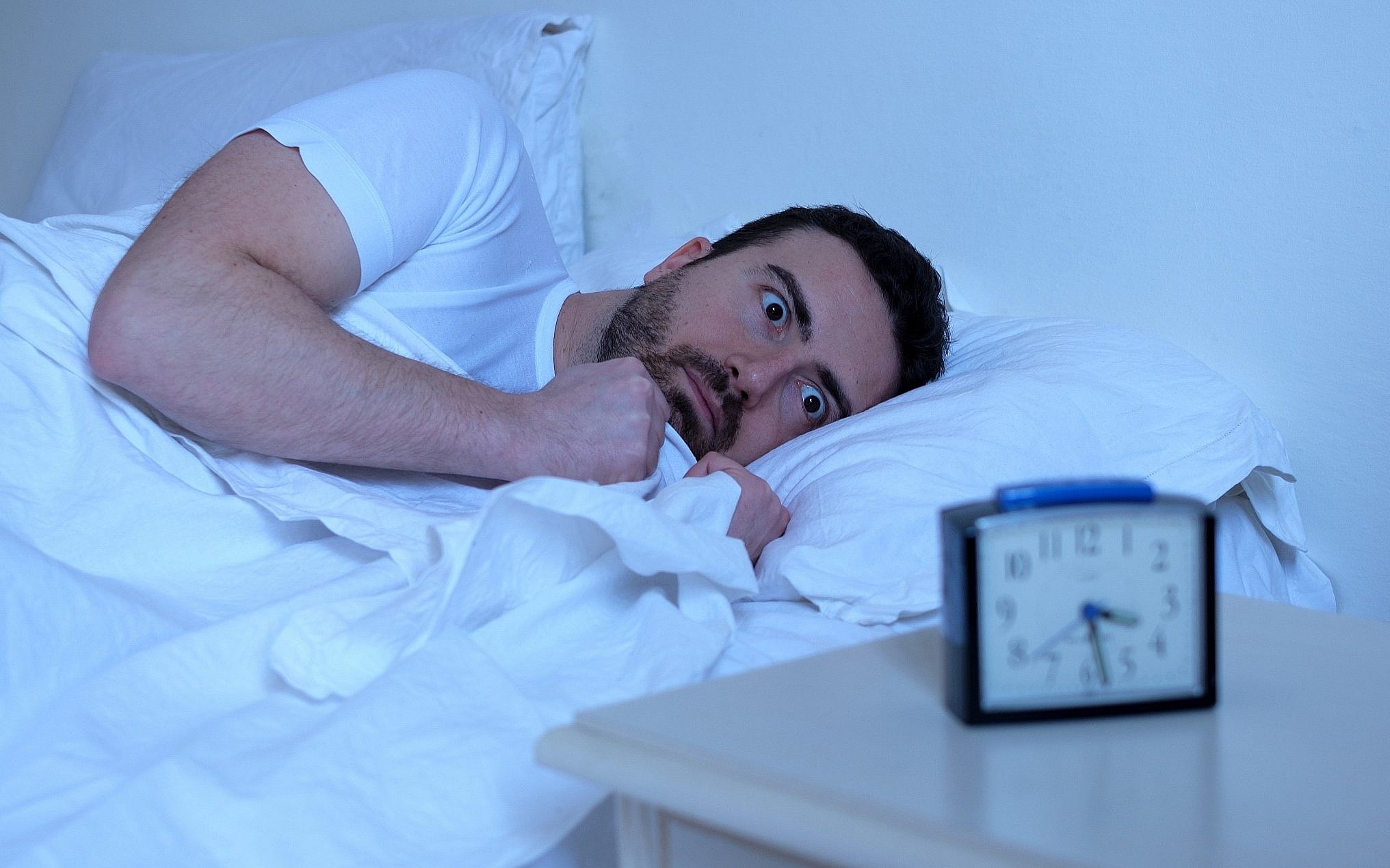
Julie Gray recently dreamed of people in hazmat suits unloading body bags from a helicopter outside her house in Israel’s Ramat Gan. In another dream, people were running — terrified, screaming, clawing and tearing at one another — from something unseen that was trying to round them up.
“It was awful. I rarely have nightmares, and never in my life have I dreamed directly about something like this,” Gray, an author and editor, told The Times of Israel.
Pearl Mattenson, a nonprofit consultant who immigrated to Israel a year and a half ago, reported that she had a dream where in the midst of the coronavirus crisis, Israel was attacked by an enemy and the country was suddenly at war.
“We needed to find a bunker, but as new renters in our building I wasn’t sure where it was… In the dream, I woke my husband as we tried to figure out what to bring to the shelter, even as rockets were flying overhead and time was of the essence,” Mattenson said.
David Moyal, a synagogue administrator in Toronto, tidily summed up his recent weird dreams simply as “Cronenbergesque,” making reference to the Canadian filmmaker David Cronenberg, who pioneered the body horror genre, or the disturbing intersection of technology, the human body, and the subconscious.
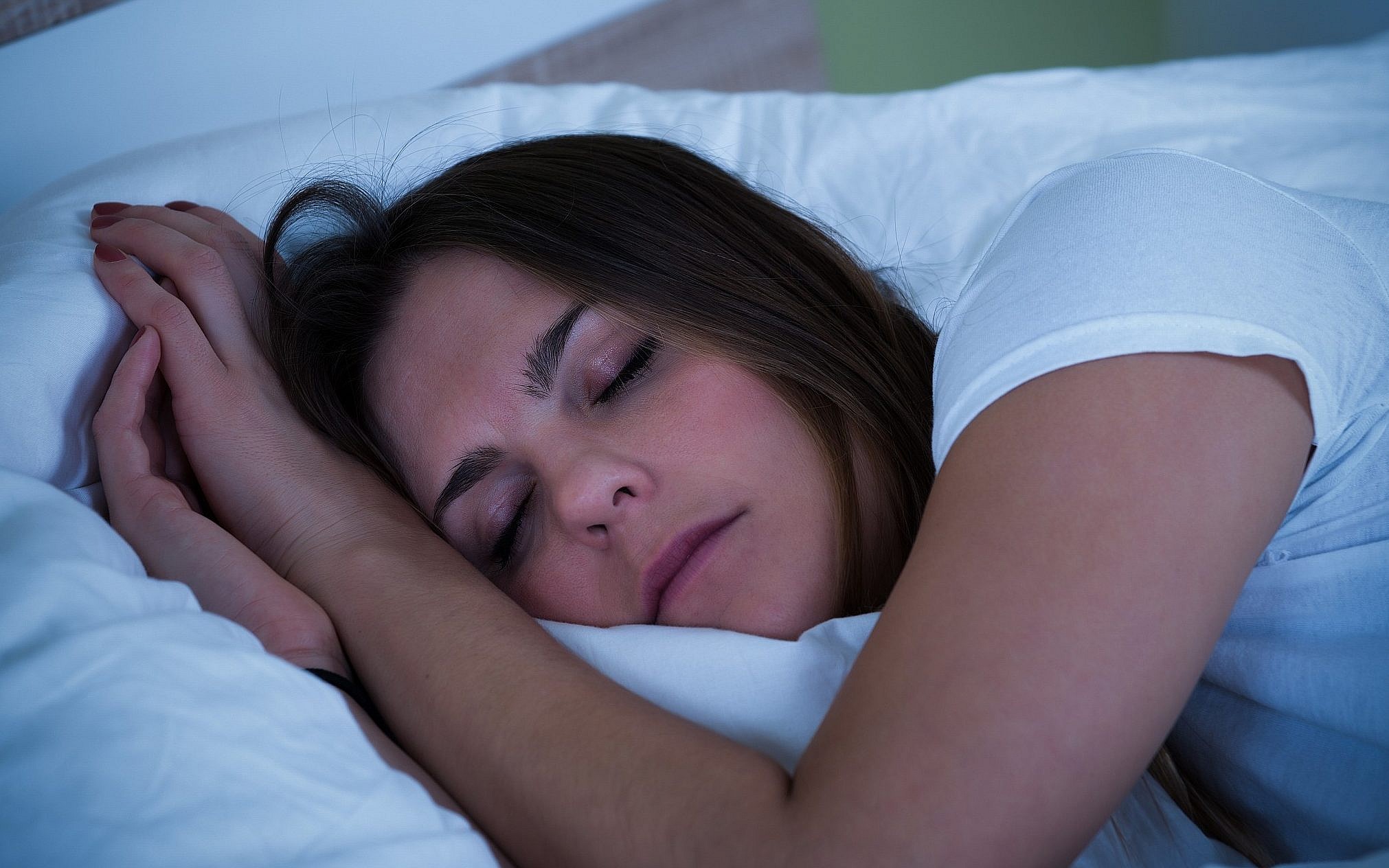
Gray, Mattenson and Moyal are hardly alone in having vivid, disturbing dreams as the entire world copes with the COVID-19 pandemic. It is common to see social media posts about bizarre dreams, trouble sleeping, or both.

“Sleep is a very sensitive barometer of our levels of stress. It’s the first thing that changes when we are stressed. So, it is very natural that people are experiencing this during the coronavirus crisis,” said Prof. Peretz Lavie, former Technion president and professor emeritus in the university’s Rappaport Faculty of Medicine. Lavie is an expert in the psychophysiology of sleep and sleep disorders.
According to Lavie, it is normal to have strange dreams these days. “We dream of the things that are of importance to us during the day. Dreams are bizarre now because we are in a bizarre situation.”
Lavie noted that even for Israelis, who are unfortunately accustomed to wars and terrorist attacks, COVID-19 is causing a new kind of anxiety that is playing itself out while at rest.
It’s like an invasion from Mars. It’s an invisible enemy
“It’s like an invasion from Mars. It’s an invisible enemy. People have a fear of this new illness and have little experience living in isolation as we have been doing for over a month. The density of the events and emotions we are dealing with now are difficult to digest and adapt to,” Lavie said.
Technicolor dreaming
Some individuals, such as Steve, a civil servant in Ottawa, Canada, and David A.M. Wilensky, a journalist in San Francisco, reported that they are remembering their dreams more than usual.
“I don’t often remember my dreams, but right now I remember a lot of details of my dreams almost every night,” Wilensky said.
“I seem to be dreaming so much now that I go from one to another. It’s almost like binge watching multiple shows and movies — so much so that it is hard to remember everything,” Steve said.
It’s almost like binge watching multiple shows and movies
According to Dr. Meir Kryger, a professor at the Yale School of Medicine who has been treating patients with sleep disorders for over 40 years, the fact that dreams are more and better remembered can be attributed to sleep disturbances that many are currently experiencing.

 Bruce's Blog