http://linuxgizmos.com/thin-mini-itx-sbc-brews-coffee-lake-with-triple-hdmi-and-pcie-x16/

Thin Mini-ITX SBC brews Coffee Lake with triple HDMI and PCIe x16

Apr 10, 2020 — by Eric Brown — 1100 views

Avalue’s “EMX-H310DP” is a thin Mini-ITX board with 8th or 9th Gen Coffee Lake CPUs, up to 64GB DDR4, 3x HDMI, 2x SATA, 3x GbE, 3x USB 3.1 Gen2, 2x M.2, PCIe x16, and a 12-28V input.

A few weeks after announcing an 8th Gen Whiskey Lake based EMX-WHL-GP thin Mini-ITX board, Avalue has unveiled an EMX-H310DP SBC with the same low profile form factor that instead taps Intel’s other 8th Gen platform, the higher-end Coffee Lake. The EMX-H310DP also supports Intel’s 9th Gen Coffee Lake Refresh processors.

 
EMX-H310DP, front and back
(click images to enlarge)
Named for its Intel H310 chipset, the EMX-H310DP also includes a separate Nuvoton NCT6106D I/O chipset. The board supports Intel Core, Pentium, Celeron, and Xeon Coffee Lake models. The only other Coffee Lake based thin Mini-ITX SBC that we’ve covered is Axiomtek’s MANO521, which was announced last year with 8th Gen CPUs, but now also supports 9th Gen parts.

No OS support was listed, but we imagine that like the EMX-WHL-GP, it supports Linux or Win 10. Applications include network devices, NAS servers, media centers, industrial control systems, and other embedded applications.

 
EMX-H310DP (left) and recent, Whiskey Lake based EMX-WHL-GP
(click images to enlarge)
You can load up to 64GB of 2400/2666MHz DDR4 via dual sockets and store data via 2x SATA III slots, both with SATA power. An M.2 B-key (3042/2242/2260/2280) slot supports SSDs, as well as WWAN+GNSS (USB2.0), with the help of an accompanying SIM card slot. There’s also an M.2 E-key 2230 slot for WiFi and a PCIe x16 slot. This uses a standard configuration instead of the PCIe golden finger on the EMX-WHL-GP.

The EMX-H310DP supplies 3x HDMI ports at up to “3840 x 2160 @ 30Hz, 2560 x 1600@ 30Hz.” It’s unclear if the first 30Hz citation should instead be 60Hz or if some of the ports offer higher resolution than others. Dual simultaneous displays are available with the three ports, as well as a dual-channel, 18/24-bit LVDS interface. There’s a Realtek ALC662 audio codec and a 6W amplifier, and although it’s not listed in the specs, the images appear to suggest an audio jack.


EMX-H310DP portside view
(click image to enlarge)
The EMX-H310DP is further equipped with 3x GbE ports (2x Intel I210AT PCIe, 1x I219LM), as well as 3 x USB 3.1 Gen2 and a single USB 3.1 Gen1 port. Internal I/O includes 3x USB 2.0, 16-bit GPIO, 3x RS232, and an RS232/422/485 interface. Other features include a watchdog, HW monitoring, and a TPM 2.0 chip.

The 170 x 170mm, 0.4 kg board has an industry-friendly 12-28V 3-pin input with AT/ATX power supply and ACPI power management. The board can operate at 0 to 60°C with 95% relative humidity, non-condensing at 40°C.
Further information

No pricing or availability information was provided for the “coming soon” EMX-H310DP. More information may be found in Avalue’s announcement and product page.

https://insideevs.com/news/409196/tesla-cybertruck-plaid-explained/

It’s more than just three motors.

Tesla CEO Elon Musk confirmed that there will be a Plaid version of the Tesla Cybertuck and it’s not just the tri-motor variant. So, what else will Plaid include?

Tesla has already confirmed that both the Model S and Model X will get high-performance Plaid variants in the future, with the first expected to be the Plaid Model S later this year, but now we’ve learned of another Plaid Tesla in the works.

Elon Musk

@elonmusk

Plaid Cybertruck is what I will drive

508 people are talking about this

Though some thought Musk was simply referring to the tri-motor variant of the Cybertruck with his Plaid reference, Musk later confirmed that to be untrue. Musk suggested that Plaid will be more than just tri-motor:

Third Row Tesla Podcast@thirdrowtesla

Exactly, Plaid is just the name for the triple motor drivetrain https://twitter.com/blovereviews/status/1248318049385508865 

Brian Lovett aka BLOVE@blovereviews

I’m so confused by everyone reporting on this “news”. Wasn’t the tri-motor variant always the plaid powertrain? Shared with the upcoming Roadster and the tri-motor plaid S and X. The S has been shown already running on the “ring” https://twitter.com/teslarati/status/1248189079356923904 

Elon Musk

@elonmusk

There’s a bit more to it than that

318 people are talking about this

So, what’s the “bit more to it” then? Our guess is that it will be the trim-motor Cybertruck with some software-unlocked features that increase power and help the Cybertruck get a 0 to 60 MPH time in the mid-2-second range, rather than 2.9 as listed for the standard tri-motor variant. This enhanced power would help it to easily out tug the Ford F-150 too. Additional features could include a firmed up sportier suspension (or settings, at least) and some wheels and tires with performance (not off-roading) being the focus.

external_image

Think of the Plaid Cybertruck as an on-street dominator and not a hardcore off-roader. And this makes sense because, let’s be honest, how often do any of us go hardcore off-roading?

That’s our take on the Plaid Cybertruck and you can watch the video for the viewpoints presented by That Electric Car Show. Then, let us know in comments your thoughts on the Plaid Cybertruck.


Video description via That Electric Car Show on YouTube:

What the Hell is Plaid Mode in Tesla Cybertruck?

Elon Musk hinted that the Tesla Cybertruck would have Plaid Mode for max acceleration. Thus far, the only Tesla cars expected to have Plaid Mode were the Model S and next-gen Roadster.

Elon Musk dropped a hint about Tesla’s Plaid Cybertruck in a tweet from Tesla’s Pope of Muskanity—whose name is a play on the idea that TSLA supporters act like a cult. The Tesla pope posed a difficult puzzle in his tweet, asking how he could convince his lady to agree to a Cybertruck.

The Tesla CEO quickly replied to the Pope of Muskanity, tweeting, “You may return the vehicle for a full refund in the unlikely event that it causes domestic discord.” He also replied to @Sofiaan’s tweet, saying: “Plaid Cybertruck is what I will drive.”

Tesla CEO Elon Musk first said that the Tesla Model S with a “Plaid” powertrain and new rear-facing seats is coming in Oct/Nov 2020.

After the most recent testing, now the CEO says that it is coming next summer.

The next-gen Roadster is expected to also get Tesla’s new 3-motor Plaid powertrain, but it should come after the new version of the Model S.

While that’s still months away, Tesla decided to start hyping up the new top performance mode with a new ‘Plaid Mode’ tee.

Tesla says that “it’s the next best thing to riding shotgun at the Nürburgring”

https://www.medpagetoday.com/infectiousdisease/covid19/85915

First Report of COVID-19 Neurologic Symptoms in China

— CNS, peripheral nervous system, muscle injury seen in case series

An illustration of the coronavirus entering a cartoon mans airways and his brain

More than a third of 214 confirmed COVID-19 cases in China had neurologic symptoms, researchers said.

Acute cerebrovascular events, impaired consciousness, and muscle injury were seen in 36.4% of patients and were more common (45.5%) in patients with severe infection who required mechanical ventilation, reported Bo Hu, MD, PhD, of Union Hospital and Huazhong University of Science and Technology in Wuhan, and colleagues.

Neurologic symptoms included central nervous system (CNS) manifestations such as dizziness, headache, impaired consciousness, acute cerebrovascular disease, ataxia, or seizure; peripheral nervous system manifestations such as taste and smell impairment, vision impairment, or nerve pain; and skeletal muscular injury manifestations.

“For those with severe COVID-19, rapid clinical deterioration or worsening could be associated with a neurologic event such as stroke, which would contribute to its high mortality rate,” the team wrote in JAMA Neurology. “During the epidemic period of COVID-19, when seeing patients with these neurologic manifestations, clinicians should consider SARS-CoV-2 [the virus that causes COVID-19] infection as a differential diagnosis to avoid delayed diagnosis or misdiagnosis and prevention of transmission.”

COVID-19 and severe acute respiratory syndrome (SARS), which first appeared in China in late 2002, are similar in many ways clinically, noted S. Andrew Josephson, MD, of the University of California San Francisco, and colleagues, in an accompanying editorial.

“Although the SARS epidemic was limited to about 8,000 patients worldwide, there were some limited reports of neurologic complications of SARS that appeared in patients 2 to 3 weeks into the course of the illness, mainly consisting of either an axonal peripheral neuropathy or a myopathy with elevated creatinine kinase,” the editorialists wrote. Pathology showed that patients with SARS had widespread vasculitis in many organs, including striated muscle, “suggesting that the clinical features in these neuromuscular patients might be more than just nonspecific complications of severe illness,” Josephson and co-authors continued.

For the study, Hu and colleagues reported data on 214 consecutive laboratory-confirmed COVID-19 patients between Jan. 16 and Feb. 19, 2020. Patients had an average age of about 53 ± 15.5 years, and 41% were men.

About 41% of patients had severe infection and required mechanical ventilation. Those with severe infection were older, had more underlying disorders, especially hypertension, and showed fewer typical symptoms of COVID-19 such as fever and cough compared with people with non-severe infection.

Patients with more severe infection had a higher occurrence of acute cerebrovascular diseases (5.7% vs 0.8%), impaired consciousness (14.8% vs 2.4%), and skeletal muscle injury (19.3% vs 4.8%) than people with non-severe infection.

Of the 214 patients, 12 (5.6%) had taste impairment, 11 (5.1%) had smell impairment, and three (1.4%) had vision impairment. Five patients reported nerve pain.

Most neurologic manifestations occurred early in the illness; the median time to hospital admission was 1 to 2 days. Some patients without typical COVID-19 symptoms came to the hospital with only neurologic manifestations as their presenting symptoms, the researchers noted.

Angiotensin-converting enzyme 2 (ACE2) has been identified as the functional receptor for SARS-CoV-2, and “the expression and distribution of ACE2 remind us that the SARS-CoV-2 may cause some neurologic manifestations through direct or indirect mechanisms,” the investigators wrote. “Autopsy results of patients with COVID-19 showed that the brain tissue was hyperemic and edematous and some neurons degenerated.”

Neurologic injury has been confirmed not only in SARS, but also in Middle East respiratory syndrome (MERS), Hu and co-authors noted. CNS symptoms were the main form of neurologic injury in COVID-19 in this study, and the pathologic mechanism may be from the CNS invasion of SARS-CoV-2, similar to SARS and MERS viruses, the team speculated.

“As with other respiratory viruses, SARS-COV-2 may enter the CNS through the hematogenous or retrograde neuronal route,” the researchers suggested. “The latter can be supported by the fact that some patients in this study had smell impairment.”

People with severe infection had higher D-dimer levels than patients with non-severe infection, the investigators observed. Patients with muscle symptoms had higher creatine kinase and lactate dehydrogenase levels than those without muscle symptoms, and creatine kinase and lactate dehydrogenase levels in patients with severe infection were much higher than those of patients with non-severe infection.

Whether axonal neuropathy is part of COVID-19 is unknown from this study; the researchers could not obtain nerve conduction studies or lumbar punctures. “Given the likely shared vasculitic pathology of SARS and COVID-19, it seems probable that further studies will reveal neuropathy as another rare finding in COVID-19,” Josephson and co-authors pointed out.

The more dramatic neurologic symptoms — stroke, ataxia, seizure, and depressed level of consciousness — were more common in severely affected patients, the editorialists observed. But these associations may reflect that people with more severe complications are more likely to have medical comorbidities, especially vascular risk factors like hypertension: “The occurrence of cerebrovascular events in critically ill patients with underlying high blood pressure and cardiovascular disease is therefore potentially unrelated to a direct effect of the infection itself or an inappropriate host response,” Josephson and co-authors wrote.

They added: “It is clear that this small series does not reflect the entire spectrum of neurologic disease in COVID-19 disease, and much is left to be learned with thorough neurologic testing in large data sets of patients with COVID-19.”

Disclosures

The research was supported by the National Key Research and Development Program of China, the National Natural Science Foundation of China, and Major Refractory Diseases Pilot Project of Clinical Collaboration with Chinese and Western Medicine.

The researchers reported no conflicts of interest.

The editorialists reported relationships with the National Institute of Mental Health, the Weill Institute for Neuroscience, the Brain Research Foundation, the George and Judy Marcus Fund for Innovation, Viela Bio, Mylan, Bionure, Neurona, Pipeline Therapeutics, and Inception Sciences.

Additional Source

Source Reference:

https://medicalxpress.com/news/2020-04-paper-flaw-rubber-illusion-tough.html

New paper points out flaw in Rubber Hand Illusion raising tough questions for psychology

New paper points out flaw in Rubber Hand Illusion raising tough questions for psychology
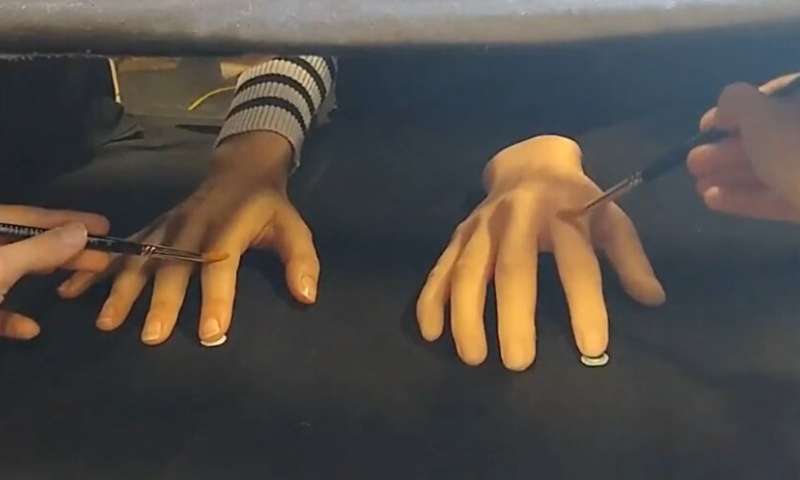
A demonstration of the Rubber Hand Illusion. Credit: University of Sussex

A world-famous psychological experiment used to help explain the brain’s understanding of the body, as well as scores of clinical disorders, has been dismissed as not fit-for-purpose in a new academic paper from the University of Sussex.

The Rubber Hand Illusion, where synchronous brush strokes on a participant’s concealed  and a visible fake hand can give the impression of illusory sensations of touch and of ownership of the fake hand, has been cited in more than 5,000 articles since it was first documented more than 20 years ago.

In a new research paper Dr. Peter Lush, Research Fellow at the Sackler Centre for Consciousness Science at the University of Sussex, demonstrates that the control conditions typically used in the Rubber Hand Illusion do not do they job they need to do.

His results show that the commonly reported effects of the Rubber Hand Illusion can be attributed to imaginative suggestion’—otherwise known as ‘hypnosis’.

Dr. Lush is calling for the development of valid control methods for the Rubber Hand Illusion while raising the prospect that suggestion effects could confound many other effects throughout psychological science.

He said: “The Rubber Hand Illusion is a cornerstone of contemporary consciousness science. It has been extended to almost any body part imaginable and investigated in just about any clinical disorder you can imagine.

“This paper prompts the reinterpretation of all this work, and other work which uses the same control methods, such as the full body illusion, the out of body illusion and the enfacement illusion. Existing claims that the  hand illusion is not a suggestion effect are invalid, and therefore it is possible that existing reports of the rubber hand illusion are entirely attributable to suggestion effects.”

Last year Dr. Lush and colleagues reported in a paper, currently under  but available as a preprint on PsyArxiv, substantial correlations between response to the Rubber Hand Illusion and response to imaginative suggestion , or phenomenological control, in a large sample of 353 participants. This study shows that response to the Rubber Hand Illusion is, partially or entirely a suggestion effect.

Psychologists have long been aware of the dangers of ‘demand characteristics’—in which subjects, often without realising it, say what they implicitly think they ought to say.

Dr. Lush’s work takes these concerns much further by showing that how suggestible someone is can dramatically influence what people report in the Rubber Hand Illusion—and potentially in many other experiments too.

Dr. Lush said: “The extent to which phenomenological control confounds psychological science is currently unknown, but may be substantial. If the effects are widespread—and they may well be—psychology will be faced with a new crisis of generalisability.”

In the new study, published this week in Collabra: Psychology, an innovative design was employed to test imaginative suggestion in  reports.

Participants were provided with information about the Rubber Hand Illusion procedure (including a text description and a minute-long video demonstration of the illusion) and then asked to fill out a standard questionnaire on what they would expect to happen if they were a participant in the procedure.

Strikingly, people expect the same pattern of results that is typically found in Rubber Hand Illusion studies, both for the ‘experimental’ conditions and the ‘control’ conditions.

According to Dr. Lush, this means the control methods that have been used for 22 years of Rubber Hand Iillusion studies, are not fit for purpose because demand characteristics have not been adequately controlled, meaning the  may be, partially or entirely, a suggestion effect.

He added: “Few contemporary scientists seem to be aware of the extent to which imaginative suggestion can drive experience, and so haven’t been able to control for  effects in the Rubber Hand Illusion.

“Future studies of the Rubber Hand Illusion—and many other similar effects—will need to take  in suggestibility properly into account, if they are to make justifiable claims about how people experience their bodies.”


Explore further

Study shows expectation important component of rubber-hand illusion


More information: Peter Lush, Demand Characteristics Confound the Rubber Hand Illusion, Collabra: Psychology (2020). DOI: 10.1525/collabra.325

https://phys.org/news/2020-04-self-powered-x-ray-detector-revolutionize-imaging.html

Self-powered X-ray detector to revolutionize imaging for medicine, security and research

Self-powered X-ray detector to revolutionize imaging for medicine, security and research
X-ray detectors made with 2-dimensional perovskite thin films convert X-ray photons to electrical signals without requiring an outside power source, and are a hundred times more sensitive than conventional detectors. Credit: Los Alamos National Laboratory

A new X-ray detector prototype is on the brink of revolutionizing medical imaging, with dramatic reduction in radiation exposure and the associated health risks, while also boosting resolution in security scanners and research applications, thanks to a collaboration between Los Alamos National Laboratory and Argonne National Laboratory researchers.

“The perovskite material at the heart of our  prototype can be produced with low-cost fabrication techniques,” said Hsinhan (Dave) Tsai, an Oppenheimer Postdoctoral fellow at Los Alamos National Laboratory. “The result is a cost-effective, highly sensitive, and self-powered detector that could radically improve existing X-ray detectors, and potentially lead to a host of unforeseen applications.”

The detector replaces silicon-based technology with a structure built around a thin film of the mineral perovskite, resulting in a hundred times more sensitivity than conventional silicon-based detectors. In addition, the new perovskite detector does not require an outside power source to produce  in response to X-rays.

High sensitivity perovskite detectors could enable dental and medical images that require a tiny fraction of the exposure that accompanies conventional X-ray imaging. Reduced exposure decreases risks for patients and medical staff alike. The fact that perovskite detectors can be made very thin allows them to offer increased resolution for highly detailed images, which will lead to improved medical evaluations and diagnoses. Lower-energy and increased-resolution detectors could also revolutionize security scanners and imaging in X-ray research applications.

Because perovskite is rich in , such as lead and iodine, X-rays that easily pass through silicon undetected are more readily absorbed, and detected, in perovskite. As a result, perovskite significantly outperforms silicon, particularly at detecting high-energy X-rays. This is a crucial advantage when it comes to monitoring X-rays at high-energy research facilities, such as synchrotron light sources.

Perovskite films can be deposited on surfaces by spraying solutions that cure and leave thin layers of the material behind As a result, the thin-layer detectors will be much easier and cheaper to produce than silicon-based detectors, which require high-temperature metal deposition under vacuum conditions.

“Potentially, we could use ink-jet types of systems to print large scale detectors,” said Tsai. “This would allow us to replace half-million-dollar silicon detector arrays with inexpensive, higher-resolution  alternatives.”

In addition to the promise of thin-layer perovskites in X-ray detectors, thicker layers work well provided they include a small voltage source. This suggests that their useful energy range could be extended beyond X-rays to low-energy gamma-rays.

The study is published in Science Advances.


Explore further

Perovskite semiconductors seeing right through next generation X-ray detectors


More information: “Sensitive and robust thin-film x-ray detector using 2D layered perovskite diodes” Science Advances (2020). advances.sciencemag.org/content/6/15/eaay0815

Journal information: Science Advances

https://www.notebookcheck.net/Estone-Technology-EMB-2237-AI-a-Raspberry-Pi-sized-SBC-for-Edge-AI-applications.460869.0.html

Estone Technology EMB-2237-AI, a Raspberry Pi-sized SBC for Edge AI applications

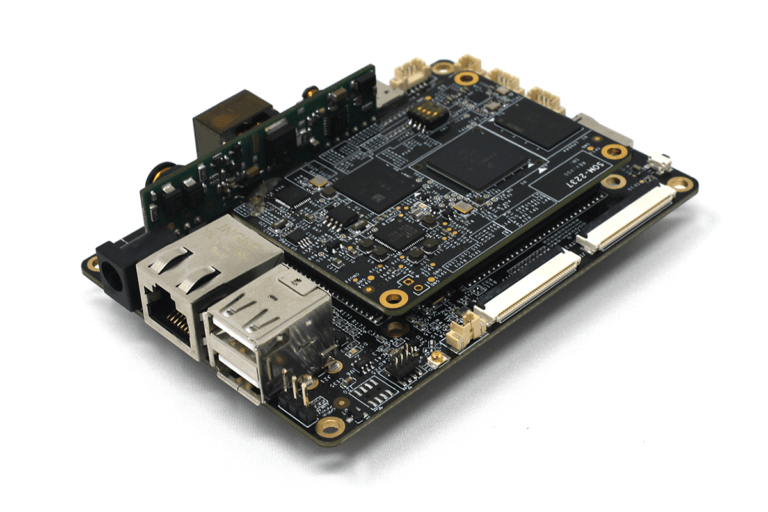
EMB-2237-AI: The Pico-ITX board features an NXP i.MX8M processor. (Image source: Estone Technology)
Based on the NXP i.MX8M processor, the EMB-2237-AI features an Audio DSP, up to 4 GB of LPDDR4 RAM and 8 GB of storage, along with support for PoE or Google Coral M.2 AI modules. Slightly larger than a Raspberry Pi, the EMB-2237-AI should be well-suited for Edge AI applications.

Based on an ARM processor like many SBCs like the Raspberry Pi, the EMB-2237-AI is a Pico-ITX board designed for use with Edge AI applications. Specifically, Estone Technology has integrated an NXP i.MX8X processor that includes two or four Cortex-A53 cores. According to the manufacturer, each core can clock up to 1.8 GHz, which it has complemented with a Vivante GPU along with 2 GB or 4 GB of LPDDR4 RAM.

The EMB-2237-AI also features 8 GB of NAND flash, but this can be expanded via iNAND or eMMC if needed. Naturally, there is a microSD card reader, too. Additionally, the EMB-2237-AI supports Ethernet, up to 802.11n Wi-Fi and Bluetooth 4.0. via an Ampak AP6212 module.

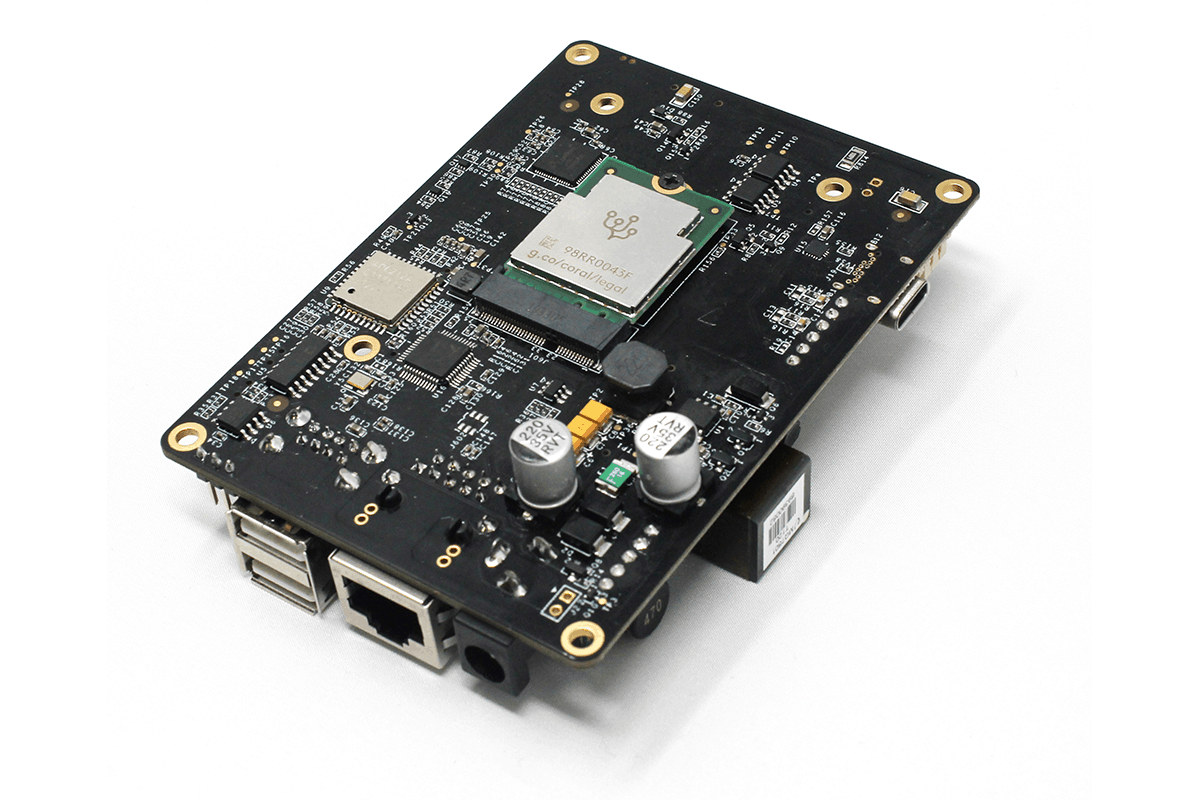
Moreover, Estone has included two USB 2.0 Type-A ports, two USB 2.0 headers, a USB Type-C OTG port, along with RS-232 and RS-485 headers. An M.2-2230 E key slot allows you to add a more powerful network connection or an edge TPU module too, while a 12 V DC power barrel handles power. There are 4x GPIO and 2x I2C, as well as a 4-lane MIPI-CSI for connecting cameras. Finally, Estone has included a Cirrus Logic audio DSP.

The 100 x 72 mm board supports Android 9 BSP and a Yocto based Linux with kernel 4.14 Qt+Wayland. Additionally, the EMB-2237-AI can utilise the Amazon Alexa Voice Service. Estone is yet to provide pricing or availability details, though.

(Image source: Estone Technology via CNX Software)

https://phys.org/news/2020-04-geneticists-regulatory-mechanism-chromosome-inheritance.html

Geneticists discover regulatory mechanism of chromosome inheritance

Bayreuth geneticists discover regulatory mechanism of chromosome inheritance
Susanne Hellmuth M. Sc, PhD student at the Chair of Genetics at the University of Bayreuth, here loading samples for the separation of proteins and their subsequent immunological detection. Credit: Olaf Stemmann.

In the course of every single cell division, the genetic information on the chromosomes must be distributed equally between the newly developing daughter cells. The enzyme separase plays a decisive role in this process. Susanne Hellmuth and Olaf Stemmann from the chair of genetics at the University of Bayreuth have now discovered a previously unknown mechanism that regulates the activity of the separase. These fundamental findings add a new aspect to our current understanding of chromosome inheritance. The scientists have presented their study in the journal Nature.

Crucial for healthy cell development: the regulation of separase

Cell division is essential for human growth and reproduction. Before a cell begins to divide, the genetic information stored on the  is duplicated. When this process is complete, each chromosome consists of two identical DNA threads, the sister chromatids. Cohesin, a ring consisting of several proteins, encloses each chromosome and holds the pair of chromatids together. Already during preparation for cell division, cohesin is removed from the arms of the chromosomes. However, the complete separation of the sister chromatids can only take place when the cohesin remaining in the middle of the chromosomes is cut by the enzyme separase. The chromatids then migrate to the two opposite ends of the spindle apparatus, where they form the genetic basis of the forming daughter cells.

Healthy development of the daughter cells is only guaranteed if they do not contain genetic defects. In order for this condition to be fulfilled, the separase must become active at exactly the right time. If the sister chromatids are separated too early, they can only be distributed randomly. The resulting  then contain the wrong chromosome number and die, or they can develop into tumour cells. Only strict regulation of the separase prevents these genetic malfunctions.

Bayreuth geneticists discover regulatory mechanism of chromosome inheritance
The separase cuts the cohesin rings, which hold the sister chromatids together. These then migrate to the opposite poles of the spindle apparatus. Credit: Olaf Stemmann.

A “guardian spirit” suppresses premature sister chromatid separation

The Bayreuth researchers Susanne Hellmuth and Olaf Stemmann, in cooperation with geneticists from the University of Salamanca/Spain, have now discovered that the protein shugoshin (Japanese for “guardian spirit”) has exactly this regulating function. Shugoshin causes the separase to remain inactive until the right time for cohesin splitting has come. With this discovery, scientists have succeeded in solving an important puzzle of genetics: Until now, only the protein securin was known to suppress premature activity of the separase. It was therefore believed that the separase was exclusively regulated by securin. However, this view contradicted the observation that separase remains properly regulated even when securin is not present. The study now published in “Nature” provides the explanation: Shugoshin and securin both prevent separase from initiating the process of chromsosome segregation at the wrong time. And if the securin fails, even shugoshin alone is able to regulate the activity of separase in human .

“We are dealing with a type of redundancy that is not at all uncommon in the cell cycle: In order for a vital process to proceed in a well-ordered manner, nature has safeguarded it by controlling it simultaneously in two or more different ways. This makes the process particularly robust, but also difficult to study, because individual disturbances have no visible effect,” said Susanne Hellmuth, first author of the study.

Bayreuth geneticists discover regulatory mechanism of chromosome inheritance
Immunofluorescence microscopy of mitotic chromosomes. The blue dots mark the kinetochores, which are the attachment points for the spindle fibres. Between each pair of kinetochores are the cohesin rings, which must be cut by Separase to separate the sister chromatids. The DNA is marked in yellow. Credit: Susanne Hellmuth.

Dual control through the spindle checkpoint

Indeed, Hellmuth and Stemmann made a further discovery: It is the spindle assembly checkpoint (SAC) that controls the regulating influence of shugoshin as well as that of securin. This finding confirms the well-established assumption in the research that the SAC has, as it were, sovereignty over all processes involved in chromosome inheritance. It had been known for some time that the SAC first stabilizes the securin and does not allow its degradation until the time has come for cohesin splitting by separase. The “Nature” publication now shows how the checkpoint causes shugoshin to suppress the premature activity of separase: namely by associating shugoshin with the SAC component Mad2.

“I was particularly pleased to hear a remark on our publication by one referee that the textbooks will now have to be rewritten,” says Olaf Stemmann. “Our further research will show how our fundamental findings could also find their way into cancer therapy.” This follow-up study by the Bayreuth research duo will also soon be published in Nature.


Explore further

Solving the separase–securin complex


More information: Susanne Hellmuth et al, Securin-independent regulation of separase by checkpoint-induced shugoshin–MAD2, Nature (2020). DOI: 10.1038/s41586-020-2182-3

Journal information: Nature
Provided by Bayreuth University

https://insideevs.com/news/408818/tesla-cybertruck-plaid-musk/

Musk says he’ll be driving the Plaid version of the Cybertruck.

Elon Musk has confirmed that there will be a plaid of the Tesla Cybertruck, but we wonder if it will be an extreme off-road-truck or something that crushes every other car at the drag strip.

Tesla has already confirmed that both the Model S and Model X will get high-performance Plaid variants in the future, with the first expected to be the Plaid Model S later this year, but now we’ve learned of another Plaid Tesla in the works.

According to Tesla CEO Elon Musk, there will be a Plaid Cybertruck variant and this will be the version of the truck that Musk himself will drive:

Sofiaan Fraval@Sofiaan

Only discord it’s gonna cause is Pope needing to get another when she takes it from him 😂 😂 😂

Elon Musk

@elonmusk

Plaid Cybertruck is what I will drive

495 people are talking about this

Admittedly, that single tweet doesn’t make much sense without some context, so here’s the previous tweet:

Pope of Muskanity@RationalEtienne

I confess: the Cybertruck fills my dreams and prayers.

My lady dislikes it. Should I purchase this artwork from Legends Studio as a shameless attempt to change her mind?

Also, please give me other tips on how to get her to accept this beautiful beast. I need thy assistance. 🙇‍♂️

View image on Twitter

Elon Musk

@elonmusk

You may return the vehicle for a full refund in the unlikely event that it causes domestic discord

371 people are talking about this

So a Plaid Cybertruck is coming. That’s now known. What we don’t know is what the focus of the truck will be. Will tesla take the extreme off-road approach and go after trucks like the Ford F-150 Raptor? This route would require a beefier suspension, more ground clearance, a winch and some off-road rubber. Or is a on-street performance truck more likely? Something like a lowered, high power truck fitted with stick tires and wide wheels that could dominate at the drag strip.

Tesla Cybertruck Colors

Our money would be on the off-roader, but that doesn’t fit with the performance profile of the other planned Plaid Tesla vehicles, so perhaps we’re wrong.

What are your thoughts on the direction Tesla will choose with the Plaid Cybertruck? Let us know in comments below.


https://appleinsider.com/articles/20/04/09/apples-sleep-and-health-tracking-ambitions-extends-to-blankets-and-mattresses

Apple’s sleep and health tracking ambitions extend to blankets and mattresses

Following many suggestions that Apple is bringing sleep tracking to the Apple Watch, the company appears poised to further delve into its Beddit purchase and develop bedding and blankets to monitor vital signs.

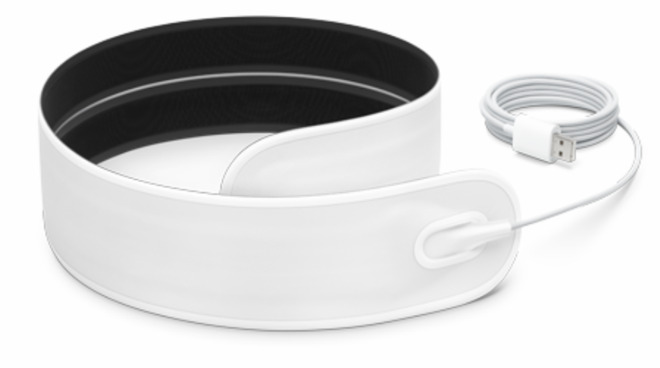
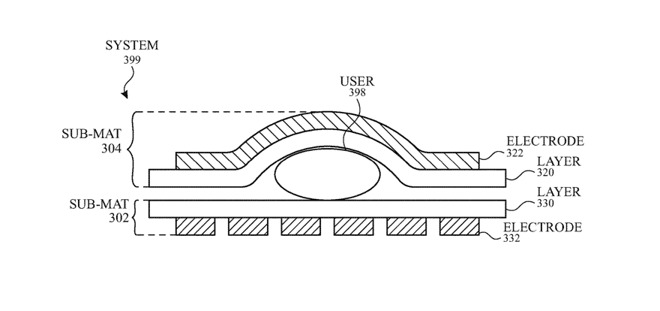
Apple looks to be extending this current Beddit strip into a full-blown bed mat

Apple looks to be extending this current Beddit strip into a full-blown bed mat

Sleep tracking has been coming to the Apple Watch for some time, and Apple even bought the Beddit third-party system for this purpose. But now a new patent suggests that the Apple Watch may not be needed as bedding and a mattress cover could be used instead.

“Traditionally, monitoring a person’s sleep or vital signs has required expensive and bulky equipment,” begins “Vital Signs Monitoring System,” US Patent No 20200107785. It then points out that wearing such equipment makes the person uncomfortable, and so affects the very sleep patterns that it’s trying to monitor.

This is specifically a criticism about the kind of sleep tracking that requires a stay in a medical facility, but it also makes points that could equally apply to an Apple Watch. Specifically, it says that currently any kind of worn device tends to be “configured to determine the vital signs based on one type of measurement or mode of operation.”

What’s more, an Apple Watch or any other device would monitor only the person wearing it. “[These] systems lack the capability of not only monitoring multiple users, but also incorporating the analysis of a first user into the analysis of a second user, whose sleep may be affected by the first user.”

Apple’s proposed solution, then, is effectively to have bedding that tracks the sleep of anyone lying on or under it. This appears to be an extension of Beddit’s system, which saw a strip of material being placed under bedsheets and relaying data to an iPhone.

This extended version appears to suggest that instead of one short strip positioned under one part of a sleeping person’s body, at least a larger portion of the bed would become a sensor.

“The monitoring system can include a plurality of sensors including, but not limited to, electrodes, piezoelectric sensors, temperature sensors, and accelerometers,” says the patent. “Based on the measured values, the monitoring system can analyze the user’s sleep, provide feedback and suggestions to the user, and/or can adjust or control the environmental conditions to improve the user’s sleep.”

That's you in bed with an Apple mat underneath and an Apple blanket. Look, this is useful.

That’s you in bed with an Apple mat underneath and an Apple blanket. Look, this is useful.

While presumably adjusting the environmental conditions could involve data being sent to a HomeKit device to alter air conditioning, for instance, the patent refers more to providing a control system for the user. “[A] control panel can include a touch panel and/or display and be configured to interface with the user and/or a computer…. [It] can display heart rate, heart rate variability, respiratory rate, respiratory rate variability, user’s motion, and user’s temperature.”

The mat, though, could also act as an electric underblanket and directly alter temperature itself. Apple refers to this as “active heating or cooling,” and it would be more intelligent than a regular electric blanket, because it would adapt to more than one person. “[For example,] heating and/or cooling can be used to accommodate the differences in thermal comfort,” it says.

So the mat would register a user’s body pressing on it, and be able to distinguish between two users. The patent concentrates on very many ways that this can be done, for how it can determine “one or more physiological signals of a user,” as well as of multiple users.

The invention is credited to two people at Apple, Shahrooz Shahparnia and Erno H. Klaassen. Both researchers hold multiple patents, but none clearly related to this.

https://www.the-scientist.com/news-opinion/scientists-scan-for-weaknesses-in-the-sars-cov-2-spike-protein-67404

Scientists Scan for Weaknesses in the SARS-CoV-2 Spike Protein

The virus’s tool for prying open host cells is coated in a protective armor of sugar—but gaps may offer vulnerability to disruption by antibodies.

Chris Baraniuk
Apr 9, 2020

Coronaviruses’ visual hallmarks, those nubby protrusions sticking out in every direction, are the keys they use to enter cells. These so-called spike proteins bind to cells—in the case of SARS-CoV-2, human cells—to launch infection. To prevent that from happening, scientists around the world are focusing on the spike to reveal how it works, and find potential weaknesses to exploit.

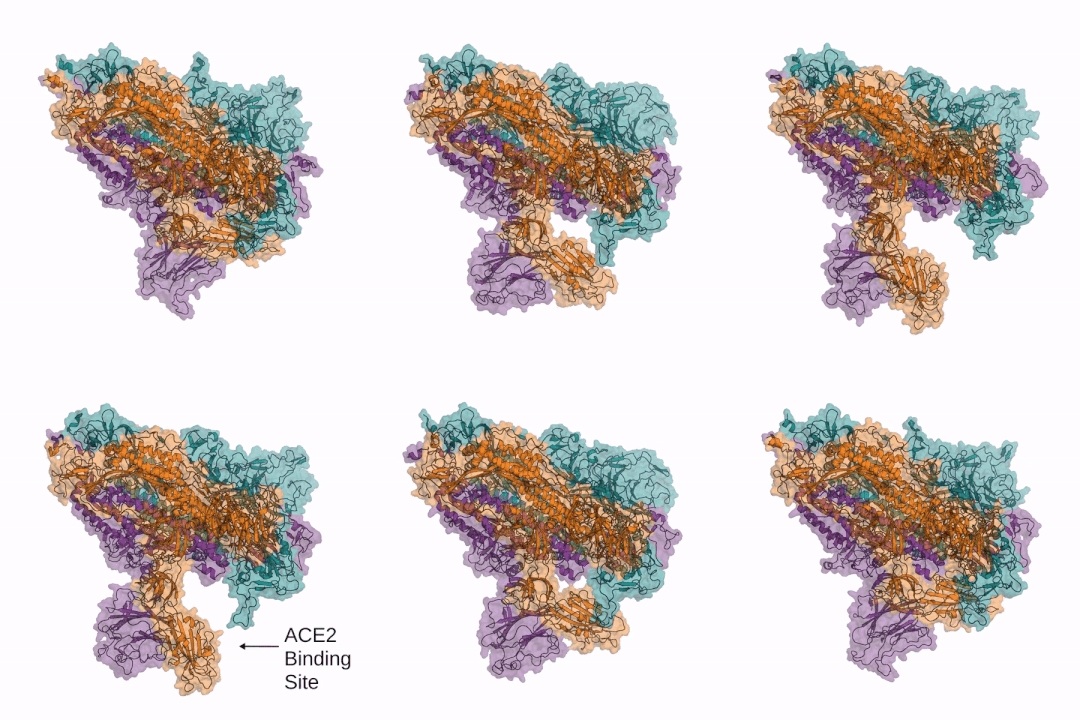
The spike structure itself is actually made up of three proteins. At the top lies the point at which the viral particle grasps an enzyme on the surface of human cells known as the ACE2 receptor.

An animation revealing the opening of the SARS-CoV-2 spike protein, which helps it to bind to the ACE2 receptor in human cells

This point must be in an “open” or “up” position, flexed and ready to attach itself to the host cell receptor, says Rommie Amaro, a biophysical chemist at the University of California, San Diego. An animation posted online by Greg Bowman, a biophysicist at Washington University School of Medicine, reveals that this looks like a creature opening its jaws.

But in many illustrations that have been made so far of the SARS-CoV-2 spike structure, an important feature is largely missing, says Amaro.

The structure is covered in sugars known as glycans. They’re thought to disguise the virus to the human immune system, making it seem just like a harmless cell, given that these are also often coated in sugars. In diagrams and 3-D models of the coronavirus’s spike structure, the glycans are usually represented as small, stubby nodules, but they’re actually fuzzier and more obstructive than that, says Amaro.

“They protect it literally like a physical shield,” she explains. The glycans are so protective, in fact, that the spike protein might have to flex up and out simply to reach through them and bind to ACE2 on human cells. Any antibody targeting the spike structure will have to slot in between the glycans and attach to the spike protein itself.

An animation showing the SARS-CoV-2 spike protein (gray) with glycans scattered around on its surface. The structure jiggles, which might affect how antibodies or other molecules bind with it.
LORENZO CASALINO, ZIED GAIEB, AND ROMMIE AMARO, UC SAN DIEGO


“If you know where the holes are, that’s where you want to target,” says Amaro.

In order to model what sort of defensive coating glycans give to the SARS-CoV-2 spike, Amaro has used mass spectrometry data on the spike protein, which was recently published in a preprint published on bioRxiv March 28. This revealed the location of the glycans in more detail than was previously available.

An animation Amaro posted online recently shows how the glycans coat the spike itself and also jiggle, which may further affect their ability to keep antibodies off the structure. In the video, the spike sticks up from the virus’s lipid membrane, shown in pink.

Similar work is being carried out by Chris Oostenbrink, an expert in molecular modeling at the University of Natural Resources and Life Sciences in Vienna. He explains that his method involves using a database of glycan shapes and matching them to what is known about the shape of the coronavirus’s spike structure—a molecular jigsaw puzzle.

“Basically, we put them all on, we look at which ones fit and we take the best-fitting model as a representative example,” he says. An illustration by his graduate student, Jan Walther Perthold, shows the glycans as fuzzy pink blobs covering the spike structure. Like Amaro’s model, this reveals just how prevalent the glycans are and that they present a serious obstacle to any antibody that might otherwise bind with the spike.

By mapping the glycan shield, scientists should find it easier to find the right antibody peg to slots through the holes in it, says Amaro. A vaccine could be designed, for example, to provoke a person’s immune system into generating antibodies that would successfully latch on to the spike structure and disrupt its opening mechanism or otherwise prevent it from attaching to ACE2. Think of it like jamming a wrench into a machine to stop it working as intended, suggests Amaro.

Chris Oostenbrink@mms_boku

Our first complete model of the SARS-CoV-2 Spike protein in complex with the human ACE2 receptor, with full complex glycosylation added. @PertholdJW made this model, using methods developed by @AysegulTurupcu

View image on Twitter

A study published in Science on April 3 reveals that a particular antibody, CR3022, can bind to the SARS-CoV-2 spike protein. This antibody was isolated back in 2006 from a patient who had recovered from SARS and is much better able to target the SARS-CoV virus, which caused the SARS outbreak of 2003, instead.

In lab tests, the researchers mixed the antibody with either SARS-CoV or SARS-CoV-2 in vitro. The antibody failed to neutralize SARS-CoV-2, suggesting it doesn’t bind as well to the new virus. It’s an older weapon, after all, not specifically adapted to the SARS-CoV-2 target.

The authors of the Science paper write that they think the antibody might still be effective against the new coronavirus in vivo but more experiments are needed to show that.

It’s interesting work, says Jeremy Rossman, a virologist at the University of Kent who was not involved in the study. He notes that the data show how the CR3022 antibody binds at a location slightly below the point where the SARS-CoV spike protein binds to host cells. This means it clearly does not function by physically blocking binding.

“It’s not one-hundred percent clear how this antibody neutralizes and stops the virus,” he adds.

More promising, perhaps, is work from researchers who found that antibodies isolated from a llama could neutralize SARS-CoV-2 in vitro when those antibodies were fused together with human antibodies—a sort of two-pronged attack. In a preprint published on bioRxiv March 28, the team behind the work write that the specially engineered dual antibody works by grabbing hold of the binding site at the tip of the spike structure that targets host cells, effectively blocking it from infecting them.

The authors also propose that a treatment could be administered via a spray for patients to inhale. That way, the antibodies could be inhaled “directly to the site of infection.”

There are yet other approaches. A number of pharmaceutical firms have launched projects to develop laboratory-cloned antibodies. GlaxoSmithKline, for example, is using antibodies isolated from a SARS patient to find out if they could be effective against COVID-19.

Antibodies or other molecules could also hamper SARS-CoV-2 in other ways that target the spike structure. They could, for example, prevent the protein furin in the human body from interacting with the virus. This would be useful because researchers have suggested that furin helps the spike structure’s two subunits to separate from one another—a process that allows the virus to break open and enter host cells. Furin happens to be abundant in the human body, meaning that we provide an ideal environment for SARS-CoV-2 to infect us. A molecule that separates furin from the virus could stop the pathogen in its tracks and some teams are currently evaluating whether a furin inhibitor could do this.

Whatever we use to target the spike protein, we need to be careful, says Akiko Iwasaki, an immunobiologist at Yale School of Medicine. Scientists must determine which antibodies bind to the spike structure but also ensure that they don’t also trigger a negative immune response. She points to a paper published in JCI Insight last year that showed how antibodies in macaques infected with SARS-CoV, the virus that caused the SARS outbreak of 2003, could sometimes exacerbate the disease rather than quell it.

In the macaques, an anti-spike antibody stimulated blood cells called macrophages to cause inflammation in the primates’ lungs. The authors noted that patients who died from SARS had similarly inflamed lungs.

“I fear that might be what’s going on [with SARS-CoV-2],” says Iwasaki. “The real bad types of disease don’t occur for about two weeks. That’s when the antibodies come up.”

If scientists identify antibodies that don’t trigger a dangerous immune reaction, it might be possible to provide them to infected patients to help them overcome COVID-19, says Rossman. But it would be even better if we could find, for example, a peptide that prompts the production of such antibodies to immunize individuals before they catch the disease.