https://www.forbes.com/sites/lipiroy/2020/04/27/viral-brain-attack-neurologic-manifestations-of-covid-19/#4d13d1df3024

Viral Brain Attack: Neurologic Manifestations Of COVID-19
“It’s certainly clear that patients with COVID-19 experience generic constitutional symptoms such as dizziness and headache which are fairly common,” said Christa Swisher, MD, neurologist and neurocritical care specialist at the Duke University Department of Neurology . Dr. Swisher added: “There’s also a subset of patients that experience peripheral nervous system manifestations such as rhabdomyolysis and anosmia.”

A recent case series published in JAMA Neurology from Wuhan, China evaluated 214 patients with laboratory-confirmed COVID-19. Researchers observed neurologic symptoms in 36% of patients who had mild COVID-19 infection, and as high as 45% in patients with severe infection, based on respiratory status. Of the patients studied, the mean age was 52.7 years and 40.7% were male.
Today In: Healthcare
  • A Bioweapon Expert Explains Four Ways A Pathogen Can ‘Escape’ From A Lab

  • Obamacare Insurer Centene Expects $4B Pandemic Boost In Revenue

  • What’s A Coronavirus Antibody Test?

What are Neurologic Symptoms Associated with COVID-19?

Of the 36% of patients with neurologic manifestations, 24.8% had central nervous system (CNS) symptoms, 8.9% had peripheral nervous system (PNS) symptoms and 10.7% had skeletal muscle injury symptoms. The CNS consists of the brain and spinal cord whereas the PNS includes all the nerves outside the brain and spinal cord. Among CNS manifestations, the most common symptoms were dizziness (16.8%) and headache (13.1%); the most common PNS symptoms were impaired taste (5.6%) and smell (5.1%).

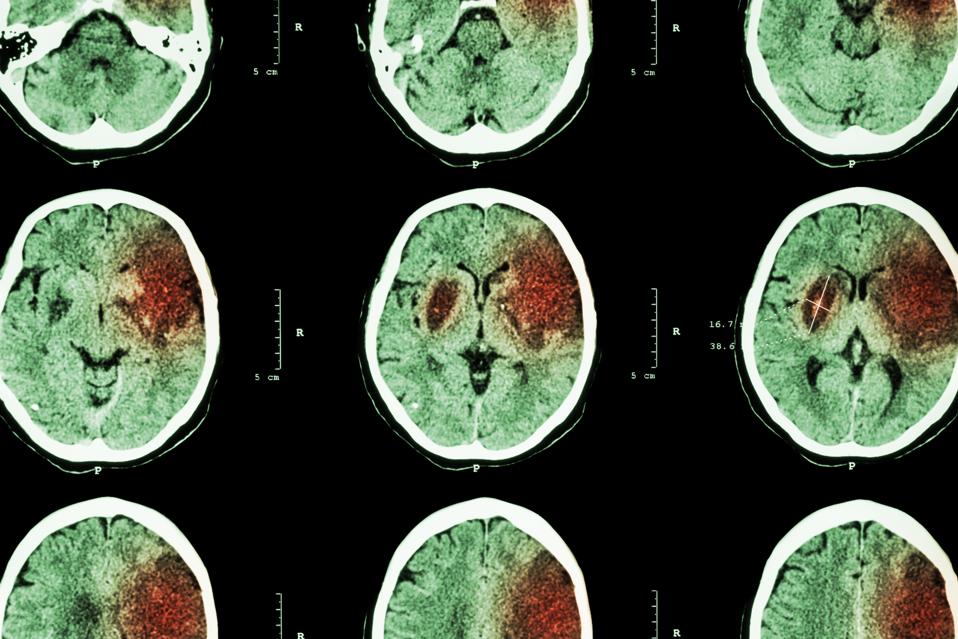
Nervous system issues were more common among patients with severe infections who tended to be older and more likely to have an underlying illness, often hypertension. These patients experienced acute cerebrovascular disease (i.e. ischemic and hemorrhagic strokes), impaired consciousness and seizure. Most neurologic symptoms – other than strokes and altered consciousness – occurred early in the disease course, median of 1-2 days. The authors also noted that some patients presented to the hospital only with neurologic symptoms as opposed to the typical triad of fever, cough or dyspnea.
What’s the Mechanism?

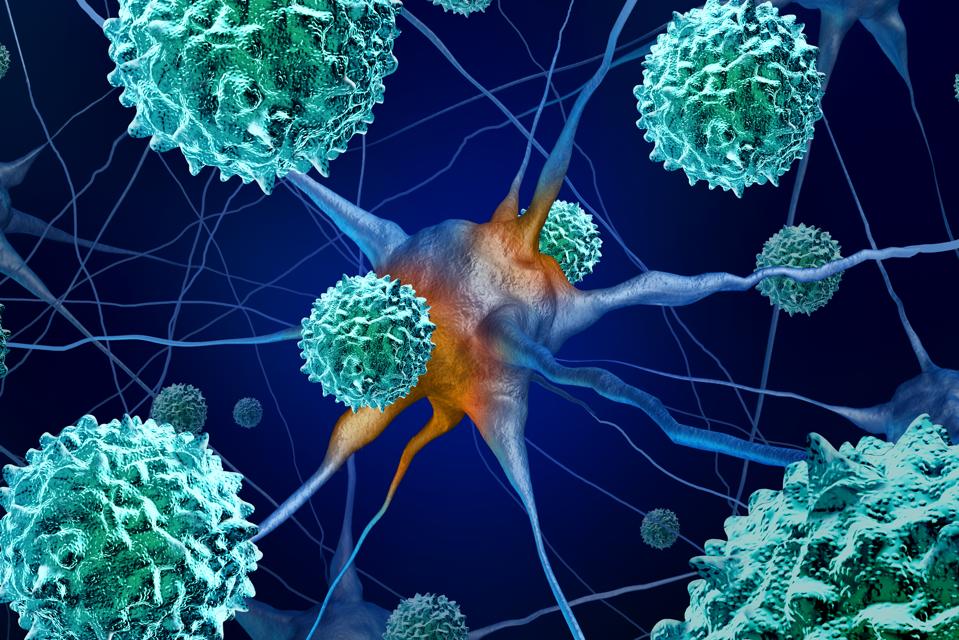
The exact pathophysiology is unclear. The authors hypothesize that SARS-CoV-2 is attacking the nervous system in a manner similar to that of the SARS and MERS viruses. Low levels of lymphocytes – a subset of white blood cells that fight infection – among patients with COVID-19 and CNS symptoms suggests immunosuppression, particularly among those with severe infection.

“While the exact mechanism of neurological involvement remains uncertain, it is likely a combination of direct viral invasion as well as the secondary effects of the immunologic and inflammatory responses directed towards the nervous system,” according to Thomas Pitts, MD, a neurologist and clinical neurophysiologist and Director of Neurology at New York City’s Hudson Medical.

Patients with severe infection were also found to have higher levels of d-dimer, a protein fragment associated with high levels of blood clot formation and breakdown. These findings are consistent with recent a phenomenon described by the American Society of Hematology as COVID-19-associated coagulopathy. In other words, patients with COVID-19 are exhibiting a high burden of clots in various parts of their body: lower extremities, lungs and the brain, with the latter two presenting as pulmonary emboli and ischemic strokes, respectively.

Study Limitations

The authors of the study acknowledged that the findings would be strengthened by inclusion of patients beyond Wuhan and China. In addition, all clinical data were obtained from electronic medical records, so mild symptoms such impaired taste and smell could have been overlooked. Lastly, in an attempt to reduce the risk of cross-infection among an influx of COVID-19-infected patients, diagnostic procedures (e.g. lumbar puncture and electromyography) and advanced neuroimaging (e.g. MRI) were avoided. As a result, most symptoms were based on a patient’s subjective findings. Moreover, the researchers could not determine if the neurologic findings were caused directly by SARS-CoV-2, lung disease or other organ damage.

While these nervous system findings are fascinating, we do not know how – if at all – they will impact patients with other neurologic conditions such as Parkinson’s, Huntington’s, Alzheimer’s and Myasthenia Gravis, according to Robert Carruthers, MD, neurologist and clinical assistant professor at the University of British Columbia Division of Neurology.

“We don’t know how these findings will impact patients taking immunosuppressive medications for autoimmune diseases such as multiple sclerosis who may be at a higher risk for developing complications,” added Dr. Carruthers.

So, What’s Next?

COVID-19-associated neurologic findings should prompt clinicians to consider SARS-CoV-2 infection in patients presenting with headache, seizures, dizziness, slurred speech, unilateral weakness or other nervous system manifestations. These findings have also moved neurologists to the frontlines, and they should expect to face infected patients in the coming months. Some are involved in nationwide conversations about these clinical findings.

“I’m part of an online group discussion with fellow female neurointensivists across the U.S.,” shared Dr. Swisher, adding that Sherry Chou, MD, a neurocritical care physician at the University of Pittsburgh, is leading a multinational consortium to prospectively evaluate neurologic complications in patients hospitalized with COVID-19. “The speed at which the protocol was developed and incorporated across institutions is nothing short of phenomenal.”

The novel coronavirus disease 2019 has unleashed medical and socioeconomic devastation on a global scale. We still have much to learn about SARS-CoV-2 and will need large-scale, controlled clinical trials to better understand the pathophysiology of this disease as well as discover effective treatment strategies.

I am an internal medicine physician board certified in addiction medicine. I serve as clinical assistant professor at the NYU Langone Health. Previously,

https://www.engadget.com/withings-sleep-analyzer-sleep-apnea-070032739.html

Withings adds sleep apnea tracking to its mattress sensor

Withings claims that it’s almost as accurate as hospital-grade polysomnography tech.
Withings Sleep Analyzer
Withings

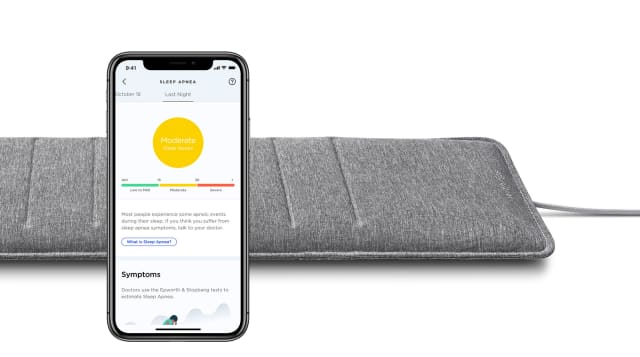
Withings is launching its third (or so) generation sleep tracking mat in the form of the Sleep Analyzer, which launches today. The mat includes the technology we expect, plus a renewed focus on sleep apnea, a condition that the tech industry is increasingly-focused on. According to the company, the apnea sensing in the new model has been validated with trials at hospitals both in France and Belgium used to diagnose the condition. And while Withings admits that the mat isn’t as capable as clinical gear, it’s accurate enough for most folks not to worry.

And, like its predecessor, Sleep Analyzer will track the user’s breathing, movement, heart rate and sleep cycle. As before, the intention is to offer you tips on how to improve your sleep, with coaching and tracking to keep you informed. If you have a smart home, too, then the mat can use IFTTT to, say, dim lights when you hit the hay or get a coffee pot going when you wake up.


Withings has been trying to make sleep-tracking bed mats into a thing since 2014, when it first launched its sleep analyzer system. Aura, as it was then known, paired an under-mattress pad with a dawn and dusk-simulating lamp and alarm clock. Since then, the company has ditched the alarm clock, releasing the standalone Sleep pad both under the Nokia and Withings brands as time progressed.

The Withings Sleep Analyzer is going to be available in Europe and the UK on April 28th, priced at €130 and £120, respectively. As usual, US availability will happen, but not until the technology and its claims have been given the appropriate scrutiny by the FDA. Given the current crisis around COVID-19, we’d imagine that regulatory attention is currently directed elsewhere, so don’t expect this to drop stateside very quickly.

https://www.sciencedaily.com/releases/2020/04/200427125115.htm

Eye pupil an indicator of effective decision making

Date:
April 27, 2020
Source:
U.S. Army Research Laboratory
Summary:
Researchers are investigating how eye-pupil size changes can indicate a person’s cognitive state as a means to enable teaming with autonomous agents.
Share:
FULL STORY

A team of Army and academic researchers are investigating how eye-pupil size changes can indicate a person’s cognitive state as a means to enable teaming with autonomous agents.

The future Army battlespace will require humans and AI agents to team effectively to accomplish mission-critical goals. Although AI agents can fill gaps in human performance, they are rigid and lack the flexibility inherent to human behavior, which could interfere with teaming.

“Humans’ brains are amazing, adaptable systems that automatically apply the right cognitive processes to complete a task and initiates each process at the right time,” said Dr. Russell Cohen Hoffing, a scientist at the U.S. Army Combat Capabilities Development Command’s Army Research Laboratory. “However, our brain’s resources are limited. Being able to predict a Soldier’s mental status before resources are maxed out is an opportunity for an autonomous agent to deploy capabilities to aid the Soldier. To make progress on enabling this technology, we wanted to better understand how physiological signals, such as pupil size changes, are related to performance and cognitive states.”

A joint effort between researchers from the Army and the Institute of Collaborative Biotechnologies at the University of California, Santa Barbara, the Cognitive Resilience and Sleep History, or CRASH, project seeks to understand how variations in state (as measured by physiological sensors) influence subsequent performance. PLOS ONE published the team’s research on a subset of the data set, “Dissociable mappings of tonic and phasic pupillary features onto cognitive processes involved in mental arithmetic.”

In this research, the team sought to understand the cognitive processes that affect pupil size changes — and the reliability of these relationships — as a foundation to estimate how human cognitive processes and performance can vary in real-world, cognitively challenging tasks, Cohen Hoffing said. The pupil is a unique data source, as it is the only internal organ of the body that brain networks directly modulate and is visible to the outside world.

“The potential of this research is exciting because eye tracking technologies are becoming universal in both commercial and military contexts,” Cohen Hoffing said. “Inherent to eye tracking algorithms, pupil size is estimated but rarely used for analytics. Our research program aims to generate knowledge products that enhance usability of this type of data to have greater insight into cognitive processes such as attention and decision making.”

The researchers collected repeated measurements from participants on eight separate occasions over four months. The data provided insights into the consistency of the pupil response and relationships to behavior both within and between individuals — with a unique glimpse into cognitive processes over time rather than in single-session studies, Cohen Hoffing said.

The findings of the study demonstrated that researchers can use pupil features to index both static and rapid-time varying aspects of cognition to understand how cognitive processes influence performance. Results indicated that at the trial-level, the time that each participant took to answer a mental arithmetic question correlated with the time to maximum pupil dilation and the size of the pupil. The relationship between performance and rapid pupil features indicated that a latent pupil response correlated with the process of reaching an answer, while pupil response increases correlated with the amount of attention applied to provide an answer. In contrast, average pupil size correlated with variability in how fast participants completed questions — suggesting that average pupil size indicates a readiness to perform the mental arithmetic task.

Results of the study confirm and extend previous research, showing that cognition reliably influences the pupil on at least two time-courses: a rapid, transient influence and a longer-lasting, sustained influence.

“These findings allow us to further understand in which cases pupil data may be useful for human and agent teaming,” said Dr. Steven Thurman, Army scientist and senior author on the manuscript. “For example, it may be the case that pupil size is most reliable in complex, real-world contexts only when averaging data over the course of several seconds or minutes. Such a case would enable the ability to track longer timescale changes in mental states, like vigilance, workload or fatigue, but potentially limit its use for tracking moment-to-moment decisions. It is important to employ longitudinal studies like this to understand the utility of pupil data on these varying timescales.”

Future studies will examine how to apply this research in real-world contexts, such as using virtual reality to test whether pupil size features can be exploited in dynamic contexts. This will be a steppingstone to test the efficacy of adaptive autonomous agents that use pupil size as an effective measure of hidden human states.


Story Source:

Materials provided by U.S. Army Research LaboratoryNote: Content may be edited for style and length.


Journal Reference:

  1. Russell A. Cohen Hoffing, Nina Lauharatanahirun, Daniel E. Forster, Javier O. Garcia, Jean M. Vettel, Steven M. Thurman. Dissociable mappings of tonic and phasic pupillary features onto cognitive processes involved in mental arithmeticPLOS ONE, 2020; 15 (3): e0230517 DOI: 10.1371/journal.pone.0230517

Cite This Page:

U.S. Army Research Laboratory. “Eye pupil an indicator of effective decision making.” ScienceDaily. ScienceDaily, 27 April 2020. <www.sciencedaily.com/releases/2020/04/200427125115.htm>.

https://www.kitguru.net/channel/generaltech/christopher-nohall/odroid-c4-is-a-viable-alternative-to-raspberry-pi/

ODROID-C4 is a viable alternative to Raspberry Pi

HardKernel has released new version of its ODROID single board computers – the ODRIOD-C4. This computer is sold for $50 and with its 2 GHz CPU and 4 GB RAM it’s a serious contender to the popular Raspberry Pi 4. 

The main CPU of the ODROID-C4 is built with a quad-core Cortex-A55 cluster with a new generation Mali-G31 GPU. HardKernel compares the ODRIOD-C4 to its predecessor ODRIOD-C2, saying that “the CPU multi-core performance is around 40% faster, and the system DRAM performance is 50% faster than the ODROID-C2”. However, it should be noted that the ODRIOD-C2 was released back in 2016.

Image credit: HardKernel

ODRIOD-C4 is capable of running Ubuntu 20.04 minimal as well as playing 4K videos using its HDMI 2.0 port. The board measures 85mm x 56mm x 1.0mm and weighs in at 59g when including the heatsink. The compact computer from HardKernel also comes equipped with an eMMC connector as well as a Micro SD slot. Lastly, the ODRIOD-C4 also ships with a 1 GbE LAN port and four USB 3.0 ports.

ODRIOD-C4 is available to order HERE.

KitGuru says: Competition almost always benefits us consumers, so lets hope that ODROID-C4 performs on par with the Raspberry Pi 4. What are your thoughts on the ODRIOD-C4? 

https://www.womenshealthmag.com/sex-and-love/a32190027/sexually-frustrated/

What To Do If You’re Feeling Sexually Frustrated In Your Relationship

~Grabs vibrator~

WESTEND61GETTY IMAGES

There are a lotta reasons you might be feeling sexually frustrated in your relationship, and they don’t all have to do with a dry spell.

Maybe you’re feeling guilty about being too tired to have sex. Maybe you don’t like how your partner asks for sex. Or maybe you’re not lovin’ the type of sex that you’ve been having. Whatever the situation, take a sigh of relief: You can absolutely overcome sexual frustration for a more satisfying sex life. Phew.

But first, understand that these feelings are totally normal. “Sexual frustration is very common,” says Megan Fleming, PhD, a clinical psychologist at Weill Cornell Medical College of Cornell University. Lots of couples seek professional help because of their sexual frustration, and there’s no shame in that game.

“There’s this idea that you need to match your partner’s libido, but I don’t think that’s necessarily true,” says Maggie Dancel, PhD, a clinical psychologist, and host of the podcast Full Disclosure. “Someone with a low libido can be with someone with a high libido.”

The key, of course, is having the tools and tips to address the issue:

Don’t blame your partner.

Even though you might feel frustrated (hence the term “sexual frustration“), you don’t want to point any fingers at your partner. Remember: It’s a we issue, not a them issue. People have different sexual preferences and turn-ons—why sex can be so, so exciting!—and there’s nothing wrong with either party if you aren’t in-sync.

Instead of blaming, discuss the things you’d like more of in the bedroom. “See your frustration as an opportunity,” says Fleming. “Talk about your desires and the things you’d both like to do.” Try bringing this up after you’ve had sex, when the vibes are good and you can highlight the stuff you really liked. “Wow, I’d love to do that again…and again…”

Touch each other (but not like that).

Dancel suggests a little somethin’ called Sensate Focus Therapy, which focuses on sensual touch but not sex, for couples with mismatched libidos. By removing sex from the equation, there’s less pressure on the partner with lower desire but the other person can still experience touch and connection.

To try it out, have one person lay down while the other touches non-erotic places (example: boobs are off-limits). Then, after 15 minutes, switch; the person who was lying down becomes the person who touches. Up the ante each week, until you work your way back to having sex again. Anticipation does wonders.

Make a (sexy) list.

Dancel recommends writing a list of things that you really enjoy or want to try. These things could be sexual (watching porn together) or just sensual (cuddling). After you agree on your list (you obvs can’t add anything your S.O. doesn’t feel comfortable with) put each item in a hat or a box. Once a week, or whenever you’re feeling it, grab a suggestion and get busy.

Add some toys to the mix.

If you’re feeling sexually frustrated not because you’re aren’t having sex but because you aren’t orgasming, there are plenty of tools to help with that…and they’re called vibrators. Most experts—and ahem, women—agree that it’s difficult for ladies to climax from penetration alone, so there’s no shame calling in some extra help. Again, talk to your partner about this ~desire~ and it to your list above.

https://www.counterpunch.org/2020/04/27/sex-life-in-the-time-of-the-21st-century-plague/

Sex Life in the Time of the 21st Century Plague


“We’re both really embracing this [sex] as time together rather than using it to stress out,” report a school teacher from Chattanooga (TN) to NBC News. “There’s fear in general, sure — there are people that I love that are at a higher risk — but sex has definitely been a distraction for us. It’s finally a moment when we’re not thinking about or talking about this virus.”

The coronavirus is spreading, the death rate rising and the number of the those working from home and/or are unemployed is reaching unprecedented levels. Compounding this situation, the CDC advocates “social distancing” – “remaining out of congregate settings, avoiding mass gatherings, and maintaining distance (approximately 6 feet or 2 meters) from others when possible.”

It is a period when an ever-growing number of Americas are stuck at home and likely with more “free time” then they know what to do with. Sure, for some it is turning into a great escape from the daily grind – time to clean house, to read the books or see the movies one’s put off and, for some, to have sex.

For many couples and individuals with kids at home (especially younger ones who can’t fully understand what’s going on), however, childcare can be overwhelming. For others, the boredom of endless domestic life can foster bickering if not outright abusive situations. And for those living alone, the tedium of bad TV, ever-repetitive media reports (how much Trump’s self-promotion and ever-worsening medical reports can one take?) and other ways to waste time will take their toll.

Jessica Zucker, a psychologist writing for NBC News, advises readers, “sex can be a great stress reliever.” She warns, “but if you’re feeling an aversion to sex, whether it be with your partner or yourself, know that your reaction, too, is typical. There is no one ‘right’ way to handle unprecedented moments such as these.”

The TV doctor, Mehmet Oz, MD, confirmed this opinion. “The best solution if you’re holed up with your significant other in quarantine is have sex,” he said. “You’ll live longer, you’ll get rid of the tension … maybe you’ll make some babies. It’s certainly better than staring at each other and getting on each other’s nerves.”

There appears to little data analyzing sex life during the current plague. Zucker reports that in a poll she conducted with her 46,000 Instagram “community” as to whether the epidemic was helping or hurting their sex lives, responses were split almost down the middle: “52 percent said their sex life had improved, and 48 percent said it was stunted.”

However, a recently reported poll of about 9,000 people concerning the impact of the coronavirus on their sex life offers a surprising insight. One quarter of the respondents (24%) said the outbreak had positively affected their sex lives; another quarter or so (28%) reported its impact being neutral; and nearly half (47%) claimed that Corvis-10 had negatively affected their sex life.

So, how is your sex life during the time of the 21st-century plague?

***

Sex is a complex personal and social phenomenon. It can involve a wide range of very different experiences and practices. For example, it can include but is not limited to (i) sex with oneself (e.g., autoeroticism, voyeuristic), (ii) sex with another (i.e., hetero or homo, consensual, commercial or coerced) or (iii) sex with others (e.g., group encounters). And then there are all the ways people can engage in sex, everything from the old-fashioned “doggystyle” to the latest “sex-wellness” product or online VR “partner.”

The best single source for information about sexual practice and coronavirus is a recent release from the New York City Department of Health, “Sex and Coronavirus Disease 2019 (COVID-19).” It warns: “All New Yorkers should stay home and minimize contact with others to reduce the spread of COVID-19.” And then it suggests a variety of “tips for how to enjoy sex and to avoid spreading COVID-19.”

First and foremost, NYC Health urges people to “have sex with people close to you” and to “avoid close contact — including sex — with anyone outside your household.”

Most helpful, it offers the following four suggestions as to how to have safer sex:

+ Avoid kissing anyone who is not part of your small circle of close contacts.

+ Rimming (mouth on anus) might spread COVID-19; virus in feces may enter your mouth.

+ Condoms and dental dams can reduce contact with saliva or feces, especially during oral or anal sex.

+ Washing up before and after sex is more important than ever; wash sex toys with soap and warm water; disinfect keyboards and touch screens that you share with others (for video chat, for watching pornography or for anything else).

And, finally, skip sex if you or your partner is not feeling well.

***

Nothing illuminates the impact of the current plaque on sex life then how it’s playing out in two key sectors of the sexual marketplace – pornography and (consensual) sex work. The outcomes are predictable.

Pornhub claims to be the world’s leading free porn site and as the coronavirus captured ever-increasing countries around the world, viewership of porn skyrocketed. It reports that the upswing in viewership started on March 9th and by 11th it had climbed by 14 percent. On March 13th, it reports there was a 5.1 percent increase in U.S. traffic compared to an average day, and a 6.4 percent increase on March 17th. Ever opportunist, it took advantage of the new plague by offering a limited fee “premium” that led to a spike in viewership, nearly 18 percent in the U.S. and 16 percent in Canada; increases in viewership jumped in Italy, Spain and other countries as Covid-19 played out.

Forbes reports that the term “corona virus” first appeared on Pornhub on January 25th and continued to rise. It reports that as of March 3rd, there were over 6.8 million searches containing the keywords “corona” or “covid”. Searches peaked on March 5th at 1.5 million and, it observes, “with the American public getting ready to settle in for a few weeks of self-isolation, Pornhub is likely to see another rise in traffic, regardless of keywords.” Perhaps most revealing, it notes: “District of Columbia is top of the list for popularity of coronavirus searches [on Pornhub] by state when compared to the U.S. average.”

The Daily Caller, a right-wing website, warns that “a pornography website [IsMyGirl] is targeting McDonald’s workers suffering low wages during the coronavirus pandemic by offering them the opportunity to earn upwards of $100,000 a year to participate in pornographic content.” The site’s founder, Evan Seinfeld, said in a press release sent to more than half a million McDonald’s staffers: “In an effort to help McDonald’s employees, and to make sure they can continue to provide for themselves and their families, we want to help provide them with a legitimate option.”

Porn industry performers appear to be especially vulnerable to coronavirus. The Free Speech Coalition [FSC] — the adult industry trade association – takes a strong stand: “Shooting [porn] at this time is not safe, but closing PASS and prohibiting shoots with one’s household partners would only compound an already alarming public health situation. [PASS is the industry’s centralized opt-in testing system, Performer Availability Screening Services (PASS), in which performers are tested every 14 days.]

To its members, it advised the following safer-sex practices:

+ Stay at home.

+ Shoot only solos or with partners who live in your household.

+ Do not leave your home to work.

+ Do not have physical contact with someone who doesn’t live in your household

The FSC’s communications director, Mike Stabile, warns, “right now, most performers want to continue to shoot while they can—sets are less risky than the grocery store, and who knows how long an Italian-style shutdown will last.” He reminds people, “adult performers don’t get sick days or government bailouts, and many crew members’ non-adult jobs are already being cancelled.

Many porn production studios are closed due to the virus, but some porn performers are taking advantage of the downturn to create new opportunities. One performer, Maitland Ward, says, “I’m stuck at home, too, so I’m doing a lot more content just to fill time as well.” She reports, “actually, I’ve seen upticks in some of my income because people are home and they want entertainment and they want to get away from all the corona stuff.”  Another performer, Sarah Vandella, claims that “adult models and actors … are encouraged to utilize their own personal time to continue to create content as much as possible” for Skype and other streaming platforms.

While there appears to an upswing in porn viewing, the fate of (consensual) sex workers is more precarious. Maxine Doogan, head of the Erotic Service Providers Legal Education and Research Project, decries the impact of the coronavirus pandemic on sex work: “There’s just no business. … It’s not happening.” The group, Decriminalize Sex Work, shares this assessment, warning, “sex workers are a financially vulnerable and criminalized community, and thus their lives are greatly impacted by times of uncertainty and strife.”

In April 2018, Pres. Trump signed into FOSTA-SESTA, a law ostensible aimed to contain sex trafficking and further the religious right’s culture wars. However, its principle accomplishment was to close the website, Backpage.com, that promoted commercial sex. Looking back, Doogan notes that one consequence of new law was that “a lot of people lost their housing pretty immediately, they lost their business, their ability to feed themselves. We’re going to see that with this quarantine, no doubt.” Amidst today’s crises, she reflects, “I have older customers that I’m concerned about their health.” “I’m keeping connections with people — email, and text, and calling,” she adds. “It’s what we had to do when we lost our websites. We called each other, we called our customers, we kept connected.”

Other sex workers share Doogan’s concerns. “We are facing a lot of fear of loss of housing, hearing from people who are forgoing medication in order to afford food, going hungry in general,” says Fera Lorde of the Brooklyn chapter of the Sex Workers Outreach Project. “Sex work serves a vast population of people for many different reasons, and many of us are already living with risk factors like pre-existing conditions, lack of healthcare, family members to take care of who are elderly or disabled, or unstable housing.” Decriminalize Sex Work has published on online coronavirus health guide, “Sex Worker and LGBTQIA Resource Guide: COVID-19.”

Most sex workers, like “gig” workers and nondocumented workers, may not file annual income tax forms and, thus, many not qualify for unemployment benefits or the planned federal bail-out payment. Many are facing very hard times. So, sex-worker support groups – like for restaurant workers and others – are setting up crowd-funding campaigns to help meet people’s needs. A GoFundMe group, Emergency COVID Relief for Sex Workers in New York, has raised nearly $60,000. Other groups – e.g., SWOP Brooklyn, Lysistrata Mutual Care Collective and the Butterfly Asian and Migrant Worker Support Network — are undertaking similar projects.

***

In a recent New Yorker article, the social historian Jill Lepore discusses the unique role literature plays in our understanding of plagues. She traces “plagues,” natural and political, over the last six centuries through a half-dozen memorable works of fiction. As she advices contemporary readers, “Stories about plagues run the gamut, from ‘Oedipus Rex’ to ‘Angels in America.’ … There are plagues here and plagues there, from Thebes to New York, horrible and ghastly …”

Her article meanders, insightfully, from Giovanni Boccaccioi’s The Decameron (14th-century Black Plague); to Daniel Defoe’s “A Journal of the Plague Year” (the London plague of 1655); through Mary Shelley’s “The Last Man” (set in 2092); Edgar Allan Poe’s “The Masque of the Red Death” (a medieval world); Jack London’s “The Scarlet Plaque” (set in 2073 but looking back to 2013); Albert Camus’s “The Plague” (set in the 1940s with the plague referring to the “virus of Fascism”); and to José Saramago’s “Blindness” (a critique of “the 20th-century authoritarian state”).

One can only hope that a writer with equal artistic talent as those discussed by Lepore will one day capture the reality of the first (of perhaps many) 21st-century plagues, coronavirus. And, equally revealing, convey the meaning of sex life for those enduring Corvis-19.

More articles by:

https://www.shape.com/lifestyle/mind-and-body/cognitive-behavioral-therapy-insomnia

After trying seemingly every conceivable method to treat her insomnia, Leslie Stephens shares how cognitive behavioral therapy for insomnia (CBT-I) finally worked for her.

By Leslie Stephens as told to Faith Brar 

April 27, 2020
Leslie Stephens
INSTAGRAM/@LESLIESTEPH

I first went to therapy for my insomnia when I was  6 years old. That was also the first time (of many) that I’d be asked if I had

tried counting sheep or told if I laid in bed long enough, I was bound to pass out.

Even at that young age, I remember being deeply offended by those suggestions. I mean, of course, I’d tried both of these things, as well as avoided naps during the day, went to bed at a reasonable hour, forced myself not to look at the clock when I woke up in the middle of the night—and every other age-old sleep tactic you could imagine. But as I got older, sleep continued to evade me and what I didn’t know at the time was that it would take me decades to find a solution.

How My Insomnia Progressed

Sleepless nights have been a part of my make-up since I was just an infant. At first, my parents chalked it up to me being a particularly restless child. But by the time I was six, I was staying up an average of one night a week, and by staying up I mean I wasn’t sleeping at all—not even for a second. By the time I was in middle school, one sleepless night a week turned into two and that carried on through high school.

If you’ve ever lost sleep because of stress or pulled an all-nighter for work, you likely have an idea of how you’ll feel the next day: tired, grumpy, and a bit out of sorts. But the long term effects of sleep deprivation are no walk in the park. Insomnia, by definition, is a sleep disorder where you struggle to fall asleep and stay asleep. Some people struggle with short-term insomnia that lasts days or weeks, and then there are people like me with chronic insomnia that lasts for an extended period of time. (Related: Why Insomnia Makes Your Blood Pressure Skyrocket)

Slowly but surely, the impact of my insomnia began seeping through to other parts of my life. I struggled to think clearly, started having trouble with my memory, and concentrating became a real task. There were days I couldn’t focus in class and doing my homework became increasingly difficult. I also ran track and my performance began to suffer—and there were times I needed to skip meets entirely because of sleep deprivation.

Then, in 2008, during my sophomore year, I didn’t sleep for three nights in a row—for the very first time.

At this point, I had been to several therapists, and nothing they said seemed to work. I had also tried melatonin and was disappointed again. Feeling short on options, my parents and I decided to visit a sleep study center for some more vigorous testing.

The goal was to find out if there was something physically wrong that was causing me not to sleep. They tested me for everything including sleep apnea, narcolepsy, and sleepwalking. I came back negative for everything. Disheartened and at a loss, we were back to the drawing board once more. (Related: The Best Sleep-Better Products to Finally Help Cure Your Insomnia)

The Decision to Start Medication

For the next few years, I pushed through my insomnia. Every week, I laid awake one or two nights in a row—and on occasion, I’d go through a three-night stretch, which was always a nightmare. In college, my insomnia was made worse by anxiety. Adjusting to university life is hard enough, but not sleeping made it that much harder. The more stressed I was, the more it affected my sleep and within a year, I started noticing my insomnia transform. (Related: Can’t Sleep? 6 Weird Reasons You’re Still Awake)

When I was younger, on the nights I could sleep, I slept for a solid eight hours. On the nights I had insomnia, I couldn’t sleep at all. But in college, I struggled to sleep every night, and even on a “good” night, I got maybe four hours of sleep. And I still had nights where I wasn’t sleeping at all. I was at a loss. There were days when I actually felt like I was going insane. Any negative emotion I felt was multiplied exponentially because of my exhaustion. I no longer had the mental capacity to function normally and by the time I was a junior in 2013, I entertained the idea of trying medication.

This was a huge step for me because up until that point, I really believed a natural solution was out there. My whole life I had felt like my inability to sleep was linked to my emotions. I thought that if I continued talking to therapists and working through those thoughts and feelings, I’d somehow be able to sleep normallybut it became increasingly clear that that was wishful thinking. (Related: The Best Therapy and Mental Health Apps)

So, instead of going to see a mental health professional, this time, I went to a general practitioner explained my history with insomnia and asked for medication. I walked away from that appointment with two prescriptions in hand: an anti-anxiety medication to help calm my thoughts and Ambien, a sedative, to help me fall asleep.

Coming Across Cognitive Behavioral Therapy (CBT-I)

For those of you who aren’t familiar with Ambien, it’s an intense drug. It comes with a plethora of side-effects including confusion, agitation, hallucinations, memory loss—the list goes on. It’s why my doctor advised me to use it in times of utter desperation, which for me meant losing sleep for at least 72 hours straight. When I did pop a pill, it would knock me right out—to a scary degree, but at least it was getting the job done. (Related: This Is the Actual Definition of a “Good Night’s Sleep”)

I kept taking the sleeping pill for four more years. By then, I was 24-years-old and my insomnia was still very much there. Yes, the Ambien helped me sleep, but there were still nights I couldn’t sleep for hours, and nights I didn’t sleep at all. I felt like the meds weren’t really a long-term solution, they were just a crutch to make my insomnia more bearable. I started debating if I should go off of them, and then heard of some new studies that linked the prolonged use of Ambien to Alzheimer’s. I took my concerns to my doctor and ultimately made the decision to stop taking both medications (the anti-anxiety and Ambien) and start back at square one.

Over the next two years, I did my best to keep my insomnia at bay through natural methods. I tried everything. I worked on keeping my stress levels low by managing my time better and talking about my feelings. I tried avoiding screen time 30-minutes before bed. I also switched my workouts to the morning so I wasn’t hyped up on endorphins close to bedtime. Nothing worked. Then, in 2019, a reader from Cupcakes and Cashmerethe lifestyle blog for which I’m the VP of Content—suggested that I try something for my insomnia that I’d never even heard of: cognitive behavioral therapy, specifically for insomnia (CBT-I). She said that it had helped cure her insomnia naturally, which was music to my ears. (Related: How to Stop Insomnia, According to a Functional Life Coach)

Before this point, I had never heard of CBT-I, but I was so desperate for a solution that I was willing to try anything. So I decided to do some preliminary research and became very intrigued. Turns out, CBT-I is considered an effective, evidence-based treatment for managing chronic insomnia sans-sleeping pills, according to the National Sleep Foundation. I also learned that it’s the recommended first line of treatment for chronic insomnia by the National Institutes of Health, which blew my mind since no therapist or doctor had ever mentioned it to me before. So one night, when my insomnia had me awake at 3 a.m., I decided to Google ‘cognitive-behavioral therapists’ in my area. I clicked on the first person that popped up, a psychologist/sleep medicine specialist, and booked an appointment. (You can also search for a behavioral sleep medicine provider through the directory online at the Society of Behavioral Sleep Medicine.)

How CBT-I Transformed the Way I Slept

My first CBT-I session focused on teaching me about sleep, particularly the two processes that regulate sleep and wakefulness: The homeostatic process, which regulates sleep intensity, and the circadian process, which regulates the time at which you need to fall asleep. As I began to understand, if both these processes are in sync, sleep quality increases significantly.

To help both these processes align, my therapist sent me home with a sleep journal (vs. a worry journal, although experts say that too can help with sleep). For the next week, I was told to stick to my normal schedule and jot down when I got into bed, how long it took me to fall asleep, how many times I woke up in the middle of the night, and how long I stayed awake during those periods.

When I went back for my second appointment, the therapist calculated my sleep efficiency based on what I had recorded by plugging it into an equation. Turns out, I was averaging six hours of sleep per night (vs. the seven-to-nine hours recommended by the Mayo Clinic), based on the nights I didn’t sleep at all and on the nights I slept a solid eight hours. That meant my sleep efficiency was 72 percent. A recommended sleep efficiency is 90 percent or higher, according to my therapist. (Related: New High-Tech Bandage Could Soon Diagnose Sleep Disorders)

Those numbers then set me up for the next step in the process: Sleep restriction. This method is a crucial part of CBT-I and is used to improve sleep efficiency by limiting the amount of time you’re allowed to be in bed at night.

Since I was averaging six hours of sleep, I was restricted to only spending six hours in bed each night—regardless of whether I actually slept during that time or not. The goal? To teach my body to get as much sleep as possible in six hours. Once I could do that, six hours would turn into six and a half, then seven, and so on until I found the exact hours of sleep I needed to function optimally.

With that, I also had to follow some rules around sleeping recommended by my therapist. For starters, I had to completely change the way I thought about my bed so it was no longer a place of stress and anxiety. It needed to become a place where I slept and was intimate. That’s it. So I worked on making my bedroom a restful, distraction-free, and minimalistic space. Now, there’s not much else in my bedroom except for my bed, which TBH is as zen as it gets. (Related: Orthosomnia Is the New Sleep Disorder You Haven’t Heard Of)

If I wanted to do something to wind down before bed, like read a book, or chat with my fiancé, it had to happen outside of my bedroom. The same went for waking up in the middle of the night. Instead of just laying in bed and staring at the ceiling, I had to get up and go elsewhere. A part of that was to help make the bed less worrisome, but it also accelerated my sleep drive, aka my biological need for sleep.  Now, instead of spending hours in my bed awake, I got out of bed, read a book in dim lighting, and started feeling sleepy much faster. (Related: The 5-Minute Yoga-Meditation Mash-Up That Relieves Insomnia)

For the next month and a half, I followed these rules to the T and to my absolute surprise, started seeing progress on a weekly basis. In just six weeks, I was sleeping eight hours a night, on most nights, which seriously improved my quality of life.

Looking Ahead

Now nearly six months since starting CBT-I, I consider my insomnia cured. I still go to therapy once every three-to-four months, but now it’s mostly to just check in on how I’m doing.

But there are still things that trigger my insomnia—like drinking. If I have a glass of hard alcohol a few hours before bedtime, I almost always wake up in the middle of the night. (Which, btw, is a common occurrence regardless of whether a history of insomnia is present, as alcohol decreases REM sleep—the most restorative phase of sleep—in addition to wreaking havoc on other parts of sleep too.)

Working out too close to bedtime can also do some serious damage to my ability to score meaningful shut-eye. So, I try to exercise early enough in the day so that I’m not too hyped up to fall asleep. (Cardio in the morning helps ensure that my body is tired enough to fall asleep that night.) And, not shockingly, screens—be it my phone, computer, or TV—also trigger my insomnia. So, I try to start unwinding (meaning no devices) at least an hour before I need to be asleep, which can help make falling and staying asleep a bit easier. (Related: 3 Ways to Prevent Post-Workout Insomnia)

The biggest trigger for me, though, are my emotions. Recently, since Los Angles, where I live, issued a shelter-in-place order for the coronavirus, my anxiety is heightened. My days aren’t as structured, I’m exercising less, so I’m not as tired, and in general, sleeping just hasn’t been easy. I’ve also been waking up in the middle of the night more often, and have struggled to have positive thoughts. All of this has made sleep more challenging, but I know it’s all a part of the process. I know there will always be times where my sleep is compromised because life will always have its ups and downs.

But even though my recovery hasn’t been linear, I still haven’t had a single entirely-sleepless night since I started CBT-I. In short, I’ve slept better than I have my entire life—and for that, I couldn’t be more thankful.

https://www.instyle.com/lifestyle/may-horoscope-2020

Experts say pain relief, lowered stress levels, balanced hormones, and increased blood flow are going to amp things up in the bedroom.

By Dominique Michelle Astorino

Apr 24, 2020 @ 5:30 pm
Can CBD Impact Your Birth Control?

There’s CBD in your deodorant, your serum, and your toothpaste. Your grandma’s using it for her arthritis. Even IKEA put CBD in meatballs (ew, but OK). The “green boom” and legalization of cannabis across many states has resulted in the normalization of hemp-based supplements and with the mainstream embracing CBD. (Maybe you even have some in your medicine cabinet right now.)

Chances are, you’ve also seen an explosion of CBD topicals (lubricants, creams, gels, and suppositories) and ingestibles (capsules, gummies, and tinctures/oils) geared towards boosting your sex life and sexual wellness.

As it turns out, there are a number of applications cannabidiol can have in the bedroom, from managing your hormones to alleviating pain, and even to increase your libido (so… buckle up).

RELATED: What’s the Difference Between CBD Oil and Hemp Oil?

A disclaimer: After almost 100 years of everything cannabis-related being off-limits, there’s not a ton of human research to back up CBD’s medical claims. One reason? “CBD is still considered a Schedule 1 drug on the Controlled Substance Act and as such, researchers and scientists are prohibited in doing studies,” says Bonni Goldstein, M.D., medical advisor to Weedmaps, a site that connects cannabis consumers, patients, retailers, doctors, and brands. So although anecdotal evidence has swelled like a tsunami (a survey from Remedy Review reported 68 percent of people said CBD improved their sex life), we’re still (eagerly) waiting for clinical backup.

Ahead, a look at what we do know about CBD’s ability to boost libido, enhance orgasm, foster intimacy, and more.

Pain, Be Gone

One of the best-known uses of CBD is as an analgesic — it’s used to relieve pain. And this is a big deal for many women when it comes to sex. Dyspareunia (a blanket term for disorders leading to painful sex) is a barrier that keeps upwards of 40% of women from enjoying — or even experiencing — intimacy and experiencing pleasure, according to some estimates.

There are a number of ways topical CBD can help, explains Colleen Gerson, a functional medicine coach and herbalist at Foria, a CBD sexual wellness brand. Lubricants and suppositories can “enhance pleasure and libido by increasing blood flow, which increases lubrication and sensation, relaxing smooth muscle tissue, and easing tension,” Gerson explains.

This probably comes down to CBD’s well-known anti-inflammatory properties and ability to relax the muscles (less pain, inflammation, and tension would all contribute toward alleviating dyspareunia).

Citing six years of feedback from the Foria customer base, the anecdotal evidence for this use is astounding, Gerson says. (Seriously, read the reviews. Claims include it “saved my marriage”.) What’s more, in a 2019 survey conducted by Remedy Review of over 500 adults, 98 percent of those surveyed said CBD helped alleviate pain during sex.

RELATED: When Doctor’s Don’t Listen, Women Treat Their Own Sexual Pain — Here’s How

Achieving Orgasm, Starring CBD

If the big O has been slightly out of reach (or less than satisfying), enter: cannabis. A 2019 review paper showed cannabis led to longer, more satisfying orgasms.

How? CBD can increase blood flow to tissues and improve nerve sensation, both of which can help make sex more pleasurable while intensifying an orgasm.

“There is anecdotal evidence to suggest that the direct application of CBD-infused lubricants to the genitalia increases blood flow to the area,” explains Robert Flannery, Ph.D. of Dr. Robb Farms. “An increase of blood flow to female genitalia has shown to increase sexual arousal and the intensity of orgasms. Both very good things.”

RELATED: 16 Masturbation Tips for Mind-Blowing Solo Sex

Less Stress, More Libido

When you’re stressed or anxious, sex is probably the farthest thing on your mind. Science confirms this, too — studies have shown that the stress hormone cortisol can lower your libido.

“It has been widely studied and shown that anxiety — both general and specific to sexual performance — limits a woman’s sexual arousal,” Dr. Flannery says. One of the biggest ways CBD consumption can help a woman’s sex life, especially for those suffering from sexual performance anxiety, is its ability to reduce anxiety (by triggering the serotonin receptor), he explains.

“By reducing cortisol and activating the PNS (parasympathetic nervous system), we’re going to drop into a more restful, receptive, sensually supportive capacity of the body,” adds Gerson. So if anxiety is getting in the way of your eh… extracurricular activities, consider CBD’s anxiolytic benefits as a potential solution.

Of note: this may just apply to women. One study showed that cannabinoids could potentially lower a man’s sex drive, though this particular study looked at marijuana (aka, all the cannabinoids, including THC), not just isolated CBD.

Balancing Hormone Levels = Higher Drive

CBD could potentially help your body balance hormone levels, which can increase sex drive. “The Endocannabinoid System (ECS) works overall to maintain homeostasis in the body, to regulate systems and organ function towards balance and harmony,” said Gerson. “So CBD’s relationship with our hormones and reproductive health is likely multifaceted, as ultimately a balanced body is fertile and vital (in it’s reproductive years).” She called hemp an “ally to hormone balance.”

This also comes down to how it (purportedly) helps the body deal with stress. In theory, if you manage bodily stress, your hormones will recalibrate as well. “While CBD can support some of the symptoms of hormone imbalance like pain, anxiety, or insomnia, it can also support via a key underlying root, stress,” says Gerson.

And FYI, if you’re open to it (and in a state where it’s legal), you might want to try THC, too, which may have an even greater impact than CBD to turn up the heat, Gerson adds.

RELATED: Smoking More Weed Right Now? You Should Probably Read This

Emotional Intimacy, Initiated

There’s another way CBD can improve your sex life: It can provide for a deeper emotional connection during intimacy.

Here’s how: “CBD increases the serum concentration of an endocannabinoid neurotransmitter called anandamide, which is closely associated with oxytocin, known as the ‘cuddle chemical,’ ‘hug hormone,’ ‘love hormone,’ or ‘moral molecule,’” Dr. Flannery explains. “Research has shown that an increase in anandamide during social contact, including a sexual experience, increases the pleasure of said contact.”

“The etymology of the word ‘anandamide’ is derived from the Sanskrit word ‘ananda,’ which translates to ‘joy, bliss, delight,’” he adds (sounds very kama sutra-esque). “This might give some insight as to what it can do.”

https://www.housebeautiful.com/uk/lifestyle/a32251240/sleeping-positions/

8 sleeping positions and what they say about your personality

From foetus to starfish, find out yours…

What does your sleeping position say about you? New research has just uncovered what your snoozing habits reveal about your personality. From foetus to starfish, find out yours…

Our sleeping positions go beyond simply lying on our back, front and sides. Some people sleep best on their sides, while others will favour stretching out across the bed.

Research conducted by British towel manufacturer, Christy England, took a deep dive into some of the most popular sleeping positions and what they all mean. The way we sleep during the night can reveal a lot about our personality traits, so take a look at the various positions below.

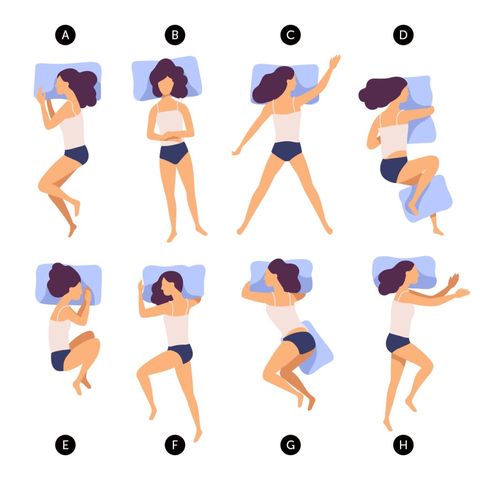
A. Skydiver

The skydiver position is when you sleep on your stomach with your head to one side and your arms wrapped around the pillow. Much like its name suggests, a skydiver has a playful character and isn’t afraid of adventure.

Helena Mead at Christy England explains: ‘They are usually to-the-point, but this can sometimes come off as brash. They tend to be risk-takers and seem free-spirited, but skydiver sleepers can be anxious and crave control of a situation.’

B. Stargazer

The stargazer position is similar to how you would stargaze outside: you have your arms behind your head or resting on them while lying on your back. It’s often a popular position with people taking quick power naps.

As for personality? ‘These type of sleepers are more positive and helpful. They have an easy-going, positive outlook, much like side sleepers. They will do anything to help friends and family, and are extremely loyal to those that they hold dear to them,’ says Helena.

C. Starfish

The starfish position is sprawled out across the bed, much like the sea creature itself. You don’t really have a set position but you’re usually on your back, stretching your arms and legs out wide.

‘These sleepers are eager to give friends support. They’re outgoing and positive but don’t want to be the centre of attention. They are more carefree and tend to go with the flow. They are great people to be around, people-pleasers and natural leaders,’ explains Helena.

D. Pillow-huggers

Do you fall asleep with your arms wrapped around your pillow? If so, then you like to feel cosy. As well as caring about personal relationships like stargazers, you are more family-orientated than others.

Helena adds: ‘Personal bonds in their life are often the most important things to them. They are very loyal to their significant others, friends, and family.’

sleeping positions, christy england

E. Foetus position

The foetus position is also known as the baby position, and studies show this is the most common sleeping position. Previous research conducted by On Health found that, on average, 41 per cent of people sleep in the foetus position. This is where you sleep on your side with your legs curled up underneath — mirroring a baby in the womb.

‘This position has a few different traits,’ says Helena. ‘They like the sense of safety the position offers as they doze off. In general, they are more sensitive people. Although more sensitive, they can often exhibit a tougher exterior. They can come off as shy, but they are more personable than others.’

F. Stomach sleepers

While stomach sleepers have bold personalities and are often more sociable than others, they are not as confident on the inside.

Helena says: ‘Stomach sleepers don’t take criticism well and problems don’t roll off their back as easily as with others. They don’t handle stressful situations well as they tend not to have a thick skin.’

G. The hugger

Similar to the foetus position, the hugger involves sleeping while clutching a pillow. If this is you, then you find peace and relaxation from holding onto a pillow tightly.

‘This is a sign of an affectionate cuddler. These people like to feel safe, warm and protected, but they can also be strong,’ says Helena. ‘These people value strong and long-lasting friendships, are close to their family and they are nurturing to their partners. This position is also associated with absent-mindedness. They love to daydream, think of new possibilities and are good problem-solvers.’

H. The Yearner

The yearner sleeping position is where you sleep with your arms and legs stretched out.

‘They are less gullible, however, they tend to take a long time to make up their minds. Once they have their mindset, you can’t change it. They can also be more cynical,’ says Helena.

http://linuxgizmos.com/sparkfun-launches-robotics-and-display-phats/

SparkFun launches robotics and display pHATs

Apr 27, 2020 — by Eric Brown — 414 views

SparkFun has launched two pHATs for the Raspberry Pi, Jetson Nano, and Google Coral: The Auto pHAT offers robotics motor and servo controls and an IMU while the Top pHAT has a 2.3-inch color display plus LEDs, buttons, mic, and speaker for ML prototyping.

Boulder, Colorado based SparkFun announced a $29.95 Auto pHAT for robotics control and a $49.95 Top pHAT display board designed to sit on top of your Pi or its stacked HATs. Both pHATs support the Nvidia Jetson Nano and Google Coral Dev Board in addition to any Raspberry Pi with a 40-pin GPIO connector.

 
SparkFun Auto pHAT (left) and SparkFun Top pHAT
(click images to enlarge)
Like most of Sparkfun’s pHATs, the Top pHAT (for partial HAT) is a Raspberry Pi Zero-sized module while the larger Auto pHAT is more like normal HAT. Presumably, SparkFun uses the pHAT terminology here because the Auto pHAT does not support all the specifications of the official Raspberry Pi HAT (Hardware Attached on Top) standard. There is no pHAT standard.Both pHATs are open source hardware modules with posted schematics and Eagle files. We discovered the products on HelpNetSecurity.

Maker-friendly tech retailer and manufacturer SparkFun is known for its Qwiic sensor modules, Raspberry Pi add-ons, and robotics kits such as the Jetson Nano based JetBot AI Kit. It also produces an open source hardware Artemis Bluetooth LE module built around a Cortex-M4F Apollo 3 MCU.
SparkFun Auto pHAT

The SparkFun Auto pHAT follows other Raspberry Pi add-ons for robotics motor and servo control such as the Adafruit Crickit HAT and SparkFun’s own SparkFun Autonomous Kit for Sphero RVR. The add-on can drive two small DC motors with or without encoders and can support up to four servo motors via I2C. Python packages are available for major components.

 
Auto pHAT driving a two-wheeler (left) and rear view
(click images to enlarge)
The Auto pHAT uses the same 4245 PSOC and 2-channel motor ports system found on the SparkFun Qwiic Motor Driver. The motor system provides 1.2A steady state drive per channel (1.5A peak) and 127 levels of DC drive strength. A Microchip ATTINY84A microcontroller supports up to two motor encoders for more precise movement.The pHAT’s servo control is based on the PWM-enabled SparkFun Servo pHAT, which has an I2C link that frees up Raspberry Pi GPIO pins for other purposes. There is also a Qwiic connector for interfacing with the I2C bus found on Qwiic modules.

 
Auto pHAT detail view and legend
(click images to enlarge)
The Auto pHAT is further equipped with an ICM-20948 9DOF IMU for motion sensing. You can access four selectable ranges from both the 3-axis gyro and accelerometer and make use of the 3-axis magnetometer.A USB Type-C port can power both the power-protected pHAT and the Raspberry Pi. Alternatively, you can power the pHAT via the Pi’s GPIO and use the USB port for establishing a serial connection with the Pi “to avoid having to use a monitor and keyboard for setting up the Pi,” says SparkFun. There is 5V passthrough to support other HATs on top of the Auto pHAT.
SparkFun Top pHAT

The SparkFun Top pHAT is a UI interface and control panel for your Pi projects that sits on top of the Pi or stacked HATs. It lacks 40-pin passthrough, but offers a 2.3-inch color TFT display, buttons, LEDs, and audio UI. Applications include machine learning prototyping, voice control, camera control feedback, or system status display.

 
Top pHAT detail view and legend
(click images to enlarge)
The Top pHAT is equipped with dual user buttons and a programmable joystick for GUI menus and robot control. Other features include a Qwiic connector, 6x LEDs, and an off switch. Voice control is supported with 2x microphones and a mono speaker. As with the Auto pHAT, the Top pHAT does not inhibit access to the Raspberry Pi’s camera or display connectors.
Further information

The SparkFun Auto pHAT is available for $29.95 and the SparkFun Top pHAT is on pre-order for $49.95, with shipments expected in May. More information may be found in SparkFun’s announcement, as well as the Auto pHAT shopping page and Hookup Guide and the Top pHAT shopping page and Hookup Guide.