Experts say the data collected could help us gain a larger understanding of COVID-19 immunity.
“The antibody test is where there is going to be a blood sample taken, and for now it means a poke, and send that off to the lab and see if you have antibodies,” said Dr. Jim Kellner of the Cumming School of Medicine.
“What that is measuring is not if you have an infection today, but have you had COVID-19 at some point in the past.”
A member of the Canadian COVID-19 immunity task force, Dr. Kellner is leading a study that investigates how children are responding to the virus.
“We’re going to test 1,000 children, some of whom have been diagnosed with COVID-19, some of whom have tested negative, and some of whom are healthy” said Kellner. “We’re going to test those children every six months over two years and look at the antibodies.”
Many people had chicken pox growing up, meaning our bodies created antibodies to fight off the disease, giving us immunity. Experts are trying to understand if COVID-19 immunity would work the same way, and how long it would last.
“Many infections are not like that,” said Kellner. “You’ll develop immunity but not for a lifetime. It might last for sometimes months or years, but it will often get away. But when we get vaccines, that’s what we’re looking to do is to provide that immunity.”
Experts say the antibody test is most accurate three weeks after someone has been infected with COVID-19.
“You’re not going to get an immunity passport saying you’re positive, therefore you’re protected, therefore you’re bullet proof,” said Kellner. “That immunity passport concept doesn’t exist anywhere.
“I wish it were that simple. It’s not that simple.”
Unlike the nasal test, antibody tests are not readily available to the public. The province of Alberta is instead focusing on testing people within specific study groups.
Antibody tests may soon be available, though, through a physician or pharmacist. Experts warn that these rapid tests may not yield the most accurate results.
Do gut bacteria contribute to ethnic health disparities?
The bacteria living in our guts play a major role in health, and some studies have found an association between ethnicity and the makeup of these microbial communities. So will doctors of the future prescribe ethnicity-specific probiotics?
We examine the evidence on the connection between ethnicity and the composition of gut bacteria.
We share our bodies with a vast community of bacteria. According to the latest estimate, the human body contains about 38 trillion bacterial cells and approximately 30 trillion human cells.
Scientists know that this community of gut bacteria, or microbiota, plays a role in healthy digestion and immune function. This has spurred sales of probiotics that manufacturers promote as boosting populations of “friendly” bacteria. Many of these products’ supposed health benefits remain unproven, however.
Studies have nonetheless found strong associations between particular species of gut bacteria and a range of diseases, including obesity, inflammatory bowel disease (IBD), and colorectal cancer.
Fecal transplants from healthy individuals can restore populations of beneficial gut bacteria and displace disease-causing species. For example, they have shown promise at suppressing Clostridium difficile, a bacterium that can cause life-threatening diarrhea and inflammation of the colon.
However, in June 2019, the Food and Drug Administration (FDA) issued a safety warning about the risk of developing bacterial infections due to transplanting fecal microbiota.
There is also some evidence that fecal transplants can treat a range of other disorders associated with disturbances in the microbiota, including IBD and obesity, among other diseases.
Each person’s gut microbiota is unique, but shared factors and characteristics, such as diet, age, sex, lifestyle, and genetics, influence it.
A study by scientists at Vanderbilt University in Nashville, TN, published in the journal PLoS Biology in 2018, found that a person’s ethnicity is a better predictor of the microbial community in their gut than other variables, such as body mass index (BMI), age, and sex.
This raises the intriguing possibility that doctors could adjust a person’s bacterial communities — perhaps using fecal transplants or probiotics — according to their ethnicity or race.
The Vanderbilt University scientists studied data on the gut microbiota of almost 1,700 people from the American Gut Project and Human Microbiome Project, identifying 12 bacterial groupings, or taxa, that consistently varied between ethnic groups.
“If you look at common factors associated with gut microbiome differences, such as gender, weight, or age, you find many inconsistencies in the types of gut bacteria present,” said biologist Seth Bordenstein, senior author of the study.
“But when we compare differences by patients’ self-declared ethnicities, we find stable and consistent features of bacteria present in the gut.”
Bordenstein directs the Vanderbilt Microbiome Initiative, a collaboration between five Vanderbilt schools and colleges investigating the human microbiome: the collective genetics of our microbiota.
The ultimate objective of the initiative is to develop probiotic treatments as a form of precision medicine tailored to the genetics, metabolism, and microbiome of particular individuals or groups.
“You may buy probiotics over the counter at a drugstore, but those are unlikely to affect your microbiome in a substantial way,” said Bordenstein. “They often are at too low a dose, and they may not even be viable bacteria. Moreover, one size may not fit all.”
“But with more of this kind of research, we can hone in on the relevant differences and doses of bacteria that may reverse illness or prevent it from developing in the first place.”
The majority of the bacteria identified in the study are partly heritable. Heritability is a measure of the extent to which differences between people’s genes account for differences in their characteristics, or traits — in this case, their gut microbiota.
The research at Vanderbilt suggests that self-identified ethnicity, which is partly determined by the genes a person inherited from their parents, plays a role in the type of bacteria that live in their guts. This, in turn, may help to shape their effect on health.
But human beings are much more than the product of their genes. A complex interplay of genetic and environmental influences determines who we are, and the relationship between ethnicity, health, and gut microbiota is no exception.
The ethnic group with which people identify encompasses not just genetics but also a wide range of cultural factors, including the food they have eaten since childhood. Scientists know that these factors influence not only our gut microbiota but also our metabolic health.
A study in 2015, for example, found evidence that the gut microbiota of Mexican Americans has associations with their high risk of obesity and type 2 diabetes.
But it is important to note that other environmental and behavioral factors also contribute to this increased risk, including diet and levels of physical activity.
The picture gets even more complicated with the addition of the socioeconomic influences on health that unequally affect different ethnic or racial groups. These include income, educational opportunities, and access to healthcare.
So how much of a role does ethnicity really play in the makeup of our microbiota, and by extension in the health disparities that exist between different ethnic groups?
The study by Bordenstein and his colleagues encompassed the whole of the United States. The many regional differences introduced many confounding variables into the analysis.
Researchers at the University of Amsterdam in the Netherlands limited these variables by focusing on a relatively small geographical region.
They studied 2,084 individuals living in the same city who identified as belonging to one of six ethnic groups: Moroccan, Turkish, Ghanaian, African Surinamese, South Asian Surinamese, and Dutch.
In 2018, they reported in Nature Medicine that ethnicity was the strongest determinant of differences in the subjects’ gut microbiota. Its influence was more significant than alcohol consumption, age, smoking, diet, and education levels, for example.
Nonetheless, ethnicity’s sole contribution to differences between individuals was only 2.5–3%, after accounting for other variables, such as diet.MEDICAL NEWS TODAY NEWSLETTERStay in the know. Get our free daily newsletter
Expect in-depth, science-backed toplines of our best stories every day. Tap in and keep your curiosity satisfied.Enter your emailSIGN UP NOW
The researchers identified some subtle differences. They identified that Dutch people harbored relatively high concentrations of the Christensenellaceae group of bacteria. In contrast, the South-Asian Surinamese people had relatively low levels.
The researchers describe Christensenellaceae as highly heritable bacteria that have associations with greater diversity in the overall gut microbiota. Scientists have linked their presence to several health benefits, including lower BMI and less risk of IBD.
However, scientists remain unsure of how ethnicity underlies its influence on the microbiome.
In conclusion, the authors write:
“Ethnicity comprises many different aspects — genetics, cultural habits, migration (for example, socioeconomic status, health care and antibiotics use, early-life environment) — which may all contribute to shaping the gut microbiota … Although the influence of genetics is likely low (2–8% heritability) compared to environmental factors, especially diet, it may participate in building diverse profiles of gut microbiota that would be further refined by the environment.”
According to this view, the shared genetic inheritance of a particular ethnic group initiates subtle differences in their gut bacteria. Shared environmental influences then amplify these differences.
Another study appears to contradict this view, however. It suggests that our current environment has a more profound influence on our gut microbiota than our genes.
A 2018 study published in Nature found that the microbiomes of genetically unrelated individuals who share a household have significant similarities, whereas blood relatives who have never lived together do not.
The researchers at the Weizmann Institute of Science in Rehovot in Israel analyzed the microbiomes of 1,046 healthy individuals of six different ethnicities: Ashkenazi, North African, Middle Eastern, Sephardi, Yemenite, and mixed ancestry.
They found that while their genetic ancestry did not have a statistically significant effect on their microbiomes, more than 20% of its variability had links to other factors that the scientists took into consideration, including diet and lifestyle.
According to this line of evidence, ethnicity by itself has no more than a subtle effect on our microbiota, whereas factors such as diet and the people with whom we live play much more prominent roles.
This would seem to argue against doctors choosing probiotic treatments based on a person’s ethnicity because it would not be precise. Genuine precision medicine would entail individualizing the treatment to a person’s individual genetic, microbiotic, and lifestyle characteristics, rather than using their ethnicity as a convenient proxy.
Race-based medicine has a controversial recent history in the U.S.
In 2005, the FDA approved the first race-based medicine — a drug combination called BiDil for treating heart failure in Black patients. The patent on BiDil expired in 2020.
At the time, there was some evidence that Black people responded better to this treatment than the standard therapy.
Critics of the decision argued that its one-size-fits-all approach meant that some Black patients might receive a treatment that didn’t work for them, while non-Black patients might not have access to a potentially effective treatment.
Jonathan Kahn, a law professor at Northeastern University School of Law in Boston, MA, and the bioethicist Pamela Sankar at the University of Pennsylvania have claimed that the decision to develop BiDil as a race-based medicine had more to do with securing a patent than precision medicine.
One final consideration in the question of whether ethnic probiotics might work is genetic variability.
Genome research has found that there is more genetic variation within human populations than between them. This calls into question the whole notion of race or ethnicity as a useful biological construct.
It suggests that geographical ancestry may not be a reliable proxy for a person’s genetic makeup, let alone all the other factors that contribute to their health, such as diet, exercise, and the kinds of bacteria living inside them.
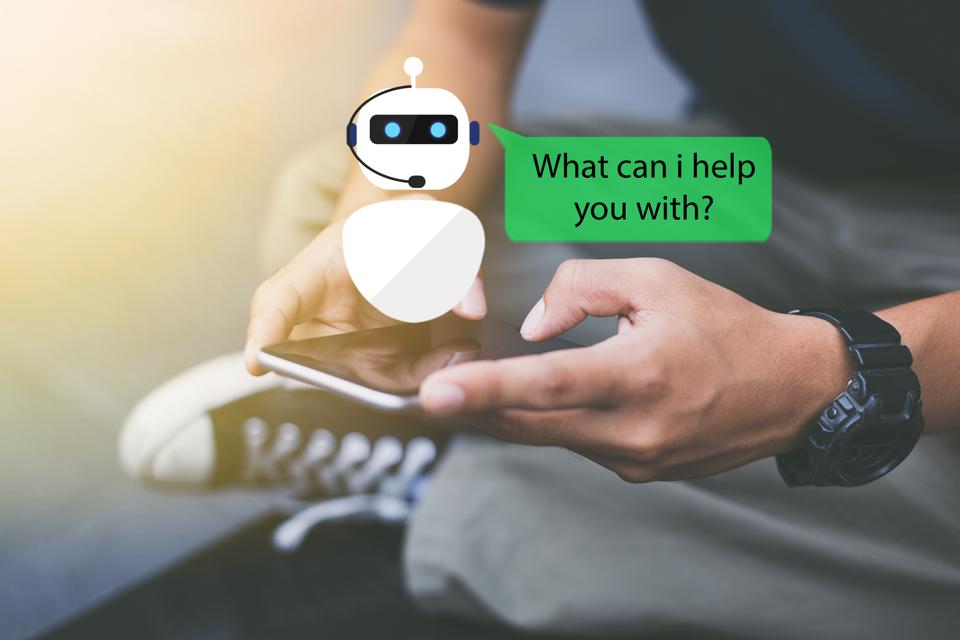
Early on in the evolution of artificial intelligence, researchers realized the power and possibility of machines that are able to understand the meaning and nuances of human speech. Conversation and human language is a particularly challenging area for computers, since words and communication is not precise. Human language is filled with nuance, context, cultural and societal depth, and imprecision that can lead to a wide range of interpretations. If computers can understand what we mean when we talk, and then communicate back to us in a way we can understand, then clearly we’ve accomplished a goal of artificial intelligence.
Conversational interaction as a pattern of AI
Conversational pattern of AI GETTY
This particular application of AI is so profound that it makes up one of the fundamental seven patterns of AI: the conversation and human interaction pattern. The fundamental goal of the conversational pattern is to enable machines to communicate with humans in human natural language patterns, and for machines to communicate back to humans in the language they understand. Instead of requiring humans to conform to machine-modes of interaction such as typing, swiping, clicking, or using computer programming languages, the power of the conversational pattern is that we can interact with machines the way we interact with each other: by speaking, writing, and communicating in a way that our brains have already been wired to understand.
Many cases of today’s narrow applications of AI are focused on human communication. If a computer can understand what a human means when they communicate, we can create all manner of applications of practical value from chatbots and conversational agents to systems that can read what we write in our documents and emails and even systems that can accurately translate from one human language to another without losing meaning and context.
Machine to human, machine to machine, and human to machine interactions are all examples of how AI communicates and understands human communication. Some real-life examples include voice assistants, content generation, chatbots, sentiment analysis, mood analysis, and intent analysis, and also machine powered translation. The applications of the conversational pattern are so broad that entire market sectors are focused on the use of AI-enabled conversational systems, from conversational finance to telemedicine and beyond. Beyond simply understanding written or spoken language, the power of the conversational pattern of AI can be seen in machine ability to understand sentiment, mood, and intent, or take visual gestures and translate them into machine understandable forms. Most Popular In: AI
Accurately processing and generating human language is particularly complicated, with constant technology evolution happening over the past sixty years. One of the easier to solve problems is the conversion of audio waveforms into machine readable text, known as Automatic Speech Recognition (ARS). While ASR is somewhat complicated to implement, it doesn’t need machine learning or AI capabilities generally, and some fairly accurate speech-to-text technologies have been around for decades. Speech-to-text is not natural language understanding. While the computer is transcribing what the human is saying, it is taking waveforms that it understands and converting them to words. It is not interpreting the data it is hearing.
The inverse capability, text-to-speech, also doesn’t require much in the way of machine learning or AI to be performed. Text-to-speech is simply the generation of waveforms by the computer to speak words that are already known. There is no understanding of the meaning of those words when simply using text-to-speech. The technology behind text to speech has been around for years, you can hear it in the movie War Games (1983): “would you like to play a game?”
However, speech-to-text and text-to-speech isn’t where AI and machine learning are needed, even though machine learning has helped text-to-speech become more human sounding, and speech-to-text more accurate. Natural language processing (NLP) involves more than translation of waveforms and generation of audio waveforms. Just because you have text doesn’t mean that machines can understand it. To gain that understanding, machines need to be able to understand and generate parts of speech, extract and understand entities, determine meanings of words, and use much more complicated processing activities to connect together concepts, phrases, concepts, and grammar into the larger picture of intent and meaning.
Natural language processing consists of two parts: natural language understanding and natural language generation. Natural language understanding is where a computer interprets human input such as voice or text and can translate that into something the machine is capable of using in the intended manner. Natural language understanding consists of many subdomains in trying to understand intent from text generated from audio waveforms or typed by humans in text-mode interactions such as chatbots or messaging interfaces. AI is applied to lexical parsing to understand grammar rules and break sentences into structural components. Regardless of the approach used, most natural-language-understanding systems share some common components. Then, once the components are identified, each piece can be semantically understood to interpret words based on context and word order. Further logical analysis and deduction can be used to determine meaning based on what the various parts are referring to, using knowledge graphs and other Methods to deduce meaning.
Natural language generation is the process of the AI being able to prepare communication for humans in any form that is natural and does not sound like it was made by a computer. In order for a computer process to be considered natural language generation the computer actually has to interpret content and understand its meaning for effective communication. This involves the reverse of many of the steps identified in natural language understanding, taking concepts and generating human-understandable conversations from how the machine understands the way humans communicate.
Why is machine-facilitated conversation so important?
When it comes down to the pattern of human and computer communication, it is receiving so much focus because our interactions with systems can be very difficult at times. Typing or swiping can take time and not communicate our needs properly while reading static content like an FAQ might not be helpful for most customers. People want to interact with machines efficiently and effectively. Many user interfaces are quite suboptimal for human interaction, requiring confusing menu interaction, interactive voice response systems that are too simplistic, or rules-based chatbots that fail to satisfy user needs.
Development of more intelligent conversational systems goes back decades, with the ELIZA chatbot first developed in 1966 as an illustration of the possibilities of machine-mediated conversation. Nowadays, users are more familiar with voice assistants such as Alexa, Google Assistant, Apple Siri, Microsoft Cortana, and web-based chatbots. However, if you’ve interacted with any of them recently, they still are lacking in understanding in many significant ways. There’s no doubt that much of the work of AI researchers is going into improving the ways that machines can understand and generate human language and thus reinforce the power of those applications that leverage the conversational pattern of AI.Follow me on Twitter or LinkedIn. Check out my website or some of my other work here. Ron Schmelzer
Ronald Schmelzer is Managing Partner & Principal Analyst at AI Focused Research and Advisory firm Cognilytica (http://cognilytica.com), a leading analyst firm focused on
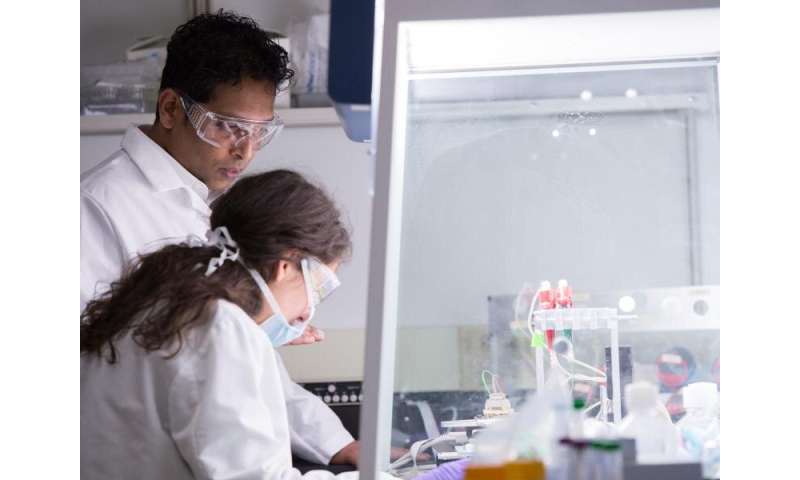
Chemically engineered peptides, designed and developed by a team of researchers at Rensselaer Polytechnic Institute, could prove valuable in the battle against some of the most persistent human health challenges.
The team’s findings, recently published in Nature Scientific Reports, demonstrate how researchers can engineer peptides capable of selectively and specifically binding to polysialic acid (PSA)—a carbohydrate that is present in many human cells and plays a key role in various physiological and pathological processes, including neurological development and disease progression.
This foundational research lays the groundwork for further study into the ability of these peptides to provide an effective vehicle for therapeutics in the treatment of diseases such as Alzheimer’s, Parkinson’s, and cancer. The team’s findings suggest the peptides may also prove valuable in providing a barrier between cells and viruses, such as the one that causes COVID-19—a possibility the research team now hopes to study.
“Because these peptides bind to PSA, they also mask PSA, and could potentially be used to inhibit the binding of viruses and their entry into cells,” said Pankaj Karande, an associate professor of chemical engineering, a member of the Center for Biotechnology and Interdisciplinary Studies (CBIS), and one of the lead authors on this paper. “The idea is to see if these peptides could inhibit that interaction and therefore inhibit the infectivity of those viruses.”
Taking inspiration from nature, Karande said the team modeled its peptides after proteins known as Sialic acid-binding immunoglobulin-type lectins, or Siglecs, which occur naturally and inherently bind to PSA.
The research laid out in the paper was also led by Divya Shastry, a former doctoral student in biological sciences at Rensselaer. It was completed in collaboration with Robert Linhardt, an endowed professor of chemistry and chemical biology, and Mattheos Koffas, an endowed professor of chemical and biological engineering, both of whom are members of CBIS as well. The Rensselaer team also worked with a team from Syracuse University that used computational modeling to provide the Rensselaer researchers with a molecular-level look at the peptides they designed.
“These significant and promising research advances are a prime example of how a collaborative approach can solve persistent human health challenges,” said Deepak Vashishth, the director of CBIS.
Our brain is divided. We just don’t know it. Or we do, but not in the way one thinks. To put it simply – a power struggle has been going on between the left side of our brain, or the analytical side, and the right side, the emotional side. It’s been going on for quite some time.
There have always been rumblings of the imbalance between the two for years, certainly covered off in a critical work of near genius by renowned psychiatrist and neuroscientist Dr. Iain McGilchrist, (iainmcgilchrist.com), author of the acclaimed The Master and his Emissary: the Divided Brain and the Making of the Western World.
For years people discussed McGilchrist’s radical beliefs of an imbalance between the two sides of the brain, the impact on world affairs, and the globe in general. McGilchrist sees the differences between the left and right halves of the brain as not so much about emotion vs. reason – but something far more daring and complex. That the left and right hemispheres of our brains have radically different world views, and the conflict between the two has impacted greatly on the world as we know it.
McGilchrist states that the two sides (the “Master” and “Emissary” in the book’s title) have, according to the author, shaped Western culture since the time of Plato onward. He also states that when the two sides work in uniform, “individuals and cultures thrive,” but warns there is evidence the left hemisphere has been “gaining control – creating our present inability to deal with complex problems.”
Simply put, the two sides are conflicted, with a constant power struggle in place. Yet the two sides need each other, although the right side – the side made up of the arts, of emotion, of colour and vibrancy – can survive without the left side, known as the analytical side, the numbers cruncher.
They say the right-sided brain is happier, more content.
Award-winning international documentary filmmaker Vanessa Dylyn, (matteroffactmedia.com) whose past films included Into The Inferno, The Woman Who Joined the Taliban, Leslie Caron: the Reluctant Star and The Mystery of San Nicandro, to name just a few, was intrigued by McGilchrist and his observations of the two sides of the brain – so much so, the Canadian filmmaker seized on the opportunity and produced The Divided Brain, considered a mind-altering documentary inspired by McGilchrist’s book, and one of the most powerful and thought-provoking films on the subject.
The film features the doctor along with an array of famed personalities, all experts in their respective fields, including actor-comedian John Cleese of Monty Python fame, neuroanatomist Dr. Jill Bolte Taylor of TED Talks, pioneering neuroscientist Dr. Michael Gazzaniga, former Archbishop of Canterbury Rowan Williams, neuroscientist Jurg Kesselring, Aboriginal elder and scientist Dr. Leroy Little Bear and neuroscientist Onur Gunturkun.
And, of course, brains. Lots of them.
Vanessa Dylyn with Dr. Iain McGilchrist handout / thedividedbrain.com
The film forces one to rethink how we view the world today, says Dylyn, asking “are our modern brains really changing? There are many clues. Scientists know we are seeing an unprecedented rise of depression, schizophrenia and other forms of mental illness. At the same time, we know that schools have been witnessing a huge increase in neurological anomalies: Autism, Asperger’s, and ADHD. Parents are stressed to help their children who struggle to form human relationships or learn.”
And now, with the world gripped by a mysterious virus that literally came out of nowhere, this documentary allows one to question if the right decisions and proper actions are now in place to deal with the post-COVID-19 world of tomorrow.
“Our modern world’s way of making decisions about complex matters such as climate change and pandemics using our left hemisphere (algorithms) while neglecting the wisdom of human experience and judgment…has not served us well,” says Dylyn. “The COVID-19 crisis has illustrated this glaring deficiency brilliantly. In our lack of preparedness – while knowing a pandemic was coming – and reactive response to this crisis, illustrates a poor management of a worldwide crisis.
The documentary, screened in London, Scotland, Toronto and Washington and now available for viewing online, received critical praise globally. “The Divided Brain is a very powerful documentary that has not shied from including critical voices. It conveys the immeasurable dangers of the colonization of the brain by the left-brain hemisphere,” writes Sunil Kumar, PhD and former dean of the London School of Economics and Political Science. “The documentary is a superb introduction to Iain’s brilliant book,” adds Peter Fudakowski, producer of the Oscar-winning feature film Tsotsi.
“There is no question that The Divided Brain puts our Western way of life under a microscope,” says Dylyn. Technology is moving faster than “we can devise ethical ways of managing it,” adds Dylyn. “We need the co-operating values of our right and left hemispheres, in a sense, the documentary compels us to rethink how we live now and how we could move forward in a post-pandemic world.”
Phonies Don’t Like Spending Time Alone; Authentic People Do
People who are true to themselves enjoy their own company.
Posted Jun 28, 2020
You know them when you see them – the phonies in your life. Maybe they are sycophants. They laugh too loudly at unfunny jokes. They say things you know they don’t believe, because they think that then, other people will like them. Or the “right” other people will like them, the ones they are trying to impress. They are trying too hard.
That may be too harsh. We all care at least a little about what other people think, even if we insist that we don’t. Trying to fit in is understandable, and probably has its advantages. But compared to understanding who you really are, and then living accordingly, it also has its costs.
You probably don’t like being with people who seem inauthentic. It’s uncomfortable. Well guess what? They don’t like spending time with themselves either. That’s one of the costs of phoniness – it is no fun being alone with yourself.
In contrast, people who are authentic have a great big advantage: they like their own company. Spending time alone doesn’t scare them. They don’t worry about being lonely. Their alone time is something they value. It is important to them and they benefit from it.
How Do We Know Who’s Authentic?
I’ve been learning about the psychology of truly enjoying your solitude from Thuy-vy Nguyen, a social psychologist at Durham University in the UK. I’ve already shared her work with “Living Single” readers in two previous posts, here and here.
Nguyen measures authenticity with the Index of Autonomous Functioning. The index includes three sets of items. Here are some examples:
Congruence: Your actions are consistent with who you really are
“My decisions represent my most important values.”
“My actions are congruent with who I really am.”
“My whole self stands behind the important decisions I make.”
Resistance: You are less susceptibility to being pressured or controlled by others
Resistant people disagree with items such as these:
“I believe certain things so that others will like me.”
“I do things in order to avoid feeling badly about myself.”
“I try to manipulate myself into doing certain things.”
Curiosity: You are interested in your own feelings and reactions, even the unsettling ones
“I am interested in why I act the way I do.”
“I am deeply curious when I react with fear or anxiety to the events in my life.”
“I like to investigate my feelings.”
Nguyen’s belief is that people who fit these three descriptions – their behaviors are consistent with who they really are, they are not that vulnerable to social pressures, and they are curious about themselves – will be the kinds of people who truly enjoy spending time alone. Their solitude is something they savor for its own sake. They are not just running away from other people because other people unnerve or annoy them.article continues after advertisement
How Do We Know Authentic People Really Like Being Alone and Aren’t Just Hiding from Other People?
Nguyen and her colleagues asked the people in their studies, just after they had spent some time by themselves, why they had spent that time alone. Those who truly valued and enjoyed solitude agreed with statements like these:
“I found it enjoyable to be in my own company.”
“I was alone because having time to myself is an important part of my day.”
“I was alone because solitude is one of the things I value in my life.”
Taken together, those kinds of attitudes represent what Nguyen calls “autonomy for solitude.” Your time alone is a choice. It’s autonomous. You want to spend time alone, for positive reasons. You aren’t getting pressured or forced into it.
In four studies, Nguyen and her colleagues Netta Weinstein and Richard Ryan first asked participants to complete several personality scales. The Index of Autonomous Functioning (measuring authenticity) was always one of them. Introversion was always another. Sometimes other measures were included, too.
Then, the participants answered survey items every day for somewhere between 5 and 14 days. The “autonomy for solitude” items were always included.
In all four studies, it was the authentic, autonomous people who were especially likely to say that they had been spending time alone because they enjoyed and valued having time to themselves. They liked their own company. Inauthentic people, who I call the phonies, were especially unlikely to be alone because they wanted to be. They did not find the time they spent with themselves to be important or valuable or beneficial.article continues after advertisement
In two of the studies, Nguyen and her colleagues asked participants about other reasons for spending time alone that could be more about avoiding other people rather than enjoying the time you have with yourself. Participants indicated the extent to which they agreed with statements such as:
“Today I wanted to be by myself rather than with others.”
“Today I had a strong desire to get away from others to be by myself.”
Those kinds of sentiments indicate a “preference for aloneness.” Those people want to be alone, but not necessarily because they genuinely enjoy and value their solitude.
In both studies, authenticity had nothing whatsoever to do with that sort of preference for solitude. Authentic people were not any more or less likely to want to get away from other people. Their alone time wasn’t about that. It was about what they got out of being alone, apart from any consideration of whether they wanted to be with other people.
That, it turns out, is one of the key insights about people who truly appreciate the time they have to themselves: They are not especially likely to be social introverts.
You Can Like Your Time Alone – or Not Like It – Regardless of Whether You Are an Introvert or an Extravert
In her studies, Nguyen measured introversion by asking participants how they see themselves. Introverts were those who were very unlikely to see themselves as outgoing, talkative, assertive, or full of energy. They were much more likely to see themselves as reserved, quiet, shy, or inhibited.article continues after advertisement
Those kinds of people – introverts who are reserved and sometimes shy – are not any more or less likely to enjoy their time alone than the more extraverted types who are outgoing and talkative. You can be outgoing and talkative and full of energy, and still very much want and appreciate and enjoy spending time alone. There’s no link between the two. Some outgoing people savor their solitude and others do not.
What matters isn’t whether you are an extravert or an introvert. What matters is whether you are an authentic person, who is not easily buffeted by other people’s pressures or expectations or attempts to control you. If you are authentic and autonomous, you probably genuinely enjoy your time alone.
Curiosity about Yourself: Why Should that Have Anything to Do with Liking Your Alone Time?
The personality type measured by the Index of Autonomous Functioning includes more than just authenticity and resistance to social pressures. People who are dispositionally autonomous are also curious about their own emotional experiences.
I wondered, at first, whether that meant that when they looked inside, they liked what they saw. Judging from the items, though, that does not seem to be the whole story. For example, autonomous people agree with the statement, “I am deeply curious when I react with fear or anxiety to the events in my life.” They get rattled, just like everyone else. But even when life is upsetting to them, they don’t try to run away from their own thoughts or emotions. They sit with those unpleasant feelings, alone, and try to figure out what it all means.article continues after advertisement
Some scholars believe that there are different kinds of introversion, and the kind that is about socializing (not being outgoing) is just one of them. Jonathan Cheek and Jennifer Grimes, for example, identified several different kinds of introverts (discussed here), including “introspective introverts.” Those introspective or thinking introverts agree with statements such as:
That sounds a lot like the curiosity of dispositionally autonomous people. Maybe, then, it is only the social kind of introversion that is irrelevant to the genuine enjoyment of solitude.
When I write about Nguyen’s research again, I will explain how it has helped me understand people who are single at heart. (I’m one of them.) There was something about the way some of them talked about their lives that I had found perplexing until now.
Microsoft has just scored a stunning strike against its biggest rival Zoom with a major new Teams feature.
Microsoft has just scored a stunning strikeout against its biggest rival Zoom with a major new Teams … [+] SOPA IMAGES/LIGHTROCKET VIA GETTY IMAGES
Microsoft’s Teams has been launching features left, right and center as it aims to beat Zoom in the videoconferencing arena. Now, Microsoft has just ramped things another level after confirming a major new Teams feature—the ability to allow 300 meeting participants to attend a video call.
Microsoft product manager Mike Tholfsen confirmed the launch of the new feature, previously outlined in the firm’s roadmap, in a tweet. By adding this feature, Microsoft will allow more businesses as well as groups such as Churches to host large meetings using Teams.
Zoom is a very feature-rich service that’s very hard to beat in terms of usability. However, its reputation has suffered in recent months as a surge in users led to a number of security issues and vulnerabilities.
Meanwhile, a major Zoom-beating feature in Teams is the unlimited time frame for free calls, compared with Zoom’s 45 minute allowance for free users.
Zoom has been making a huge effort to make its service safer, but some users are still looking for an alternative. Some people say Teams isn’t as streamlined as Zoom for large meetings and can be slow or laggy, but Microsoft will of course have tested this new feature.
I’m a freelance cybersecurity journalist with over a decade’s experience writing news, reviews and features. I report and analyze breaking cybersecurity and privacy…
Let’s recap what we know about Covid-19. Covid-19 is a new disease caused by a very contagious virus called SARS-CoV-2.
In most infected individuals, the virus does not cause serious illness. However, it causes a very serious respiratory disease — and even death — in a minority of patients. Through many studies of people with Covid-19 over the past few months, we have learned what characteristics are more likely to be linked to mild versus severe forms of the disease.
If we consider the gradient of the severity of the disease, children are at one end, and the elderly and patients with chronic conditions are at the other end.
WHAT CONDITIONS ARE LINKED TO SEVERE COVID-19?
The information collected by researchers from many countries all points to similar characteristics and health conditions that are more commonly seen in patients with severe disease. These include older age, high blood pressure, diabetes, and obesity.
The strength of these associations is even more prominent among younger individuals, as younger patients with obesity and diabetes are more likely to have a serious disease.
In New York City, 5,279 patients tested positive for Covid-19 between March 1 and April 8, 2020. Of these, 22.6 percent had diabetes and 35.3 percent were obese.
Obesity was associated with an increased rate of hospital admission and critical illness. Similar findings were provided by investigators in the United Kingdom about the outbreak in Britain, where obese patients were twice as likely to develop severe disease.
Do these findings raise the possibility that the mechanisms underlying high blood pressure, diabetes, and obesity may help explain why these conditions lead to severe Covid-19 disease? Before exploring this question, let’s zoom in on cellular and molecular mechanisms known to be involved in Covid-19 disease.
HOW DOES THE BODY FIGHT COVID-19 INFECTION?
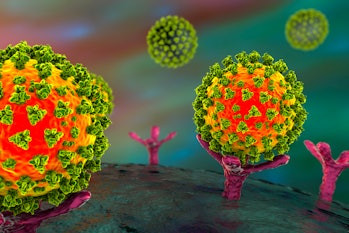
When the virus enters the body, it mostly goes to the airways and the gastrointestinal tract. The virus then binds to specific receptors present on the surface of epithelial cells to enter these cells. Viral replication within the cells leads to cell damage and cell death. This results in the release of specific signaling molecules that alert the local immune system.
Illustration of the initial stage of Covid-19 infection: SARS-CoV-2 virus particles binding to specific receptors on the surface of cells. Shutterstock
Armies of immune cells are then dispatched to initiate an antiviral response. Some of these cells are specialized to locate and identify the virus, while others mount a specific immune attack. The immune response results in the release of cytokines, chemokines, and antibodies, which in many cases can defeat the virus, and the patient recovers.
Sometimes the immune system is dangerously at high alert and overreacts. In this case, the immune cells mount an especially strong inflammatory response — one that goes beyond what is required to kill the virus. This extra-strong attack releases cytokines and chemokines on a massive scale throughout the body, resulting in a cytokine storm, which causes widespread inflammation and tissue damage in patients with severe Covid-19.
One of the reasons for an abnormal, overreactive immune response lies in the gastrointestinal tract. Millions of interactions are constantly occurring between the immune system and trillions of non-dangerous microbes that live within the body. These interactions educate the immune system in how to function and, importantly, in how not to overreact to infectious microbes. Could this help explain why some people are more likely to develop uncontrolled inflammation upon Covid-19 infection?
TRILLIONS OF MICRO-ORGANISMS THAT CALL YOUR GASTROINTESTINAL TRACT HOME
You’ve got a trillion friends in low places: bacteria in the gut may protect against viruses by signalling their presence to the immune system.The Conversation
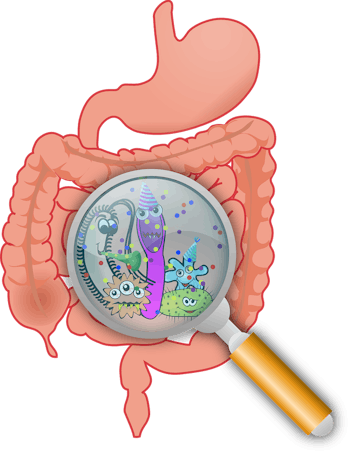
The gut microbiome is the community of micro-organisms living inside the gastrointestinal tract, mostly in the large bowel. The microbiome contains bacteria, fungi (yeast), viruses, and protozoa, all of which contribute to maintaining a balanced ecosystem and human health. These microbes collectively perform many beneficial functions, including educating the immune system.
When studying the microbiome, scientists examine the composition (what is there) and function (what are they doing) of this ecosystem. We have learned that both the composition and function of the gut microbiome are important features linked to human health. In certain conditions, the balance of the gut microbiome composition and function is disrupted in a way that leads to disease, a phenomenon called microbiome dysbiosis.
There is accumulating evidence from animal and human studies that gut microbiome dysbiosis has a causal role in metabolism dysregulation manifested as diabetes and obesity — the risk factors of severe Covid-19 disease.
IS GUT MICROBIOME PREDISPOSING PATIENTS TO SEVERE COVID-19?
The gut microbiome regulates host defenses against viral infections including respiratory viruses, such as the influenza virus. This occurs through the activation of immune antiviral mechanisms and the prevention of excessive inflammation.
Different species of the gut microbiome have pro- or anti-inflammatory properties and play different roles in regulating the immune system. In the context of Covid-19, a recent preprint study (not yet peer-reviewed) showed that specific members of the gut microbiome were associated with severe disease and with immune markers known to be elevated in severe disease. The association of these gut bacteria with the immune markers was even higher than that of the known risk factors of Covid-19 severity: age and obesity.
Further work is needed to confirm that pro-inflammatory microbial species can contribute to the immune responses that make severe Covid-19 more likely but based on what we know about the microbiome, this is certainly a possibility. This also could mean that beneficial gut microbiome species, the type that promotes low inflammation, have the potential to prevent or remediate the immune alterations that lead to severe COVID-19.The Microsetta Initiative@microsetta
The research community is working very hard to develop and test safe and effective vaccines and treatments against Covid-19. Tapping into the potential of the gut microbiome is another avenue that we can pursue to identify potential safe and affordable probiotics for prevention and treatment. This is not unprecedented in the context of viral respiratory diseases: probiotics and prebiotics can affect the immune response to the flu vaccine and may improve outcomes in flu-like illnesses.
Until effective treatments are available, “mind your microbes” and maintain a healthy lifestyle.
THIS IKEA-WORTHY SELF-CLEANING LITTER BOX IS THE BEST LOOKING ONE WE’VE EVER SEEN
BY YANKO DESIGN 06/28/2020https://www.youtube.com/embed/i0EfTa3eFpQ?feature=oembed
It would be an absolute disservice to cats (and the designers) to call the Circle Zero a litter box. Designed almost like an art installation, the Circle Zero is, well, a smart-sculpture your cat can relieve itself in. It looks sort of like a Fortress of Solitude for felines, given its planetary shape, and boasts of a feature list that’s as futuristic as its overall design.
The Circle Zero from PLUTO is a smart litter box that takes care of your cat’s business. Designed to be fully automated, fully enclosed, and exceptionally silent, the litter box comes with a completely enclosed design to provide a private experience. Sensors on the box detect the presence of the cat, and wait for a full 7 minutes after they’re done to automatically (and silently) scoop the waste from the litter and store it separately while completely containing and eliminating any odor too. Once the waste compartment is full, you can use any bag or liner to collect it and throw it away. The Circle Zero works with any brand of kitty litter and comes with two types of scoop-designs. Sensors within the box (although it’s technically a sphere) keep track of your cat’s routines and can notify you via an app if any irregularities are spotted. The litter box monitors your cat(s) to give you information that may be of relevance to your veterinarian, and yes, the Circle Zero does support (and can individually track) multiple cats.
The Circle Zero’s ultimate value proposition is its combination of aesthetics and automation. Designed to appear classy (and practically something you’d find in an IKEA catalog), the Circle Zero truly looks like the kind of device you’d want to keep in your living room. Its ability to automatically segregate and separate waste even offsets those duties from pet-owners, giving you some peace of mind while giving your furry friends a classy, clean, and quiet port-a-loo to go about their business in. I’m sure your felines would give it a double thumbs-up if they could!
When one talks about parenting, an image of the sensitive, caring mother—but not father—responding to a young child’s emotional needs often comes to mind.
Research on dads has long suggested that men may interact differently with their children, sometimes pushing the child to take risks beyond their comfort zone and encouraging them to persevere when faced with frustration.
In the end, according to a new University of Michigan study, children may need both parenting styles—the challenge to take risks, explore and learn from the world around them while feeling supported in the loving care of their parents.
The data came from the Building Strong Families project, which included a racially diverse sample of 672 low-income parents with preschoolers. Designed to test father-child activation relationship theory, the researchers found evidence for a more challenging and directive pattern of parenting used by some fathers, but also by some mothers.
Parenting behaviors were observed during father-child and mother-child play sessions and then examined in relation to children’s socioemotional development and language skills. Both dads and moms could be classified into one of three parenting profiles: supportive, intrusive and challenging/directive.
Importantly, few low-income parents were observed to be intrusive, which involves a high degree of parent-centered control and interference in children’s play and a disregard for the child, said Lee, the study’s lead author.
When Lee and colleagues compared families in which fathers and mothers were using similar or different styles of parenting on child outcomes, they found that children in families with challenging/directive fathers did not differ from kids with supportive dads on such outcomes as children’s behavior problems, prosocial behaviors, emotional security and effortful control. Children with both supportive moms and dads had the highest scores in language skills.
When parents, either fathers or mothers, engage in challenging and directive parenting that occurs in a supportive and positive parent-child relationship, children may be more willing to take some risks and rise to the challenges placed before them, trusting they have the protection and support of their parents, the researchers said.
“By focusing exclusively on a style of parenting that has traditionally emphasized responsive, positively affectionate, child-centered mother-child interactions, we may be overlooking other ways of parenting that may also benefit children’s socioemotional development by challenging children to go the extra mile, persevere and gain self-confidence in the process,” Lee said.
More information: Joyce Y. Lee et al. Testing the father–child activation relationship theory: A replication study with low-income unmarried parents., Psychology of Men & Masculinities (2020). DOI: 10.1037/men0000301Provided by University of Michigan








 Bruce's Blog