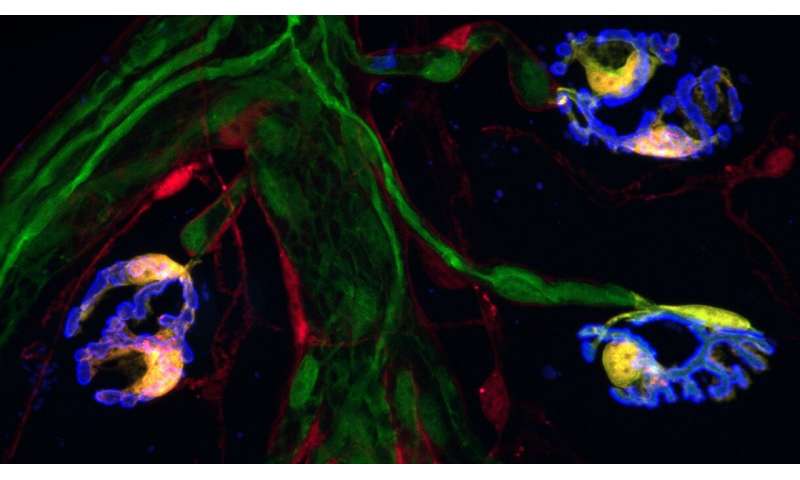
Two molecular markers, indicated by the red and green fluorescence, are found together only in synaptic Schwann cells. Together they offer a “bar code” that identifies Schwann cells, an important subtype of glia. Credit: Brown University
While the brain is composed of two types of cells, glia tend to receive far less attention for their importance in brain function and disease than the more celebrated neurons. But scientists have known for more than a century that special types of glial cells are integral components of neuromuscular junctions or synapses—points of contact between neurons and muscles that permit the brain to control movement.
Despite the significance of glial cells for the proper formation, maintenance and repair of synapses throughout the nervous system, the inability to distinguish specific glial cells at synapses from the diverse overall population of glial cells has been a major challenge in promoting and restoring the normal function of the nervous system following injuries, diseases and in old age.
A new discovery, detailed in a June 25 study in the journal eLife, may change that.
A team led by Gregorio Valdez, an associate professor of molecular biology, cell biology and biochemistry at Brown University, has identified important molecules to study and to manipulate the specific glial cells integral to synapses.
“This discovery will serve as a springboard to addressing fundamental questions and developing assays to speed the discovery of therapeutics intended to preserve and restore the normal function of neuronal circuits,” said Valdez, who is affiliated with the new Center for Translational Neuroscience, established by the Carney Institute for Brain Science at Brown and the Brown Institute for Translational Science.
The study reveals that an important subtype of glia, known as Schwann cells and located at neuromuscular synapses, are the only cells in muscles expressing two specific molecules. These molecular markers provide a highly specific glial “bar code,” Valdez says, that identifies the vital cell subtype.
“What this means is that we can finally figure out how all three cellular constituents of the synapse—neurons, muscle and glia—talk to each,” Valdez said. “We now have a unique and important tool for identifying this critical component of the synapse. This is essential for knowing when and where to target to ensure synapses function appropriately.”
Valdez says the novel bar code tool will pave the way for future studies, including on neuromuscular disease such as amyotrophic lateral sclerosis (ALS) and spinal muscular atrophy (SMA). Scientists can use the molecular markers to probe the role of synaptic glia in neuromuscular synapse repair following injury, degeneration during normal aging and the progression of neuromuscular diseases.
He also anticipates that a similar approach will reveal the synaptic glial cells located at synapses between pairs of neurons in the brain.
“While our primary focus was the neuromuscular synapse, we also gathered initial evidence indicating that synaptic glia cells in the brain can be labeled and targeted using the same approach,” he said. “If true, this discovery could be of immense consequence for treating a myriad of brain conditions, including those involving cognitive decline due to normal aging and Alzheimer’s Disease.”
More information: Ryan Castro et al, Specific labeling of synaptic schwann cells reveals unique cellular and molecular features, eLife (2020). DOI: 10.7554/eLife.56935Journal information:eLifeProvided by Brown University
How to Reset the Way Others See You to Get More Respect
Increasing your confidence increases others’ confidence in you.
Posted Jun 20, 2020
Source: Photo by Wolfgang Eckert from Pixabay
A reader wrote to me, complaining that he’s always treated dismissively at work.
He’d just started a new job. On his first day, he had made a mistake, and he felt that the boss had viewed him as a screwup ever since.
This particular error was a rather minor technical mistake anyone under the circumstances would be prone to make, not some terrible “HOW COULD YOU?!!” type of blunder.
But because being treated dismissively seems to be a pattern in his life, and because he is far from alone in sometimes making mistakes (since to be human is to “err”), I suspected the mistakes themselves were not the problem.
Chances are his underlying problem, leading to his being viewed as a screwup, or at least not very good at his job, is the messages he puts out about himself that reflect a lack of self-confidence.
Confidence that we project tends to read as ability, as competence, whereas a lack of confidence has the opposite effect. Interestingly, our confidence or lack of confidence may not be all that connected to how able we actually are.
That said, projecting confidence is deeply important in order to get respect from others in the workplace and beyond. You set a confident tone with the way you convey yourself, bodily and emotionally, that suggests people are wise to trust you and your abilities.
Confidence is “predictive”: It reflects our estimation, based on past successes in an area, that we’ll be successful in that area in the future.
There are three main elements of becoming confident and projecting confidence: Self-acceptance, self-compassion, and healthy self-assertiveness.
Self-acceptance: Self-acceptance is accepting yourself entirely, as a package deal, with good points and less good points. You simply decide to do this, to accept the whole of you, simply because you exist. Ironically, doing this makes it easier to get to changing the “needs improvement” stuff, which takes examining it (as opposed to aggressively ignoring it because you’re too horrified to look).
Self-compassion: Self-acceptance is helped along by self-compassion, basically being as kind to yourself as you’d be to some other person you care about. Kristin Neff, who researches self-compassion, has advised that we see our faults as things that connect us with other humans. (Again, all humans are fallible, and if you are human, wave to the rest of us screwups!)
Healthy self-assertiveness: This means speaking up and standing up for yourself. Essential to this is doing it in a timely way before you build up anger and resentment. This man who wrote me told me one of the errors he made in the workplace came from how his boss had started buying cheaper hardware, making one kind of plug hard to identify from another. He needs to make this clear to his boss–in a way that is not angry and blamey but in a matter-of-fact way: “Hey, I just wanted to let you know that Plug X and Plug Y now look so similar that we easily confuse them when we’re doing installations where there isn’t a lot of light.”article continues after advertisement
There’s one more element that’s needed for the process of developing more confidence, and no, it isn’t “fake it till you make it.” That advice is likely to backfire. Consider all the things you need to remember to “fake” to be confident: Stand up straight. Talk from your diaphragm. Don’t pick your fingers. Don’t fidget. Etc. Oh, and then remember what you meant to say and say it with vigor.
This fails to take into account that humans have only so much “working memory,” and we can’t remember a whole load of stuff at once. In fact, we experience what’s called “cognitive overload,” where all the stuff we’re supposed to remember overwhelms us, and we kind of fall apart. Worse than if we hadn’t tried at all.
I suggest training wheels to becoming confident of “impersonate your way to the new you.” This was a technique (role-playing) actually advised by a wise therapist, George A. Kelly in 1955. But before I knew that, when I was working on my own transformation (from wormy suck-up to confident), I came up with the idea to go out in the world and play the role of my confident boss, Kathy D.
This does something helpful: It gives you a whole package of a person to act out. (You don’t have to collect and remember the small parts.) It’s kind of fun. And it gives you a psychological airbag. If somebody’s rude to you while you act like Kathy D. in, say, asking for the correct change instead of the wrong change they gave you, they aren’t really being rude to you but rude to you playing the role of Kathy D.article continues after advertisement
Over time, through role-playing as this confident person, you’ll see that you aren’t chased out with a broom when you act with self-respect; in fact, people treat you better, and they often give you what you’re asking for. Seeing this, I shed my Kathy D. test persona and started behaving as the confident new me. And because we are the sum of what we do, I transformed into a person people treat with respect.
The cool thing about becoming confident being a “process” is that anyone can do it. This means no one is sentenced to a life of disrespect. They just have to refuse to accept it and do the work it takes to change.
References
Alkon, Amy. Unf* ckology: A Field Guide to Living with Guts and Confidence. St. Martin’s Griffin, 2018.
Neff, Kristin. “Self-compassion: An alternative conceptualization of a healthy attitude toward oneself.” Self and identity 2, no. 2 (2003): 85-101.
Kelly, George. “Personal Construct Psychology.” Nueva York: Norton (1955).
AI is driving industrial transformation across a variety of sectors, and we’re just beginning to scratch the surface of AI capabilities. Some industrial innovations are barely noticed, such as forest inspection for fire hazards and prevention, but the benefits of AI when coupled with deep learning have a wide-ranging impact. In Southeast Asia, AI-powered forest drones have helped 155 forestry bureaus expand the range of forest inspections from 40% to 100% and perform up to 200% more efficiently than manual inspections.
This content was produced by Baidu.
It was not written by MIT Technology Review’s editorial staff.
Behind these smart drones are well-trained deep-learning models based on Baidu’s PaddlePaddle, the first open-source deep-learning platform in China. Like mainstream AI frameworks such as Google’s TensorFlow and Facebook’s PyTorch, PaddlePaddle, which was open sourced in 2016, provides software developers of all skill levels with the tools, services, and resources they need to rapidly adopt and implement deep learning at scale.
PaddlePaddle is being used by more than 1.9 million developers and 84,000 enterprises globally. Industries throughout China are using the platform to create specialized applications for their sectors, from the automotive industry’s acceleration of autonomous vehicles to the health-care industry’s applications for fighting covid-19.
Indeed, the coronavirus pandemic, which has spread over 150 countries and caused a worldwide economic shock, is increasing demands for AI transformation. “Now is an unprecedented opportunity for the development of PaddlePaddle given the rise of industrial intelligence and the acceleration of AI-powered infrastructure,” says Haifeng Wang, chief technology officer at Baidu. “We will continue to embrace the open-source spirit, driving technological innovation, partnering with developers to advance deep-learning and AI technologies, and speeding up the process of industrial intelligence.”
At the recent Baidu Deep Learning Developer Conference Wave Summit 2020, Chief Technology Officer Haifeng Wang announced PaddlePaddle’s collaboration in a hardware ecosystem that includes leading global tech companies such as Intel, NVIDIA, Arm China, and Huawei.
Deep-learning technologies create opportunities for revamping operations, workload management, and productivity, even in traditional industries such as manufacturing, forestry, energy, and waste management. For example, in waste management, AI is transforming refuse picking, sorting, and recycling, supporting efforts to conserve natural resources, reduce carbon emissions, and lessen waste going into landfill sites. According to a World Bank report, more than 2 billion tons of municipal solid waste are produced in the world each year. Collecting it and separating it exposes waste pickers to any number of risk factors and hazards, making this a critical area for the development of innovative AI technologies.
In Europe and the US, computer-vision technology has been extensively used for detecting different types of waste, such as glass, plastic, and cardboard, to make waste sorting more efficient. But the task is not as efficient in all countries.
“Using traditional computer-vision models in China would be useless,” says Zhiwen Zhang, CEO of Jinlu Technology. “The garbage in China is not compatible with what can be detected by this technology. Complications tend to arise with the detection quality and with identifying diverse garbage,” says Zhang.
A computer-vision veteran, Zhang was eyeing PaddlePaddle to develop applications for improving waste sorting in China. Although the industry lacks the expertise of deep learning, with PaddlePaddle, developers don’t necessarily have to be deep-learning experts or build things like data-processing models from scratch.
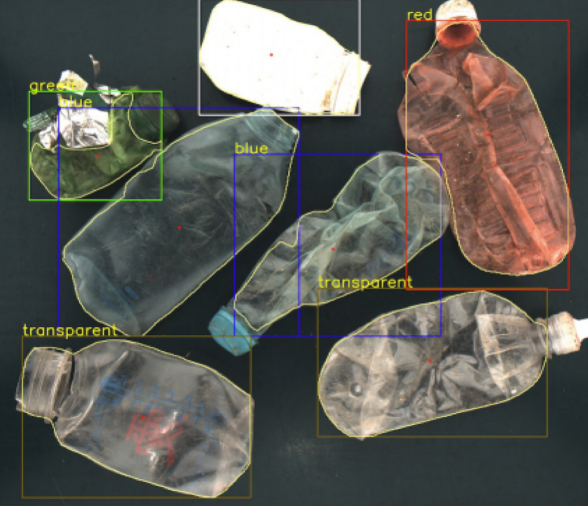
Jinlu Technology uses a garbage-sorting robot programmed with an object-detection model to identify different types of garbage. It also uses an image-segmentation model to find garbage and do things like detect the edge of a bottle and determine its center point. The model takes just half a second to recognize an image.
For plastic bottles, Jinlu Technology trains an instance-segmentation model using Paddle Detection, a PaddlePaddle toolkit for image processing. The model predicts on Edgeboard (PaddlePaddle’s edge computing development platform) through Paddle Lite, PaddlePaddle’s deep-learning framework tailored for lightweight models, and sends signals to robotic arms that classify the garbage. While traditional algorithm-accuracy screening stays between 60% and 90%, depending on the quality of the garbage, deep-learning algorithms deliver an accuracy of 93% to 99%.
Jinlu Technology trains an image-segmentation model using Paddle Detection, a PaddlePaddle toolkit for image processing, to identify plastic bottles—in an effort to make waste sorting more efficient.
“Using AI in waste management promises further potential. AI can not only spare human labor by 96%, but it can also refine sorting and further identify waste that can be difficult to categorize, such as large pieces of organic matter, small pieces of metal, and other particles. Not to mention, AI can self-learn to optimize the pipeline,” says Zhang.
Major features and innovations of PaddlePaddle
Currently, PaddlePaddle offers 146 algorithms and has advanced more than 200 pretraining models, some of them with open-source codes to facilitate the rapid development of industrial applications. The platform also hosts toolkits for cutting-edge research purposes, like Paddle Quantum for quantum-computing models and Paddle Graph Learning for graph-learning models.
PaddlePaddle facilitates AI development while lowering the technical burden for users, using a programmable scheme to architect the neural networks. It supports declarative and imperative programming with development flexibility—so can develop software with different types of requirements—all while preserving a high runtime performance. Algorithms can automatically design neural architectures that offer better performance than those developed by human experts.
In southeast Asia, AI-powered forest drones have helped 155 forestry bureaus expand the range of forest inspections from 40% to 100% and perform up to 200% more efficiently than manual inspections.
PaddlePaddle has also made breakthroughs in ultra-large-scale deep neural networks training. Its platform, the first in the world of its kind, supports the training of deep neural networks with more than 100 billion features and trillions of parameters using data sources distributed over hundreds of nodes. One of the beneficiaries is Oppo, a smartphone producer in China, which uses PaddlePaddle to boost the training efficiency of its recommendation system by 80%.
Not only is PaddlePaddle compatible with other open-source frameworks for model training, it also accelerates the inference of deep neural networks for a variety of processors and hardware platforms. At the recent Baidu Deep Learning Developer Conference Wave Summit 2020, PaddlePaddle announced its collaboration in a hardware ecosystem that includes leading global tech companies such as Intel, NVIDIA, Arm China, Huawei, MediaTek, Cambricon, Inspur, and Sugon.
PaddlePaddle still has room for improvement, says Baidu’s corporate vice president Tian Wu. “In the future, PaddlePaddle will keep advancing large-scale distributed computing and heterogeneous computing, providing the most powerful production platform and infrastructure for developers to accelerate the development of intelligent industries.”
PaddlePaddle’s role in the fight against covid-19
One of the industrial applications developed from PaddlePaddle is currently in use for medical purposes to combat covid-19. The primary diagnostic tool for pneumonia, one of the severe effects of covid-19, is a chest computed-tomography (CT) scan. With limited front-line doctors and resources to read an exponentially growing number of scans quickly and accurately, CT imaging technology is crucial to helping clinicians detect and monitor infections more effectively.
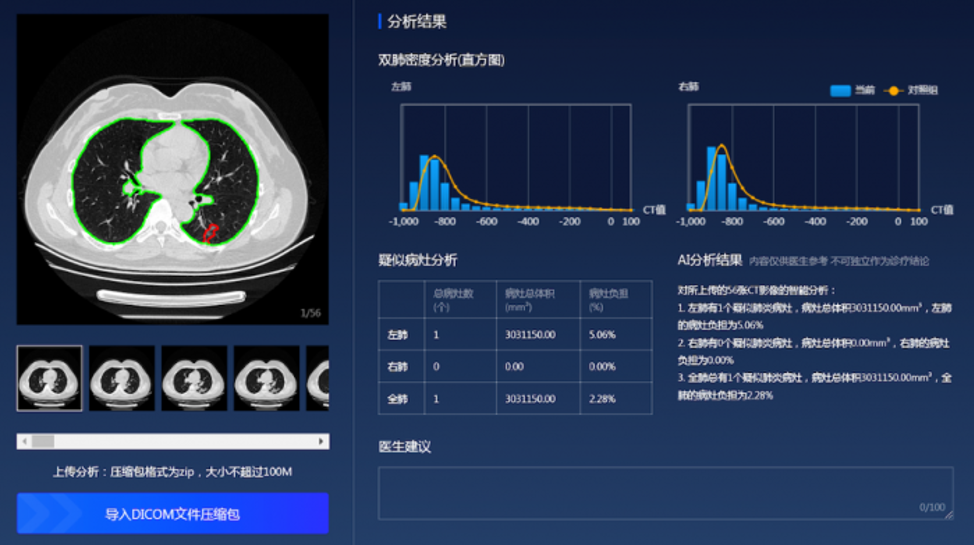
LinkingMed, a Beijing-based oncology data platform and medical data analysis company, released China’s first open-source AI model for pneumonia CT image analysis, powered by PaddlePaddle. The AI model can quickly detect and identify pneumonic lesions while providing a quantitative assessment for diagnosis information, including the number, volume, and proportion of pneumonic lesions.
By using PaddlePaddle and its semantic segmentation toolkit PaddleSeg, LinkingMed has developed an AI-powered pneumonia screening and lesion-detection system being used in the hospital affiliated with Xiangnan University in Hunan Province. The system can pinpoint the disease in less than one minute with a detection accuracy of 92% and a recall rate of 97% on test data sets.
In health care, the PaddlePaddle platform is being used to build applications to fight covid-19.
Robust AI will be needed to manage the increasingly complex tasks required for technological growth. Baidu is committed to developing the PaddlePaddle deep-learning platform along with AI researchers to create a better future. We’re thrilled to see what we’ve accomplished in 2020 and look forward to new breakthroughs in the future.
A few weeks ago, I wrote about how Apple killing the Xserve was step one in their plan to dominate the enterprise. Outside of the retired Xserve, they haven’t had any other enterprise networking products servers, they’ve never had an enterprise networking product, though. You might be interested to know that an ex-Apple employee went on to found a company that currently sells enterprise networking gear. Robert Pera, the founder of Ubiquiti, Incworked for Apple in the early 2000s as a Wi-Fi engineer.
About Apple @ Work: Bradley Chambers has been managing an enterprise IT network since 2009. Through his experience deploying and managing firewalls, switches, a mobile device management system, enterprise-grade Wi-Fi, 100s of Macs, and 100s of iPads, Bradley will highlight ways in which Apple IT managers deploy Apple devices, build networks to support them, train users, stories from the trenches of IT management, and ways Apple could improve its products for IT departments.
While he was at Apple, Robert tested Wi-Fi-based products to ensure they were within the with Federal Communications Commission standards for electromagnetic emissions. Pera found out that that the power sources that Apple’s Wi-Fi devices used to send signals were below FCC limits. Robert thought that boosting their power would increase their range to help reach areas that traditional ISPs didn’t cover. His managers at Apple ignored the idea. He decided to build is own product. After spending a few years working on it during nights and weekends, he set out on his own and formed Ubiquiti.
What I find interesting about Ubiquiti is how it could have been Apple’s product line. Imagine if Robert had stayed at Apple and Ubiquiti was part of the Apple enterprise brand? They could have offered a low-cost networking solution for enterprise customers.
Looking back at the founding of Ubiquiti, it’s a product line that could have done well with PowerSchool and would have been very valuable to own today. Even if Apple didn’t want to compete in enterprise networking environments, they could have built a turn-key Wi-Fi solution for K–12 schools. That is one area that Google nor Microsoft have a solution for, and Apple could have excelled at it.
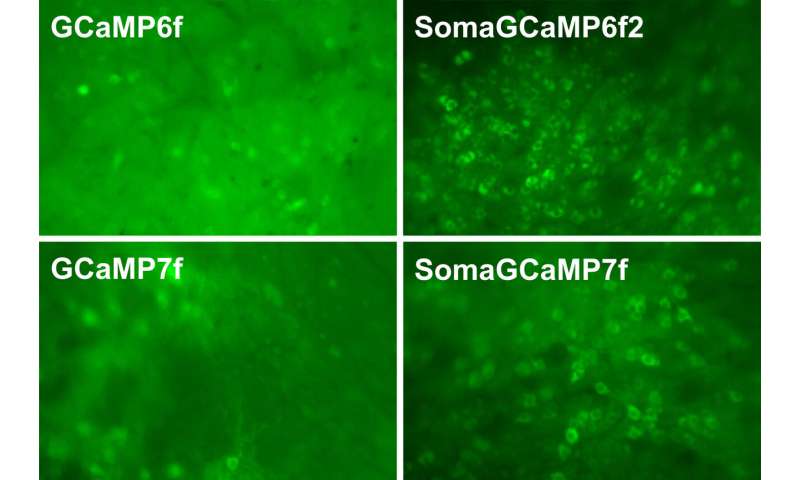
Using a new calcium indicator that accumulates in the cell bodies of neurons (boxes at right), MIT neuroscientists are able to more accurately image neuron activity. Traditional calcium indicators (boxes at left) can generate crosstalk that blurs the images. Credit: Howard Gritton, Boston University
When neurons fire an electrical impulse, they also experience a surge of calcium ions. By measuring those surges, researchers can indirectly monitor neuron activity, helping them to study the role of individual neurons in many different brain functions.
One drawback to this technique is the crosstalk generated by the axons and dendrites that extend from neighboring neurons, which makes it harder to get a distinctive signal from the neuron being studied. MIT engineers have now developed a way to overcome that issue, by creating calcium indicators, or sensors, that accumulate only in the body of a neuron.
“People are using calcium indicators for monitoring neural activity in many parts of the brain,” says Edward Boyden, the Y. Eva Tan Professor in Neurotechnology and a professor of biological engineering and of brain and cognitive sciences at MIT. “Now they can get better results, obtaining more accurate neural recordings that are less contaminated by crosstalk.”
To achieve this, the researchers fused a commonly used calcium indicator called GCaMP to a short peptide that targets it to the cell body. The new molecule, which the researchers call SomaGCaMP, can be easily incorporated into existing workflows for calcium imaging, the researchers say.
Boyden is the senior author of the study, which appears today in Neuron. The paper’s lead authors are Research Scientist Or Shemesh, postdoc Changyang Linghu, and former postdoc Kiryl Piatkevich.
Molecular focus
The GCaMP calcium indicator consists of a fluorescent protein attached to a calcium-binding protein called calmodulin, and a calmodulin-binding protein called M13 peptide. GCaMP fluoresces when it binds to calcium ions in the brain, allowing researchers to indirectly measure neuron activity.
The simplest way to detect these fluorescent signals is with a type of imaging called one-photon microscopy. This is a relatively inexpensive technique that can image large brain samples at high speed, but the downside is that it picks up crosstalk between neighboring neurons. GCaMP goes into all parts of a neuron, so signals from the axons of one neuron can appear as if they are coming from the cell body of a neighbor, making the signal less accurate.
A more expensive technique called two-photon microscopy can partly overcome this by focusing light very narrowly onto individual neurons, but this approach requires specialized equipment and is also slower.
Credit: Unsplash/CC0 Public Domain
Boyden’s lab decided to take a different approach, by modifying the indicator itself, rather than the imaging equipment.
“We thought, rather than optically focusing light, what if we molecularly focused the indicator?” he says. “A lot of people use hardware, such as two-photon microscopes, to clean up the imaging. We’re trying to build a molecular version of what other people do with hardware.”
In a related paper that was published last year, Boyden and his colleagues used a similar approach to reduce crosstalk between fluorescent probes that directly image neurons’ membrane voltage. In parallel, they decided to try a similar approach with calcium imaging, which is a much more widely used technique.
To target GCaMP exclusively to cell bodies of neurons, the researchers tried fusing GCaMP to many different proteins. They explored two types of candidates—naturally occurring proteins that are known to accumulate in the cell body, and human-designed peptides—working with MIT biology Professor Amy Keating, who is also an author of the paper. These synthetic proteins are coiled-coil proteins, which have a distinctive structure in which multiple helices of the proteins coil together.
Less crosstalk
The researchers screened about 30 candidates in neurons grown in lab dishes, and then chose two—one artificial coiled-coil and one naturally occurring peptide—to test in animals. Working with Misha Ahrens, who studies zebrafish at the Janelia Research Campus, they found that both proteins offered significant improvements over the original version of GCaMP. The signal-to-noise ratio—a measure of the strength of the signal compared to background activity—went up, and activity between adjacent neurons showed reduced correlation.
In studies of mice, performed in the lab of Xue Han at Boston University, the researchers also found that the new indicators reduced the correlations between activity of neighboring neurons. Additional studies using a miniature microscope (called a microendoscope), performed in the lab of Kay Tye at the Salk Institute for Biological Studies, revealed a significant increase in signal-to-noise ratio with the new indicators.
“Our new indicator makes the signals more accurate. This suggests that the signals that people are measuring with regular GCaMP could include crosstalk,” Boyden says. “There’s the possibility of artifactual synchrony between the cells.”
In all of the animal studies, they found that the artificial, coiled-coil protein produced a brighter signal than the naturally occurring peptide that they tested. Boyden says it’s unclear why the coiled-coil proteins work so well, but one possibility is that they bind to each other, making them less likely to travel very far within the cell.
Boyden hopes to use the new molecules to try to image the entire brains of small animals such as worms and fish, and his lab is also making the new indicators available to any researchers who want to use them.
“It should be very easy to implement, and in fact many groups are already using it,” Boyden says. “They can just use the regular microscopes that they already are using for calcium imaging, but instead of using the regular GCaMP molecule, they can substitute our new version.”
The authors of a recent paper ask what role gut bacteria might play in COVID-19. They outline strands of existing evidence and conclude that a link between the two is plausible, but that more research is necessary.
Is there a relationship between COVID-19 and gut bacteria?
Scientists have implicated gut bacteria in a number of conditions. From type 2 diabetes to depression, researchers have observed relationships between a wide range of disease states and the organisms that live in our gastrointestinal tract.
The recent paper outlines previous research that demonstrates links between lung health in general and gut bacteria.
On the surface, a link between the gut and COVID-19 might seem unlikely. However, there are a number of reasons to suspect such a relationship.
For instance, gastrointestinal symptoms are a relatively common feature of COVID-19. In one study, more than half of those with the disease reported digestive symptoms, including diarrhea and vomiting.
Another link between the new coronavirus and the gut involves ACE-2 receptors. These receptors are SARS-CoV-2’s entry point into cells; they are expressed in a few anatomical sites, including the lungs and the gastrointestinal tract.
Also, researchers have detected SARS-CoV-2 in the stool of people with COVID-19.
In the new paper, which appears in the journal Virus Research, the authors outline how our microbiome might influence either our risk of developing COVID-19 or the severity of the disease. Although there is no direct evidence, the researchers collate various lines of converging evidence.
Stay informed with live updates on the current COVID-19 outbreak and visit our coronavirus hub for more advice on prevention and treatment.
A link between the lungs and the gut seems somewhat unexpected. However, as the authors discuss in their paper, this is not a new idea. The so-called gut-lung axis describes the cross-talk that occurs between gut microbiota and the lungs.
This communication travels in both directions: Endotoxins and metabolites that bacteria produce in the gut can travel through the blood and influence the lungs. In a similar manner, inflammation in the lungs can affect bacteria residing in the gut.
“This raises [the] interesting possibility that [SARS-CoV-2] might also have an impact on the gut microbiota,” the authors explain. “In fact, several studies have demonstrated that respiratory infections are associated with a change in the composition of the gut microbiota.”
They also note that some studies have demonstrated links between acute respiratory distress syndrome, which occurs in severe cases of COVID-19, and gut microbiota. Further to this, they explain that in mice, “removal of certain gut bacteria by antibiotic[s] leads to increased susceptibility to influenza virus infection in [the] lungs.”CORONAVIRUS NEWSStay informed about COVID-19
Get the latest updates and research-backed information on the novel coronavirus direct to your inbox.Enter your emailSIGN UP
From decades of research, it has become increasingly clear that the microbiome plays a role in the immune system.
As the authors of the new paper explain, gut bacteria help “tune the immune cells for pro- and anti-inflammatory responses, thereby affecting [their] susceptibility to various diseases.”
They also write: “The composition of balanced gut microbiota is known to have a major influence on the effectiveness of lung immunity. Germ-free mice, devoid of their intestinal microbiota, have been shown to have impaired pathogen clearance capability in the lung.”
Other scientists have revealed that the repeated use of antibiotics is associated with an increased risk of lung and other cancers, once again shining a light on a potential link between the gut and lungs.
Although scientists have not proven a direct link between SARS-CoV-2 infection and gut bacteria, the study authors believe that the circumstantial evidence is enough to warrant further investigation.
Unsurprisingly, diet plays a significant role in shaping the composition of bacterial populations in the gut. For instance, one study demonstrated that individuals who follow a plant-based Mediterranean diet have very different populations of gut bacteria compared with individuals who consume a meat-based Western diet.
The authors of the new paper also mention a study that looked at gut bacteria, dietary fiber, and allergic reactions in the lungs. The scientists found that when microbes metabolize dietary fiber, levels of short-chain fatty acids in the blood increase. This has a protective effect against allergic inflammation in the lungs.
As the authors of the allergy study conclude, “Our results show that dietary fermentable fiber and [short-chain fatty acids] can shape the immunological environment in the lung and influence the severity of allergic inflammation.”
With these findings in mind, the authors of the latest paper write:
“[E]ffective nutritional strategy and specific functional foods aiming at the microbiota for specific population group may be the need of the hour.”
To add to the discussion, in a study from last month, scientists analyzed stool samples from 15 individuals with COVID-19. They took samples two to three times each week for the duration of the participants’ stay in the hospital.
The scientists compared these data with stool samples from 15 healthy individuals and six people with pneumonia but without COVID-19. They found that, across all time points, “Patients with COVID-19 had significant alterations in fecal microbiomes compared with controls.”
However, no studies so far have resolved the question of cause and effect; understanding whether gut bacteria influence COVID-19 risk or whether having COVID-19 alters gut bacteria will take more research. Regardless, the authors conclude that “[s]trategies to alter the intestinal microbiota might reduce disease severity.”
To date, there is no firm evidence to suggest that SARS-CoV-2 interacts with gut bacteria in a meaningful way, or that the microbiome influences the severity of COVID-19. However, taking all the information in the new paper together, it certainly seems to be a credible theory.
At this stage, we can only conclude that gut bacteria could play a part in an individual’s susceptibility to COVID-19 or the severity of their symptoms. More research is necessary and, with high levels of interest in both the microbiome and SARS-CoV-2, this is sure to follow.
Apolipoprotein E (ApoE) is kind of like a delivery service for the human brain. It supplies neurons with important nutrients, including with polyunsaturated fatty acids—which are building blocks of the membranes surrounding the neurons. In addition, certain unsaturated fatty acids are converted into so-called endocannabinoids. These are endogenous signaling molecules that regulate many functions of the nervous system such as memory, but also the control of immune response, thereby protecting the brain from inflammation.
The ApoE cargo reaches the neurons via a membrane receptor called sortilin. In a process known as endocytosis, sortilin binds ApoE and transports it into the interior of the neuron through invaginations of the cell membrane. The interaction of ApoE and sortilin has a major impact on our brain health: If not enough polyunsaturated fatty acids reach the gray cells, they begin to waste away and become susceptible to inflammatory responses.
But not all ApoE is the same. There are three gene variants in humans: ApoE2, ApoE3 and ApoE4. They do not differ in their function of transporting lipids. The ability to bind to sortilin is also the same in all variants. However, people who carry the E4 variant have 12 times greater risk of developing Alzheimer’s than those with the E3 form. About 15% of people carry ApoE4.
“Why ApoE4 significantly increases the risk of Alzheimer’s is one of the central questions in Alzheimer’s research,” says Professor Thomas Willnow, who for many years has been studying the development of neurodegenerative diseases at the Max Delbrück Center for Molecular Medicine in the Helmholtz Association (MDC). Willnow is also affiliated with Charité – Universitätsmedizin Berlin and Aarhus University.
ApoE4 prevents the recycling of sortilin
A study by Willnow’s lab has now provided a possible explanation for why ApoE4 poses such a danger to the brain. The lead author of the study, which was recently published in the journal Alzheimer’s & Dementia, is Dr. Antonino Asaro from the MDC. The study found that in the E3 variant, endocytosis functions smoothly: Sortilin binds the lipid-loaded ApoE3. After depositing its cargo inside the neurons, sortilin returns to the cell surface to bind new ApoE. This process repeats itself many times per hour, thus supplying neurons with sufficient amounts of essential fatty acids.
It comes to a standstill, however, when ApoE4 is involved. If sortilin binds ApoE4 and transports it into the neuron’s interior, the receptor clumps up inside the cell. It is unable to return to the cell surface, and the endocytosis process grinds to a halt. Eventually, fewer and fewer fatty acids are taken up, the gray cells cannot protect themselves, and become inflamed. As a result, they are susceptible to cell death as the aging process sets in, and eventually die. The risk of developing Alzheimer’s dementia thus increases dramatically.
“We used a custom mouse model to simulate the human lipid metabolism,” Willnow explains. His team achieved this by breeding transgenic mice that produce human ApoE variants, either ApoE3 or ApoE4. The researchers then studied the lipid composition of the mice brains using mass spectrometry, a technique for analyzing atoms and molecules. They found that the lipid composition was healthy in the brain of mice with ApoE3 with adequate levels of unsaturated fatty acids and endocannabinoids. In contrast, the brain cells of the E4 mice did not receive enough lipids. Under the microscope, the researchers saw that in the ApoE4 mice the membrane vesicles that normally bring sortilin from the cell interior back to the cell surface had gotten stuck inside the neuron—a sign that ApoE4 had caused the receptor to clump up.
A potential new approach to Alzheimer’s therapeutics
“This finding may provide the basis for a new strategy to treat Alzheimer’s,” Willnow says. People with the E4 variant could be treated with an agent that prevents ApoE4 from causing the receptor sortilin to clump up. Such agents are already being tested in neuron cultures.
Willnow’s lab at the MDC, in collaboration with the Neuroscience Research Campus at Aarhus University in Denmark, is now working to develop such a therapeutic. “If we succeed in developing such a drug, screening for ApoE4 might make sense,” Willnow says. Preventive measures could then be taken against the inflammatory damage of gray cells in people with a genetic risk. “But until then I’d rather not know what ApoE variant I have.”
For half a millennium, people have tried to enhance human vision by technical means. While the human eye is capable of recognizing features over a wide range of size, it reaches its limits when peering at objects over giant distances or in the micro- and nanoworld. Researchers of the EU funded project ChipScope are now developing a completely new strategy towards optical microscopy.
The conventional light microscope, still standard equipment in laboratories, underlies the fundamental laws of optics. Thus, resolution is limited by diffraction to the so called “Abbe limit’ – structural features smaller than a minimum of 200 nm cannot be resolved by this kind of microscope.
So far, all technologies for going beyond the Abbe limit rely on complex setups, with bulky components and advanced laboratory infrastructure. Even a conventional light microscope, in most configurations, is not suitable as a mobile gadget to do research out in the field or in remote areas. In the ChipScope project funded by the EU, a completely new strategy towards optical microscopy is explored. In classical optical microscopy the analyzed sample area is illuminated simultaneously, collecting the light which is scattered from each point with an area-selective detector, e.g. the human eye or the sensor of a camera.
In the ChipScope idea instead, a structured light source with tiny, individually addressable elements is utilized. As depicted in the figure, the specimen is located on top of this light source, in close vicinity. Whenever single emitters are activated, the light propagation depends on the spatial structure of the sample, very similar to what is known as shadow imaging in the macroscopic world. To obtain an image, the overall amount of light which is transmitted through the sample region is sensed by a detector, activating one light element at a time and thereby scanning across the sample space. If the light elements have sizes in the nanometer regime and the sample is in close contact to them, the optical near field is of relevance and super resolution imaging may become possible with a chip-based setup.
To realize this alternative idea, a bunch of innovative technology is required. The structured light source is realized by tiny light-emitting diodes (LEDs), which are developed at the University of Technology in Braunschweig, Germany. Due to their superior characteristics in comparison to other lighting systems, e.g. the classical light bulb or Halogen-based emitters, LEDs have conquered the market for general lighting applications in the past decades. However, to the present point, no structured LED arrays with individually addressable pixels down to the sub-µm regime are commercially available.
This task belongs to the responsibility of TU Braunschweig within the frame of the ChipScope project. First LED arrays with pixel sizes down to 1 µm have already been demonstrated by the researchers, as depicted in the figure. They are based on gallium nitride (GaN), a semiconductor material which is commonly used for blue and white LEDs. Controlled structuring of such LEDs down to the sub-µm regime is extremely challenging. It is conducted by photo- and electron beam lithography, where structures in the semiconductor are defined with high precision by optical shadow masks or focused electron beams.
As a further component, highly sensitive light detectors are required for the microscope prototype. Here, Professor A. Dieguez’ group at the University of Barcelona develops so called single-photon avalanche detectors (SPADs) which can detect very low light intensities down to single photons. First tests with those detectors integrated into a prototype of the ChipScope microscope have already been conducted and have shown promising results.
Moreover, a way to bring specimens into close vicinity of the structured light source is vital for proper microscope operation. An established technology to realize this utilizes microfluidic channels, where a fine system of channels is structured into a polymer matrix. Using high-precision pumps, a micro-volume liquid is driven through this system and carries the specimen along to the target position.
It wasn’t the greatest of days. The trouble began when, having stumbled out of bed in the middle of the night to have a pee and not bothered to turn on the light, I reached into the basket of bog rolls and felt something furry move under my hand.
I don’t know if you saw the reports recently that described rats, supposedly big enough to throw a saddle over, roaming Dublin’s suburbs in maundering gangs. Necking cans of Prazsky on Dollymount Strand, queuing up for battered sausages and chips outside neon-lit burger bars, they sound like they’re just short of getting the last bus home to crouch under the couch and watch Match of the Day.
Me, I read all about those bucking broncos. More than that, I listened slack-jawed to accounts of multiple city-centre sightings of whiskery snouts and yellowing teeth, and of hearing the scuttling pitter-patter of four-toed “hands” and five-toed “feet”.
Man alive, I am terrified of rats. They slither through letterboxes, swim up into toilet bowls, gnaw through brick with teeth tougher than iron, urinate on beer crates – and bite. You might think you’re the cat’s pyjamas, swigging your designer ale at your socially distanced barbecue, rotating your vegan sausages and chatting about your brush with holistic dentistry, but you better have washed your bottle tops, mate, or you might be in for some nasty ratty surprises.
Anyway, back to the lavatory, where I’m leaping (less than athletically) off the privy at 3am, my imagination whipped to life by false perceptions of pinkish tails. It’s extraordinary how the mind springs to catastrophising wakefulness in the witching hour.
Clinging to the lampshade, as rationality slowly kicked in, it occurred to me that the furball slumbering on the three-ply quilted rolls might actually be the cat.
She’s been a bit off-colour recently, picking at her food, sleeping a lot, sitting slumped on a chair in the backyard with a glass of cheap Pinot Grigio, lazily watching the birds peck at the suet balls.
Nothing seems to rouse her very much these days, not even a zinging article I read out from a gossip magazine, yellowed by sunlight and dampened by summer rain, about Gwyneth Paltrow’s difficulties maintaining intimacy during lockdown.
“Oh look,” I said, “Gwynnie and her shiny new spouse are experiencing some marital tensions while living in close quarantine with her children Mungbean and Celeriac.”
The cat flicked her mangy tail, squinted at a feasting blue tit.
She’s just old and disenchanted. She’s just sick of lockdown and wondering whether she has the energy to start again
Gwynnie, I told her, feels that “there is quite a lot of stress that just comes from trying to recalibrate to this new normal and this level of proximity”. Um-hum, said the cat’s expression as a pigeon in military grey helicoptered into the yard and landed on the gravel to peck at crumbs of dropped suet.
I continued reading aloud. “Where do you go as a couple when you’re all in the house and you’ve got dogs and you’re trying to work? … How do we find intimacy in uncertain times?”
“How indeed?!” I asked, watching the cat’s complete indifference to the aviary of laughing birds. “So Gwynnie is tripping over her dogs in her various luxury homes, eh? Can’t be easy deciding whether to live in the Hamptons or rough it in LA, and never mind dogs and children, what about the horses and the staff and the vats of blended wheatgrass?
“Can’t be easy to find a bit of space in your various gaffs to sip your Siberian mushroom tea with your doe-eyed husband, Brad, a man with a selection of alpaca geansaí in his wardrobe, each and every one spun from cuckoo spittle and hand-knit by a tribe of knee-socked Arctic geese.”
The cat slept. The birds fed. The clouds gathered. Casting the magazine aside, I went indoors and phoned the vet, explaining the various other symptoms I’d noticed in the past few weeks, and was given an emergency appointment for the next day.
“An emergency appointment?” I asked. “Are you sure? She’s just old and disenchanted. She’s just sick of lockdown and wondering whether she has the energy to start again. She’s just a bit, I don’t know, disorientated – but aren’t we all?”
“We’ve had a lot of sick cats come in to us recently,” the vet said, somewhat mysteriously. “Bring her in. We’ll see what we can do.”
IMAGE: OVERLAPPING X-RAY DATA OF THE SARS-COV-2 MAIN PROTEASE SHOWS STRUCTURAL DIFFERENCES BETWEEN THE PROTEIN AT ROOM TEMPERATURE (ORANGE) AND THE CRYOGENICALLY FROZEN STRUCTURE (WHITE). view more CREDIT: JILL HEMMAN/ORNL, U.S. DEPT. OF ENERGY
A team of researchers at the Department of Energy’s Oak Ridge and Argonne national laboratories has performed the first room-temperature X-ray measurements on the SARS-CoV-2 main protease — the enzyme that enables the virus to reproduce.
The X-ray measurements mark an important first step in the researchers’ ultimate goal of building a comprehensive 3D model of the enzymatic protein. The model will be used to advance supercomputing simulations aimed at finding drug inhibitors to block the virus’s replication mechanism and help end the COVID-19 pandemic. Their research results are publicly available and have been published in the journal Nature Communications.
SARS-CoV-2 is the virus that causes the disease COVID-19. The virus reproduces by expressing long chains of proteins that must be cut into smaller lengths by the protease enzyme.
“The protease is indispensable for the virus life-cycle. The protein is shaped like a valentine’s heart, but it really is the heart of the virus that allows it to replicate and spread. If you inhibit the protease and stop the heart, the virus cannot produce the proteins that are essential for its replication. That’s why the protease is considered such an important drug target,” said ORNL’s Andrey Kovalevsky, corresponding author. While the structure is known from cryogenically preserved crystals, “This is the first time the structure of this enzyme has been measured at room temperature, which is significant because it’s near the physiological temperature where the cells operate.”
Building a complete model of the protein structure requires identifying each element within the structure and how they are arranged. X-rays are ideal for detecting heavy elements such as carbon, nitrogen and oxygen atoms. Because of the intensity of the X-ray beams at most large-scale synchrotron facilities, biological samples typically must be cryogenically frozen to around 100 K, or approximately minus 280 degrees Fahrenheit, to withstand the radiation long enough for data to be collected.
To extend the lifetime of the crystallized protein samples and measure them at room temperature, ORNL researchers grew crystals larger than required for synchrotron cryo-studies and used an in-house X-ray machine that features a less intense beam.
“Growing protein crystals and collecting data is a tedious and time-consuming process. In the time it typically takes to prepare and ship the sample to a synchrotron, we were able to grow the crystals, take the measurements and begin analyzing the data,” said ORNL’s Daniel Kneller, the study’s first author. “And, when there’s a pandemic with many scientists mobilizing to study this problem, there’s not a day to spare.”
The protease enzyme consists of chains of amino acids with a repeating pattern of nitrogen-carbon-carbon atoms that form the backbone of the protein. Side groups of the amino acid building blocks, or “residues”, extend from each of the central backbone carbon atoms. The enzyme is folded into a specific 3D shape, creating special pockets where a drug molecule would attach.
The study revealed significant structural disparities between the orientations of the backbone and some of the residues in the room-temperature and cryogenic samples. The research suggests that freezing the crystals may introduce structural artifacts that could result in a less accurate understanding of the protease structure.
The team’s results are being shared with researchers, led by ORNL-University of Tennessee Governor’s Chair Jeremy Smith, who are conducting drug docking simulations using Summit at ORNL — the nation’s fastest supercomputer.
“What researchers are doing on Summit is taking known drug compounds and trying to computationally bind them to the main protease for drug repurposing, as well as looking for new leads into other potential drug candidates,” said ORNL corresponding author Leighton Coates. “Our room temperature data is being used to build a more accurate model for those simulations and improve drug design activities.”
The researchers’ next step in completing the 3D model of the SARS-CoV-2 main protease is to use neutron scattering at ORNL’s High Flux Isotope Reactor and the Spallation Neutron Source. Neutrons are essential in locating the hydrogen atoms, which play a critical role in many of the catalytic functions and drug design efforts.
The protease plasmid DNA used to make the enzyme was provided by Argonne’s Structural Biology Center at the Advanced Photon Source. Crystallization of the proteins used in the X-ray scattering experiments was performed at ORNL’s Center for Structural and Molecular Biology.
In addition to Kovalevsky, Kneller, and Coates, the paper’s authors are ORNL’s Gwyndalyn Phillips, Hugh M. O’Neill and Paul Langan; and Argonne’s Robert Jedrzejczak, Lucy Stols and Andrzej Joachimiak.









 Bruce's Blog