Research carried out by a University academic has shed new light on the fundamentals of how, and why, we make the decisions we do.
In two separate studies, UKRI Future Leader Fellow and Lecturer in Psychology, Dr. Elsa Fouragnan has used her expertise in functional magnetic resonance imaging (fMRI) and computational analysis to discover exactly what happens in the brains of human and non-human primates when certain kinds of decisions are made in different contexts. Both pieces of work were carried out in collaboration with researchers at the University of Oxford’s Department of Experimental Psychology.
The first, published in Nature Communications, explores how and where the brain encodes a memory of the general reward rate in an environment, what the team describes as the ‘richness’ of the context in which decisions are made.
The decisions we make are influenced by the context in which they take place, and our perceptions of their outcomes are also seen through the same lens.
Dr. Fouragnan explained:
“To give a simple example, in a context where punishment is regularly experienced, if nothing happens that might be seen as a good thing. On the other hand, in a context where normally many good things occur, nothing happening would be viewed as negative. This richness of context we named the global reward state of an environment, and in this study we identified where in the brain this global reward signal is encoded.”
In the research, the team found that the global reward state had a striking impact on behavior. Subjects were more likely to repeat rewarded choices in environments with high global reward state, and to abandon poor choices more readily when encountered in low global reward states.
They were also able to identify the areas of the brain—the anterior agranular insular cortex and the dorsal raphe nucleus—where activity was associated with decision-making being influenced by the global reward state.
The second paper, published this week in Nature Human Behavior, explored how decisions are made when we are faced with uncertainty about choices that could lead to different outcomes. It focused on the exploration/exploitation dilemma: the choice between exploiting a familiar option with known value, and exploring an option with uncertain value, but which might turn out to be better. Do you just go for what you know, or do you decide to try something you’ve never had before?
Again using fMRI and computational modeling, the study found that another key area of the brain involved in decision-making, the ventromedial prefrontal cortex, not only played a role in calculating the values of the options being considered, but also displayed different activity depending on whether the subject was in explorative or exploitative mode. This showed, according to the researchers, that this part of the brain has a unique role in representing the beliefs that guide choices.
Dr. Fouragnan added:
“These studies have added a bit more to our growing knowledge of how decisions are made: how they are influenced by context, and how our beliefs about the decisions we make are shaped by uncertainty. The really exciting part, however, is that we have now found the neural processes that underlie these different kinds of decisions. Ultimately, these studies can be translated into benefits for patients with mental illness, particularly those for which decisions are pathological, for example in addiction.”
More information: Marco K. Wittmann et al. Global reward state affects learning and activity in raphe nucleus and anterior insula in monkeys, Nature Communications (2020). DOI: 10.1038/s41467-020-17343-w
Is it possible to “write” using speech-to-text software?
Turning the spoken word into clear prose requires more planning than the human brain is capable ofSep 5th 2020 edition
Sep 5th 2020
Voice technology has come a long way. Just a few years ago, it would’ve been unusable, so much so that many people gave up on it in the early years.
But now, those who follow the technology know that it has gotten considerably better over the last five to ten years. Truly effective voice technology promises many good things. Not only does it allow you to command devices like smartphones or use wired home devices without the use of hands, but also many other applications. For example, you can identify someone by their voice if you need to know who they are over the phone. Your bank will find this very useful.
The pandemic is ruining our sleep. Experts say ‘coronasomnia’ could imperil public health.
Cheryl Ann Schmidt, 65, reads the newspaper at 4:30 a.m. in her East Lansing, Mich., home — testament to the insomnia that has beset her since she was furloughed and then laid off from her job amid the pandemic. (Brittany Greeson for The Washington Post)
Sara Tibebu tried bubble baths. She curated playlists of low-fi beats, followed guided meditation videos and paid for virtual therapy. In desperation, she even plucked and dried lavender to make sachets to place inside her pillowcase.
But every night, she still found herself staring at the ceiling — wide-awake. For five months, all Tibebu has wanted is a decent night of shut-eye.
“The lack of sleep is just driving me crazy,” said Tibebu, 36, a technical writer who lives in Takoma Park, Md., where most nights her eyes snap open around 2 a.m., and she begins to obsess over everything from the dismal U.S. response to the pandemic to the sorry state of her love life.
As if the novel coronavirus has not already wrought devastation aplenty on the world, physicians and researchers are seeing signs it is doing deep damage to people’s sleep. “Coronasomnia,” as some experts now call it, could prove to have profound public-health ramifications — creating a massive new population of chronic insomniacs grappling with declines in productivity, shorter fuses and increased risks of hypertension, depression and other health problems.AD
It’s easy to see why people can’t sleep, experts say. The pandemic has heightened stress and upset routines.
Bank accounts are strained and children are home. Days lack rhythm and social interaction. The bedroom, which sleep experts say should be an electronics-free sanctuary, also now serves for many as a makeshift office. The news is gripping, bad and breaking around the clock in blue light that discourages shut-eye. The future is uncertain, the end of the crisis indiscernible.
“Patients who used to have insomnia, patients who used to have difficulty falling asleep because of anxiety, are having more problems. Patients who were having nightmares have more nightmares,” said Alon Avidan, a neurologist who directs the UCLA Sleep Disorders Center. “With covid-19, we recognize that there is now an epidemic of sleep problems.”
Even before the virus, lack of sleep was a simmering public-health crisis associated with a suite of maladies. Roughly 10 to 15 percent of people worldwide were suffering from chronic insomnia, the struggle to fall or stay asleep at least three nights a week for three months or longer. Crises such as natural disasters or terrorist attacks are known to trigger short-term sleeplessness. But experts say the pandemic’s unprecedented global impact and protracted nature threaten to expand the rate of chronic insomnia, which is much harder to treat.AD
“Insomnia is not a benign problem. … The impact of insomnia on quality of life is enormous,” said Charles M. Morin, director of the Sleep Research Center at Université Laval in Quebec, who has called for large-scale campaigns about the value of shut-eye to stem a coronavirus-era sleep crisis. “We hear a great deal about the importance of exercising and good diet, but sleep is the third pillar of sustainable health.”
Morin is leading a 15-country project to measure the pandemic’s impact on sleep, but there is already evidence of broad deterioration. Prescriptions for sleep medications jumped 15 percent between mid-February and mid-March in the United States, according to Express Scripts, a major pharmacy benefit manager. At the UCLA Sleep Disorders Center, the number of patients complaining of insomnia has risen 20 to 30 percent, and more of them are children.
Web-based studies in China, France and Italy found insomnia or poor sleep in about 20 percent of respondents, particularly during pandemic-related shutdowns — which, Italian researchers wrote, seemed to cause people to lose track of days, weeks and time itself.
In Seoul, a virus flare-up threatens to spread nationwide. (Jean Chung/Bloomberg News)
While such surveys are not methodologically robust, they provide “an important signal, especially when it’s consistent across countries,” said Orfeu M. Buxton, a sleep researcher at Pennsylvania State University, who said it’s important to view anxiety and sleep troubles as appropriate at a time like this.AD
“We evolved these brain mechanisms to help us react to literally existential threats, and they’re piling on right now, especially for the less advantaged,” Buxton said. “The circumstances are such that sleep is a sentinel, a sign that things are really wrong in our country and the world.”
‘I can’t continue living this way’
The word Buxton uses to describe the unprecedented confluence of stressors is dread. Dread about the future is often imagined, he said, but not now. “This is dread that’s real,” he said.
It is also the word Cheryl Ann Schmidt uses for the heavy, knotlike feeling that hits her solar plexus every time she lies down at night, and even when she tries to nap.
“I get this sense of dread, like I’m not going to wake up, like something is seriously wrong in the world,” said Schmidt, 65, who lives in East Lansing, Mich.AD
Schmidt’s sleep woes began when she was sent home from her job as a recycling director at a Styrofoam company in April. They only got worse a month ago, when she was laid off. For two terrifying weeks before Medicare kicked in, she had no health insurance and didn’t leave the house for fear of injury or illness.
Now, Schmidt said, she lies awake fretting about finances and lost retirement plans, then chastising herself for self-pity when others are dying of covid-19, the illness caused by the coronavirus. Most nights, she waits in the darkness until she hears the thump of the newspaper hit her front door around 4:30 a.m. That’s when she gives herself permission to rise and read about the country’s latest crises at her dining table.
“Sometimes, the thought goes through my head that maybe getting this virus really is inevitable, that I should just get infected and get it over with. And if I die, I die,” Schmidt said. “It’s not that I really have a death wish, but in the middle of the night, I think to myself, I can’t continue living this way.”AD
The unusual, toxic cocktail of pandemic-era stresses that degrade sleep is so strong that physician Abhinav Singh, director of the Indiana Sleep Center, coined a mnemonic to explain it: “FED UP.” The letters stand for financial stress, emotional stress, distance from others, unpredictability, and personal and professional concerns.
When shutdowns were imposed in March — freeing people of commutes and sprints to the school-bus stop — some of his patients began sleeping better. Months later, they’re seeking help, as are former patients and many new ones.
“The unpredictability of when it’s going to end is starting to weigh back on people,” Singh said.
No end in sight
Sleep physicians are seeing increasing delays of bedtimes and wake times. Avidan, of UCLA, said some of his patients are “living in L.A., but they’re on Honolulu time zone.” That disrupts the circadian rhythms that regulate sleep cycles, particularly by depriving people of exposure to natural light early in the morning, Avidan said. And it is exacerbated by the artificial light of screens — drivers of pre-pandemic sleep disorders and the way many now connect to work meetings, happy hours, entertainment and news.AD
Circadian rhythms are also affected by daily routines — and lack thereof, nowadays — such as meal times, riding the subway or hitting yoga class.
“Social cues are also circadian cues,” Singh said. And they have been ripped away.
Carliss Chatman, an associate law professor at Washington and Lee University, expected to get the best sleep of her life once the school closed. Her sleep had never been stellar, but she figured she would slide into her normal summer habits — working from home and sleeping a short night and a solid afternoon nap.
Before the pandemic, however, the self-described extrovert now realizes, working from home meant writing at coffee shops or libraries that are now shuttered, and lunching with friends. Now, it happens in an upstairs office at her house, where there’s no one to greet.AD
Chatman, 41, has eliminated her triple Americanos, limited alcohol and sugar, hung blackout curtains and kept up with exercise. Even so, she finds it impossible to nap. She’s left with sluggish afternoons and about four hours of fitful sleep at night, much of it spent ruminating on what would happen if she gets covid-19.
“I find myself contingency planning a lot,” Chatman said. “What happens to the class if I can’t teach it?”
For Karthik Kumar, an attorney in the Washington area, “a switch flipped” in May, as he realized there was no end in sight to the uncertainty. His slumber is now punctuated by apocalyptic dreams: He is stuck in a bunker, methodically counting how many food rations he has left, or wandering through an abandoned city as society crumbles around him.
Dramatic dreams are a consequence of heightened anxiety, according to clinicians who have seen a rise in patients reporting nightmares, night terrors and sleepwalking. Vivid dreams can also result from sleeping longer or later in the morning, when sleep is particularly dream-rich — but not necessarily restful.AD
“The one common thing in my dreams is that things are rapidly falling apart, and I’m attempting to survive,” Kumar said. “I wake up feeling like I spent the night being chased by a bear.”
Sanctuary in the woods
The rise in prescription medications, at least early in the pandemic, is not surprising, experts say. Many people approach primary-care doctors for sleep problems, and pills they prescribe can be effective and safe in the short term. But they are not recommended for chronic insomnia.
There is growing recognition in the medical field that the best treatment is cognitive behavioral therapy for insomnia, said Norah Simpson, a clinical psychologist at Stanford University’s Sleep Health and Insomnia Program, which provides non-drug treatments. But few therapists are trained in it, and insurance doesn’t always cover it. Physicians who specialize in sleep are also in short supply.
The good news, Simpson said, is that therapy can be administered virtually, and such services have expanded during the pandemic. But that requires an Internet connection, an awareness of treatment options and an available practitioner — a combination out of reach for many people.
Even without professional help, people can take steps to improve their sleep, experts say. Abstaining from electronics for at least an hour before bed, getting light exposure by about 8 a.m. and making time at night for sleep are critical.
Many experts advise prioritizing exercise and family time, and going on a media diet or fast. Simpson’s top recommendation: Rethink your consumption of news.
“When we are engaging with news that may be stressful or worrying in the last hour or two before bed, that can really have a negative impact on sleep,” Simpson said.
Tibebu, the technical writer in Maryland, said online therapy for anxiety helped somewhat. So did focusing on self-care — eating well, buying herself flowers.
But in the end, what gave her the most relief during a particularly maddening stretch of insomnia last month was grabbing her one-person tent and fleeing to a state park.
There, below glinting stars, surrounded by the buzz of cicadas and a crackling fire, she got her first full night of sleep in months.
Almost every weekend since, she has been sleeping outdoors, returning to her condo on Sunday night feeling restored enough to withstand yet another week of pandemic insomnia at home.
The pandemic is ruining our sleep. Experts say ‘coronasomnia’ could imperil public health.
Cheryl Ann Schmidt, 65, reads the newspaper at 4:30 a.m. in her East Lansing, Mich., home — testament to the insomnia that has beset her since she was furloughed and then laid off from her job amid the pandemic. (Brittany Greeson for The Washington Post)
Sara Tibebu tried bubble baths. She curated playlists of low-fi beats, followed guided meditation videos and paid for virtual therapy. In desperation, she even plucked and dried lavender to make sachets to place inside her pillowcase.
But every night, she still found herself staring at the ceiling — wide-awake. For five months, all Tibebu has wanted is a decent night of shut-eye.
“The lack of sleep is just driving me crazy,” said Tibebu, 36, a technical writer who lives in Takoma Park, Md., where most nights her eyes snap open around 2 a.m., and she begins to obsess over everything from the dismal U.S. response to the pandemic to the sorry state of her love life.
As if the novel coronavirus has not already wrought devastation aplenty on the world, physicians and researchers are seeing signs it is doing deep damage to people’s sleep. “Coronasomnia,” as some experts now call it, could prove to have profound public-health ramifications — creating a massive new population of chronic insomniacs grappling with declines in productivity, shorter fuses and increased risks of hypertension, depression and other health problems.AD
It’s easy to see why people can’t sleep, experts say. The pandemic has heightened stress and upset routines.
Bank accounts are strained and children are home. Days lack rhythm and social interaction. The bedroom, which sleep experts say should be an electronics-free sanctuary, also now serves for many as a makeshift office. The news is gripping, bad and breaking around the clock in blue light that discourages shut-eye. The future is uncertain, the end of the crisis indiscernible.
“Patients who used to have insomnia, patients who used to have difficulty falling asleep because of anxiety, are having more problems. Patients who were having nightmares have more nightmares,” said Alon Avidan, a neurologist who directs the UCLA Sleep Disorders Center. “With covid-19, we recognize that there is now an epidemic of sleep problems.”
Even before the virus, lack of sleep was a simmering public-health crisis associated with a suite of maladies. Roughly 10 to 15 percent of people worldwide were suffering from chronic insomnia, the struggle to fall or stay asleep at least three nights a week for three months or longer. Crises such as natural disasters or terrorist attacks are known to trigger short-term sleeplessness. But experts say the pandemic’s unprecedented global impact and protracted nature threaten to expand the rate of chronic insomnia, which is much harder to treat.AD
“Insomnia is not a benign problem. … The impact of insomnia on quality of life is enormous,” said Charles M. Morin, director of the Sleep Research Center at Université Laval in Quebec, who has called for large-scale campaigns about the value of shut-eye to stem a coronavirus-era sleep crisis. “We hear a great deal about the importance of exercising and good diet, but sleep is the third pillar of sustainable health.”
Morin is leading a 15-country project to measure the pandemic’s impact on sleep, but there is already evidence of broad deterioration. Prescriptions for sleep medications jumped 15 percent between mid-February and mid-March in the United States, according to Express Scripts, a major pharmacy benefit manager. At the UCLA Sleep Disorders Center, the number of patients complaining of insomnia has risen 20 to 30 percent, and more of them are children.
Web-based studies in China, France and Italy found insomnia or poor sleep in about 20 percent of respondents, particularly during pandemic-related shutdowns — which, Italian researchers wrote, seemed to cause people to lose track of days, weeks and time itself.
In Seoul, a virus flare-up threatens to spread nationwide. (Jean Chung/Bloomberg News)
While such surveys are not methodologically robust, they provide “an important signal, especially when it’s consistent across countries,” said Orfeu M. Buxton, a sleep researcher at Pennsylvania State University, who said it’s important to view anxiety and sleep troubles as appropriate at a time like this.AD
“We evolved these brain mechanisms to help us react to literally existential threats, and they’re piling on right now, especially for the less advantaged,” Buxton said. “The circumstances are such that sleep is a sentinel, a sign that things are really wrong in our country and the world.”
‘I can’t continue living this way’
The word Buxton uses to describe the unprecedented confluence of stressors is dread. Dread about the future is often imagined, he said, but not now. “This is dread that’s real,” he said.
It is also the word Cheryl Ann Schmidt uses for the heavy, knotlike feeling that hits her solar plexus every time she lies down at night, and even when she tries to nap.
“I get this sense of dread, like I’m not going to wake up, like something is seriously wrong in the world,” said Schmidt, 65, who lives in East Lansing, Mich.AD
Schmidt’s sleep woes began when she was sent home from her job as a recycling director at a Styrofoam company in April. They only got worse a month ago, when she was laid off. For two terrifying weeks before Medicare kicked in, she had no health insurance and didn’t leave the house for fear of injury or illness.
Now, Schmidt said, she lies awake fretting about finances and lost retirement plans, then chastising herself for self-pity when others are dying of covid-19, the illness caused by the coronavirus. Most nights, she waits in the darkness until she hears the thump of the newspaper hit her front door around 4:30 a.m. That’s when she gives herself permission to rise and read about the country’s latest crises at her dining table.
“Sometimes, the thought goes through my head that maybe getting this virus really is inevitable, that I should just get infected and get it over with. And if I die, I die,” Schmidt said. “It’s not that I really have a death wish, but in the middle of the night, I think to myself, I can’t continue living this way.”AD
The unusual, toxic cocktail of pandemic-era stresses that degrade sleep is so strong that physician Abhinav Singh, director of the Indiana Sleep Center, coined a mnemonic to explain it: “FED UP.” The letters stand for financial stress, emotional stress, distance from others, unpredictability, and personal and professional concerns.
When shutdowns were imposed in March — freeing people of commutes and sprints to the school-bus stop — some of his patients began sleeping better. Months later, they’re seeking help, as are former patients and many new ones.
“The unpredictability of when it’s going to end is starting to weigh back on people,” Singh said.
No end in sight
Sleep physicians are seeing increasing delays of bedtimes and wake times. Avidan, of UCLA, said some of his patients are “living in L.A., but they’re on Honolulu time zone.” That disrupts the circadian rhythms that regulate sleep cycles, particularly by depriving people of exposure to natural light early in the morning, Avidan said. And it is exacerbated by the artificial light of screens — drivers of pre-pandemic sleep disorders and the way many now connect to work meetings, happy hours, entertainment and news.AD
Circadian rhythms are also affected by daily routines — and lack thereof, nowadays — such as meal times, riding the subway or hitting yoga class.
“Social cues are also circadian cues,” Singh said. And they have been ripped away.
Carliss Chatman, an associate law professor at Washington and Lee University, expected to get the best sleep of her life once the school closed. Her sleep had never been stellar, but she figured she would slide into her normal summer habits — working from home and sleeping a short night and a solid afternoon nap.
Before the pandemic, however, the self-described extrovert now realizes, working from home meant writing at coffee shops or libraries that are now shuttered, and lunching with friends. Now, it happens in an upstairs office at her house, where there’s no one to greet.AD
Chatman, 41, has eliminated her triple Americanos, limited alcohol and sugar, hung blackout curtains and kept up with exercise. Even so, she finds it impossible to nap. She’s left with sluggish afternoons and about four hours of fitful sleep at night, much of it spent ruminating on what would happen if she gets covid-19.
“I find myself contingency planning a lot,” Chatman said. “What happens to the class if I can’t teach it?”
For Karthik Kumar, an attorney in the Washington area, “a switch flipped” in May, as he realized there was no end in sight to the uncertainty. His slumber is now punctuated by apocalyptic dreams: He is stuck in a bunker, methodically counting how many food rations he has left, or wandering through an abandoned city as society crumbles around him.
Dramatic dreams are a consequence of heightened anxiety, according to clinicians who have seen a rise in patients reporting nightmares, night terrors and sleepwalking. Vivid dreams can also result from sleeping longer or later in the morning, when sleep is particularly dream-rich — but not necessarily restful.AD
“The one common thing in my dreams is that things are rapidly falling apart, and I’m attempting to survive,” Kumar said. “I wake up feeling like I spent the night being chased by a bear.”
Sanctuary in the woods
The rise in prescription medications, at least early in the pandemic, is not surprising, experts say. Many people approach primary-care doctors for sleep problems, and pills they prescribe can be effective and safe in the short term. But they are not recommended for chronic insomnia.
There is growing recognition in the medical field that the best treatment is cognitive behavioral therapy for insomnia, said Norah Simpson, a clinical psychologist at Stanford University’s Sleep Health and Insomnia Program, which provides non-drug treatments. But few therapists are trained in it, and insurance doesn’t always cover it. Physicians who specialize in sleep are also in short supply.
The good news, Simpson said, is that therapy can be administered virtually, and such services have expanded during the pandemic. But that requires an Internet connection, an awareness of treatment options and an available practitioner — a combination out of reach for many people.
Even without professional help, people can take steps to improve their sleep, experts say. Abstaining from electronics for at least an hour before bed, getting light exposure by about 8 a.m. and making time at night for sleep are critical.
Many experts advise prioritizing exercise and family time, and going on a media diet or fast. Simpson’s top recommendation: Rethink your consumption of news.
“When we are engaging with news that may be stressful or worrying in the last hour or two before bed, that can really have a negative impact on sleep,” Simpson said.
Tibebu, the technical writer in Maryland, said online therapy for anxiety helped somewhat. So did focusing on self-care — eating well, buying herself flowers.
But in the end, what gave her the most relief during a particularly maddening stretch of insomnia last month was grabbing her one-person tent and fleeing to a state park.
There, below glinting stars, surrounded by the buzz of cicadas and a crackling fire, she got her first full night of sleep in months.
Almost every weekend since, she has been sleeping outdoors, returning to her condo on Sunday night feeling restored enough to withstand yet another week of pandemic insomnia at home.
A lot of data and a lot of neural networksBy James Vincent Sep 3, 2020, 10:00am EDT
Google Maps is one of the company’s most widely-used products, and its ability to predict upcoming traffic jams makes it indispensable for many drivers. Each day, says Google, more than 1 billion kilometers of road are driven with the app’s help. But, as the search giant explains in a blog post today, its features have got more accurate thanks to machine learning tools from DeepMind, the London-based AI lab owned by Google’s parent company Alphabet.
In the blog post, Google and DeepMind researchers explain how they take data from various sources and feed it into machine learning models to predict traffic flows. This data includes live traffic information collected anonymously from Android devices, historical traffic data, information like speed limits and construction sites from local governments, and also factors like the quality, size, and direction of any given road. So, in Google’s estimates, paved roads beat unpaved ones, while the algorithm will decide it’s sometimes faster to take a longer stretch of motorway than navigate multiple winding streets.
Google says using DeepMind’s AI tools have improved the accuracy of ETAs in Maps by up to 50 percent.
All this information is fed into neural networks designed by DeepMind that pick out patterns in the data and use them to predict future traffic. Google says its new models have improved the accuracy of Google Maps’ real-time ETAs by up to 50 percent in some cities. It also notes that it’s had to change the data it uses to make these predictions following the outbreak of COVID-19 and the subsequent change in road usage.“WE SAW UP TO A 50 PERCENT DECREASE IN WORLDWIDE TRAFFIC WHEN LOCKDOWNS STARTED IN EARLY 2020.”
“We saw up to a 50 percent decrease in worldwide traffic when lockdowns started in early 2020,” writes Google Maps product manager Johann Lau. “To account for this sudden change, we’ve recently updated our models to become more agile — automatically prioritizing historical traffic patterns from the last two to four weeks, and deprioritizing patterns from any time before that.”
The models work by dividing maps into what Google calls “supersegments” — clusters of adjacent streets that share traffic volume. Each of these is paired with an individual neural network that makes traffic predictions for that sector. It isn’t clear how large these supersegments are, but Googles notes they have “dynamic sizes,” suggesting they change as the traffic does, and that each one draws on “terabytes” of data. The key to this process is the use of a special type of neural network known as Graph Neural Network, which Google says is particularly well-suited to processing this sort of mapping data.
For more detail, check our the blog posts from Google and DeepMind here and here.
Cross-section of mouse tissue expressing GFP (green) in all ENS nuclei, and tdTomato (red) in all ENS cells (neurons and glia). The section is also stained with DAPI (blue) to mark all nuclei and an anti-TUBB3 antibody (white) to mark all neurons. Credit: Eugene Drokhlyansky, Chris Smillie, Nicholas Van Wittenberghe, Leah Caplan
Embedded throughout the gastrointestinal system is an extensive array of neurons that coordinates nearly all activities involved in digestion, gut motility, and response to noxious stimuli. These cells make up the enteric nervous system (ENS) and transmit signals from the gut to the brain, but are rare and fragile, making them difficult to isolate and study.
A team led by researchers at the Broad Institute of MIT and Harvard and Massachusetts General Hospital has now overcome these challenges with new methods that they developed to generate a single-cell map of the ENS in humans and mice.
By analyzing gene activity in these individual neurons, the scientists infer that neurons in the gut are communicating with a variety of other cell types, including immune cells. They also found that key genes associated with disease are expressed in these cells.
The findings suggest that the ENS is a central hub linking the intestinal, immune, and central nervous systems, and plays an important role in allergic, inflammatory, and motility disorders of the gut, as well as diseases affecting the brain.
Studying these kinds of neuro-immune interactions is the next phase of the Food Allergy Science Initiative—a multi-institution research collaboration, housed at Broad, that seeks to understand the biological basis of food allergies and encourage the development of new treatments. The initiative helped support the new study.
“By learning what’s happening in the ENS, we can better understand how the system communicates with epithelial, immune, and other cells, and generate new ways to treat dysfunction within the whole system,” said Broad core institute member Ramnik Xavier, co-senior author of the study, director of the Immunology Program and co-director of the Infectious Disease and Microbiome Program at Broad, investigator at Massachusetts General Hospital, and Kurt Isselbacher Professor of Medicine at Harvard Medical School.
The work appears this week in Cell, led by co-first authors Eugene Drokhlyansky, Christopher Smillie, and Nicholas Van Wittenberghe of the Klarman Cell Observatory (KCO) at the Broad Institute.
Single-cell hunt
Studying enteric neurons has been challenging partly because they are rare, fragile, and challenging to isolate from surrounding tissue.
To overcome these obstacles, the team devised two new methods to study the ENS in mice and humans at single-cell resolution: RAISIN RNA-seq and MIRACL-seq. RAISIN (Ribosomes And Intact Single Nucleus) RNA-seq is a laboratory protocol for isolating individual cells that preserves both the cell nuclei and their attached ribosomes (the cell’s protein-making machinery), providing a more comprehensive look at the RNA within the cell. MIRACL-Seq (Mining Rare Cells) then enables researchers to more efficiently search for rare cell types and collect them after dissociating a complex tissue sample.
Together, these techniques enabled the team to profile 5,068 mouse and 1,445 human enteric neurons, as well as diverse gut cell types from both species. Researchers can apply these methods to fresh and frozen tissue specimens, and could use the techniques to profile rare cell types in a range of tissues beyond the intestine.
“The creativity and persistence of our team in developing these new techniques has allowed us to build and validate a comprehensive picture of the enteric nervous system, in both mice and humans,” said co-senior author Orit Rozenblatt-Rosen, Broad’s senior director of single cell genomics and scientific director of the KCO. “These data will allow us to better understand the roles of the enteric nervous system in a variety of diseases, and pinpoint the cell types where genetic risk factors for these diseases act.”
Inside the ENS
The team’s analysis revealed dozens of distinct subsets of neurons in the enteric nervous system and showed that the composition of the cells and their gene expression varied by anatomical region of the gut, age, and even time of day when the sample was taken.
The data also suggest multiple new circuits between different subtypes of neurons and surrounding cells. The connections found between the enteric neurons and the immune system could help guide future study of how the nervous system might be involved in gastrointestinal disease, and why certain diseases of the central nervous system, such as autism spectrum disorder and Parkinson’s disease, have gut dysfunction as an early symptom.
Xavier says studying these enteric neurons could yield new insight into irritable bowel syndrome, allergic disorders of the gut, and unexplained enteric neuropathy (impairment or degradation of the nerves in the digestive system).
“In many ways, the enteric neurons could be compared to the conductor of an orchestra,” said Xavier. “For example, patients with food allergies often develop abdominal pain, nausea, vomiting, and diarrhea, all in a very short time, suggesting that the enteric neurons have sensed something wrong and activated an early warning system. Targeting these cells could potentially be a way to lessen allergic responses to food and other allergens.”
An iPhone 8 is pictured under charge, London on January 13, 2018. Apple now under pressure from both sides of Atlantic over admission it slows phones with older batteries, after French government opened investigation. The French fraud watchdog, which is part of the finance ministry, opened an investigation last week over alleged deception and planned obsolescence, following a complaint by a consumer rights group. (Photo by Alberto Pezzali/NurPhoto via Getty Images)
NUCLEAR WASTE-FUELED NANO DIAMOND BATTERIES COULD POWER YOUR IPHONE FOR 9 YEARS
Fed up with your weak smart phone battery that can barely make it through a single day without dying at the most inopportune time?
Well, a California-based battery firm called NDB has been developing an exotic, emission-free power cell that can run your trusty electronic companion for up to nine years! And if that’s not impressive enough, the company also claims to be on track to create a century-lasting auto-battery pack that makes the Energizer bunny’s head spin, and a miraculous pacemaker spitting out heart-stimulating juice that lasts 28,000 years.
How might this pure cellphone sorcery be accomplished? The secret to their nano diamond batteries’ longevity and their benchmark test lie in the harnessing of used radioactive waste found as a byproduct of nuclear plant facilities around the world, which seems to exist in abundance. So yeah, your phone is kinda radioactive — but isn’t the battery life worth it?
“Think of it in an iPhone,” NDB’s chief strategy officer Neel Naicker offers. “With the same size battery, it would charge your battery from zero to full, five times an hour. Imagine that. Imagine a world where you wouldn’t have to charge your battery at all for the day. Now imagine for the week, for the month… How about for decades? That’s what we’re able to do with this technology. We’ve taken something that’s really harmful to the environment, a problem, and created energy.”
NDB admits that this toxic leftover product, with its Carbon-14 half-life of thousands of years, is extremely dangerous and difficult to dispose of, but offers methods by which it can be safely utilized to produce power in their revolutionary nano diamond batteries.
This apparently is all accomplished by processing used graphite nuclear waste into a distilled form and then transforming it into micro diamonds. When waste materials surrounded by the engineered diamonds start to decay, it engages with the carbon to generate a tiny electric current.
As power drains on the battery differ depending on the device and type of usage, the power unit will never need recharging, and could last a lifetime if NDB’s proof-of-concept, which completed two tests last week at Lawrence Livermore National Laboratory and the Cavendish Laboratory at Cambridge University, is fully realized.
Credit: Getty Images
They predict their nano diamond batteries could be employed for basic mobile devices, medical monitors, biological implants, industrial sensors, communication satellites, and might even deliver energy to remote regions for a variety of machines and applainces.
“Using radioisotopes as a source for energy is not new,” explains NDB’s chief operating officer Mohammed Irfan. “We have nuclear medicine, where patients are treated with controlled equipment, which has always given effective results. Similarly, we have had nuclear-powered submarines and aircraft carriers. Of course, that’s a completely different process, but it’s been able to successfully and safely deliver power and energy without safety issues.”
Many of NDB’s lofty claims have been met with scrutiny and skepticism in the scientific community regarding the invention’s true outputs, but that’s not deflating their enthusiasm or desires one bit. Undaunted, NDB and its team will endeavor to produce a working prototype as soon as pandemic quarantines and restrictions finally ease and they believe they’ll have an operational model demonstrating these predictions within the next two years.
Credit: NDB, INC.
“Our team is bringing together leaders in the nanotechnology, nuclear science and diamond fields with military, academic and research backgrounds, and combining our unique mix of expertise has made it possible for us to crack the code in developing this groundbreaking, life-changing solution,” said Nima Golsharifi, NDB CEO and co-founder. “Moreover, as members of society, we are extremely concerned about the welfare of the planet and are focused on lowering climate change to protect our planet for future generations. With the NDB battery, we have achieved a massive, groundbreaking, proprietary technological breakthrough of a battery that is emission-free, lasts thousands of years and only requires access to natural air in order to power devices.”
A nootropic is a substance that, if used properly, safely enhances the cognitive functions of the user.
As public interest in cognitive enhancers escalates, the demand for high-quality evidence on the safety and efficacy of nootropics seems to outgrow the supply of that information. Although new placebo-controlled studies are published frequently, they can be hard to read and misrepresentative of the entire body of knowledge the scientific community has provided on the effects of nootropics. These are some of the reasons why we systematically went through 527 placebo-controlled studies [1] on the effects of 127 nootropics and put together a list with the 5 most science-backed ones for improving memory. If a nootropic was not included in this list, it doesn’t necessarily mean it’s ineffective for improving memory. It likely means there is less research on the effects of that compound in healthy humans than there is for each nootropic that made it on to the list.
Out of the 527 studies, 68 included measures of memory. A total of 5,726 participants had their memory tested, and 24 nootropics were assessed for safety and efficacy for improving memory. Based on this body of evidence, these are 5 science-backed nootropics for improving memory in healthy humans:
Bacopa Monnieri
Sage
Turmeric
American Ginseng
Ginkgo Biloba
Bacopa Monnieri
In the 11 studies we reviewed which examined the effects of Bacopa Monnieri on measures of memory, 500 participants were included. [2-12]
Overall, these studies found a small positive effect on memory from use of Bacopa Monnieri.
The evidence we reviewed also suggests that Bacopa Monnieri can improve:
Bacopa Monnieri is legal to buy, possess, and use in United States, United Kingdom, Sweden, Canada and Australia. [13-31]
Conclusion
A relatively large amount of evidence suggests Bacopa Monnieri has a small positive impact on memory. Moreover, Bacopa Monnieri is generally safe and legal.
How to Use
It is probably safer and more effective to use nootropics as they have been used in studies on humans. In the studies we’ve reviewed, Bacopa Monnieri was used in the following ways:
450 mg dosages daily for 12 weeks [2]
320 mg doses for acute effects [3]
640 mg doses for acute effects [3]
640 mg doses for acute effects [4]
320 mg doses for acute effects [4]
300 mg doses for acute effects [5]
300 mg dosages daily for 12 weeks [6]
600 mg doses for acute effects [7]
300 mg doses for acute effects [7]
300 mg dosages daily for 12 weeks [8]
300 mg dosages daily for 6 weeks [9]
300 mg doses for acute effects [10]
250 mg dosages daily for 16 weeks [11]
300 mg dosages daily for 12 weeks [12]
Sage
In the 4 studies we reviewed which examined the effects of Sage on measures of memory, 110 participants were included. [32-35]
Overall, these studies found a minute positive effect on memory from use of Sage.
The evidence we reviewed also suggests that Sage can improve:
Mood (minute effect)
Nervousness (small effect)
Focus (minute effect)
Energy (minute effect)
Sociality (small effect)
Stress (minute effect)
Intelligence (minute effect)
Learning (small effect)
Mindfulness (minute effect)
article continues after advertisement
Risks
Side effects
No negative side effects were seen in any of the studies we reviewed.
Legality
Sage is legal to buy, possess, and use in United States and Canada. [14-16][23-26][36][37]
Conclusion
Some evidence suggests Sage has a minute positive impact on memory. Moreover, Sage is generally safe and legal.
How to Use
It is probably safer and more effective to use nootropics as they have been used in studies on humans. In the studies we’ve reviewed, Sage was used in the following ways:
300 mg doses for acute effects [32]
600 mg doses for acute effects [32]
50 µl essential oil doses for acute effects [33]
100 µl essential oil doses for acute effects [33]
150 µl essential oil doses for acute effects [33]
25 µl essential oil doses for acute effects [33]
50 µl essential oil doses for acute effects [33]
50 mg extract powder doses for acute effects [34]
167 mg extract powder doses for acute effects [35]
333 mg extract powder doses for acute effects [35]
666 mg extract powder doses for acute effects [35]
1332 mg extract powder doses for acute effects [35]
Turmeric
In the 3 studies we reviewed which examined the effects of Turmeric on measures of memory, 215 participants were included. [38][40][41]
Overall, these studies found a small positive effect on memory from use of Turmeric.
The evidence we reviewed also suggests that Turmeric can improve:
Mood (minute effect)
Nervousness (small effect)
Physical performance (small effect)
Focus (minute effect)
Energy (small effect)
Sociality (small effect)
Learning (moderate effect)
Mindfulness (small effect)
Sleep (minute effect)
article continues after advertisement
Risks
Side effects
Less than 60% experience:
Gastrointestinal complaints
Less than 10% experience:
Common cold symptoms
Diarrhea
Abdominal pain
Headache
Nausea
Stomach discomfort
Gastrointestinal muscle cramp
Conjunctivitis (pink eyes due to inflammation)
Legality
Turmeric is legal to buy, possess, and use in United States, United Kingdom, Sweden, Canada and Australia. [14-19][20][21][23-26][28][29][31][42-46]
Conclusion
Preliminary evidence suggests Turmeric has a small positive impact on memory. Moreover, Turmeric is generally safe and legal.
How to Use
It is probably safer and more effective to use nootropics as they have been used in studies on humans. In the studies we’ve reviewed, Turmeric was used in the following ways:
2000 mg dosages daily for 12 weeks [38]
150 mg doses for acute effects [39]
900 mg doses for acute effects [39]
400 mg dosages daily for 8 weeks [40]
1500 mg dosages daily for 1 year, 1 day and 6 hours [41]
American Ginseng
In the 1 study we reviewed which examined the effects of American Ginseng on measures of memory, 52 participants were included. [47]article continues after advertisement
This study found a minute positive effect on memory from use of American Ginseng.
The evidence we reviewed also suggests that American Ginseng can improve:
Mood (minute effect)
Focus (minute effect)
Energy (minute effect)
Stress (minute effect)
Learning (minute effect)
Mindfulness (minute effect)
Risks
Side effects
No negative side effects were seen in the study we reviewed.
Legality
American Ginseng is legal to buy, possess, and use in United States and Canada. [14-16][23-26][48][49]
Conclusion
Preliminary evidence suggests American Ginseng has a minute positive impact on memory. Moreover, American Ginseng is generally safe and legal.
How to Use
It is probably safer and more effective to use nootropics as they have been used in studies on humans. In the study we’ve reviewed, American Ginseng was used in 200 mg doses for acute effects.
Ginkgo Biloba
In the 4 studies we reviewed which examined the effects of Ginkgo Biloba on measures of memory, 258 participants were included. [50-53]
Overall, these studies found a minute positive effect on memory from use of Ginkgo Biloba.
The evidence we reviewed also suggests that Ginkgo Biloba can improve:
Mood (minute effect)
Focus (minute effect)
Energy (minute effect)
Stress (minute effect)
Learning (small effect)
Mindfulness (minute effect)
Risks
Side effects
No negative side effects were seen in any of the studies we reviewed.
Legality
Ginkgo Biloba is legal to buy, possess, and use in United States, United Kingdom, Sweden, Canada and Australia. [14–20][23-26][28][29][31][54][55–59]
Conclusion
Evidence suggests Ginkgo Biloba has a minute positive impact on memory. Moreover, Ginkgo Biloba is generally safe and legal.
How to Use
It is probably safer and more effective to use nootropics as they have been used in studies on humans. In the studies we’ve reviewed, Ginkgo Biloba was used in the following ways:
120 mg dosages daily for 6 weeks [50]
120 mg doses for acute effects [51]
240 mg doses for acute effects [51]
360 mg doses for acute effects [51]
360 mg doses for acute effects [52]
120 mg dosages daily for 12 weeks [53]
If you have the right mindset to nootropic use (awareness of risks and how to avoid them), you’re in a great position to benefit from cognitive enhancers.
There’s a need for more research on each of the nootropics in this list. Specifically, there’s a great degree of individual variance in how people respond to nootropics. This means that if you use a nootropic that there was a small effect from in a study with dozens of participants, you may get no effect or a large effect. Currently, while we wait for science to elucidate who is likely to respond to which nootropics, patient self-experimentation is the best method for nootropic use success.
This blog post was originally published at blog.nootralize.com, it is not a substitute for professional medical advice, diagnosis or treatment.
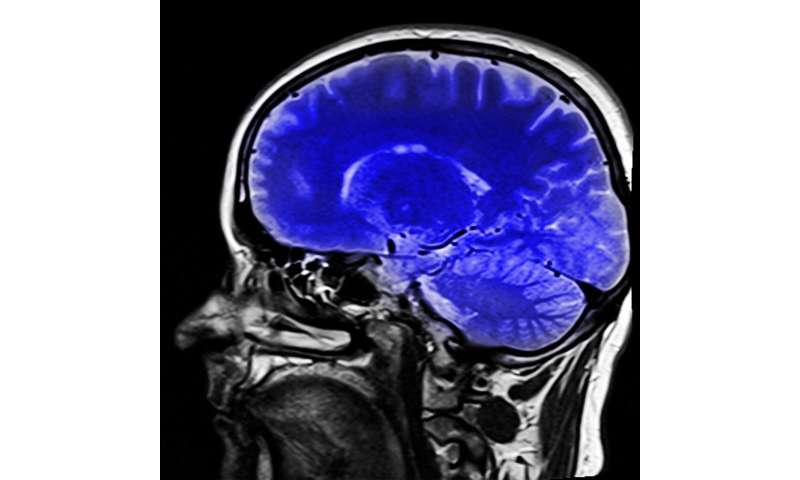
Summary: During wakeful periods, the glymphatic system diverts cerebrospinal fluid to lymph nodes in the neck. The CSF may act as a “fluid clock” that helps initiate the body’s infection-fighting capabilities during the day. Astrocytes in the suprachiasmatic nucleus may serve to control CSF through the central nervous system. Communication between astrocytes in different brain regions may optimize the glymphatic system’s function as we sleep.
Source: University of Rochester Medical Center
New research details how the complex set of molecular and fluid dynamics that comprise the glymphatic system – the brain’s unique process of waste removal – are synchronized with the master internal clock that regulates the sleep-wake cycle. These findings suggest that people who rely on sleeping during daytime hours are at greater risk for developing neurological disorders.
“These findings show that glymphatic system function is not solely based on sleep or wakefulness, but by the daily rhythms dictated by our biological clock,” said neuroscientist Maiken Nedergaard, M.D., D.M.Sc., co-director of the Center for Translational Neuromedicine at the University of Rochester Medical Center (URMC) and senior author of the study, which appears in the journal Nature Communications.
The findings add to a growing understanding of the operation and function of glymphatic system, the brain’s self-contained waste removal process which was first discovered in 2012 by researchers in the Nedergaard’s lab. The system consists of a network of plumbing that follows the path of blood vessels and pumps cerebrospinal fluid (CSF) through brain tissue, washing away waste. Research a few years later showed that the glymphatic system primarily functions while we sleep.
Since those initial discoveries, Nedergaard’s lab and others have shown the role that blood pressure, heart rate, circadian timing, and depth of sleep play in the glymphatic system’s function and the chemical signaling that occurs in the brain to turn the system on and off. They have also shown how disrupted sleep or trauma can cause the system to break down and allow toxic proteins to accumulate in the brain, potentially giving rise to a number of neurodegenerative diseases, such as Alzheimer’s.
The link between circadian rhythms and the glymphatic system is the subject of the new paper. Circadian rhythms – a 24-hour internal clock that regulates several important functions, including the sleep-wake cycle – are maintained in a small area of the brain called the suprachiasmatic nucleus.
The new study, which was conducted in mice, the researchers showed that when the animals were anesthetized all day long, their glymphatic system still only functioned during their typical rest period – mice are nocturnal, so their sleep-wake cycle is the opposite of humans.
“Circadian rhythms in humans are tuned to a day-wake, night-sleep cycle,” said Lauren Hablitz, Ph.D., first author of the new study and a research assistant professor in the URMC Center for Translational Neuromedicine. “Because this timing also influences the glymphatic system, these findings suggest that people who rely on cat naps during the day to catch up on sleep or work the night shift may be at risk for developing neurological disorders. In fact, clinical research shows that individuals who rely on sleeping during daytime hours are at much greater risk for Alzheimer’s and dementia along with other health problems.”https://1725a22b3402a6efdb49f9242c57a888.safeframe.googlesyndication.com/safeframe/1-0-37/html/container.html
The study singles out cells called astrocytes that play multiple functions in the brain. It is believed that astrocytes in the suprachiasmatic nucleus help regulate circadian rhythms. Astrocytes also serve as gatekeepers that control the flow of CSF throughout the central nervous system. The results of the study suggest that communication between astrocytes in different parts of the brain may share the common goal of optimizing the glymphatic system’s function during sleep.
Research a few years later showed that the glymphatic system primarily functions while we sleep. Image is credited to University of Rochester Medical Center.
The researchers also found that during wakefulness, the glymphatic system diverts CSF to lymph nodes in the neck. Because the lymph nodes are key waystations in the regulation of the immune system, the research suggests that CSF may represent a “fluid clock” that helps wake up the body’s infection fighting capabilities during the day.
“Establishing a role for communication between astrocytes and the significant impacts of circadian timing on glymphatic clearance dynamics represent a major step in understanding the fundamental process of waste clearance regulation in the brain,” said Frederick Gregory, Ph.D., program manager for the Army Research Office, which helped fund the research and is an element of the U.S. Army Combat Capabilities Development Command’s Army Research Laboratory. “This knowledge is crucial to developing future countermeasures that offset the deleterious effects of sleep deprivation and addresses future multi-domain military operation requirements for Soldiers to sustain performance over longer periods without the ability to rest.”
Additional co-authors of the study include Virginia Pla, Michael Giannetto, Hanna Vinitsky, Tanner Metcalfe, Rebecca Nguyen, and Abdellatif Benrais with URMC and Filip Staeger with the University of Copenhagen. The Center for Translational Neuromedicine maintains labs at both Rochester and Copenhagen.
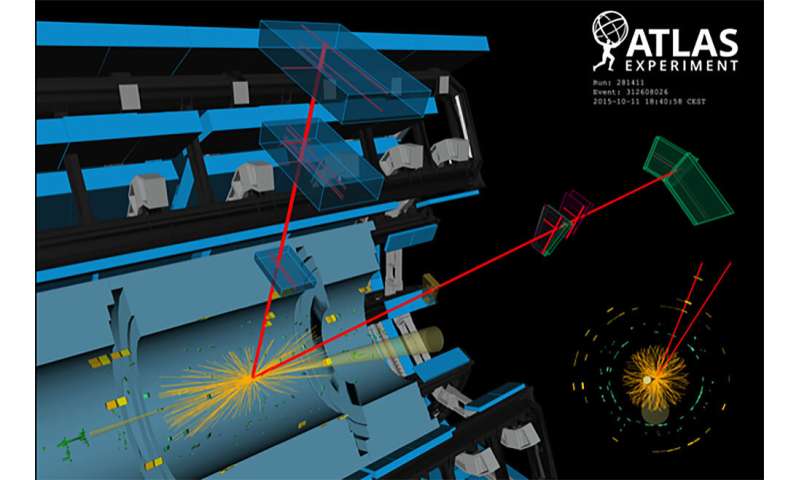
A 2018 ATLAS event display consistent with the production of a pair of W bosons from two photons, and the subsequent decay of the W bosons into a muon and an electron (visible in the detector) and neutrinos (not detected). Credit: CERN
The Large Hadron Collider plays with Albert Einstein’s famous equation, E = mc2, to transform matter into energy and then back into different forms of matter. But on rare occasions, it can skip the first step and collide pure energy—in the form of electromagnetic waves.
Last year, the ATLAS experiment at the LHC observed two photons, particles of light, ricocheting off one another and producing two new photons. This year, they’ve taken that research a step further and discovered photons merging and transforming into something even more interesting: W bosons, particles that carry the weak force, which governs nuclear decay.
This research doesn’t just illustrate the central concept governing processes inside the LHC: that energy and matter are two sides of the same coin. It also confirms that at high enough energies, forces that seem separate in our everyday lives—electromagnetism and the weak force—are united.
From massless to massive
If you try to replicate this photon-colliding experiment at home by crossing the beams of two laser pointers, you won’t be able to create new, massive particles. Instead, you’ll see the two beams combine to form an even brighter beam of light.
“If you go back and look at Maxwell’s equations for classical electromagnetism, you’ll see that two colliding waves sum up to a bigger wave,” says Simone Pagan Griso, a researcher at the US Department of Energy’s Lawrence Berkeley National Laboratory. “We only see these two phenomena recently observed by ATLAS when we put together Maxwell’s equations with special relativity and quantum mechanics in the so-called theory of quantum electrodynamics.”
Inside CERN’s accelerator complex, protons are accelerated close to the speed of light. Their normally rounded forms squish along the direction of motion as special relativity supersedes the classical laws of motion for processes taking place at the LHC. The two incoming protons see each other as compressed pancakes accompanied by an equally squeezed electromagnetic field (protons are charged, and all charged particles have an electromagnetic field). The energy of the LHC combined with the length contraction boosts the strength of the protons’ electromagnetic fields by a factor of 7500.
When two protons graze each other, their squished electromagnetic fields intersect. These fields skip the classical “amplify” etiquette that applies at low energies and instead follow the rules outlined by quantum electrodynamics. Through these new laws, the two fields can merge and become the “E” in E=mc².
“If you read the equation E=mc² from right to left, you’ll see that a small amount of mass produces a huge amount of energy because of the c² constant, which is the speed of light squared,” says Alessandro Tricoli, a researcher at Brookhaven National Laboratory—the US headquarters for the ATLAS experiment, which receives funding from DOE’s Office of Science. “But if you look at the formula the other way around, you’ll see that you need to start with a huge amount of energy to produce even a tiny amount of mass.”
The LHC is one of the few places on Earth that can produce and collide energetic photons, and it’s the only place where scientists have seen two energetic photons merging and transforming into massive W bosons.
A unification of forces
The generation of W bosons from high-energy photons exemplifies the discovery that won Sheldon Glashow, Abdus Salam and Steven Weinberg the 1979 Nobel Prize in physics: At high energies, electromagnetism and the weak force are one in the same.
Electricity and magnetism often feel like separate forces. One normally does not worry about getting shocked while handling a refrigerator magnet. And light bulbs, even while lit up with electricity, don’t stick to the refrigerator door. So why do electrical stations sport signs warning about their high magnetic fields?
“A magnet is one manifestation of electromagnetism, and electricity is another,” Tricoli says. “But it’s all electromagnetic waves, and we see this unification in our everyday technologies, such as cell phones that communicate through electromagnetic waves.”
At extremely high energies, electromagnetism combines with yet another fundamental force: the weak force. The weak force governs nuclear reactions, including the fusion of hydrogen into helium that powers the sun and the decay of radioactive atoms.
Just as photons carry the electromagnetic force, the W and Z bosons carry the weak force. The reason photons can collide and produce W bosons in the LHC is that at the highest energies, those forces combine to make the electroweak force.
“Both photons and W bosons are force carriers, and they both carry the electroweak force,” Griso says. “This phenomenon is really happening because nature is quantum mechanical.”


/cdn.vox-cdn.com/uploads/chorus_image/image/67347095/1211180776.jpg.0.jpg)
:no_upscale()/cdn.vox-cdn.com/uploads/chorus_asset/file/21849021/Google_Maps_ETAs_2x.png)





 Bruce's Blog