The development of the mouse central nervous system (CNS) involves coordinated execution of transcriptional and epigenetic programs. These programs have been extensively studied through single-cell technologies in a pursuit to characterize the underlying cell heterogeneity. However, histone modifications pose additional layers of both positive and negative regulation that defines cellular identity. Here we show that the Cut&Tag technology can be coupled with a droplet-based single cell library preparation platform to produce high quality chromatin modifications data at a single cell resolution in tens of thousands of cells. We apply single-cell Cut&Tag (scC&T) to probe histone modifications characteristic of active promoters (H3K4me3), active promoters and enhancers (H3K27ac), active gene bodies (H3K36me3) and inactive regions (H3K27me3) and generate scC&T profiles for almost 50,000 cells. scC&T profiles of each of these histone modifications were sufficient to determine cell identity and deconvolute at single cell level regulatory principles such as promoter bivalency, spreading of H3K4me3 and promoter-enhancer connectivity. Moreover, we used scC&T to investigate the single-cell chromatin occupancy of transcription factor Olig2 and the cohesin complex component Rad21. Our results indicate that analysis of histone modifications and transcription factor occupancy at a single cell resolution can provide unique insights of epigenomic landscapes in the CNS. We also provide an online resource that can be used to interactively explore the data at https://castelobranco.shinyapps.io/BrainCutAndTag2020/.
Years ago, Netgear embarked on the mesh WiFi journey with its Orbi products. At the time, the concept of mesh WiFi was still relatively new to consumers. The basic value proposition was that one could use an Orbi router, then add satellite WiFi units that would connect to each other using a WiFi backhaul instead of each going to a wired network. Effectively, you replace a router and then just add more WiFi satellites to increase range without having to ensure there is a RJ45 drop at each location. That line spawned a “Pro” version, and now the Netgear Orbi Pro WiFi 6 aptly describes the addition of WiFi 6 to the line.
Netgear Orbi Pro WiFi 6 Overview
Sporting the new WiFi 6 is a big deal. For example, Intel is pushing WiFi 6 in all of its 11th Gen Intel Core Tiger Lake 10nm Chips and other devices have supported WiFi 6 (802.11ax) for some time. As new client platforms make the jump from WiFi 5 (802.11ac) to 6, the clients get more bandwidth, but there is more to that. WiFi 6 is designed to better handle more clients accessing the network along with higher speeds. This is in recognition that more devices are WiFi-enabled in the IoT-era so not just speeds need to improve, but also the capability to handle more devices. Against that backdrop, the Orbi Pro WiFi 6 is designed to provide a step function in SMB/ high-end home mesh WiFi.
Netgear Orbi Pro WiFi 6 Summary
We had the opportunity to see the Orbi Pro WiFi 6 hands-on in Mountain View, California so instead of simply slides and press images, this is what the unit actually looks like. Something that may not come through in the images is that the unit itself, although made mostly of a plastic shell to allow RF penetration, is fairly heavy. Simply placing it on a desk or a shelf and it is much more substantial than a standard ceiling mount AP.
Netgear Orbi Pro WiFi 6 In Park Angle 1
Netgear is using a 2.5GbE port for its WAN connectivity on the router. Coincidentally, Netgear also released a 2.5GbE capable modem recently. That leads to an interesting balance. The WAN side may be 2.5GbE but the client-side effectively needs link aggregation and or multi-client access to reach those speeds. We asked Netgear and the 2.5GbE port is configurable, so you can re-configure a 1GbE port for your WAN and the 2.5GbE port for a NAS. We also asked and this is a non-blocking fabric underneath. We wish, especially at this price point, that Netgear had a second 2.5GbE port. As the new generations of wireless clients transition to WiFi 6, we are starting to see client PCs, NASes, and servers adopt multi-gig Ethernet driven by Marvell’s Aquantia-derived NIC line as well as 2.5GbE offerings from Intel and Realtek.
Netgear Orbi Pro WiFi 6 Embedded Switch
One of the big features of Orbi Pro WiFi 6 is that it is using more backhaul lanes than previous versions. That means more bandwidth for the mesh fabric between router and satellite units.
Netgear Orbi Pro WiFi 6 Features
Netgear has that 4×4 dedicated backhaul as one of its key differentiators as well as providing WiFi 6 over both 2.4GHz and 5GHz bands. We were told that the double speed of pervious gen (SRK60) improvements are due to a higher data rate from 1024QAM, adding WiFi 6 on both 5.0GHz and 2.4GHz bands, and increasing the radio streams by 50% over the previous generation.
Netgear Orbi Pro WiFi 6 OP WiFi 6
Orbi Pro WiFi 6 also includes a version of the Secure WiFi Zones feature that we covered in the Netgear WAX610 for Business WiFi 6. While the WAX610 can offer up to eight SSIDs each with its own VLAN, the Orbi Pro WiFi 6 is limited to four. We asked, and this is just a product positioning/ market requirement decision. The solution supports client isolation as well so that, for example, on guest WiFi each guest cannot see other guests. For a small business like a coffee shop, this is a better security model.
Netgear Orbi Pro WiFi 6 Four SSID VLAN
These Orbi Pro WiFi 6 models are manageable via Netgear Insight cloud management. Net
Netgear Orbi Pro WiFi 6 Key Specs
Here are the key specs for the Orbi Pro WiFi 6:
Netgear Orbi Pro WiFi 6 Specs
We know folks like to see specs, so hopefully, that helps.
Netgear Orbi Pro WiFi 6 Key Specs
Prising is not insignificant. Here is what the US and European pricing look like:
NETGEAR Orbi Pro WiFi 6 Tri-band Mesh System (SXK80):
SXK80-100NAS in the USA – $769.99
SXK80-100EUS in Continental Europe and the UK – €869.99, £799.99.
The bundle of 3 units, with one router and 2 satellites (SXK80B3), the bundle of 4 units, with one router and 3 satellites (SXK80B4), and the single add-on satellite (SXS80):
SXK80B3-100NAS in the USA – $1099.99
SXK80B3-100EUS in Continental Europe and the UK – €1,189.99 / £1,099.99
SXK80B4-100NAS in the USA – $1489.99
SXK80B4-100EUS in Continental Europe and the UK – €1,499.99 / £1,379.99
SXS80-100NAS in the USA – $419.99
SXS80-100EUS in Continental Europe and the UK – €489.99, £449.99
These units are far from “cheap” at this pricing and are priced more like a business solution, hence the “Pro” name rather than being designed and priced as a home solution.
Final Words
The Netgear Orbi Pro WiFi 6 offers the company’s flavor of WiFi 6 implementation to a mesh networking market where one may need only 1-6 units or so per site. Realistically, we think most looking at this solution will want to utilize the mesh WiFi functionality and therefore look at a 3-6 unit deployment. Given the features and pricing, Netgear has better-focused solutions for other areas of the market such as single router home deployments or deployments of dozens of APs.
Netgear Orbi Pro WiFi 6 In Park Angle 2
There are some key industry trends at work in the Orbi Pro WiFi 6 as we are seeing a tick in both WiFi (5 to 6) and wired Ethernet (1GbE to 2.5GbE) at around the same time. These units incorporate both of these networking trends. One of the reasons we started pushing 2.5GbE in everything from 2.5GbE adapter reviews to switch reviews this year is because the infrastructure is starting to converge on these new standards. Hopefully, we will get the opportunity to review these units along with the Netgear WAX610 soon.
A new study led by researchers from the University of Colorado School of Medicine compares adolescent siblings to determine the impact of early and frequent use of marijuana on cognitive function.
This study, published in the journal Addiction, contrasts with previous studies by finding that moderate adolescent cannabis use may have adverse effects that cannot be explained by the genetic or environmental factors that siblings may have in common.
“We wanted to expand our understanding of whether cannabis use is related to lower cognitive functioning,” said lead author Jarrod M. Ellingson, Ph.D., assistant professor of psychiatry at the CU School of Medicine. “There’s a large body of evidence that cannabis use is linked to cognitive functioning, but we know that cannabis use is not isolated from other important risk factors. That was the primary motivation behind this study, in which we compared siblings to account for many of these risk factors.”
Such possibilities include environmental risk factors, such as peer group influence, parental behavior, and socioeconomic status. In addition, by designing the study to look at siblings, researchers could consider whether genetic factors explain a shared risk for worse cognitive functioning and earlier or heavier cannabis use.
With this study, Ellingson and his colleagues were able to establish comparisons between siblings and then determine that differential levels of cannabis use were related to poorer cognitive functioning, particularly verbal memory.
The study participants were 1,192 adolescents from 596 families. They were primarily male—64 percent—and racially and ethnically diverse, with non-Hispanic whites accounting for 45 percent. The families were from metro Denver and San Diego. Drug use was assessed through clinical interviews and cognitive abilities were analyzed through a battery of neuropsychological tests. Two waves of data were collected. The first wave was from participants with an average age of 17 from 2001-2006; the second wave was collected from 2008-2013, with an average participant age of 24.
“More work needs to be done to determine how cannabis use is related to cognitive functioning and we hope that our study can help inform future study designs,” Ellingson said. “These studies are particularly important because cannabis is becoming more potent and more accessible as states legalize its recreational use.”
In the article, Ellingson and his co-authors state, “Due to changes in the legality of recreational and medical cannabis and widespread access in many states, valid empirical data must be available to inform policy and public health decisions, including how cannabis use may affect the developing brain.”
More information: Jarrod M. Ellingson et al. Familial factors may not explain the effect of moderate‐to‐heavy cannabis use on cognitive functioning in adolescents: a sibling‐comparison study, Addiction (2020). DOI: 10.1111/add.15207Journal information:AddictionProvided by CU Anschutz Medical Campus263 shares
Strict new guidelines lay out a path to heritable human gene editing
But scientists say making changes in DNA that can be passed on isn’t yet safe and effective
In 2018, Jiankui He (pictured) announced that he had edited genes in embryos to create two baby girls, going against a general consensus that the technology isn’t ready for such a step.THE HE LAB/WIKIMEDIA COMMONS (CC BY 3.0)
Gene editing to make heritable changes in human DNA isn’t yet safe and effective enough to make gene-edited babies, an international scientific commission says. But in a Sept. 3 report, the group laid out a road map for rolling out heritable gene editing should society decide that kind of DNA alteration is acceptable.
The International Commission on the Clinical Use of Human Germline Genome Editing formed after a Chinese scientist announced in 2018 that he had created two gene-edited baby girls, sparking outrage (SN: 11/27/18). In its first official weigh-in on the issue, the group lays out strict scientific criteria that would need to be met before heritable gene editing could be tried clinically. If countries can’t ensure that all of those criteria are met, heritable gene editing shouldn’t be approved, the commissioners say.
Still, some critics charge that even presenting such criteria is premature. The science should wait until society decides whether to allow gene editing that can affect future generations, they say.
Gene editing involves changing a single DNA letter, or base, in a gene. Many different technologies, including CRISPR/Cas9, base editors (SN: 3/5/19) and engineered proteins called zinc finger nucleases and TALENs (SN: 11/6/15), can be used to make edits at precise locations in DNA. Although accuracy of editing has improved, there are still concerns that gene editors will make unwanted, “off-target” changes elsewhere in DNA that might cause harm. Technologies to ensure every cell in an embryo contains the desired change — and only that change — also still need work, the commission says.
“It’s accurate and efficient enough to do in animals,” but editing in human embryos requires much more precision, Haoyi Wang, a geneticist and molecular and stem cell biologist at the Chinese Academy of Sciences’ Institute of Zoology in Beijing said September 3 during a webinar to discuss the report.
Scientists are already testing CRISPR gene editing to correct the inherited blood disorders sickle-cell anemia and beta-thalassemia and an inherited form of blindness called Leber congenital amaurosis 10 in adults (SN: 8/14/19). Those edits are in adult cells and can’t be carried into future generations.
Sickle-cell disease is a serious genetic disorder that that might be corrected by gene editing. The disease is caused by a mutation in gene that produces hemoglobin, which leads red blood cells to buckle. These cells sometimes clog vessels and cause painful, debilitating and life-threatening tissue damage.EM UNIT, UCL MEDICAL SCHOOL, ROYAL FREE CAMPUS, WELLCOME IMAGES/WIKIMEDIA COMMONS (CC BY 4.0)
But altering DNA in the human germ line — embryos, eggs, sperm or the cells that give rise to them — would create changes that could be passed on to future generations. Many people, including scientists, are concerned that rogue scientists wouldn’t stop at editing out diseases and would create “designer babies” with enhanced athletic ability, intelligence or other desirable traits.
The commission proposes that human germline editing should be restricted to serious genetic diseases caused by specific versions of single genes that are virtually guaranteed to cause the disease if inherited. Such disorders include Duchenne muscular dystrophy, Tay-Sachs disease and cystic fibrosis. Children who inherit these disorders die young or have serious medical problems.
The commission also specified that before human germline editing is considered, no other way of ensuring a couple can produce embryos without the disease-causing genetic variants should be available. That essentially winnows the eligible list down to couples in which both parents have two copies of recessive disease-causing variants, or couples in which one parent has two copies of mutations that cause a dominant genetic disorder, such as Huntington’s disease, which results from inheriting a single copy of a faulty gene.
Perhaps 20 families around the world would meet these strict criteria, Michèle Ramsay, a human geneticist at the University of the Witwatersrand in Johannesburg, said September 3 during a news briefing.
So the commission also decided that some families with less serious disorders, but who have little chance of producing embryos without the disease-causing variants, would also be eligible. One example is familial hypercholesterolemia, an inherited form of high cholesterol which leads to early heart disease and death. That and other disorders are carried by a high proportion of people in parts of the world where marriage between cousins is common. Gene editing might be an option when 25 percent or fewer of a couple’s embryos would be free of the disease-causing mutation.
Even then, such couples must already have attempted in vitro fertilization with a technique called preimplantation genetic testing to screen out embryos that carry the faulty version of the gene. “We’re not thinking there are going to be a lot of people” that are qualified to take part in the initial research, Ramsay said. “There are no floodgates that are going to be opened.” If the technology is both safe and effective in those few families, it might then be considered for other conditions.
The commission recommends more research on using stem cells to produce eggs and sperm in lab dishes, which could then be used to create embryos that don’t carry genetic diseases. Such research has been done in mice (SN: 5/18/17), but is in its infancy with human cells, said Richard Lifton, a human geneticist at the Rockefeller University in New York City.
Heading off hubris was one of the commission’s main concerns, Lifton said. The report also recommends establishing an international scientific advisory board to evaluate the state of the technology and consult on applications to do such heritable or germline editing.
Trustworthy journalism comes at a price.
Scientists and journalists share a core belief in questioning, observing and verifying to reach the truth. Science News reports on crucial research and discovery across science disciplines. We need your financial support to make it happen – every contribution makes a difference.SUBSCRIBE OR DONATE NOW
An organization similar to the World Anti-Doping Agency, which oversees use of performance-enhancing drugs in sports, might be set up to keep an eye out for unauthorized gene editing, Lifton suggested. Reining in rogue scientists would also require setting up a way for whistleblowers to report possible unapproved research.
The report is “appropriately cautious and thoughtful and written with a clear appreciation for what’s been going on in the world,” said Kyle Orwig, an infertility researcher at the University of Pittsburgh who was not involved with the commission. “It’s a bit aspirational because it raises questions about whether individual countries are willing to submit to international oversight,” he added.
What’s more, setting up global governance to prevent scientists from going rogue may not be as effective as laying out a clear moratorium or ban, says Katie Hasson, program director for genetic justice at the nonprofit Center for Genetics and Society, based in Berkeley, Calif.
Whether to allow changes to DNA that can be inherited by future generations is a decision that affects the whole human species, and should be an international consensus rather than a single country’s decision, Wang said.
This report handled only the scientific aspects of gene editing. An upcoming report from the World Health Organization will tackle ethical and societal issues surrounding gene editing.
Hashing out how to do germline editing before society has indicated its desire to do so is backward, Hasson says. “The question has been and still is whether we want to move forward with editing the genes and traits of future generations,” she says. “To skip ahead to how . . . seems like getting ahead of things a bit.”
There is still a need for broad societal conversations about the technology. More than 70 countries already have laws that prohibit germline editing, and a moratorium and other laws might effectively stop the technology from moving forward, Hasson says. “There’s no reason this should be inevitable. Laying out this path in advance makes it seem more inevitable and pushes us toward that conclusion.”
National Academy of Medicine, National Academy of Sciences, and the Royal Society. Heritable Human Genome Editing. The National Academies Press. September 3, 2020. doi: 10.17226/25665.
Tina Hesman Saey is the senior staff writer and reports on molecular biology. She has a Ph.D. in molecular genetics from Washington University in St. Louis and a master’s degree in science journalism from Boston University.
Auctify has just offered a remedy to the most pervasive of millennial ailments – procrastination, with a pair of smart glasses that track your productivity and alert you when your mind wanders. The Specs have an in-built camera to identify what you’re looking at, Black Mirror-style, though hopefully in a less dystopian and more productive manner. A companion app analyses the camera’s data before arranging your distractions and misdeeds into colourful pie charts you can show your friends. Depending on your level of masochism, you can also set aside dedicated ‘focus time’, while simultaneously measuring how much precious time you’ve been wasting on this earth. A built-in LED and bone conduction speakers provide helpfully annoying preventative methods to keep you straying too far from your mundane inbox tasks, with fitness-tracking smarts thrown in for good measure. If you fancy a distraction right now, feel free to order one from £186 on Indiegogo.
Link between bad sleep, high blood pressure, and gut microbiome uncovered
By Rich HaridySeptember 03, 2020https://newatlas.gystaudio.com/embedded/newatlas.com/science/poor-sleep-high-blood-pressure-bacteria-gut-microbiome-hypertension/
In a new study, it took a week for sleep disruption to generate detectable changes in the microbiome of rodentsginasanders/DepositphotosVIEW 1 IMAGES
A compelling new study, led by researchers from the University of Illinois at Chicago, has identified a complex relationship between disturbed sleep patterns, elevated blood pressure, and disruptions to the gut microbiome. The robust animal study suggests these three factors influence each other in a bidirectional fashion, and the findings could point to novel treatments mitigating the negative health effects of poor sleep.
While there currently is a large volume of ongoing research investigating the broad systemic influence of the gut microbiome on general health, the causal direction underpinning many of these relationships is still unclear. Hypertension, for example, has been associated with an imbalance in gut microbial populations. On the other hand, chronic sleep disruptions have also been linked with increased blood pressure and heightened risk of cardiovascular disease.
“We know that working at night can cause problems with your health, and the data suggest that staying awake all night can lead to high blood pressure, and, in some cases, eventually to heart disease, but it’s not clear what mechanisms underlie the development of these conditions,” explains Anne Fink, one of the authors on the new study.
This study, conducted in rodents, set out to examine the relationship between fragmented sleep, changes in the gut microbiome, and blood pressure. For 28 days the animals were subjected to constant sleep disruptions, while changes to blood pressure and gut microbial populations were intermittently measured.
“When rats had an abnormal sleep schedule, an increase in blood pressure developed – the blood pressure remained elevated even when they could return to normal sleep,” explains Katherine Maki, another author on the new research. “This suggests that dysfunctional sleep impairs the body for a sustained period.”
This apparently causal relationship between disrupted sleep and increased blood pressure was not a surprise as it has been observed in humans experiencing sleep deprivation. However, what was unexpected was the delayed effect of sleep disruption on the gut microbiome.
Whereas blood pressure increases were detected relatively soon after the animals’ slumber was disrupted, it took a week of consistent sleep interruptions before imbalances were seen in the gut microbiome. Increases in bacteria associated with inflammatory processes were ultimately detected, and these changes did not immediately return to normal when the animals were allowed to recommence sleeping naturally.
“When the sleep disruption stopped, everything did not come back to normal immediately,” adds Maki. “This research shows a very complex system with the presence of multiple pathological factors.”
The researchers do conclude these interactions between sleep disruption, gut microbiome changes, and blood pressure, are not unidirectional. Although microbiome dysbiosis followed sleep disruptions and blood pressure increases, the researchers suggest gut bacteria interventions, such as targeted probiotics, could hypothetically mitigate the hypertension caused by poor sleep.
“Although it appears that SF [sleep fragmentation] acts initially on blood pressure without gut microbial mediation, the gut microbiome is clearly impacted by extended SF,” the researchers write in the study’s conclusion. “Thus, understanding the microbiota may be particularly important for identifying interventions targeting the gut microbiota that reduce cardiovascular morbidity in patients with sleep disorders. Augmenting the gut microbiota to increase or decrease levels of metabolites linked with reduced or elevated blood pressure levels, respectively, may prevent SF-induced blood pressure elevations when SF is unavoidable.”
The ultimate outcome of the research will be to find interventions that can minimize the negative health impacts of disrupted sleep, particularly in those whose work or home life result in disordered sleep schedules. The next steps for the researchers will be to validate the findings in human subjects, and begin homing in on particular gut bacteria metabolites and how they are influenced by sleep disruptions.
NEURALINK: 3 NEUROSCIENTISTS REACT TO ELON MUSK’S BRAIN CHIP REVEAL
With a pig-filled demonstration, Neuralink revealed its latest advancements in brain implants this week. But what do scientists think of Elon Musk’s company’s grand claims?ShutterstockMIKE BROWN11 HOURS AGO
WHAT DOES THE FUTURE LOOK LIKE FOR HUMANS AND MACHINES? Elon Musk would argue that it involves wiring brains directly up to computers – but neuroscientists tell Inverse that’s easier said than done.
On August 28, Musk and his team unveiled the latest updates from secretive firm Neuralink with a demo featuring pigs implanted with their brain chip device. These chips are called Links, and they measure 0.9 inches wide by 0.3 inches tall. They connect to the brain via wires, and provide a battery life of 12 hours per charge, after which the user would need to wirelessly charge again. During the demo, a screen showed the real-time spikes of neurons firing in the brain of one pig, Gertrude, as she snuffed around her pen during the event.
It was an event designed to show how far Neuralink has come in terms of making its science objectives reality. But how much of Musk’s ambitions for Links are still in the realm of science fiction?
Neuralink argues the chips will one day have medical applications, listing a whole manner of ailments that its chips could feasibly solve. Memory loss, depression, seizures, and brain damage were all suggested as conditions where a generalized brain device like the Link could help.
Ralph Adolphs, Bren Professor of Psychology, Neuroscience, and Biology at California Institute of Technology, tells Inverse Neuralink’s announcement was “tremendously exciting” and “a huge technical achievement.”
Neuralink is “a good example of technology outstripping our current ability to know how to use it,” Adolphs says. “The primary initial application will be for people who are ill and for clinical reasons it is justified to implant such a chip into their brain. It would be unethical to do so right now in a healthy person.”
“But who knows what the future holds?” He adds.
Adolphs says the chip is comparable to the natural processes that emerge through evolution. Currently, to interface between the brain and the world, humans use their hands and mouth. But to imagine just sitting and thinking about these actions is a lot harder, so a lot of the future work will need to focus on making this interface with the world feel more natural, Adolphs says.
Achieving that goal could be further out than the Neuralink demo suggested. John Krakauer, chief medical and scientific officer at MindMaze and professor of neurology at Johns Hopkins University, tells Inverse that his view is humanity is “still a long way away” from consumer-level linkups.
“Let me give a more specific concern: The device we saw was placed over a single sensorimotor area,” Krakauer says. “If we want to read thoughts rather than movements (assuming we knew their neural basis) where do we put it? How many will we need? How does one avoid having one’s scalp studded with them? No mention of any of this of course.”
While a brain linkup may get people “excited” because it “has echoes of Charles Xavier in the X-Men,” Krakauer argues that there’s plenty of potential non-invasive solutions to help people with the conditions Neuralink says its technology will treat.
These existing solutions don’t require invasive surgery, but Krakauer fears “the cool factor clouds critical thinking.”
But Elon Musk, Neuralink’s CEO, wants the Link to take humans far beyond new medical treatments.
The ultimate objective, according to Musk, is for Neuralink to help create a symbiotic relationship between humans and computers. Musk argues that Neuralink-like devices could help humanity keep up with super-fast machines. But Krakauer finds such an ambition troubling.
“I would like to see less unsubstantiated hype about a brain ‘Alexa’ and interfacing with A.I.,” Krakauer says. “The argument is if you can’t avoid the singularity, join it. I’m sorry but this angle is just ridiculous.”
Neuralink’s link implant.Neuralink
Even a general-purpose linkup could be much further away from development than it may seem. Musk told WaitButWhy in 2017 that a general-purpose linkup could be eight to 10 years away for people with no disability. That would place the timescale for roll-out somewhere around 2027 at the latest — seven years from now.
Kevin Tracey, a neurosurgery professor and president of the Feinstein Institutes for Medical Research, tells Inverse that he “can’t imagine” that any of the publicly suggested diseases could see a solution “sooner than 10 years.” Considering that Neuralink hopes to offer the device as a medical solution before it moves to more general-purpose implants, these notes of caution cast the company’s timeline into doubt.
But unlike Krakauer, Tracey argues that “we need more hype right now.” Not enough attention has been paid to this area of research, he says.
“In the United States for the last 20 years, the federal government’s investment supporting research hasn’t kept up with inflation,” Tracey says. “There’s been this idea that things are pretty good and we don’t have to spend so much money on research. That’s nonsense. COVID proved we need to raise enthusiasm and investment.”
Neuralink’s device is just one part of the brain linkup puzzle, Tracey explains. There are three fields at play: molecular medicine to make and find the targets, neuroscience to understand how the pathways control the target, and the devices themselves. Advances in each area can help the others. Neuralink may help map new pathways, for example, but it’s just one aspect of what needs to be done to make it work as planned.
Neuralink’s smaller chips may also help avoid issues with brain scarring seen with larger devices, Tracey says. And advancements in robots can also help with surgeries, an area Neuralink has detailed before.
But perhaps the biggest benefit from the announcement is making the field cool again.
“If and to the extent that a new, very cool device elevates the discussion on the neuroscience implications of new devices, and what do we need to get these things to the benefit of humanity through more science, that’s all good,” Tracey says.
The California-based startup NDB has unveiled a battery that uses nuclear waste and lasts up to 28,000 years.
The power of the nano-diamond battery comes from radioactive isotopes used in nuclear reactors.
Its radioactive core is protected by multiple layers of synthetic diamonds, one of the hardest materials to damage or break.
The energy is absorbed in the diamond through inelastic scattering, which is used to generate electricity.
The battery can be used to power devices and machines of any size, from aircraft and rockets to electric vehicles and smartphones.
Image: NDB
Nima Golsharifi, CEO and Co-Founder of NDB, said: “As members of society, we are extremely concerned about the welfare of the planet and are focused on lowering climate change to protect our planet for future generations.
“With the NDB battery, we have achieved a massive, groundbreaking, proprietary technological breakthrough of a battery that is emission-free, lasts thousands of years and only requires access to natural air in order to power devices.”
The company says the development of the first commercial prototype battery is currently underway and will be available later this year.
How you view what’s is in your glass can dictate how you live your life.
A life of positivity and of seeing the silver lining in every cloud is far more enjoyable than one spent on worry, gloominess, and negativity.
If you routinely take a glass-half-empty view of the world and want to be purposeful about creating a more positive view and a more positive lifestyle, these five ideas can help.
They were chosen because of their ability to create temporary changes that can become easily habit-forming and make a permanent impact on your outlook in life.
1. The positive psychology of affirmations
If you have ever seen the movie, The Help, you probably remember the positive affirmations the character of Abilene gave the children in her care — You is smart. You is kind, You is important.
Even in their toddler years, she used these positive affirmations to instil a sense of self-worth in “her” children to carry with them throughout their lives. Sadly, many of us did not have these types of affirmations as children and do not regularly practice them as adults.Never miss an article!
“Generally speaking, affirmations are used to reprogram the subconscious mind, to encourage us to believe certain things about ourselves or about the world and our place within it,” writes Kathryn Lively, Ph.D., Associate Professor of Sociology at Dartmouth College and co-author of Selves, Symbols, and Social Reality.
The good thing about positive affirmations is that they can be easily learned. Positive affirmations can range from “I am good enough just like I am” to “I believe in myself” to “I work hard to see the best in others”.
Because words have such intrinsic power, bolstering your self-esteem with positive words can help start your day right.
Because each of us is usually our own worst critic, positive words on a regular basis can gradually retrain your brain to see the best, not the perceived worse in yourself.
2. Bullet journaling is a great tool to increase your happiness and positivity
Journaling can help you organize your thoughts and sort through your emotions. It can also help you look back and reflect on past experiences which can help you realize two important things.
First, that you were able to overcome negative events, and secondly, that you probably have more to be thankful for than you remember.
Faster and more efficient than traditional journaling, keeping a bullet journal allows you to focus, write in short bursts, keep lists, and track your personal progress and goals.
If you want to really reprogram your mind with frequent reminders, use your bullet journal to keep lists of your personal and professional accomplishments and inspiring words of wisdom.
You can also treat your bullet journal as a personal gratitude journal because reminding yourself of the good people, places, and things in your life can be unbelievably inspiring.
Here’s how you can practice gratitude journaling: every day, at the end of your day, write about 3 things — no matter how small — that went well for you and why they went well.
3. Train your mind to be more optimistic
Optimism does not mean you are not aware that things can go wrong or have a negative outcome. What it does mean is that you have a hope and belief that things, situations, and events are likely to have a positive one.
Renowned author and speaker Brené Brown talks about the tendency some people have to “dress-rehearse tragedy”.
In other words, instead of constant worry about how the economy will affect your job, you put your best foot forward every day, do your best work, and start developing self-controlled streams of income.
Positive affirmations and your gratitude journal can help you retrain your brain to recognise and appreciate the good things in life.
You can start practicing optimism by refusing to dwell on the negative, by reminding yourself that rainy days lead always give way to sunshine and beautiful flowers, and by surrounding yourself with positive people.
It can also mean removing negative language from your speech patterns and using positive words to build up and encourage yourself and the people around you.
“Optimists see failure as a chance to learn. They consider the changeable aspects of a disappointment that can be addressed and adjusted to make failure less likely next time. Pessimists, by contrast, will tend to blame the failure on a fundamental cause that can’t be changed, such as the belief that they don’t have what it takes,” says Dr Christian Jarrett, a psychologist turned writer, and senior editor at Aeon.
4. To minimise stress, set your own boundaries
“Live your life for you not for anyone else. Don’t let the fear of being judged, rejected or disliked stop you from being yourself”, says author Sonya Parker.
To live life to the fullest, protect your time like a valuable investment.
Set better boundaries and you’ll have a whole bunch of extra time to work on your life goals, to relax and de-stress yourself, to spend time with family and friends, to read, to improve yourself, to work on a passion project, to exercise. It’ll be one of the most important things you do.
Saying yes to things you do not want to do, invitations you do not want to accept, and people you do not want to spend time with is a sure path to resentment and unhappiness.
Learning to say no when the situation warrants it can actually lead to greater happiness for you and for the person or activity you are saying no to.
Think about it this way, no one wants to have a party or other event ruined by packing it with people who do not want to be there, do they?
Also, when you ask someone to do something and they do it in a resentful, annoyed manner, do you enjoy their attitude or enjoy it when they repeatedly laud their ‘yes’ over your head? Of course not. You can take the pressure off yourself and others with a fast, firm, heartfelt no versus an annoyed yes.
5. Life goes on so choose wisely
“Attitude is a choice. Happiness is a choice. Optimism is a choice. Kindness is a choice. Giving is a choice. Respect is a choice. Whatever choice you make makes you. Choose wisely,” says Roy T. Bennett.
To experience more positive emotions, start making wise choices, not just for your present self but for your future self.
From the work you do to the words you speak to the way you feed your heart, mind, and body to the company you keep, your choices are what makes a major difference in the outcome of your days and of your entire life.
Just like your dietary choices make a difference in your health and weight, the other choices you make on a daily basis influence the way your life turns out and your overall emotional state.How To Host Your Own Queen’s Plate
Choose to be around people that make you want to become a better version of yourself— who make you feel good, make you laugh, and remind you of the important things in life that make us happy.
You cannot please all the people all the time — no one can — but you can usually make choices that please you and enable you to live a life you enjoy.
A positive spiral life is achievable. Every day, you’ve got lots of opportunities to remodel your own brain to experience more positive emotions.
You can start with one habit at a time and adopt others as you make progress. A few daily habits could be your solution to a more positive life. Learning to be open to positive feelings can change your perspective about life and living it.
Improved audio immersion could change the AR landscape.
(Image credit: Facebook Reality Labs)
The Facebook Reality Labs research team today highlighted new advancements on the audio front of their augmented reality (AR) work. The ultimate goal is to create a pair of AR glasses. These steps are part of the process to refining the end product.
Seeing Facebook bring more attention to AR is pretty exciting. Oculus has continued pushing virtual reality (VR) closer to the mainstream since being acquired by Facebook, making some of the best VR headsets on the market. That includes the standalone Oculus Quest, which works without tethering to a pricey gaming PC or phone. We’ve yet to see a pair of AR smart glasses see as much success as the Quest.
As Facebook Reality Labs progresses towards the final design of its AR smart glasses, they have considerable work ahead of them to ensure the product is desirable and immersive. Recent developments take place in two areas: Audio Presence and Perceptual Superpowers, (which sounds a lot more exciting than the actual technology but is still notably useful).
“The mission of the team is twofold: to create virtual sounds that are perceptually indistinguishable from reality and to redefine human hearing,” Facebook’s blog post says.
Audio Presence is centered around reconstructing audio for a virtual environment, so the sound comes from appropriate directions. This is essentially like perfecting surround sound for AR. Refining the Audio Presence is a huge step in creating immersive environments.
When it comes to Perceptual Superpowers tech, the name may be a little generous. But don’t let that discredit the seriously useful nature of what it does. This technology is designed to reduce distracting background noise so you can amplify the volume of your target audio source—like a conversation you’re having at a table in a crowded restaurant.
Work like this is crucial to creating an optimized AR experience and directly tied to Facebook’s AR glasses efforts, although incorporating the technology is still “a ways away,” according to Facebook Research Scientist Manager Ravish Mehra.
“Imagine being able to hold a conversation in a crowded restaurant or bar without having to raise your voice to be heard or straining to understand what others are saying,” Facebook’s blog says.
“By using multiple microphones on your glasses, we can capture the sounds around you. Then, by using the pattern of your head and eye movements, we can figure out which of these sounds you’re most interested in hearing, without requiring you to robotically stare at it.”
Facebook wants its AR smart glasses to be stylish and understand the visual and acoustic world around you in order to provide useful information.
“When you walk into a restaurant, for example, your AR glasses would be able to recognize different types of events happening around you: people having conversations, the air conditioning noise, dishes and silverware clanking,” the blog explains. “Then, using contextualized AI, your AR glasses would be able to make smart decisions, like removing the distracting background noise — and you’d be no more aware of the assistance than of a prescription improving your vision.
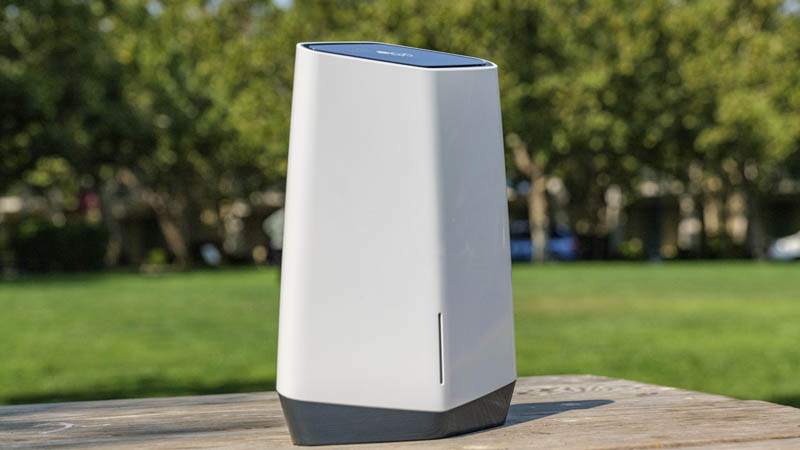
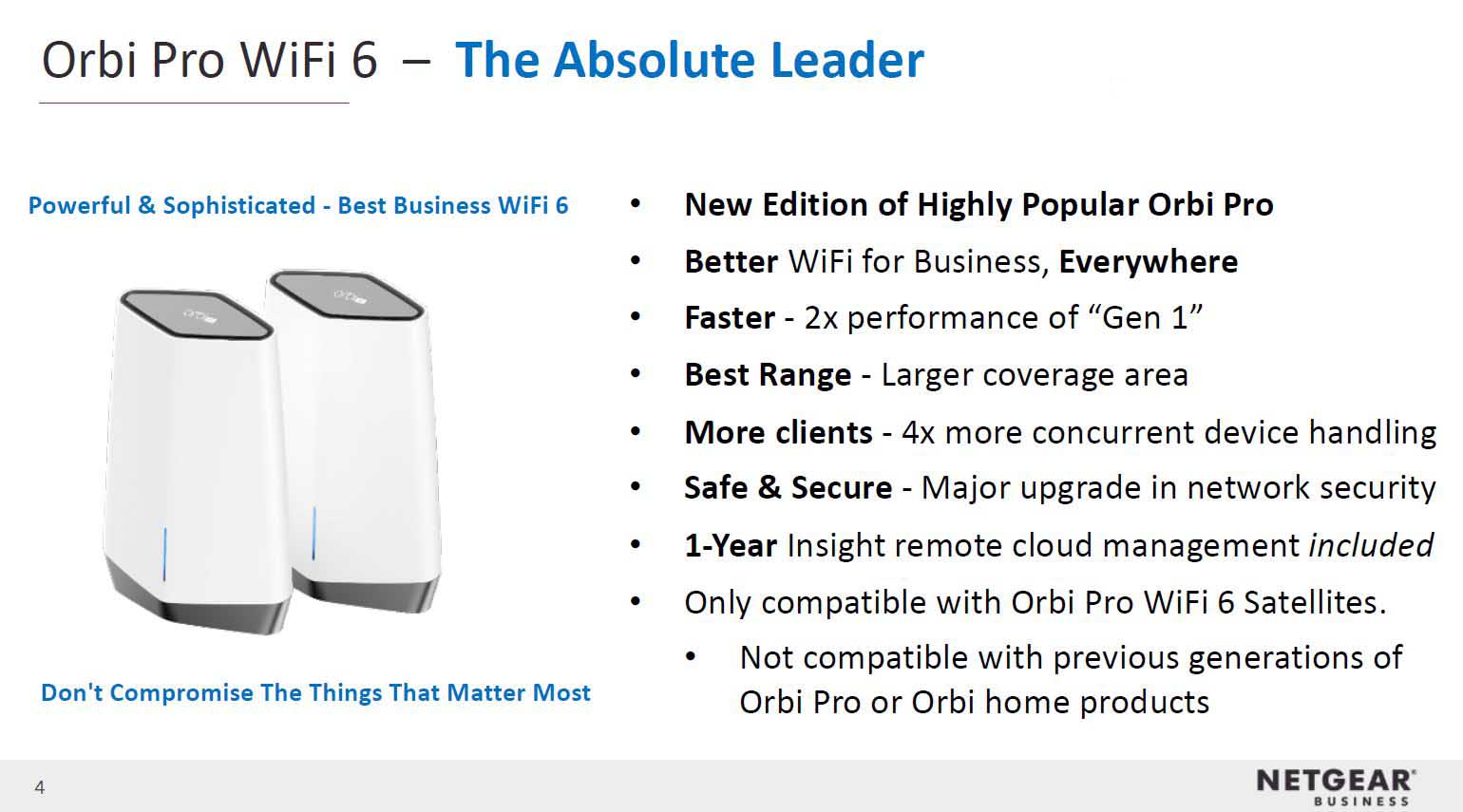
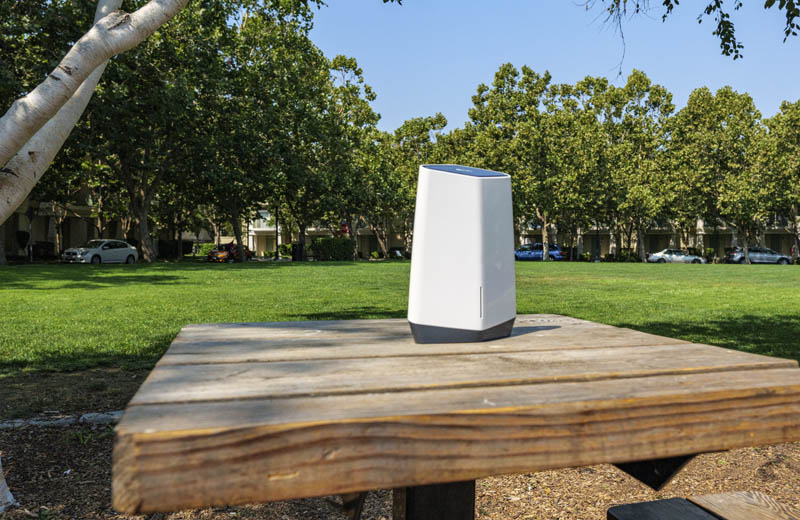


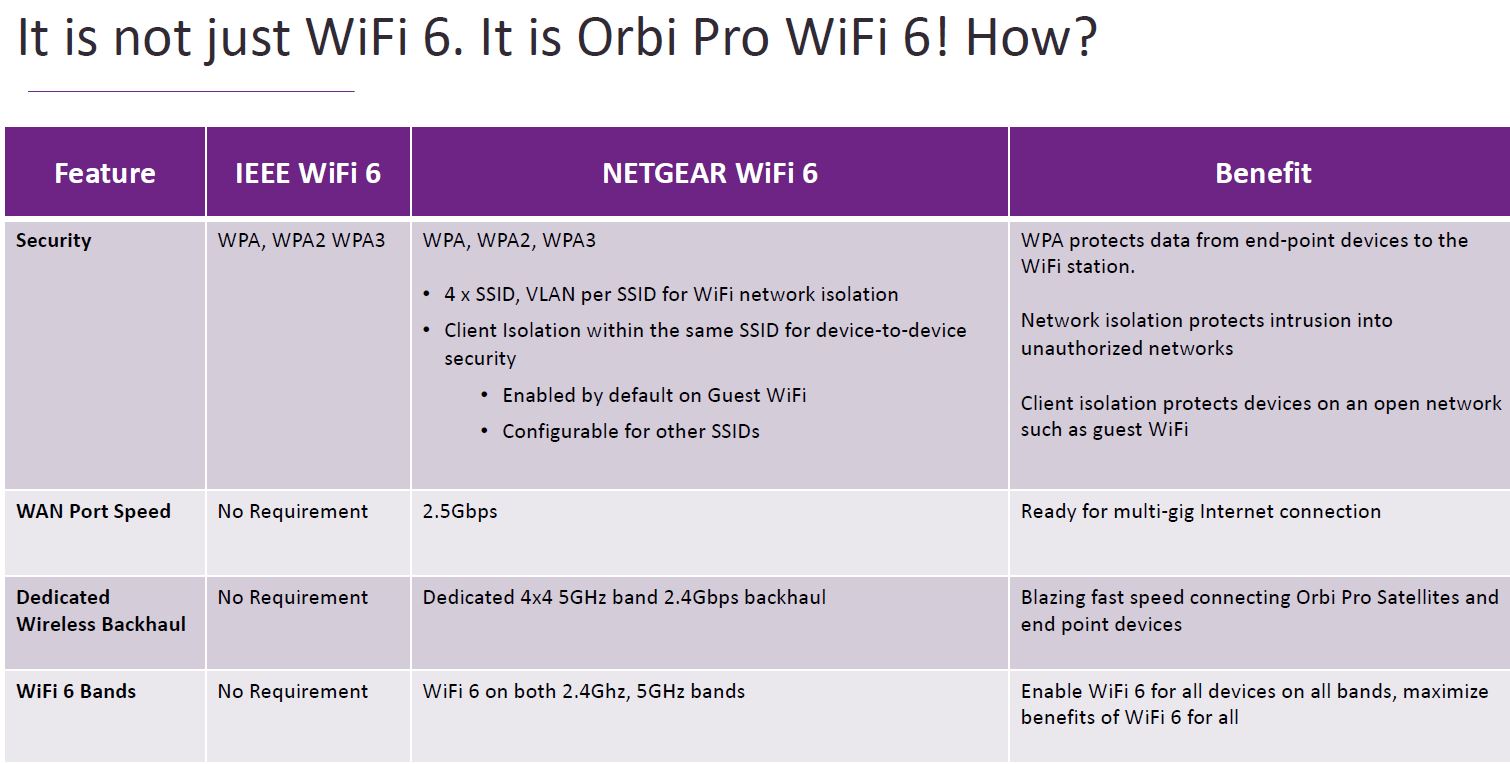
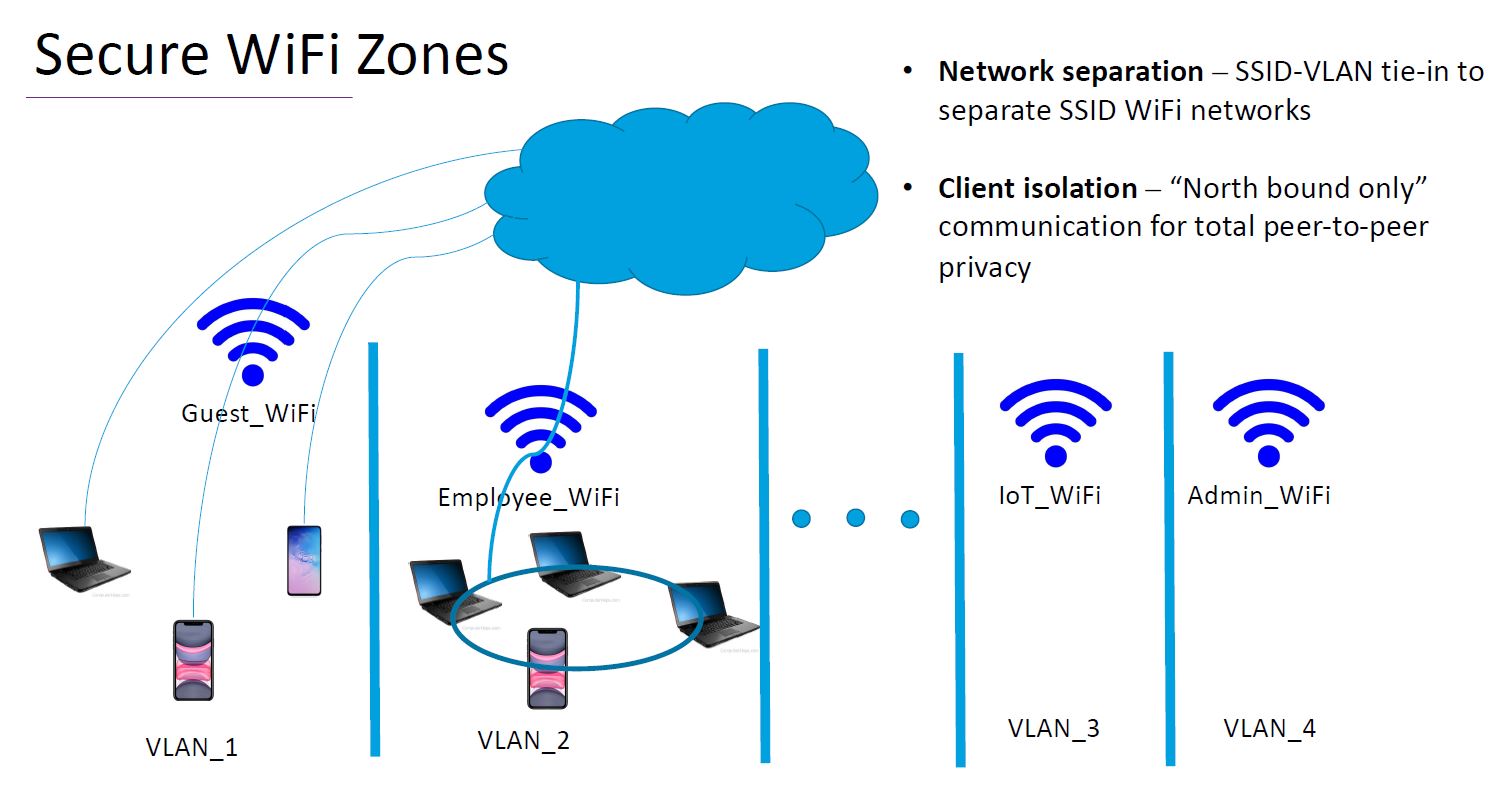
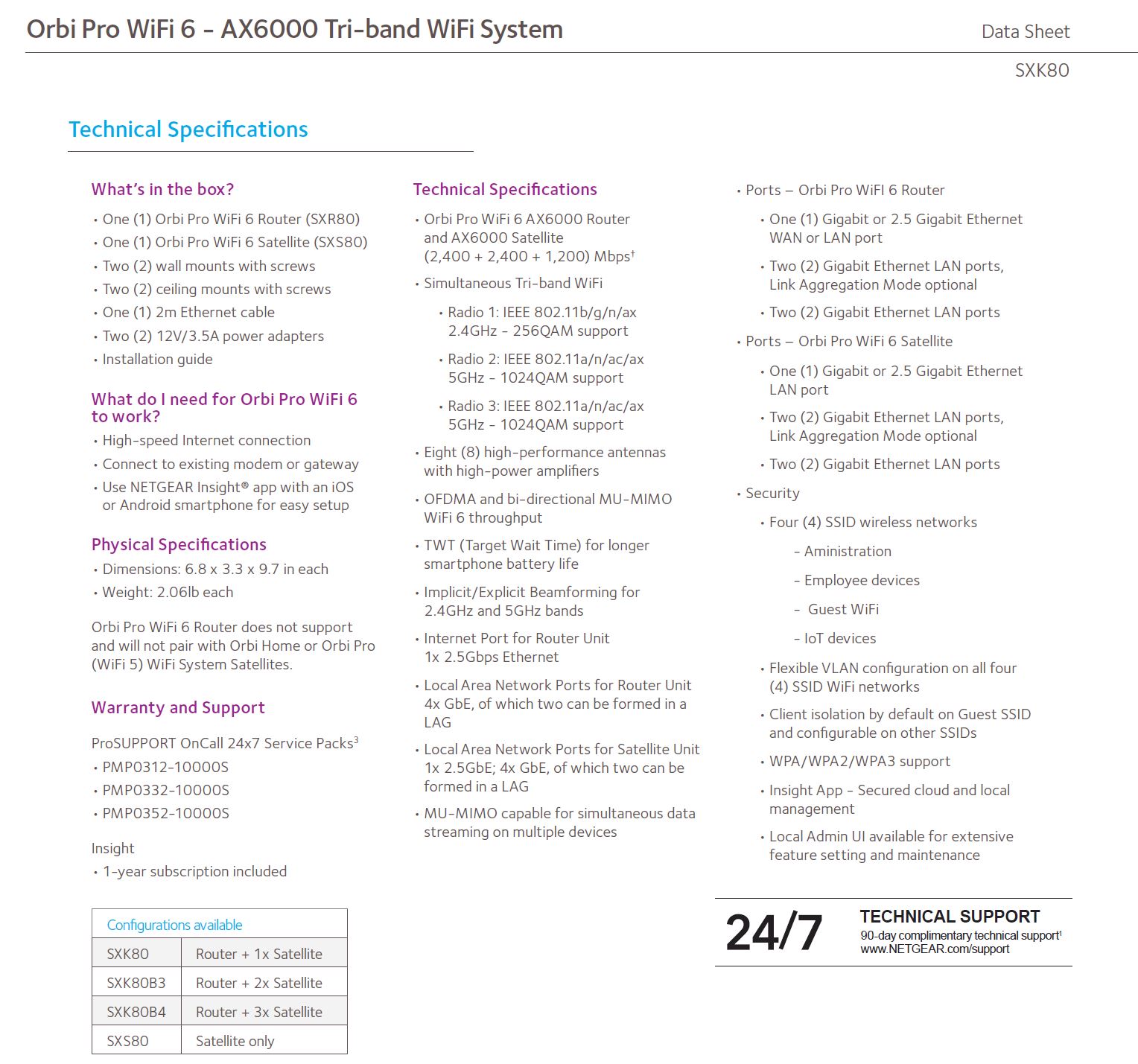
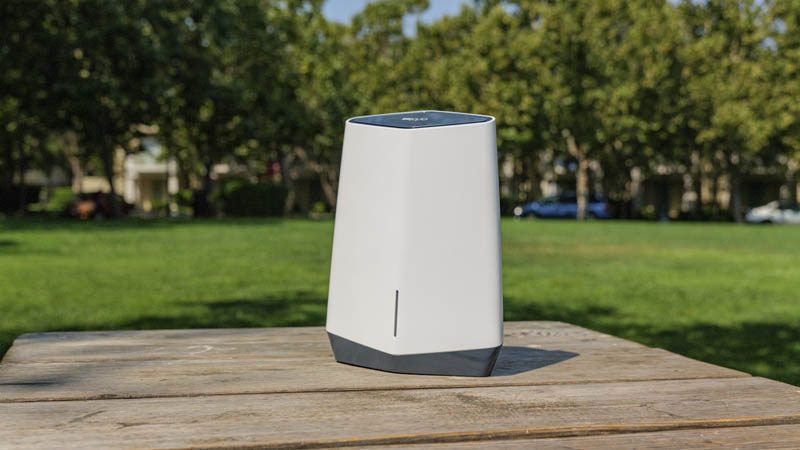

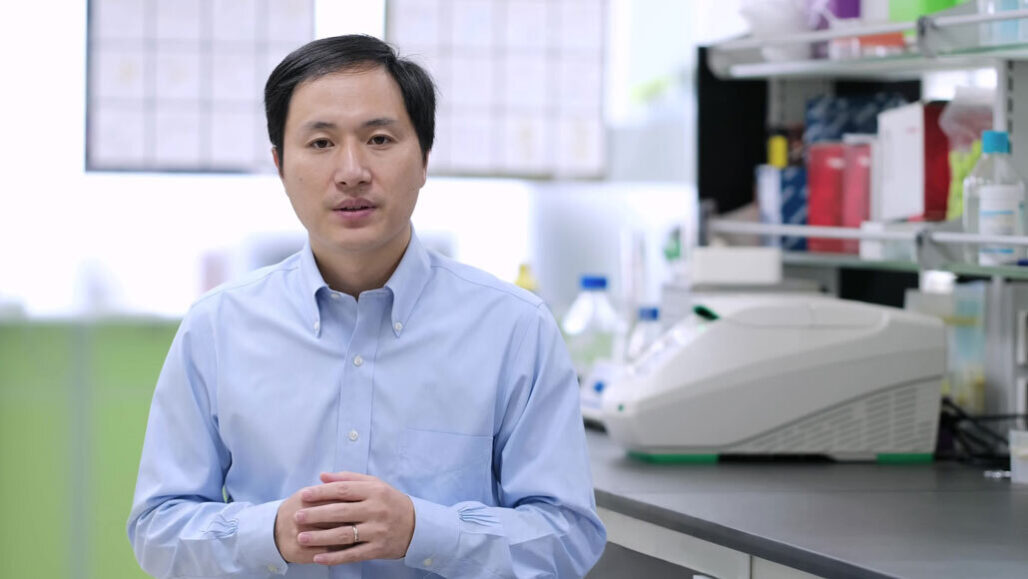
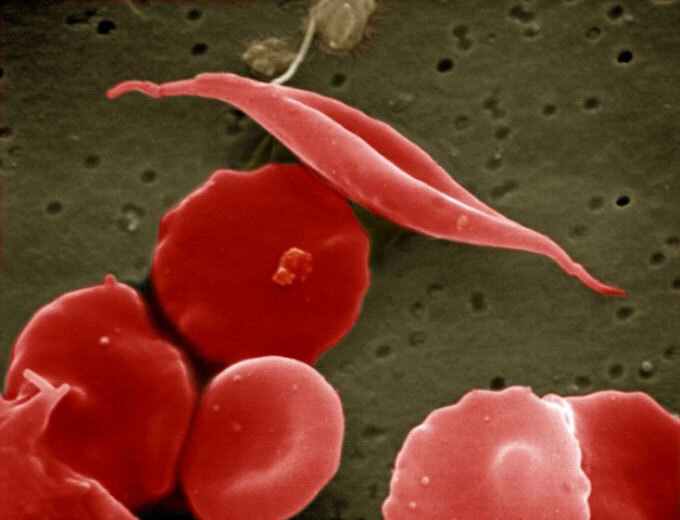







 Image: Shutterstock

 Bruce's Blog
