https://www.theglobeandmail.com/opinion/article-sleep-deprived-teens-need-a-later-school-start-time/

Sleep-deprived teens need a later school start time

REUT GRUBERCONTRIBUTED TO THE GLOBE AND MAILPUBLISHED SEPTEMBER 8, 2020UPDATED 5 HOURS AGO51 COMMENTSSHARE  TEXT SIZEBOOKMARK00:00Voice1x

Dr. Reut Gruber is the director of the Attention Behaviour and Sleep Lab at the Douglas Mental Health University Institute and an associate professor of psychiatry at McGill’s Faculty of Medicine.

As we look for ways to reduce the number of interactions between students in schools so that physical distancing is feasible, there is an obvious solution: Follow teens’ delayed sleep biology.

Maturational changes in puberty result in adolescents shifting to a much later bedtime compared with children and adults; wake and sleep times occur approximately two hours later. By adjusting schedules to better accommodate teenagers we can reduce the total number of students attending school at one time, while improving their sleep and therefore their physical and mental health.

Many secondary schools will be usinga hybrid model that blends in-person and remote teaching. This creates a lot of flexibility. Schools can build their schedules so that remote teaching begins first, at the regular time or a bit later. This would allow students to sleep in a bit longer because they do not have to commuteduring rush hour.

Schools that are continuing with in-person teaching only can consider staggering arrival times. Younger students can maintain a regular or slightly delayed start time, with older teens starting and finishing later (this is okay in part because there are few extra-curricular activities right now). Each school can determine how to implement the idea based on their circumstances, includingaverage student commute time and any other relevant consideration. If they have to choose a universal start time, it is better to go with a later one, which would most likely benefit teachers as well because many of them, too, are sleep deprived and stressed.

As decades of research have shown, during our “old normal” teens were forced to learn much earlier in the day than their brains are primed to accommodate. They were also forced to go to bed before their brains and bodies were ready to transition to sleep. This is why 60 per cent reported feeling tired in the morning; 42 per cent reported having trouble falling asleep and almost a third weren’t getting the recommended amount of sleep. Indeed, educators often observe that older students are not fully awake through the first hours of school.

Parents, teachers and researchers alike can tell you: Well-rested adolescents are less irritable. They are better able to self-regulate and experience improved moods – which means they are more prepared to cope with stressors such as physical distancing, wearing masks and continued uncertainty. Healthy sleep promotes a strong immune system, making it easier for teens to fight off infections. And kids who’ve slept well perform better at school.

Conversely, sleep deprivation impairs teens’ health,alters immune responses,impairs learning and academic performance, and is associated with high levels of depression, inattention and drug use. This makes teenagers physically and emotionally vulnerable to stress, and at higher risk of suicide. We need to prevent that, and COVID-19 has given us the opportunity to do so.

A recent study my colleagues and I conducted in Quebec between the end of April and early June showed that adolescents’ sleep during the pandemic improved. School closures and the transition to remote learning removed normally imposed rise times,creating conditions for a natural experiment that allowed teens to self-select their sleep schedules.

The study’s participants reported that they went to bed and woke up two hours later than during regular school time. This helped them to fall asleep faster and sleep longer and better; they did not feel as tired during the day. As one teen said: “It’s been helping me fall asleep quicker. So it’s been getting better ever since we stopped going to school.” Other students have noted that although they’re going to bed later, they’re waking laterand are well-rested.

The COVID-19 response caused many negative societal changes,but this unique opportunity to better align school start times with the delayed circadian biology of adolescents could be a silver lining.

It is an affordable and efficient way to increase teens’ resilience in the face of the challenges and stress caused by the pandemic, while also providing students the opportunity to attend less crowded schools with reduced risk of virus transmission.
https://www.sciencealert.com/study-suggests-diabetes-and-high-blood-pressure-might-also-be-affecting-your-mind

High Blood Pressure And Diabetes Could Alter Brain Structure, Slowing Down Cognition

JACINTA BOWLER8 SEPTEMBER 2020

High blood pressure and type 2 diabetes are generally thought to affect the body, but a new paper has provided evidence that they can also affect our mind in subtle ways, and the effects can be seen already in middle age.

“We found that having high blood pressure and having diabetes in particular, has a detrimental effect on the speed of thinking and memory,” co-first author of the study, Oxford University neurologist Michele Veldsman, told ScienceAlert.

“As blood pressure increases, speed of thinking and memory gets worse.”

Diseases or other lifestyle and genetic factors that affect the brain’s blood supply are known as cerebrovascular risk factors. 

We already know that such risk factors increase the likelihood of older people getting dementia, but the new research has looked at a younger cohort, and used much subtler measurements to determine how the brain is affected in terms of memory and thinking speed.

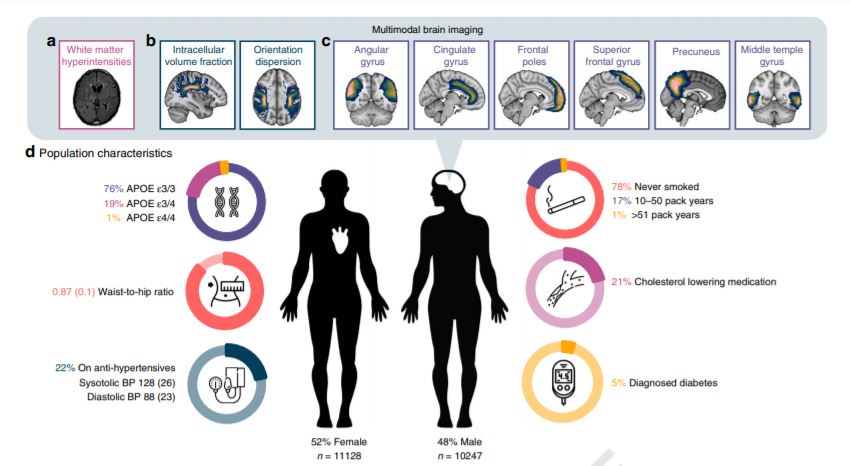
The research team analysed MRI brain scans of more than 22,000 UK Biobank participants, looking for changes in the brain’s grey matter and white matter pathways, as well as recording the volunteers’ clinical, demographic, and cognitive data.

“The brain is made up of networks that connect different regions and work together to coordinate your thinking – these regions communicate via white matter pathways,” Veldsman explained.

“We found that both the volume of the brain in a frontoparietal network, and the integrity of the white matter connections between regions are affected by risk factors that impact your brain’s blood supply.”

figure from diabetes brain paper(Veldsman et al., Nature Communications, 2020)

The team matched up the MRI data to the cognitive and clinical data, and found that in participants between 44 and 70 years old, higher blood pressure was linked to a lower cognitive performance. Interestingly, older adults (those over 70) didn’t show the same effect.

Although only 5 percent of those enrolled in the study had a type 2 diabetes diagnosis, that status also predicted lower executive function.

The researchers do stress that this mental loss is very small: a slight decrease in thinking speed and memory, but nothing like the stark mental loss experienced in dementia. But the fact we can detect this decrease at all means that the participants’ brains are already changing, and it could lead to worse outcomes with age.

“The changes were subtle, and probably not something you would notice in day to day life,” Veldsman told ScienceAlert.

“But importantly, we can detect them and they are associated with subtle damage to the brain that is already occurring in midlife. Therefore, it is important to prevent this damage as soon as possible to prevent further decline.”

Of course, with nearly half of all US adults having high blood pressure, and around 1 in 10 having type 2 diabetes, that’s a lot easier said than done.

But as one of the researchers, University of Oxford neuroscientist Masud Husain noted, every millimetre of pressure in your arteries counts.

“Monitoring and treating even modestly raised blood pressure might make a difference to the structure of the brain and speed of thinking in mid-life, while also offering potential to reduce the risks of developing dementia later in life,” he said.

The study has been published in Nature Communications.

Learn More

  1. Management of chronic lymphocytic leukemia in Canada during the coronavirus pandemicL.H. Sehn et al., Current Oncology, 2020
  2. Biotheranostics Breast Cancer Test Receives Expanded Medicare Coverage Determination360Dx, 2019
  1. NIH Awards $26M to Five Academic Medical Centers for Alzheimers StudyGenomeWeb, 2010
  2. Brain Imaging, Cognitive Evaluation Link TOMM40 Alterations to Alzheimers Risk in Healthy PatientsGenomeWeb, 2010

https://www.webmd.com/sleep-disorders/sleep-apnea/news/20200908/struggling-with-cpap-for-sleep-apnea-surgery-may-help


Surgery May Help Treat Sleep Apnea

By Serena Gordon
HealthDay Reporter

TUESDAY, Sept. 8, 2020 (HealthDay News) — Continuous positive airway pressure (CPAP) may be the go-to treatment for sleep apnea, but many people struggle to use it every night. For those who cannot tolerate CPAP, new research finds that a combination of surgical techniques may bring relief.

The “multilevel” treatment includes removing the tonsils, repositioning the palate (roof of the mouth) and using radiofrequency to slightly reduce the size of the tongue. In combination, these procedures open up the airway and reduce breathing obstruction, the researchers said.

The study found that the multilevel surgery technique reduced the number of times people stopped breathing (apnea events) during sleep and improved daytime sleepiness. People also reported better quality of life after the treatment.

Obstructive sleep apnea is common and many people cannot use the main treatments, like CPAP masks. Surgery is a valid option when an expert surgeon is involved, and it can improve outcomes,” said the study’s lead author, Dr. Stuart MacKay. He’s an honorary clinical professor of otolaryngology, head and neck surgery at University of Wollongong, in Australia.

The researchers said that nearly one billion people worldwide suffer from sleep apnea. The airway becomes blocked during sleep, and as a result people stop breathing for short periods of time, multiple times throughout the night. People with sleep apnea have a higher risk of daytime sleepiness, motor vehicle crashes, and heart disease and stroke.

CPAP does a good job at keeping your airway open as you sleep, but the treatment — including a mask and a long tube — can be hard to get used to. The study authors said only about half of people with sleep apnea try CPAP.

For the new study, the researchers recruited 102 overweight or obese people with sleep apnea from six clinical centers in Australia, who were in their 40s, on average. The goal was to see if surgery could help adults with moderate or severe obstructive sleep apnea who weren’t able to tolerate or adhere to CPAP devices.

Half of the volunteers were randomly assigned to receive the sleep apnea surgery, while the other 51 continued with medical treatment. Medical management consisted of encouraging weight loss, drinking less alcohol, changing sleep posture and medical treatment for nasal obstruction.


MacKay said the multilevel surgical technique is widely available in many parts of the world. For the patients in this study, surgeries were performed by seven experienced surgeons.

Six months after the surgical procedures, volunteers in the surgery group had about a 27% decrease in the number of apnea events at night. Those on medical treatment had just a 10% decrease.

People in the surgical group also had major improvements in levels of snoring and daytime sleepiness, as well as a boost to quality of life.

As with any surgical procedure, there are risks.

“The main risks of pain and bleeding are confined to the two weeks after surgery. Bleeding occurs in about one in every 25 patients. Long-term risks related to taste disturbance, feeling of sticking in the throat, swallow dysfunction are very rare, although they do occur transiently in some,” MacKay said.

Dr. Steven Feinsilver is director of the Center for Sleep Medicine at Lenox Hill Hospital in New York City. He said, “Sleep apnea is a very common disease, about as common as diabetes, and similar to diabetes is associated with increased risk for cardiovascular events, such as stroke and heart disease.”

He added that “CPAP works, but is a difficult treatment.”

Feinsilver said that surgery that could provide a permanent cure has long been the goal for treatment.

“This study shows that relatively minor surgery, performed in a standardized fashion by skilled surgeons, can significantly improve sleep apnea compared to ‘medical treatment’ (essentially no treatment),” he said.

But he noted that even though people reported improvement, their nighttime breathing wasn’t back in the normal range.

“This is certainly a major improvement, but it remains unclear whether outcomes (such as cardiovascular risk) will be significantly impacted,” Feinsilver said. Also, he suggested that this multilevel surgery may only be an option for a select group of patients.

The report was published online Sept. 4 in the Journal of the American Medical Association.

https://neurosciencenews.com/memory-details-16986/

What Makes Memories So Detailed and Enduring?

FeaturedNeuroscienceOpen Neuroscience Articles·September 8, 2020

Summary: Researchers have identified a new mechanism of learning that stabilizes memory and reduces interference between different memories.

Source: University of Bristol

In years to come, our personal memories of the COVID-19 pandemic are likely to be etched in our minds with precision and clarity, distinct from other memories of 2020. The process which makes this possible has eluded scientists for many decades, but research led by the University of Bristol has made a breakthrough in understanding how memories can be so distinct and long-lasting without getting muddled up..

The study, published in Nature Communications, describes a newly discovered mechanism of learning in the brain shown to stabilise memories and reduce interference between them. Its findings also provide new insight into how humans form expectations and make accurate predictions about what could happen in future.

Memories are created when the connections between the nerve cells which send and receive signals from the brain are made stronger. This process has long been associated with changes to connections that excite neighbouring nerve cells in the hippocampus, a region of the brain crucial for memory formation.

These excitatory connections must be balanced with inhibitory connections, which dampen nerve cell activity, for healthy brain function. The role of changes to inhibitory connection strength had not previously been considered and the researchers found that inhibitory connections between nerve cells, known as neurons, can similarly be strengthened.

Working together with computational neuroscientists at Imperial College London, the researchers showed how this allows the stabilisation of memory representations.

Their findings uncover for the first time how two different types of inhibitory connections (from parvalbumin and somatostatin expressing neurons) can also vary and increase their strength, just like excitatory connections. Moreover, computational modelling demonstrated this inhibitory learning enables the hippocampus to stabilise changes to excitatory connection strength, which prevents interfering information from disrupting memories.

First author Dr Matt Udakis, Research Associate at the School of Physiology, Pharmacology and Neuroscience, said: “We were all really excited when we discovered these two types of inhibitory neurons could alter their connections and partake in learning.

“”It provides an explanation for what we all know to be true; that memories do not disappear as soon as we encounter a new experience. These new findings will help us understand why that is.

“The computer modelling gave us important new insight into how inhibitory learning enables memories to be stable over time and not be susceptible to interference. That’s really important as it has previously been unclear how separate memories can remain precise and robust.”

The research was funded by the UKRI’s Biotechnology and Biological Sciences Research Council, which has awarded the teams further funding to develop this research and test their predictions from these findings by measuring the stability of memory representations.

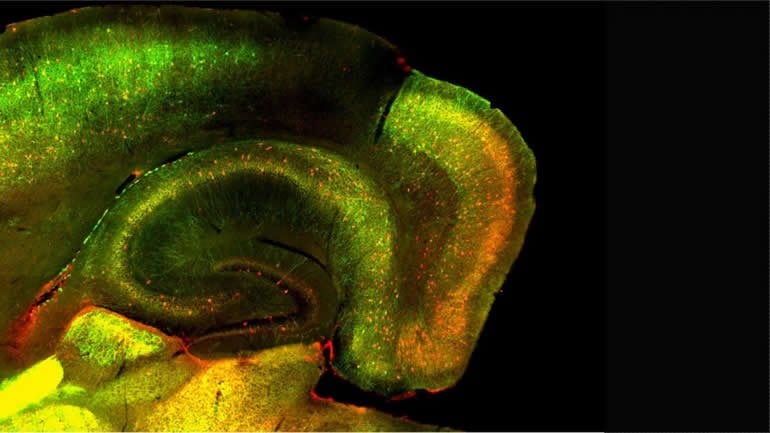
This shows the hippocampus
The tiny red dots are inhibitory nerve cells within the brain’s hippocampus. The optogenetic tool, shown in green, allows researchers to measure the strength of messages to other nerve cells, using flashes of light. Image is credited to Matt Udakis.
Mediavine

Senior author Professor Jack Mellor, Professor in Neuroscience at the Centre for Synaptic Plasticity, said: “Memories form the basis of our expectations about future events and enable us to make more accurate predictions. What the brain is constantly doing is matching our expectations to reality, finding out where mismatches occur, and using this information to determine what we need to learn.

“We believe what we have discovered plays a crucial role in assessing how accurate our predictions are and therefore what is important new information. In the current climate, our ability to manage our expectations and make accurate predictions has never been more important.”See also

This shows a protein structure

FeaturedNeuroscienceNeuroscience VideosNeurotechMarch 27, 2020

Citizen Scientists Are Helping Design New Drugs to Combat COVID-19 Thanks to Foldit Game

“This is also a great example of how research at the interface of two different disciplines can deliver exciting science with truly new insights. Memory researchers within Bristol Neuroscience form one of the largest communities of memory-focussed research in the UK spanning a broad range of expertise and approaches. It was a great opportunity to work together and start to answer these big questions, which neuroscientists have been grappling with for decades and have wide-reaching implications.”

About this memory research article

Source:
University of Bristol
Contacts:
Victoria Tagg – University of Bristol
Image Source:
The image is in credited to Matt Udakis.

https://medicalxpress.com/news/2020-09-brain-dyslexia-deficits.html

Brain stimulation reduces dyslexia deficits

by Public Library of Science

Brain stimulation reduces dyslexia deficits
Illustration of dyslexia. Credit: Silvia Marchesotti

Restoring normal patterns of rhythmic neural activity through non-invasive electrical stimulation of the brain alleviates sound-processing deficits and improves reading accuracy in adults with dyslexia, according to a study published September 8, 2020 in the open-access journal PLOS Biology by Silvia Marchesotti and Anne-Lise Giraud of the University of Geneva, and colleagues.

Dyslexia is a frequent disorder of reading acquisition that affects up to 10% of the population, and is characterized by lifelong difficulties with written material. Although several possible causes have been proposed for dyslexia, the predominant one is a phonological deficit, i.e., a difficulty in processing language sounds. The phonological deficit in dyslexia is associated with changes in rhythmic or repetitive patterns of neural activity, specifically the so-called “low-gamma” (30-Hz) oscillations, in a sound-processing region of the brain called left auditory cortex. But a causal relationship between these oscillations and the ability to process phonemes had not been established in previous studies.

To address this question, the researchers applied transcranial alternating current stimulation (tACS) over left auditory cortex in 15 adults with dyslexia and 15 fluent readers for a period of 20 minutes. This intervention immediately improved phonological processing and reading accuracy in the dyslexia group, specifically when 30 Hz (but not 60 Hz) stimulation was used. Interestingly, the beneficial effect on phonological processing was most pronounced in those individuals who had poor reading skills, whereas a slightly disruptive effect was observed in very good readers.

According to the authors, the results demonstrate for the first time the causal role of low-gamma oscillatory activity in phonemic processing. The findings may pave the way to non-invasive therapeutic interventions aimed at normalizing oscillatory function in auditory cortex and improving phonological processing in individuals with dyslexia.

Dr. Marchesotti adds “The next steps for us are to investigate whether normalizing oscillatory function in very young children could have a long-lasting effect on the organization of the reading system, but also to explore even less invasive means of correcting oscillatory activity for instance using neurofeedback training”.


Explore furtherFinding upends theory about the cerebellum’s role in reading and dyslexia


More information: Marchesotti S, Nicolle J, Merlet I, Arnal LH, Donoghue JP, Giraud A-L (2020) Selective enhancement of low-gamma activity by tACS improves phonemic processing and reading accuracy in dyslexia. PLoS Biol 18(9): e3000833. doi.org/10.1371/journal.pbio.3000833Journal information:PLoS BiologyProvided by Public Library of Science

https://www.psychologytoday.com/us/blog/the-athletes-way/202009/drugs-block-vagusstoff-may-speed-cognitive-decline

Drugs That Block “Vagusstoff” May Speed Up Cognitive Decline

Anticholinergic medications may increase Alzheimer’s risk, a new study reports.

Posted Sep 07, 2020

BruceBlaus/Wikimedia Commons

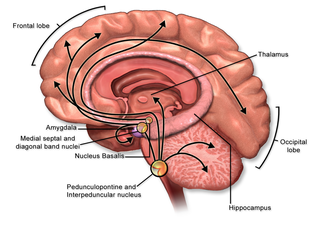
Acetylcholine (ACh) pathway.Source: BruceBlaus/Wikimedia Commons

Anticholinergic medications block acetylcholine (i.e., “vagusstoff”) and inhibit parasympathetic nerve impulses by binding with this neurotransmitter’s receptors. Over 600 medications are known to trigger some degree of anticholinergic activity (Ghossein, Kang, & Lakhkar, 2020).

Anticholinergics are a common class of drugs prescribed by doctors—or purchased over-the-counter (OTC) without a prescription—for the treatment of allergies, asthma, common cold symptoms, COPD, hay fever, hypertension, overactive bladder, Parkinson’s disease as well as psychiatric disorders, depression, and a host of other ailments.

What Is Acetylcholine and Why Is It Also Called “Vagusstoff”?

Acetylcholine (ACh) was the first neurotransmitter ever discovered by scientists. In 1921, a German-born psychobiologist and pharmacologist, Otto Loewi (1873-1961), identified a substance secreted by the vagus nerve that slowed heart rate. He named this stuff “vagusstoff,” which is German for “vagus nerve substance.” (See “How Does ‘Vagusstoff’ (Vagus Nerve Substance) Calm Us Down?“) 

By the mid-20th century, vagusstoff was more commonly referred to as acetylcholine. Scientists of this era also determined that ACh mediates how the autonomic nervous system‘s parasympathetic branch counterbalances “fight-or-flight” stress responses.

In the 1970s, neuroscientists discovered that acetylcholine crosses the blood-brain barrier (Cornford & Oldendorf, 1975) and works differently in the central nervous system, which includes the brain and spinal cord. As a chemical messenger in the brain, acetylcholine pathways are vital to cognitive performance and memory function.

About five years ago, pharmacologists (Aberra et al., 2015) and public health advocates began to warn older adults about using medications with strong anticholinergic properties because these drugs appeared to have some adverse neurocognitive side effects.

Around this time, a prospective cohort study (Gray et al., 2015) on the cumulative use of strong anticholinergics and incident dementia concluded:

“Higher cumulative anticholinergic use is associated with an increased risk for dementia. Efforts to increase awareness among health care professionals and older adults about this potential medication-related risk are important to minimize anticholinergic use over time.”

Now, a new study (Weigand et al., 2020) led by researchers from the University of California, San Diego, reports that anticholinergic medications may be linked to a higher incidence of mild cognitive impairment (MCI) among cognitively normal older adults and may increase Alzheimer’s disease risk. These findings were published on September 2 in the journal Neurology.article continues after advertisement

The objective of this study was “to determine the cognitive consequences of anticholinergic medications in cognitively normal older adults as well as interactive effects of genetic and cerebrospinal fluid (CSF) Alzheimer’s disease risk factors.” 

Of the 688 men and women who participated in this study, the researchers reported that over the course of a decade, those who regularly used at least one anticholinergic drug at baseline were 47 percent more likely to develop mild cognitive impairment (MCI) than study participants who did not take ACh-blocking medicines.

Additionally, Weigand et al. found that participants who were taking anticholinergic drugs and had biomarkers associated with a higher risk for Alzheimer’s disease in their cerebrospinal fluid were four times more likely to develop MCI than participants lacking these biomarkers and not taking anticholinergics.

“This study, led by Alexandra Weigand, suggests that reducing anticholinergic drug use before cognitive problems appear may be important for preventing future negative effects on memory and thinking skills, especially for people at greater risk for Alzheimer’s disease,” senior author Lisa Delano-Wood said in a news release

“We believe this interaction between anticholinergic drugs and Alzheimer’s risk biomarkers acts in a ‘double hit’ manner,” Weigand added. “In the first hit, Alzheimer’s biomarkers indicate that pathology has started to accumulate in and degenerate a small region called the basal forebrain that produces the chemical acetylcholine, which promotes thinking and memory. In the second hit, anticholinergic drugs further deplete the brain’s store of acetylcholine. This combined effect most significantly impacts a person’s thinking and memory.”article continues after advertisement

The authors note that about 57 percent of participants in this study using anticholinergics took twice the recommended dosage and 18 percent of people who used these medications took about four times the recommended dosage for older adults.

This UCSD-led study reaffirms the importance of asking your doctor* about the pros, cons, and appropriate dosage of any medication you’re taking that has anticholinergic properties.

“This points to a potential area for improvement since reducing anticholinergic drug dosages may possibly delay cognitive decline,” Weigand said. “It’s important for older adults who take anticholinergic medications to regularly consult with their doctors and discuss medication use and dosages.”

Delano-Wood acknowledges that more research “is needed to examine brain and cognitive effects of anticholinergic medications and whether these medications accelerate age-related cognitive changes or directly lead to neurodegenerative disorders, such as Alzheimer’s disease.”

The next step is for researchers around the country who are participating in a series of randomized clinical “deprescribing” studies to gather more empirical evidence pertaining to the hypothesis that curbing the use of anticholinergics may curtail the incidence of MCI in healthy adults and decreases Alzheimer’s risk in vulnerable populations.article continues after advertisement

Here’s a list of anticholinergic drugs from April 2020 that also explains why some of these medications may be dangerous for seniors.

*DISCLAIMER: This article is not intended as medical advice. Always consult with your doctor about the appropriate dosage and potential adverse side effects of any anticholinergic medication you are prescribed or purchase without a prescription over the counter.

References

Alexandra J. Weigand, Mark W. Bondi, Kelsey R. Thomas, Noll L. Campbell, Douglas R. Galasko, David P. Salmon, Daniel Sewell, James B. Brewer, Howard H. Feldman, Lisa Delano-Wood. “Association of Anticholinergic Medication and Alzheimer’s Disease (AD) Biomarkers With Incidence of Mild Cognitive Impairment (MCI) Among Cognitively Normal Older Adults.” Neurology (First published online: September 02, 2020) DOI: 10.1212/WNL.0000000000010643

Shelly L. Gray, Melissa L. Anderson, Sascha Dublin, Joseph T. Hanlon, Rebecca Hubbard, Rod Walker, Onchee Yu, Paul K. Crane, Eric B. Larson. “Cumulative Use of Strong Anticholinergics and Incident Dementia: A Prospective Cohort Study.” JAMA Internal Medicine (First published online: January 26, 2015) DOI: 10.1001/jamainternmed.2014.7663

https://interestingengineering.com/first-ever-ai-neural-network-made-from-2d-materials-sees-handwriting


First-Ever AI Neural Network Made From 2D Materials, ‘Sees’ Handwriting

This groundbreaking 2D material neural net AI captures, stores, and recognizes handwritten digits.By Brad BerganSeptember 07, 2020First-Ever AI Neural Network Made From 2D Materials, 'Sees' Handwritinggremlin / iStock

Researchers have developed the world’s first neural network for artificial intelligence using 2D materials, according to a recent study published in the journal Advanced Materials.

RELATED: THIS NEW ELECTRONIC MATERIAL IS STRETCHABLE, SELF-HEALING, AND ILLUMINATING

First-Ever neural network AI made form 2D materials

Two-dimensional materials are matter with a thickness of only a few nanometers (or less), and often consist of a single sheet of atoms. The resulting machine vision processor can capture, store, and identify more than 1,000 different images, according to a blog post on Harvard University’s website

The first-ever neural network AI made with 2D materials comes from the Harvard John A. Paulson School of Engineering and Applied Sciences (SEAS), who worked with Samsung Advanced Institute of Technology.

“This work highlights an unprecedented advance in the functional complexity of 2D electronics, said the Gordon McKay Professor of Electrical Engineering and Applied Physics at SEAS and the paper’s senior author Donhee Ham. “We have performed both front-end optical image sensing and back-end image recognition in one, 2D, material platform.”

2D material-based transistors still relatively primitive

Since graphene was discovered in 2004, researchers have worked to find new ways of harnessing the innovative electronic and optoelectronic properties of atom-thin, 2D semiconductors as the basis for a wide range of exciting applications.

Transistors made from 2D materials have seen use in simple digital logic circuits and photodetectors, but integration on large-scales for complex computing — like AI — is as of yet untenable.

As of writing, researchers have successfully integrated roughly 100 transistors made from 2D materials onto one chip. To clarify: a standard silicon integrated circuit like the ones in a smartphone possesses billions of transistors.

“Two-dimensional material-based devices exhibit various exciting properties, but low integration level has restricted their functional complexity,” said Houk Jang, a SEAS research associate and first author of the recent paper, according to the Harvard blog post. “With 1,000 devices integrated on a single chip, our atomically thin network can perform vision recognition tasks, which is a remarkably advanced functionality of two-dimensional material-based electronics.”

Three-atom thick framework works like a human eye

The team of researchers used a 2D material known as molybdenum disulfide, a three-atom thick semiconductor that shows effective interactions with light. They organized these photosensitive transistors into what’s called a crossbar array — which takes inspiration from neuronal connections in human brains.

This ostensibly simple framework lets the device work as both an eye to view an image and a brain to store and identify images at a glance.

Houk Jang Harvard SEAS Optoelectronic Processor
The new MoS2 optoelectronic processor performs two crucial functions of the human vision system: initial image sensing, akin to our retinas and the optic nerve, and neural recognition, which happens in the brain. Source: Houk Jang / Harvard SEAS

2D material-based AI converts images into electrical data

The front-end of the instrument uses a crossbar array like an image sensor, taking in an image like an eye. The 2D materials’ photosensitivity enables the device to convert and store the image as electrical data. On the flip side, the same crossbar array carries out networked computing with the electrical data to identify the image.

To prove their method, the researchers exposed the device to 1,000 images of handwritten digits. The internal processor successfully recognized and identified images at a 94% accuracy.

“Through capturing of optical images into electrical data like the eye and optic nerve, and subsequent recognition of this data like the brain via in-memory computing, our optoelectronic processor emulates the two core functions of human vision,” said co-author of the paper and SEAS graduate student Henry Hinton.

Soon the team will scale up the device even more to produce a 2D material-based and high-resolution imaging system. Advances like this — which sits on the intersection of AI, graphene, and 2D materials science — could one day help lead to artificial vision, possibly even as a basis for future bipedal or human-like AI robots, living among us like a second intelligent life-form. And we’re here for it.

https://www.raspberrypi.org/blog/give-your-voice-assistant-a-retro-raspberry-pi-makeover/

Give your voice assistant a retro Raspberry Pi makeover

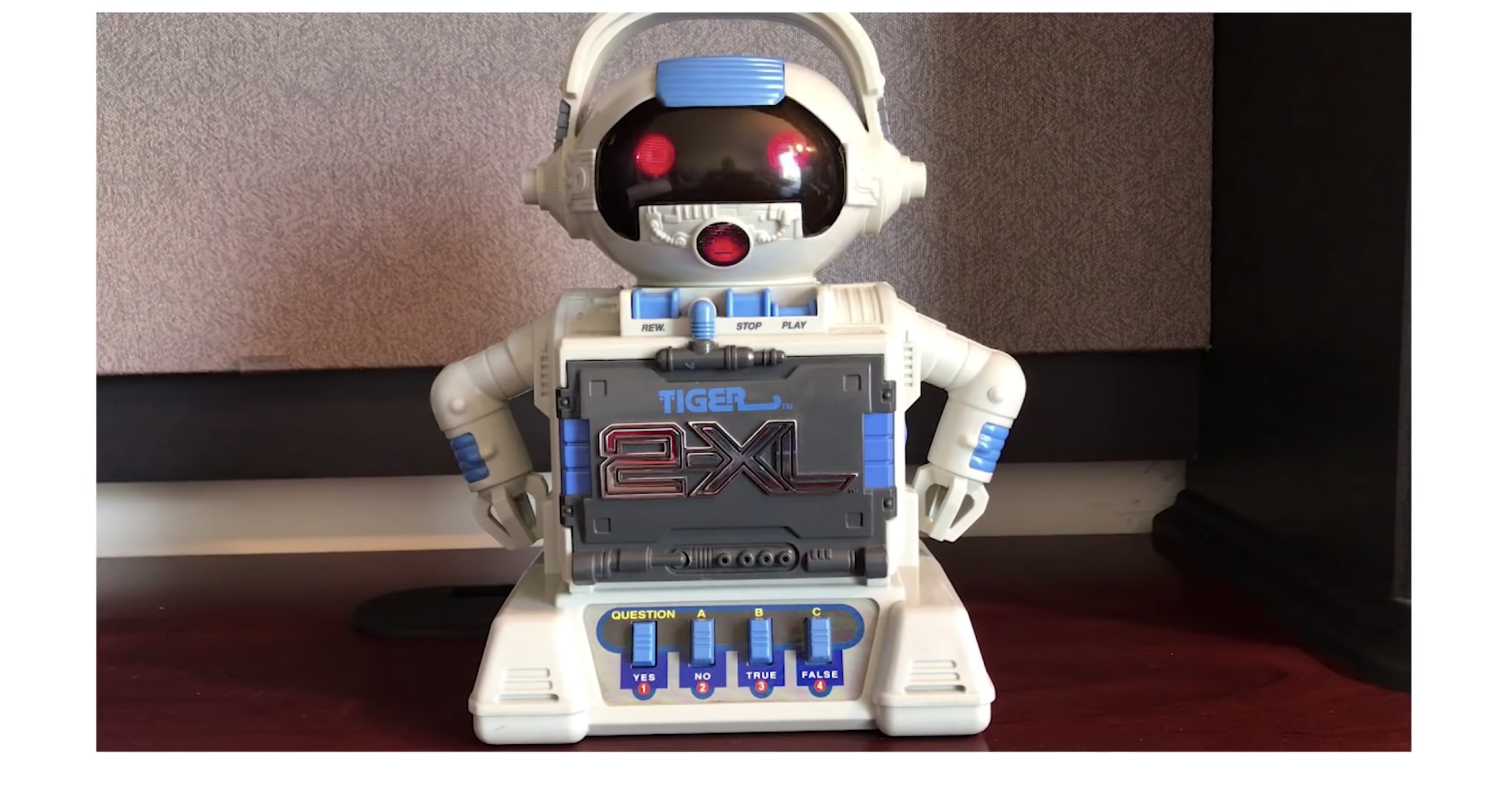
Do you feel weird asking the weather or seeking advice from a faceless device? Would you feel better about talking to a classic 1978 2-XL educational robot from Mego Corporation? Matt over at element14 Community, where tons of interesting stuff happens, has got your back.https://www.youtube.com/embed/01OHLAjIXJE?feature=oembed

Watch Matt explain how the 2-XL toy robot worked before he started tinkering with it. This robot works with Google Assistant on a Raspberry Pi, and answers to a custom wake word.

Kit list

Our recent blog about repurposing a Furby as a voice assistant device would have excited Noughties kids, but this one is mostly for our beautiful 1970s- and 1980s-born fanbase.

Time travel

2-XL, Wikipedia tells us, is considered the first “smart toy”, marketed way back in 1978, and exhibiting “rudimentary intelligence, memory, gameplay, and responsiveness”. 2-XL had a personality that kept kids’ attention, telling jokes and offering verbal support as they learned.

Teardown

Delve under the robot’s armour to see how the toy was built, understand the basic working mechanism, and watch Matt attempt to diagnose why his 2-XL is not working.

Setting up Google Assistant

The Matrix Creator daughter board mentioned in the kit list is an ideal platform for developing your own AI assistant. It’s the daughter board’s 8-microphone array that makes it so brilliant for this task. Learn how to set up Google Assistant on the Matrix board in this video.

What if you don’t want to wake your retrofit voice assistant in the same way as all the other less dedicated users, the ones who didn’t spend hours of love and care refurbishing an old device? Instead of having your homemade voice assistant answer to “OK Google” or “Alexa”, you can train it to recognise a phrase of your choice. In this tutorial, Matt shows you how to set up a custom wake word with your voice assistant, using word detection software called Snowboy.

https://phys.org/news/2020-09-contender-energy-conversion-storage.html

Time for a new contender in energy conversion and storage

by King Abdullah University of Science and Technology

Evolutionary search has helped scientists predict the lowest energy structure of a two-dimensional (2-D) material, B2P6, with some remarkable features, including structural anisotropy and Janus geometry.

Janus materials—named after the two-faced Greek god of duality—have two surfaces with distinct physical properties. As such, they offer unique benefits, such as high solar-to-hydrogen efficiency.

Anisotropic materials exhibit different properties when measured along different directions. In the case of B2P6, the ionic diffusion is strongly anisotropic, a feature that can be potentially useful in affordable energy storage solutions, such as metal-ion batteries.

Unlike antecedents, such as graphene, another 2-D material, this new material has a widely tunable band gap that makes it a better candidate for use in electronic devices.

Udo Schwingenschlögl, a professor of applied physics at KAUST, and Minglei Sun, a postdoc, performed a detailed search for the most stable 2-D crystal structure of binary compounds comprising boron and phosphorus atoms until they arrived at B2P6.

“We used state-of-the-art evolutionary search and first-principles calculations to predict this structure,” says Sun.

Based on biological evolution, evolutionary search is a computational method by which the scientists can search for a crystal structure within thousands of candidates. Using this structure as input in first-principles calculations, they can then determine the physical properties according to the principles of quantum theory.

“The extraordinary features endowed by anisotropy and Janus geometry inspired us to search for a 2-D material that combines these merits,” explains Sun. This combination allows for new properties, and in turn, wider applications.

In preliminary research, B2P6showed excellent promise in the field of electronics and for application in energy conversion and storage.

The new material demonstrates strong light absorption, making it potentially useful in clean-fuel production from photocatalytic water splitting—a process that uses natural or artificial light to produce hydrogen from water. It is more efficient than traditional photocatalysts, mainly due to the low recombination rate of photogenerated carriers.

“For B2P6, the recombination of photogenerated carriers is significantly suppressed by the intrinsic electric field induced by its Janus structure,” explains Sun. “That means more photogenerated carriers will take part in the redox reactions for water splitting. The efficiency of carrier utilization is as high as 45.1 percent.”

Next, the researchers plan to “predict more anisotropic Janus 2-D materials with extraordinary properties and provide experimental guidelines for colleagues,” Schwingenschlögl says.


Explore furtherFor photocatalysts, standing the test of time means finding a perfect partner


More information: Minglei Sun et al. B2P6: A Two-Dimensional Anisotropic Janus Material with Potential in Photocatalytic Water Splitting and Metal-Ion Batteries, Chemistry of Materials (2020). DOI: 10.1021/acs.chemmater.0c01536Journal information:Chemistry of MaterialsProvided by King Abdullah University of Science and Technology

https://www.forbes.com/sites/gusalexiou/2020/09/08/will-elon-musks-neuralink-wipe-disability-off-the-face-of-the-earth/#459aa6be45c7

Will Elon Musk’s Neuralink Wipe Disability Off The Face Of The Earth?

Gus AlexiouContributorDiversity & InclusionI write about accessibility, inclusion and social justice.

Elon Musk visits construction site of the Tesla Giga Factory
03 September 2020, Brandenburg, Grünheide: Elon Musk, head of Tesla, stands on the construction site … [+] DPA/PICTURE ALLIANCE VIA GETTY IMAGES

At the end of August, via a live webcast, Elon Musk updated the world on the progress of Neuralink, the brain-computer interface company he founded back in 2016.

Maverick technologist Musk, who is also CEO of cutting-edge electric automobile manufacturer Tesla and space exploration company SpaceX, outlined a bold vision for the future of humanity.

Musk’s world of tomorrow is one in which cybernetically augmented super-humans are, not just able to overcome the scourge of disease and disability, but wholly transcend their physical form via direct integration with machines and technology.

To use Musk’s own words, Neuralink’s implantable device is “like a Fitbit in your skull.” Comprised of super-thin threads that carry electrodes, the technology is intended to facilitate high throughput communication to external computers and, potentially, secondary “links” placed elsewhere in the body.

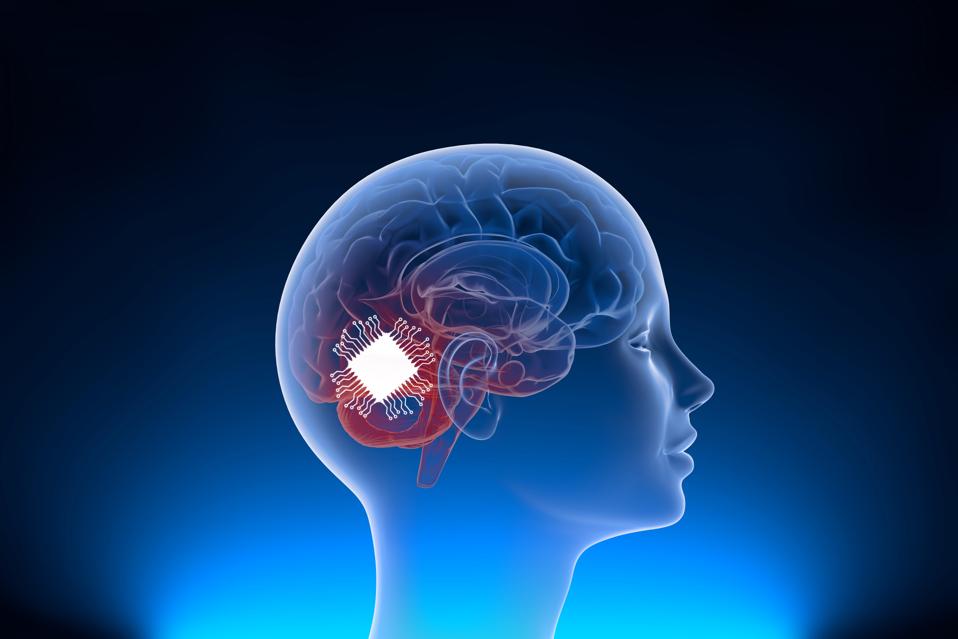
Rendition of a brain implant in a human skull
Neuralink brain implant for connecting humans and machines GETTY

Neuralink is certainly no gimmick either. The company already employs over 100 people and is looking to rapidly expand its workforce.

Musk has also sunk $100 million of his own capital into the venture. He additionally revealed that, this past July, Neuralink received Breakthrough Device designation from the U.S. Food and Drug Administration, which can assist in expediting the regulatory process.

Disabled people are likely to have had their attention piqued by Musk reiterating that, in the first instance, Neuralink would be looking to “solve important brain and spine problems.”

In fact, throughout the presentation, several chronic and life-limiting conditions were cited as being potentially treatable by Neuralink — ranging from blindness, spinal cord injuries, memory loss, brain damage and even depression.

The company’s first round of clinical trials will focus on patients with spinal cord injuries.

For disabled people watching on, this may sound like a compelling narrative, or, at the very least, something fresh and innovative in comparison to the dry mathematical data and medical jargon filling the professional journals.

Controlling AI through the human brain

Musk’s multi-billionaire status and media persona as a star-gazing pioneer pushing the boundaries of science certainly plays into this.

What is perhaps more tantalizing is that it is abundantly clear that Musk’s ambitions for Neuralink go well beyond just helping disabled people.

Elon Musk has gone on the record multiple times to convey his concerns on the threat to humanity posed by artificial intelligence.  

He sees a future in which AI outpaces human beings and can no longer be held in check and has described the technology as being a greater threat to human survival than that posed by nuclear weapons.

Neuralink is, in essence, borne of Musk’s transhumanist ambition to maintain the whip hand over super-intelligent machines and AI.

“On a species level, it’s important to figure out how we coexist with advanced AI, achieving some AI symbiosis,” Musk said during the presentation, “such that the future of the world is controlled by the combined will of the people of the earth. That might be the most important thing that a device like this achieves.”

Notwithstanding the imminent rise of the cyborgs, there are, naturally, more short-term commercial opportunities ripe for exploitation.

Ultimately, who wouldn’t want to be able to stream music directly into their head, or control immersive virtual video games purely by the power of their thoughts?

Futuristic woman with pink goggles and glowing interactive tattoos crouches on floor
Futuristic woman with pink goggles and glowing interactive tattoos crouches on floor GETTY

Bringing disability into the mainstream

It is this meshing of the technology with wider commercial, or indeed, existential applications, that makes it utterly compelling for those living with physical impairments.

After all, neurological conditions such as multiple sclerosis, Parkinson’s and motor neuron disease are all so very niche.

Yes, they all involve the brain but their causes and mechanisms of action are unique and different. Research for these conditions is, therefore, highly specialized and undertaken at a slow pace within academic silos, all competing with each other for scarce resources.

Any new technology, particularly one propelled by wider, mass-market ambitions and finance, instantly becomes an extremely seductive proposition.

What the scientists are saying

It should, at this stage, be noted that research on BMIs (brain-machine Interfaces) dates back to the 1970s. Early demonstrations involved patients with external electrodes moving an on-screen cursor. More recently, BMIs have been deployed by researchers to actuate the movement of mechanical arms, small vehicles and even wheelchairs.

With respect to its reception from the neuroscience community, Neurolink has, so far, received mixed reviews.

The company’s major breakthrough appears to relate to the number of electrodes engaged (10x more than any other device) allowing for unprecedented levels of data and throughput.

According to University of Toronto neuroscience research fellow Graeme Moffat, Neuralink’s hardware is “order of magnitude leaps” beyond any competitor in relation to size, portability, power consumption and wireless capabilities.

Ralph Adolphs, Bren Professor of Psychology, Neuroscience, and Biology at California Institute of Technology described Neuralink’s announcement as “tremendously exciting” and “a huge technical achievement.”

Neuralink has also innovated in the development of a surgical robot to implement the insertion of tiny wires comprising the width of a human hair. The long-term aim is for the surgery to be carried out as a non-invasive day procedure, much like LASIK eye surgery is undertaken today.

Some scientists have poured scorn on Neuralink’s theoretical underpinning, particularly in relation to emulating higher-level brain functions, such as recording thoughts or memories.

According to Loren Frank, a neuroscientist at UCSF and Howard Hughes Medical Institute, the simplistic conflation of thoughts and memories with the electrical emissions that occur alongside them, represents “a failure of knowledge of biology.”

After all, a consistent theory of human consciousness is not yet within the domain of scientific consensus.

Andrew Jackson, Professor of Neural Interfaces at Newcastle University, summarized Musk’s presentation and Neuralink’s progress to date as “solid engineering but mediocre neuroscience.”

Nevertheless, those interested in Neuralink for its medical applications should not be disheartened.

Mediating motor functions, though replete with significant challenges, is certainly not as tough an ask as deciphering thoughts and memories.

It is the former that people with disabilities will be most interested in and Steven Chase of Carnegie Mellon’s Neuroscience Institute confirmed, “The biggest thing these patients want is independence; this technology has the potential to offer them that.”

Putting an end to disability

So, while hope exists that a mainstream device for controlling electrical signals in the brain could indeed represent a new treatment frontier and modality for debilitating neurological conditions, less certainty prevails over the timeline.

This is, after all, the same Elon Musk who predicted there would be one million fully autonomous vehicles on the road by the end of 2020.

People living with long-term health conditions know, perhaps more so than any other segment of society, that the road to meaningful medical advancement is often a long and winding one.

Research is fragmented for no reason other than it is innately complex. The mechanism of action of a single drug, gene, or protein for a specific disease can represent one research team’s life’s work.

At the same time, even for those living with the most complex of disabilities, notions of there one day being a cure or a fix remain the ultimate tantalizing taboo.

We’ve all been brought up to believe that technology gets better, that doctors eventually learn to fix what was once unfixable.

The question is less one of whether it will happen, and more one of when, and which generation will be alive to benefit.

Ultimately, “Generation Fixed” may not have been born yet but those of us who are around today may be witnessing the emergence of a technology that will, one day, make disability elimination a reality and not just science fiction.

However, conquering the secret frontier of the human brain is likely to be a mission that Musk might well reflect, when he himself is old and frail, proved more of a challenge than even venturing forth into the stars and outer space.