https://www.cnbc.com/2021/01/08/openai-shows-off-dall-e-image-generator-after-gpt-3.html


Why everyone is talking about an image generator released by an Elon Musk-backed A.I. lab 

PUBLISHED FRI, JAN 8 20216:42 AM ESTUPDATED FRI, JAN 8 20216:58 PM ESTSam Shead@SAM_L_SHEADSHAREShare Article via FacebookShare Article via TwitterShare Article via LinkedInShare Article via EmailKEY POINTS

  • OpenAI has trained a piece of software, known as Dall-E, to generate images from short text captions.
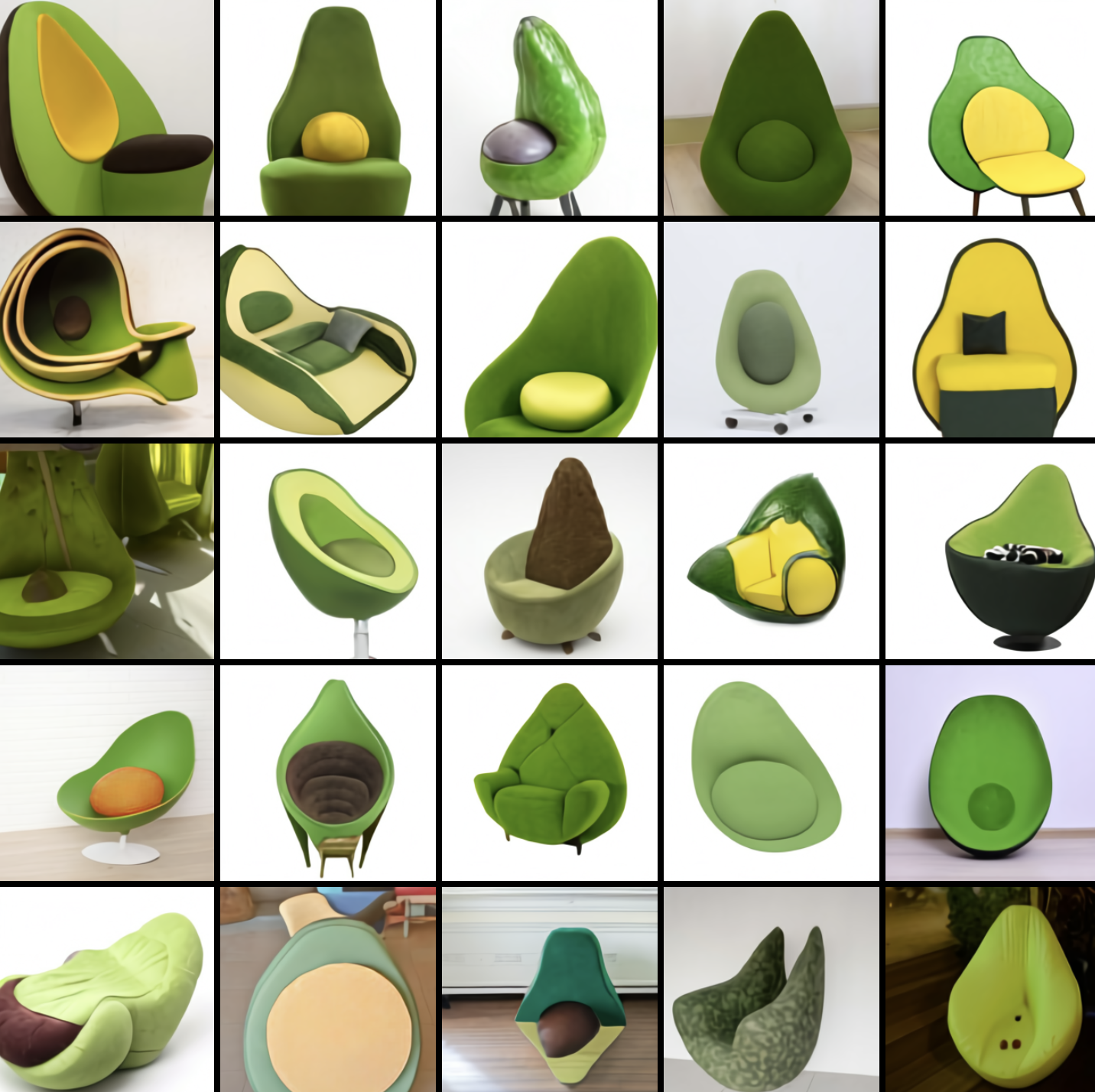
  • It demoed how the AI could create armchairs in the shape of avocados and baby daikon radishes wearing tutus.
  • Dall-E comes just a few months after OpenAI announced it had built a text generator called GPT-3.

SpaceX founder Elon Musk looks on at a post-launch news conference after the SpaceX Falcon 9 rocket, carrying the Crew Dragon spacecraft, lifted off on an uncrewed test flight to the International Space Station from the Kennedy Space Center in Cape Canaveral, Florida, March 2, 2019.

SpaceX founder Elon Musk looks on at a post-launch news conference after the SpaceX Falcon 9 rocket, carrying the Crew Dragon spacecraft, lifted off on an uncrewed test flight to the International Space Station from the Kennedy Space Center in Cape Canaveral, Florida, March 2, 2019.Mike Blake | Reuters

Armchairs in the shape of avocados and baby daikon radishes wearing tutus are among the quirky images created by a new piece of software from OpenAI, an Elon Musk-backed artificial intelligence lab in San Francisco.

OpenAI trained the software, known as Dall-E, to generate images from short text captions. It specifically used a dataset of 12 billion images and their captions, which were found on the internet.

The lab said Dall-E — a portmanteau of Spanish surrealist artist Salvador Dali and Wall-E, a small animated robot from the Pixar movie of the same name — had learned how to create images for a wide range of concepts.

OpenAI showed off some of the results in a blog post published on Tuesday. “We’ve found that it [Dall-E] has a diverse set of capabilities, including creating anthropomorphized versions of animals and objects, combining unrelated concepts in plausible ways, rendering text, and applying transformations to existing images,” the company wrote.https://platform.twitter.com/embed/index.html?creatorScreenName=Sam_L_Shead&dnt=false&embedId=twitter-widget-0&frame=false&hideCard=false&hideThread=false&id=1346554999241809920&lang=en&origin=https%3A%2F%2Fwww.cnbc.com%2F2021%2F01%2F08%2Fopenai-shows-off-dall-e-image-generator-after-gpt-3.html&siteScreenName=CNBC&theme=light&widgetsVersion=ed20a2b%3A1601588405575&width=550px

Dall-E is built on a neural network, which is a computing system vaguely inspired by the human brain that can spot patterns and recognize relationships between vast amounts of data.

While neural networks have generated images and videos before, Dall-E is unusual because it relies on text inputs whereas the others don’t.WATCH NOWVIDEO04:57C3.ai CEO Tom Siebel on the future of AI

Synthetic videos and images have become more sophisticated in recent years to the extent that it has become hard for humans to distinguish between what is real and what is computer-generated. General adversarial networks (GANs), which employ two neural networks, have been used to create fake videos of politicians, for example.

OpenAI acknowledged that Dall-E has the “potential for significant, broad societal impacts,” adding that it plans to analyze how models like Dall-E “relate to societal issues like economic impact on certain work processes and professions, the potential for bias in the model outputs, and the longer term ethical challenges implied by this technology.”

GPT-3 successor

Dall-E comes just a few months after OpenAI announced it had built a text generator called GPT-3 (Generative Pre-training), which is also underpinned by a neural network.

The language-generation tool is capable of producing human-like text on demand and it became relatively famous for an AI program when people realized it could write its own poetry, news articles and short stories.

“Dall-E is a Text2Image system based on GPT-3 but trained on text plus images,” Mark Riedl, associate professor at the Georgia Tech School of Interactive Computing, told CNBC.

“Text2image is not new, but the Dall-E demo is remarkable for producing illustrations that are much more coherent than other Text2Image systems I’ve seen in the past few years.”

OpenAI has been competing with firms like DeepMind and the Facebook AI Research group to build general purpose algorithms that can perform a wide range of tasks at human-level and beyond.

Researchers have built AIs that can play complex games like chess and the Chinese board game of Go, translate one human language to another, and spot tumors in a mammogram. But getting an AI system to show genuine “creativity” is a big challenge in the industry.

Riedl said the Dall-E results show it has learned how to blend concepts coherently, adding that “the ability to coherently blend concepts is considered a key form of creativity in humans.”

“From the creativity standpoint, this is a big step forward,” Riedl added. “While there isn’t a lot of agreement about what it means for an AI system to ‘understand’ something, the ability to use concepts in new ways is an important part of creativity and intelligence.”

Neil Lawrence, the former director of machine learning at Amazon Cambridge, told CNBC that Dall-E looks “very impressive.”

Lawrence, who is now a professor of machine learning at the University of Cambridge, described it as “an inspirational demonstration of the capacity of these models to store information about our world and generalize in ways that humans find very natural.”

He said: “I expect there will be all sorts of applications of this type of technology, I can’t even begin to imagine. But it’s also interesting in terms of being another pretty mind-blowing technology that is solving problems we didn’t even know we actually had.”

‘Doesn’t advance the state of AI’

Not everyone is that impressed by Dall-E, however.

Gary Marcus, an entrepreneur who sold a machine-learning start-up to Uber in 2016 for an undisclosed sum, told CNBC that it’s interesting but it “doesn’t advance the state of AI.”

He also pointed out that it hasn’t been opened sourced and the company hasn’t yet published an academic paper on the research.

Marcus has previously questioned whether some of the research published by rival lab DeepMind in recent years should be classified as “breakthroughs.” 

OpenAI was set up as a non-profit with a $1 billion pledge from a group of founders that included Tesla CEO Elon Musk. In February 2018, Musk left the OpenAI board but he continues to donate and advise the organization.

OpenAI made itself for-profit in 2019 and raised another $1 billion from Microsoft to fund its research. GPT-3 is set to be OpenAI’s first commercial product and Reddit has signed up as one of the first customers.
https://thenextweb.com/neural/2021/01/10/heres-how-openais-magical-dall-e-generates-images-from-text-syndication/

Here’s how OpenAI’s magical DALL-E image generator works

1 copyOpenAI

STORY BY
Dale Markowitz
  • 60SHARES

It seems like every few months, someone publishes a machine learning paper or demo that makes my jaw drop. This month, it’s OpenAI’s new image-generating model, DALL·E.

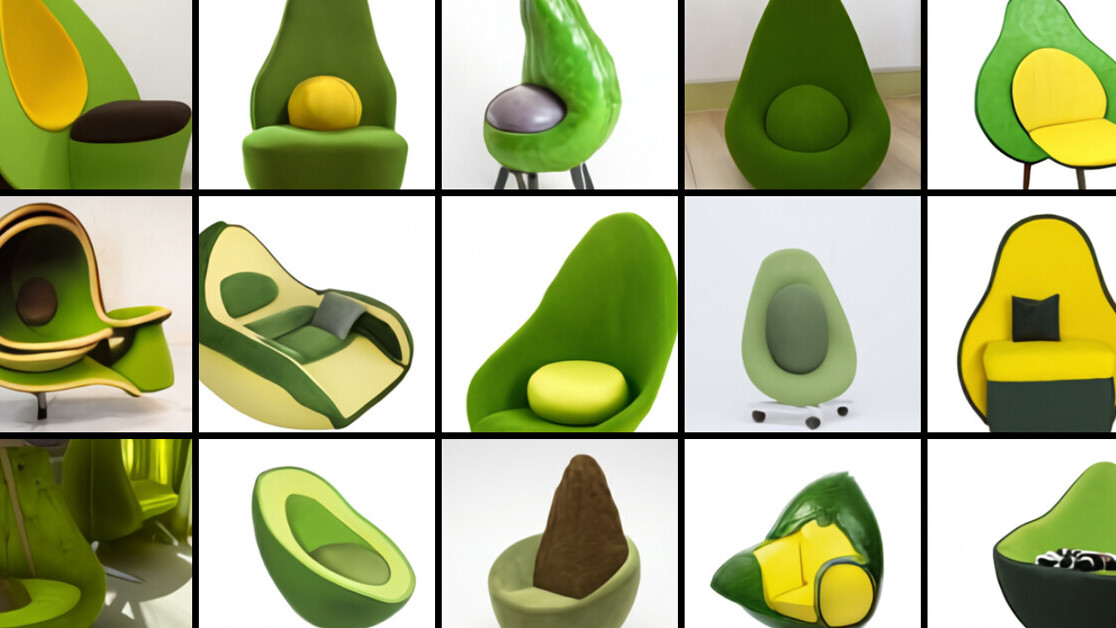
This behemoth 12-billion-parameter neural network takes a text caption (i.e. “an armchair in the shape of an avocado”) and generates images to match it:

Generated images of avocado chairs
From https://openai.com/blog/dall-e/

I think its pictures are pretty inspiring (I’d buy one of those avocado chairs), but what’s even more impressive is DALL·E’s ability to understand and render concepts of space, time, and even logic (more on that in a second).

In this post, I’ll give you a quick overview of what DALL·E can do, how it works, how it fits in with recent trends in ML, and why it’s significant. Away we go!

What is DALL·E and what can it do?

In July, DALL·E’s creator, the company OpenAI, released a similarly huge model called GPT-3 that wowed the world with its ability to generate human-like text, including Op Eds, poems, sonnets, and even computer code. DALL·E is a natural extension of GPT-3 that parses text prompts and then responds not with words but in pictures. In one example from OpenAI’s blog, for example, the model renders images from the prompt “a living room with two white armchairs and a painting of the colosseum. The painting is mounted above a modern fireplace”:

DALLE generated images
From https://openai.com/blog/dall-e/.

Pretty slick, right? You can probably already see how this might be useful for designers. Notice that DALL·E can generate a large set of images from a prompt. The pictures are then ranked by a second OpenAI model, called CLIP, that tries to determine which pictures match best.

How was DALL·E built?

Unfortunately, we don’t have a ton of details on this yet because OpenAI has yet to publish a full paper. But at its core, DALL·E uses the same new neural network architecture that’s responsible for tons of recent advances in ML: the Transformer. Transformers, discovered in 2017, are an easy-to-parallelize type of neural network that can be scaled up and trained on huge datasets. They’ve been particularly revolutionary in natural language processing (they’re the basis of models like BERT, T5, GPT-3, and others), improving the quality of Google Search results, translation, and even in predicting the structures of proteins.

[Read: Meet the 4 scale-ups using data to save the planet]

Most of these big language models are trained on enormous text datasets (like all of Wikipedia or crawls of the web). What makes DALL·E unique, though, is that it was trained on sequences that were a combination of words and pixels. We don’t yet know what the dataset was (it probably contained images and captions), but I can guarantee you it was probably massive.

How “smart” is DALL·E?

While these results are impressive, whenever we train a model on a huge dataset, the skeptical machine learning engineer is right to ask whether the results are merely high-quality because they’ve been copied or memorized from the source material.

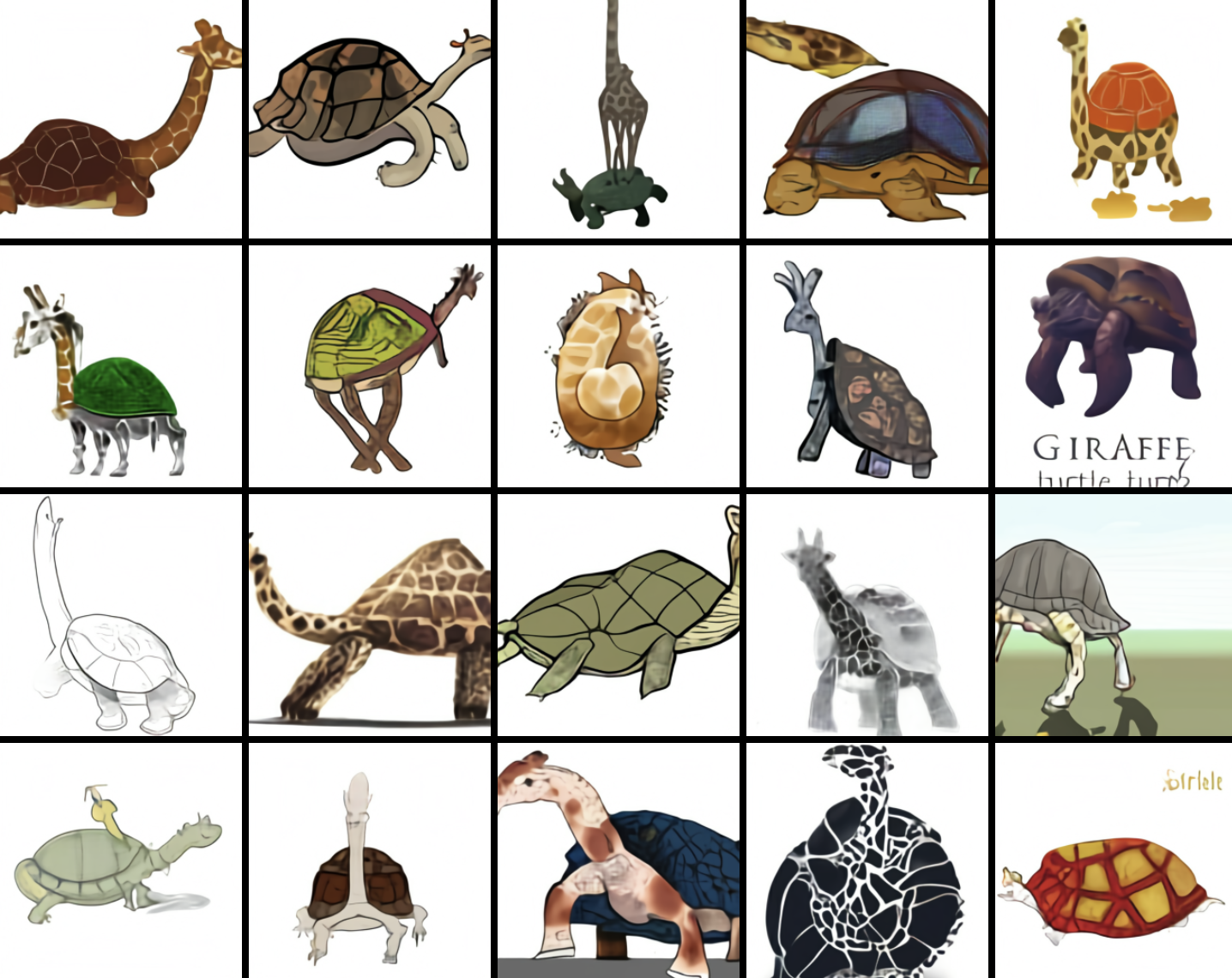
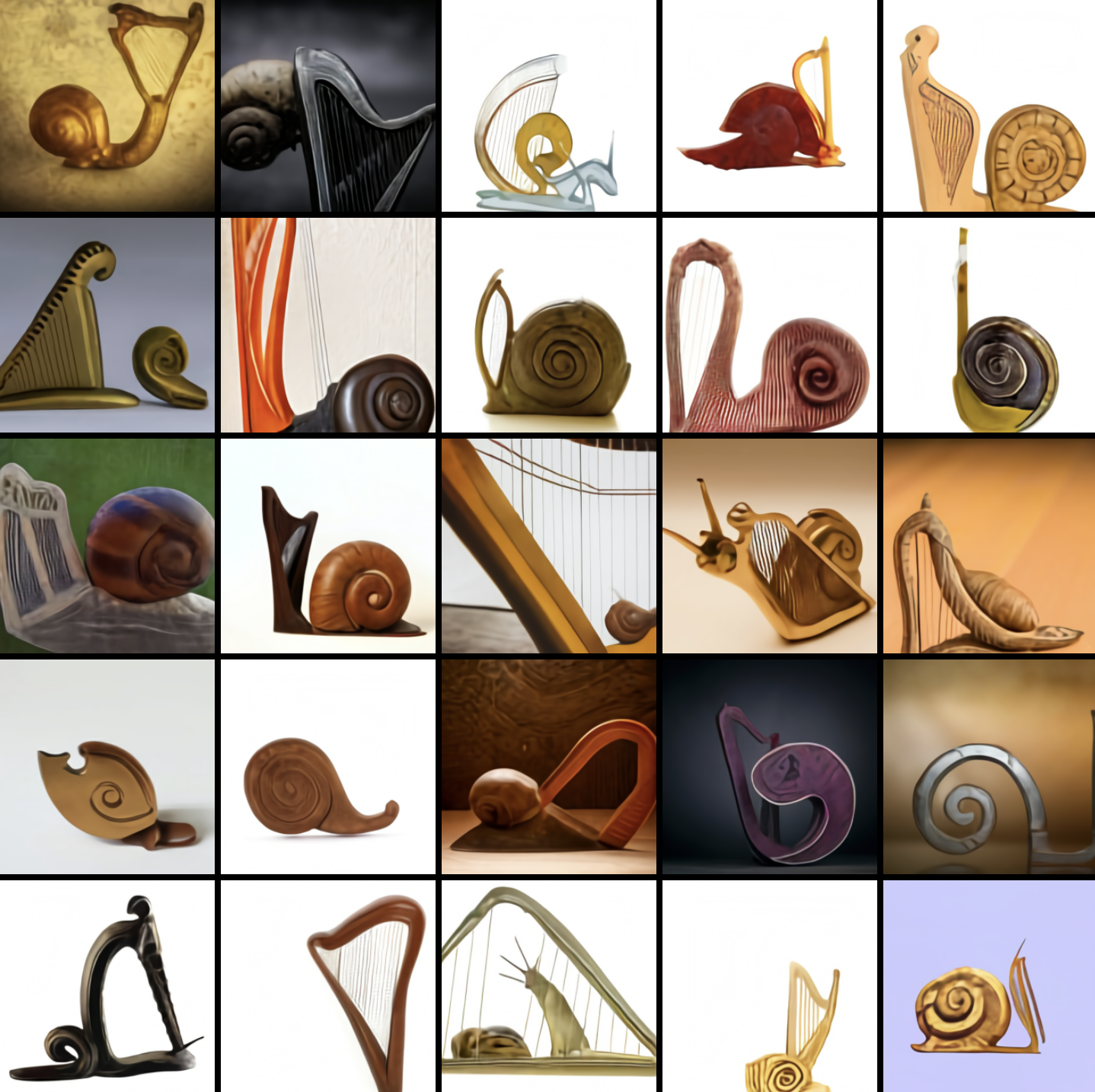
To prove DALL·E isn’t just regurgitating images, the OpenAI authors forced it to render some pretty unusual prompts:

“A professional high quality illustration of a giraffe turtle chimera.”

From https://openai.com/blog/dall-e/.

“A snail made of a harp.”

From https://openai.com/blog/dall-e/

It’s hard to imagine the model came across many giraffe-turtle hybrids in its training data set, making the results more impressive.

What’s more, these weird prompts hint at something even more fascinating about DALL·E: its ability to perform “zero-shot visual reasoning.”

Zero-Shot Visual Reasoning

Typically, in machine learning, we train models by giving them thousands or millions of examples of tasks we want them to preform and hope they pick up on the pattern.

To train a model that identifies dog breeds, for example, we might show a neural network thousands of pictures of dogs labeled by breed and then test its ability to tag new pictures of dogs. It’s a task with limited scope that seems almost quaint compared to OpenAI’s latest feats.

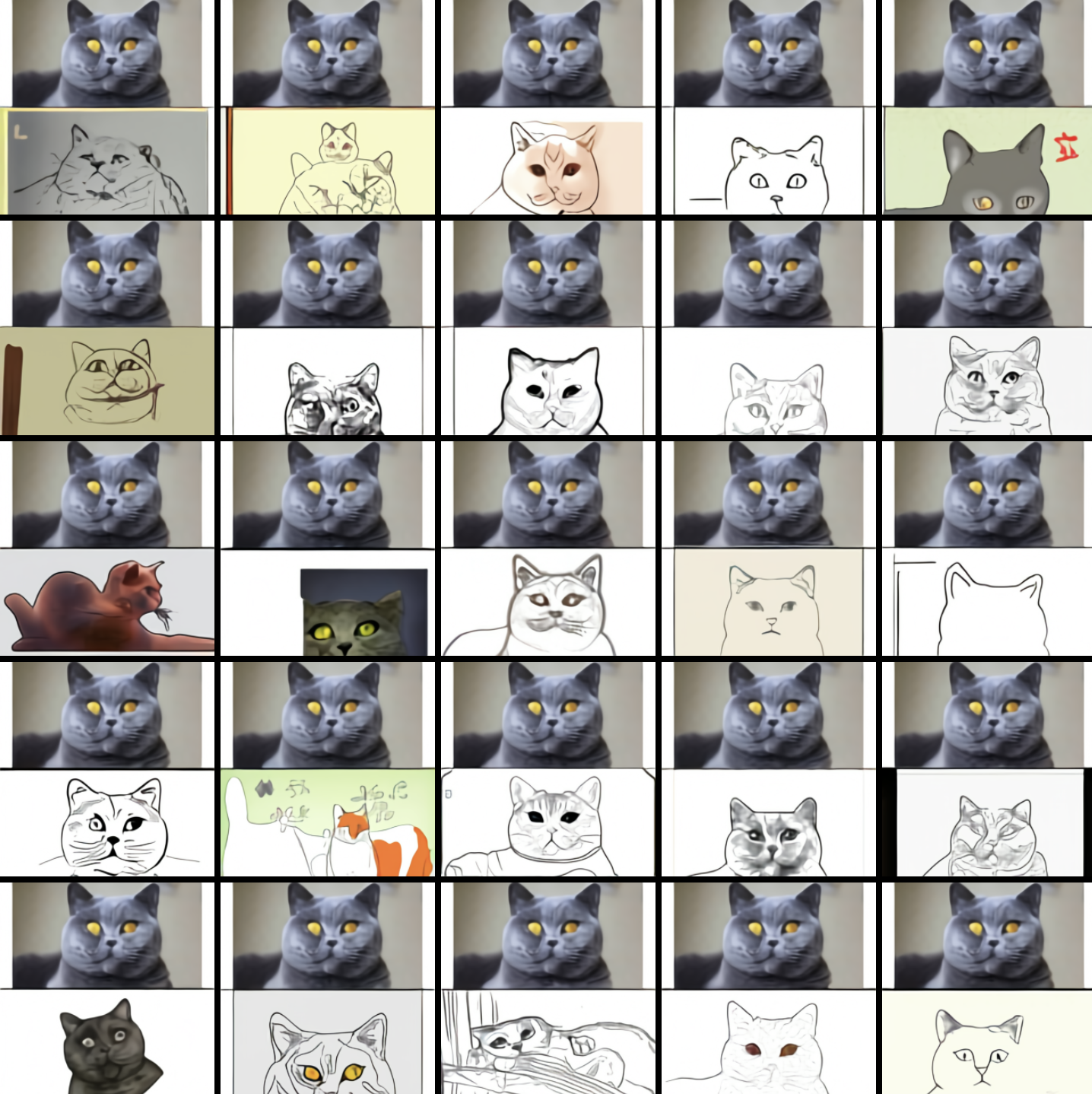
Zero-shot learning, on the other hand, is the ability of models to perform tasks that they weren’t specifically trained to do. For example, DALL·E was trained to generate images from captions. But with the right text prompt, it can also transform images into sketches:

Results from the prompt, “the exact same cat on the top as a sketch on the bottom”. From https://openai.com/blog/dall-e/

DALL·E can also render custom text on street signs:

Results from the prompt “A store front that has the word ‘openai’ written on it’.” From https://openai.com/blog/dall-e/.

In this way, DALL·E can act almost like a Photoshop filter, even though it wasn’t specifically designed to behave this way.

The model even shows an “understanding” of visual concepts (i.e. “macroscopic” or “cross-section” pictures), places (i.e. “a photo of the food of china”), and time (“a photo of alamo square, san francisco, from a street at night”; “a photo of a phone from the 20s”). For example, here’s what it spit out in response to the prompt “a photo of the food of china”:

“a photo of the food of china” from https://openai.com/blog/dall-e/.

In other words, DALL·E can do more than just paint a pretty picture for a caption; it can also, in a sense, answer questions visually.

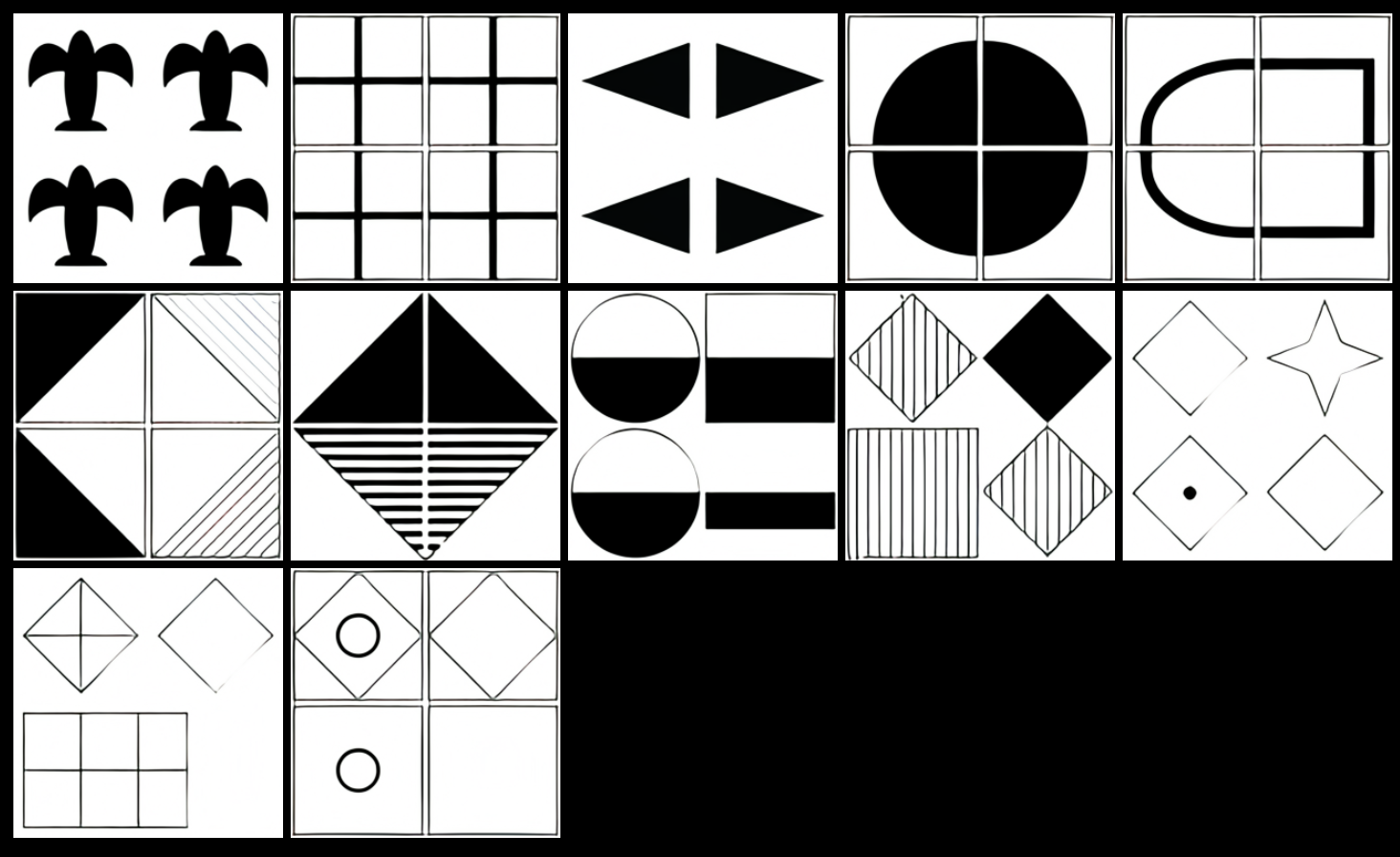
To test DALL·E’s visual reasoning ability, the authors had it take a visual IQ test. In the examples below, the model had to complete the lower right corner of the grid, following the test’s hidden pattern.

A screenshot of the visual IQ test OpenAI used to test DALL·E from https://openai.com/blog/dall-e/.

“DALL·E is often able to solve matrices that involve continuing simple patterns or basic geometric reasoning,” write the authors, but it did better at some problems than others. When the puzzles’s colors were inverted, DALL·E did worse–“suggesting its capabilities may be brittle in unexpected ways.”

What does it mean?

What strikes me the most about DALL·E is its ability to perform surprisingly well on so many different tasks, ones the authors didn’t even anticipate:

“We find that DALL·E […] is able to perform several kinds of image-to-image translation tasks when prompted in the right way.

We did not anticipate that this capability would emerge, and made no modifications to the neural network or training procedure to encourage it.”

It’s amazing, but not wholly unexpected; DALL·E and GPT-3 are two examples of a greater theme in deep learning: that extraordinarily big neural networks trained on unlabeled internet data (an example of “self-supervised learning”) can be highly versatile, able to do lots of things weren’t specifically designed for.

Of course, don’t mistake this for general intelligence. It’s not hard to trick these types of models into looking pretty dumb. We’ll know more when they’re openly accessible and we can start playing around with them. But that doesn’t mean I can’t be excited in the meantime.

This article was written by Dale Markowitz, an Applied AI Engineer at Google based in Austin, Texas, where she works on applying machine learning to new fields and industries. She also likes solving her own life problems with AI, and talks about it on YouTube.

Published January 10, 2021 — 11:00 UTC

https://medium.com/illumination/the-psychology-behind-riots-4b01530a83f8

The Psychology Behind Riots

What the riots and uniformed forces have in common.

Yasmine Ghattas (@yasmineghattas)

Yasmine Ghattas (@yasmineghattas)FollowJun 3, 2020 · 4 min read

In light of the death of George Floyd, an unarmed black man, and the aftermath of this injustice, it is imperative we understand the psychology behind the reaction to Floyd’s death and it’s similarity to the actions of the police.

Image for post
Photo by Mike Von on Unsplash

Let’s begin by defining our terms. A riot is defined by Merriam-Webster, as a violent public disorder specifically: a tumultuous disturbance of the public peace by three or more persons assembled together and acting with a common intent.

Riots are not a new concept. They date back as early as 44 BC (and probably even earlier) when after the assassination of Julius Caesar, a mob took pieces of burning wood and attacked the houses of Brutus and Cassius (those who murdered Caesar).

Riots are born from an incidence of injustice, but it’s important to note that an individual cannot enact a riot. Integral to the definition is the group association.

So in order to understand riots, we must understand group psychology. In riots, there are true groups meaning that there is a degree of social cohesion, so they share the same interests or values. In this case, specifically, the overarching sentiment would be protesting the death of George Floyd, the evident racism in America, and the structures that support that racism.

So what can begin as a peaceful protest can rapidly devolve into riots due to group polarization. Group polarization is the tendency of people to make decisions that are more extreme when they are in a group setting as opposed to a decision made alone or independently. This is enhanced by the anonymity factor or deindividuation. This is a concept inherent in groups in which there is a diminishing understanding of one’s sense of individuality. So an individual’s perception of self will decrease making a person more willing to engage in antisocial or violent behavior because they believe they are protected by the group. Also given the current pandemic and the use of masks, this is probably augmented as facial recognition becomes more difficult with face coverings. This explains the looting, vandalism, and arson.

The bystander effect is also evident in riots. This theory states that individuals are less likely to offer help to a victim when there are other people present. The more people there are, the less likely one of them is to help. In the famous case of Kitty Genovese, she was stabbed, sexually assaulted, and murdered. Despite numerous witnesses, there was no intervention or police calls. Diffusion of responsibility occurred, each witness saw the event and assumed that others would take action, but no one did. This explains the heinous beatings by riot members, with no assistance from bystanders.

Interestingly enough, this very much mirrors uniformed authority’s behavior (e.g. police, soldiers, etc). Police officers are also subjected to group polarization, deindividuation, and the bystander effect.

In the video of George Floyd’s murder, we can hear Floyd’s plea for his breath, and not a single officer comes to his aid.

The main difference between police officers and those who riot is the position of authority and power. They are arbiters of the law. This power is signified by their uniforms, which can actually aid in deindividaution. Police officers all share a uniform and they are all tasked with the same role making them a true group.

In a 2017 study by McMaster University, a team of cognitive neuroscientists suggested that a uniform can automatically affect how we perceive others. This can create a bias towards those considered to be of low social status. In this study, in particular, their test subjects wearing police uniforms exhibited biased attention toward hoodie-wearing individuals.

We can also see an extreme version of this in the infamous Stanford Prison Experiment. This unethical experiment attempted to investigate the psychological effects of perceived power, focusing on the struggle between prisoners and officers. The test subjects were assigned roles and quickly embraced them, with some “guards” enforcing authoritarian measures and psychological torture on their “prisoners”.

We can also see this power act out in real life in the Abu Ghraib torture and prisoner abuse cases. Personnel in the early stages of the Iraq War committed numerous human rights violations against detainees including physical and sexual abuse, torture, rape, sodomy, and murder.

Violent behavior is not unique to riots. It’s common to groups, typically groups with power or perceived power, or groups that are agitated by corruption like in the case of George Floyd.

The anger for the injustice that occurred to George Floyd is palpable. It is understandable.

I am by no means condoning violent behavior, but it is evident to see the root cause and the cyclical perpetuation of violence.

What the police did is unreconcilable, but in cases of police brutality and riots, the results tend to be the same. Violence. The only exception is that this mob violence is instigated by the deeply rooted oppression of black people in America, whereas police violence stems from systematic racism, combined with a power trip.

I don’t know what the solution is. I don’t know how to fix something so deeply ingrained in America’s culture as racism especially when judicially speaking the law has set a precedent of equality. What we are actually facing is de facto racism, whereby the spirit of the law is ignored.

I know that riots can work (e.g the Stonewall riots), but the pure chaos that is ensuing is also hardly palatable (but even more unpalatable is the unconstitutional treatment of black people in America).

The cities that we are watching burn aren’t those of the rich or those in power, they are those that are filled with minorities. These cities don’t receive the funding they need. How will they rebuild? How will they come back from this especially during this pandemic?

Systematic racism must be crushed. Police brutality must be eradicated. But what do we until then?ILLUMINATION

We curate outstanding articles from diverse domains and…

Follow

164

164 claps

Yasmine Ghattas (@yasmineghattas)

WRITTEN BY

Yasmine Ghattas (@yasmineghattas)

Follow

MD Candidate in the pursuit of ignorance

ILLUMINATION

ILLUMINATION

Follow

We curate and disseminate outstanding articles from diverse domains and disciplines to create fusion and synergy.

https://www.healthline.com/health/kidney-health/how-to-sleep-with-a-kidney-stent#takeaway

How to Sleep With a Kidney Stent

A doctor places a kidney stent, also called a ureteral stent, to keep urine flowing from the kidney to the bladder, usually after you have a kidney stone or some other obstruction.

While your doctor ideally places a kidney stent to help you feel better, an estimated 80 percent of people report stents are uncomfortable. This may be especially true when trying to sleep.

Fortunately, there are a lot of ways both you and your doctor can work to relieve stent-related discomfort. Keep reading to find out.

Tips for sleeping

Sleep is really important when you’re recovering from a ureteral stent placement. Your body needs time to heal and regain energy, so feeling comfortable for sleep is important.

Here are some methods you can use to improve your sleep with a stent.

Ask your doctor about alpha-blockers

Alpha-blockers are medications that help reduce ureteral stent pain. Examples of these medications include tamsulosinTrusted Source and alfuzosin.

These medications help reduce spasms in the ureters, which can cause cramping, and help keep the ureter open.

If you find you have cramping and discomfort related to your stent, ask your doctor about this medication option.

Common side effects of alpha-blockers include:

Also ask about anticholinergic medications

Anticholinergic medications are another alternative to alpha-blockers. These medications help reduce some post-stent placement symptoms, such as urinary frequency or urgency.

If these symptoms are keeping you up at night, talk with your doctor about these medication options. An example is solifenacin.

Anticholinergics are commonly used for other conditions like overactive bladder. Side effects may include dry mouth and constipation.

Emerging dataTrusted Source raises concerns about anticholinergics and dementia risk, especially in people over 65. Talk with your doctor with the pros and cons for your specific case.

Take an over-the-counter pain reliever

Taking an over-the-counter pain reliever, such as ibuprofen (Advil, Motrin) or acetaminophen (Tylenol), before going to bed may help reduce stent-related discomfort while you sleep.

Ibuprofen may be more effective for stent-related pain due to its combined pain-relieving and anti-inflammatory effects.

Ask your doctor before taking aspirin, however. It’s a natural blood thinner and could potentially increase your bleeding risks after stent placement.

Time your fluid intake

You’ll want to drink plenty of water after you have a stent placed. This will help you flush blood and urine through your kidneys.

However, drinking too much water close to bedtime can cause you to make several additional trips to the bathroom at night.

To address this concern, try to drink plenty of water during the day and start to taper off your intake after dinner. This can help reduce the urinary frequency and urgency you may experience at night.

Your goal will be to keep your urine pale yellow whenever possible. This color indicates that you’re hydrated.

Avoid exercise in the hours before bed

Physical activity and exercise can increase discomfort. Avoiding these activities before bed can help reduce discomfort.

This doesn’t mean you have to avoid physical activity altogether — just that you may wish to avoid physical activity in the hours before you go to bed.

What is the best sleeping position?

While doctors haven’t established a single best position for reducing stent-related discomfort when sleeping, there are some reports that people feel better sleeping on the opposite side where their stent is placed.

However, this isn’t backed up by research. You may have to try different sleeping positions to determine how you can get more comfortable.

Are there any restrictions?

Your doctor will let you know if you have any restrictions following urinary stent placement.

Typically, you can perform most activities, work, and even sexual activity with a stent in place, providing it doesn’t cause you great discomfort to do so.

There is one exception: when you have a stent with an extraction string. This is a special stent designed so you can remove the stent yourself after it’s been in place for a certain amount of time.

Stents with strings have a slightly higher rate of dislodgment. Avoid sexual activity while you have one in place to prevent dislodging the stent.

According to a 2015 studyTrusted Source, people with stent strings also reported a bit more sleep disturbances than people who had stents without strings.

When you sleep, make sure the string is in a place where you can locate it easily. Sometimes, your doctor will tape the strings down to your leg or groin until you remove it.ADVERTISING

What you might notice

Stent-related irritation can cause a lot of different symptoms including discomfort. Examples include:

  • visible blood in urine
  • flank or pelvic pain
  • incontinence, or loss of control over urine
  • pain when urinating
  • urinary frequency
  • urinary urgency

Ideally, these symptoms will subside within a few days after the stent placement when you’re more used to the stent’s presence.

IF YOU HAVE SEVERE PAIN

While stents can cause discomfort, they shouldn’t result in severe pain. If over-the-counter or prescribed pain medications aren’t managing the pain well, call your doctor.

Uncontrolled pain could indicate the stent isn’t in the correct place. Some people even report seeing the stent coming out when they have uncontrolled pain.

When to see a doctor

A urinary stent’s presence can increase the risks of a urinary tract infection (UTI). Call your doctor if you experience some of the following symptoms, as they can indicate you may have an infection:

  • large amounts of blood or blood clots in urine
  • burning sensation when urinating
  • temperature greater than 101.5°F (38.6°C)
  • malaise, or an overall sense of being unwell
  • pain that’s getting worse in your flank or pelvis
  • problems feeling like you can’t completely empty your bladder

Call the doctor that placed the stent if you’re having infection symptoms or are worried the stent has gone out of place.

The bottom line

Kidney stents can be an uncomfortable yet necessary intervention to help keep your kidneys working at their best. If you experience discomfort, over-the-counter or prescription medications may help address this.

Also, working to find the right sleeping position may lessen your discomfort as well.

If the pain starts to worsen instead of improving, notify your doctor. The stent may be in the wrong place.

Anticholinergic drug exposure and the risk of dementia: A nested case-control study

https://www.nzherald.co.nz/nz/nz-scientists-push-closer-to-revealing-genes-role-in-parkinsons-disease/3LCI35UUXYOQPBFBYE2EAW5KHE/

NZ scientists push closer to revealing gene’s role in Parkinson’s disease

10 Jan, 2021 02:16 PM5 minutes to read

Despite decades of research, and its impact on one in 500 New Zealanders and millions more around the world, Parkinson's disease remains a medical mystery. Photo / 123RF
Despite decades of research, and its impact on one in 500 New Zealanders and millions more around the world, Parkinson’s disease remains a medical mystery. Photo / 123RF

Jamie MortonBy: Jamie Morton

Science Reporter, NZ Heraldjamie.morton@nzherald.co.nz@Jamienzherald

Kiwi scientists are pushing closer to revealing one gene’s critical role in the development of Parkinson’s disease.

A just-launched study comes after New Zealand research, backed by Hollywood star Michael J Fox’s world-renowned charity, shed more light on the gene’s intriguing link with the notorious neurodegenerative condition.

Parkinson’s is a progressive neurodegenerative condition caused by a lack of dopamine in the brain, resulting in slow and awkward movement.

Despite decades of research, and its impact on one in 500 New Zealanders and millions more around the world, the disease remains a medical mystery.

ADVERTISEMENT

Advertise with NZME.

Doctors don’t yet know why most people develop it and for those diagnosed, there’s no cure.

Associate Professor Justin O'Sullivan of the University of Auckland's Liggins Institute is leading the research team. Photo / Supplied
Associate Professor Justin O’Sullivan of the University of Auckland’s Liggins Institute is leading the research team. Photo / Supplied

Over recent years, scientists have been pursuing a promising new lead in a genetic mutation that poses one of the biggest risk factors for the disease.

The specific gene involved is called glucocerebrosidase beta acid, or GBA.

Read More

Studies have already shown how GBA mutations hamper an enzyme that helps clean out degraded or excess cell parts, before they can build up to cause the damage seen in Parkinson’s disease.

Last August, a team led by Associate Professor Justin O’Sullivan, of the University of Auckland-based Liggins Institute, published findings that pinpointed the specific components of GBA which play a big part in regulating and delaying the disease’s onset.

In GBA’s “non-coding” areas – once thought of as “junk” DNA with no purpose – the team screened 128 sites to find that, where the gene happened to have a specific combination of three short non-coding DNA sequences, the onset of Parkinson’s could be delayed by five years.

They also identified six other non-coding regions that act as switches to control how the GBA gene was turned on or off in the movement and cognitive centres of the brain.

The scientists – who were partly funded by the Michael J Fox Foundation for Parkinson’s Research – also created a map showing how such switches affect other genes – in addition to GBA – throughout the human body.

ADVERTISEMENT

Advertise with NZME.

In the new study, supported by New Zealand’s Marsden Fund, O’Sullivan will team up with Otago University geneticist Professor Martin Kennedy to look further at the GBA puzzle.

Kennedy said the project proved a “fortuitous merging” of what was initially separate research.

A major charity founded by high-profile Parkinson's sufferer Michael J Fox is putting money behind the New Zealand study. Photo / Wikimedia
A major charity founded by high-profile Parkinson’s sufferer Michael J Fox is putting money behind the New Zealand study. Photo / Wikimedia

While O’Sullivan had been focused on how gene expression was regulated in different cells, Kennedy and PhD student Oscar Graham had been developing a new DNA sequencing method to examine mutations in the GBA gene.

When O’Sullivan and Kennedy sat down together at a Queenstown conference to share their work, they realised what they could learn by combining it.

“When brought together, the two sets of data suggested that not only overt mutations in GBA, but also the natural patterns of subtle variation in the GBA gene, appeared to impact on Parkinson’s disease,” Kennedy said.

Moreover, it likely did this through changing the expression of perhaps 20 to 30 other genes.

Their joint study, also involving the NZ Brain Research Institute’s renowned clinical director, Professor Tim Anderson, ultimately sought to confirm that subtle genetic changes in GBA did indeed affect the onset age of Parkinson’s.

But they also wanted to know why many people who carried GBA mutations didn’t develop the disease.

Further, they aimed to build simpler ways for detecting the variation so it could be tested in larger studies, along with sophisticated new models exploring its effect in cell biology.

The team planned to import specific stem cells drawn from Parkinson’s patients, which would be modified in the lab using the latest gene-editing methods to provide cells with different forms of the GBA gene.

Subscribe to Premium

“These cells can be differentiated in the lab into different cell types, such as certain brain cells, then we can look at differences in gene expression due to the presence of different forms of the GBA gene,” Kennedy explained.

“Then we will set up experiments to better understand the biological impacts of any gene expression differences, both in the cultured cell models, as well as ultimately in human beings.”

Kennedy expected the pioneering research to come with challenges – especially around modifying the gene in cell lines, but also in understanding just what those differences in gene expression caused by various forms of GBA actually meant.

“Until we find those changes and start to think about the functions of the genes, we won’t be able to plan precise experiments to answer the key questions of this study.”

But if successful, their study may prove crucial to ongoing efforts to understand and prevent Parkinson’s.

“GBA is the single biggest genetic factor we know of that underlies Parkinson’s, and yet we don’t really understand how it exerts its effects,” Kennedy said.

“Furthermore, drugs are being developed and trialled that target GBA and the pathway in which it operates, so it is increasingly important to understand all the hows and whys of GBA’s role.

“We believe our genetics work will lead to better ability to predict risk of Parkinson’s – and perhaps allow targeting of treatment, or even prevention for people at high genetic risk who do not yet have it.”

https://www.inverse.com/mind-body/did-we-used-to-have-two-sleeps-rather-than-one-should-we-again

SCIENCE REVEALS WHY YOU’RE SLEEPING WRONG

The evidence is there…

MELINDA JACKSON AND SIOBHAN BANKS1.3.2021 2:30 AM

AROUND A THIRD OF THE POPULATION HAVE TROUBLE SLEEPING, including difficulties maintaining sleep throughout the night. While nighttime awakenings are distressing for most sufferers, there is some evidence from our recent past that suggests this period of wakefulness occurring between two separate sleep periods was the norm.

Throughout history, there have been numerous accounts of segmented sleep, from medical texts, to court records and diaries, and even in African and South American tribes, with a common reference to “first” and “second” sleep. In Charles Dickens’ Barnaby Rudge (1840), he writes:ADVERTISING

MORE LIKE THIS

MIND AND BODY6 HOURS AGOELITE ATHLETE STUDY REVEALS THE MOST EFFECTIVE TYPE OF GOAL TO EXERCISE MOREBy CHRISTIAN SWANNMIND AND BODY1.9.2021 11:30 AM6 RESEARCH-BACKED WAYS TO “REBOOT YOUR BRAIN” AFTER A BRUTAL YEARBy BARBARA JACQUELYN SAHAKIAN, CHRISTELLE LANGLEY and JIANFENG FENGMIND AND BODY1.9.2021 3:00 AM4 “OVERWHELMINGLY POSITIVE” WAYS GROUP EXERCISE CAN BOOST YOUR HEALTHBy L. ALISON PHILLIPS and JACOB MEYER

EARN REWARDS & LEARN SOMETHING NEW EVERY DAY.

SUBMIT

He knew this, even in the horror with which he started from his first sleep, and threw up the window to dispel it by the presence of some object, beyond the room, which had not been, as it were, the witness of his dream.

Anthropologists have found evidence that during preindustrial Europe, bi-modal sleeping was considered the norm. Sleep onset was determined not by a set bedtime, but by whether there were things to do. Historian A. Roger Ekirch’s book At day’s close: night in times past describes how households at this time retired a couple of hours after dusk, woke a few hours later for one to two hours, and then had a second sleep until dawn.

During this waking period, people would relax, ponder their dreams, or have sex. Some would engage in activities like sewing, chopping wood, or reading, relying on the light of the moon or oil lamps.

Ekirch found references to the first and second sleep started to disappear during the late 17th century. This is thought to have started in the upper classes in Northern Europe and filtered down to the rest of Western society over the next 200 years.

Interestingly, the appearance of sleep maintenance insomnia in the literature in the late 19th century coincides with the period where accounts of split sleep start to disappear. Thus, modern society may place unnecessary pressure on individuals that they must obtain a night of continuous consolidated sleep every night, adding to the anxiety about sleep and perpetuating the problem.

BIOLOGICAL BASIS

Less dramatic forms of bi-phasic sleep are evident in today’s society, for example in cultures that take an afternoon siesta. Our body clock lends itself to such a schedule, having a reduction in alertness in the early afternoon (the so-called “post-lunch dip”).

In the early 1990s, psychiatrist Thomas Wehr conducted a laboratory experiment in which he exposed a group of people to a short photoperiod – that is, they were left in darkness for 14 hours every day instead of the typical eight hours – for a month.

It may be that our bodies prefer sleeping in two phases.simpleinsomnia/Flickr

It took some time for their sleep to regulate but by the fourth week, a distinct two-phase sleep pattern emerged. They slept first for four hours, then woke for one to three hours before falling into a second four-hour sleep. This finding suggests bi-phasic sleep is a natural process with a biological basis.

PROS AND CONS

Today’s society often doesn’t allow for this type of flexibility, thus we have to conform to today’s sleep/wake schedules. It is generally thought a continuous seven to nine-hour unbroken sleep is probably best for feeling refreshed. Such a schedule may not suit our circadian rhythms, however, as we desynchronize with the external 24-hour light/dark cycle.

To successfully maintain a split sleep schedule, you have to get the timing right – that is commencing sleep when there is a strong drive for sleep and during a low circadian point in order to fall asleep quickly and maintain sleep.

Some of the key advantages of a split sleep schedule include the flexibility it allows with work and family time (where this flexibility is afforded). Some individuals in modern society have adopted this type of schedule as it provides two periods of increased activity, creativity, and alertness across the day, rather than having a long wake period where sleepiness builds up across the day and productivity wanes.

In support of this, there is growing evidence suggesting naps can have important benefits for memory and learning, increasing our alertness and improving mood states. Some believe sleep disorders, like sleep maintenance insomnia, are rooted in the body’s natural preference for split sleep. Therefore, split sleep schedules may be a more natural rhythm for some people.

IMPLICATIONS FOR SHIFT WORK

Split sleep schedules have recently begun to emerge as a potential alternative to continuous night shift work. Working at night has the combined problems of prolonged wakefulness (often working eight to 12-hour shifts) and circadian misalignment (working at a time of night when you would normally be asleep). Shift workers frequently complain of fatigue and reduced productivity at work and they are at increased risk for chronic diseases such as obesity, type 2 diabetes, and heart disease.

Some industries have employed schedules with shorter, but more frequent sleep opportunities on the premise that the drive for sleep will be less with reduced time. For example, six hours on/six hours off, four hours on/eight hours off, and eight hours on/eight hours off, limit time on shift and reduce extended periods of wakefulness. Split sleep/work schedules divide the day into multiple work/rest cycles so employees work multiple short shifts, broken up with short off-duty periods every 24 hours.

Split-shift schedules that maintain adequate sleep time per 24 hours may be beneficial for sleep, performance, and safety. A number of recent studies have found split sleep provides comparable benefits for performance to one big sleep if the total sleep time per 24 hours was maintained (at around seven to eight hours total sleep time per 24 hours).

However, as might be expected, performance and safety can still be impaired if wake up and start work times are in the early hours of the morning. And we don’t know if these schedules afford any benefits for health and reduce the risk for chronic disease.

While the challenges of night shift work cannot be eliminated, the advantage of some split shift schedules is that all workers get at least some opportunity to sleep at night and do not have to sustain alertness for longer than six to eight hours.

Although we aspire to have consolidated sleep, this may not suit everyone’s body clock or work schedule. It might in fact be a throwback to a bi-modal sleep pattern from our pre-industrial ancestors and perhaps work well in a modern industrial setting.

This article was originally published on The Conversation by Melinda Jackson at RMIT University and Siobhan Banks at the University of South Australia. Read the original article here.

https://www.mindbodygreen.com/articles/expert-approved-bedtime-snacks-that-can-enhance-your-sleep

4 Easy Bedtime Snacks That Can Actually Help You Sleep Better, Expert Approved 

mbg Editorial AssistantBy Jamie Schneider

Image by Marija Savic / StocksyOur editors have independently chosen the products listed on this page. If you purchase something mentioned in this article, we may earn a small commission.January 10, 2021 — 21:03 PMShare on:

In a perfect world, a filling, nutrient-rich dinner would keep you satisfied throughout the night. Sometimes, though, this is not the case: You may feel a bit peckish before bed, and that’s A-OK! It’s important to listen to those hunger cues, rather than curl up in bed counting down the hours to breakfast. As clinical psychologist and board-certified sleep specialist Michael J. Breus, Ph.D., also known as “The Sleep Doctor,” shares on the mindbodygreen podcast, “You don’t want to go to bed full, but you also don’t want to go to bed hungry.” Consider it a case for a modest bedtime snack. 

However, not all snacks are created equal. Of course, there are those that can rile you up and keep you from reaching high-quality sleep (i.e., sugary sweets and junk foods), while others contain just the nutrients you need for a deeper snooze. This list collects the latter: Below, a handful of expert-approved sleepytime snacks for any late night craving. 

1. Tart cherries. 

Tart cherries are rich in melatonin, the hormone produced naturally by the body that’s essential for sleep. One randomized, double-blind, placebo-controlled study even showed that participants who drank tart cherry juice had increased melatonin levels, which in turn improved sleep quality and sleep duration. Another randomized, double-blind, pilot study found that tart cherry juice was just as, if not more, effective at managing insomnia than both valerian and melatonin products. 

You don’t necessarily need to have a juicer on-hand. “Buy tart cherries and have it as a snack,” Uma Naidoo, M.D., board-certified psychiatrist, professional chef, and author of This Is Your Brain On Foodsays on the mindbodygreen podcast “[It’s my] go-to food.” ADVERTISEMENT

2. Avocado on a rice cake.

According to Breus, the perfect bedtime snack emphasizes carbs, with about “70% carbs and about 30% either fat or protein.” Although, he’s not talking about a piping bowl of pasta—whole, complex carbs stimulate the release of serotonin, which actually converts to melatonin in the brain’s pineal gland. As for the protein and/or fat, that’s what keeps you satiated all night long, so you don’t wake up in the middle of the night to spiked blood sugar levels. 

“What I like to tell people to do is take a couple of slices of avocado and put it on a rice cake,” Breus notes. “That’s a perfect snack.” Or, if you have more of a sweet-tooth craving, you can swap the avo for a spoonful of almond butter instead for those healthy fats. 

3. Chickpeas.

Registered dietitian Jessica Cording, M.S., R.D., CDN, likes to whip up a batch of crispy, whole roasted chickpeas to snack on before bed. For a couple of reasons: First, chickpeas fall under. the complex carbs umbrella, which, again, can stimulate serotonin. But chickpeas also contain high levels of magnesium, which has been shown to support restorative, deep sleep, specifically by maintaining healthy levels of GABA—a neurotransmitter that promotes relaxation and a good night’s rest. And finally, chickpeas are naturally chock-full of tryptophan, the amino acid that’s a precursor to serotonin. Typically Thanksgiving turkey receives all the tryptophan fanfare, but consider chickpeas a rich plant-based source. 

4. An omelet. 

A candidate for breakfast-for-dinner, Naidoo recommends you “Have an omelet at night.” That’s because eggs contain a significant amount of melatonin (which can help you fall asleep faster and longer), as well as L-ornithine, an amino acid that has been shown to help improve sleep quality. Feel free to throw some veggies into the scramble as well—according to Naidoo, asparagus and broccoli are also rich in melatonin. (See here for how to craft the perfect bedtime omelet.)

The takeaway. 

If you’re experiencing hunger pangs before bed, don’t ignore them! As experts will tell you, it’s best to listen to those cues (assuming you’re not attempting a fast) so the blood sugar kick won’t wake you up in the middle of the night. A quick, no-fuss bedtime snack is key, and some can even enhance the quality of your sleep. 

Want your passion for wellness to change the world? Become A Functional Nutrition Coach! Enroll today to join our upcoming live office hours.

Jamie Schneider

Jamie Schneidermbg Editorial AssistantJamie Schneider is the Editorial Assistant at mindbodygreen. She has a B.A. in Organizational Studies and English from the University of Michigan 

https://www.mindbodygreen.com/articles/8-reasons-you-wake-up-tired-every-morning-and-what-to-do-about-them

Always Want To Sleep In? 8 Things Your Body Could Be Telling You

mbg Senior Sustainability EditorBy Emma Loewe

Image by Kayla Johnson / StocksyJanuary 10, 2021 — 10:39 AMShare on:

I knew I had a morning problem when I read through my phone’s screen time report. My most-used app wasn’t Instagram, Photos, or Chrome—it was my Clock. “How could that be when I only set two alarms a day max?” I wondered. Then it hit me: It was all those times I’d pressed the snooze button, stealing a little extra sleep, minute by minute, until over an hour had passed and I was officially late to the day.

Yikes. But, hey, I’m not alone! Research shows that the majority of adults report waking up feeling tired at least one day a week—especially during the pandemic. Of course, there are many things that can cause that drowsy, lethargic feeling in the morning. The good news is that most of them are preventable.

Here are some expert takes on 8 of the main reasons you and I might be waking up more tired than when we went to bed, and what to do about them:

1. You’re not sleeping long enough.

Let’s get the obvious one out of the way first: Most adults need around 7-9 hours of sleep a night, according to the American Academy of Sleep Medicine’s official recommendations. While some can get away with less and still feel sharp the next morning, they are few and far between. ADVERTISEMENT

2. You’re sleeping too much.

On the other end of the spectrum, it is possible to sleep too much. There’s no official number of hours that constitutes oversleeping, but some signs that you might be overdoing it include feeling tired through the whole day but getting a burst of energy at night, experiencing brain fog, and suffering from morning headaches.

3. You’re not getting high-quality sleep.

magnesium+The deep and restorative sleep you’ve always dreamt about*★ ★ ★ ★ ★★ ★ ★ ★ ★ (4.8)SHOP NOW

If you consistently clock 8 hours of sleep but still wake up feeling tired, it’s a sign you’re not getting good-quality sleep. There are four stages of sleep, and the last two—REM and non-REM deep sleep—are the ones where our brains really get to rest and recharge. People who wake up often in the middle of the night are likely not spending as much time in those as they should.

To promote deeper sleep with fewer wakeups, you can turn down your thermostat, drown out sounds using white noise, or try a sleep-promoting supplement like mbg’s magnesium+.* A powerful blend of magnesium glycinate, jujube, and pharmaGABA, it’s expert-formulated to help people fall asleep faster, stay asleep longer, and wake up feeling rested—and if the dozens of 5-star reviews are any indication, it really works.*

4. You’re drinking too close to bed.

While nightcaps might feel relaxing, research shows that drinking alcohol before bed inhibits that ever-important REM sleep. Before you swap them out with a big glass of water or tea, remember that too much of any liquid pre-bed can cause you to need to make a bathroom run in the middle of the night. Urologist Vannita Simma-Chiang, M.D.recommends finishing your final drink a few hours before lights out.

5. You’re eating too close to bed.

Alas, indulging in a sugary dessert right before bed can make it impossible to fall asleep. Board-certified sleep specialist Michael J. Breus, Ph.D. says most people would be better off capping midnight snacking to 200-250 calories about 30 minutes before bed—ideally a mix of whole carbs and fat or protein.

6. Your sleep schedule is all over the place.

The body loves consistency, so hitting the hay at 10pm one night at 1am the next will only confuse your system. To get into a good rhythm, try naturopathic sleep doctor Catherine Darley, N.D.‘s favorite tip and set a nighttime alarm an hour before you want to get into bed to remind yourself to start winding down. After a while, it could make that morning alarm sound a lot less jarring.

7. You were on your phone too late.

Speaking of alarms! That nighttime one can also be your cue to put your phone and other electronics away for the evening. Looking at blue light too close to bed can mess with your circadian rhythm, and these days scrolling usually entails a flood of stress, excitement, or dread—none of which are conducive to deep, restorative rest.

8. You have sleep apnea.

A medical condition that causes breathing abnormalities during sleep, sleep apnea often leads to snoring and frequent wakeups throughout the night. If you suspect you might have it, a doctor will be able to tell you for sure. They might recommend a new sleeping position, diet changes, and weight loss as potential treatment plans.