https://bdtechtalks.com/2021/01/25/gpt-3-startups-businesses/

What does it take to create a GPT-3 product?

By Ben Dickson -January 25, 2021https://www.facebook.com/plugins/like.php?href=https://bdtechtalks.com/2021/01/25/gpt-3-startups-businesses/&layout=button_count&show_faces=false&width=105&action=like&colorscheme=light&height=21 Facebook Twitter ReddIt Linkedin8 min read

GPT-3 applications products startups

This article is part of our series that explore the business of artificial intelligence

When Open-AI introduced GPT-3 last year, it was met with much enthusiasm. Shortly after GPT-3’s release, people started using the massive language model to automatically write emails and articles, summarize text, compose poetry, create website layouts, and generate code for deep learning in Python. There was an impression that all types of new businesses would emerge on top of GPT-3.

Eight months later, GPT-3 continues to be an impressive scientific experiment in artificial intelligence research. But it remains to be seen whether GPT-3 will be a platform to democratize the creation of AI-powered applications.

Granted, a disruptive technology might need more time to create a sustainable market, and GPT-3 is unprecedented in many respects. But developments so far show that those who stand to benefit the most from GPT-3 are companies that already wield much of the power in AI, not the ones who want to start from scratch.

GPT-3 from a scientific standpoint

openai gpt-3 notebook

As far as research in natural language processing is concerned, GPT-3 is not a breakthrough. Like other language models that are based purely on deep learning, it struggles with commonsense and isn’t not good at dealing with abstract knowledge. But it is remarkable nonetheless and shows that you can still move the needle on NLP by creating even larger neural networks and feeding them more data than before. GPT-3 surpassed its predecessor in size by more than two orders of magnitude and was trained on at least ten times more data.

The result was a language model that could perform zero-shot and few-shot learning. This essentially means that you can use GPT-3 for many applications without writing any code, without spending time and expensive resources retraining it, and without making any tweaks to the architecture. And for many applications, you just need to show the AI model one or two examples of the output you expect, and it starts to perform the task on new input with remarkable accuracy.

This performance led to speculations that GPT-3 would enable developers to create AI-powered apps without extensive knowledge of deep learning. And this would eventually lead to a new generation of entrepreneurs who would create new businesses on top of GPT-3.

But that’s not how the business of artificial intelligence works.

GPT-3 from a business standpoint

OpenAI’s decision to commercialize GPT-3 was largely due to the company’s need for sustainable funding. The AI research lab is burning a lot of cash to train its AI models and cover the salaries of its scientists. And it couldn’t continue operating on donations from founders and backers. It needed a sustainable source of income. And part of it will come from renting its huge language model to other companies.

One benefit of delivering GPT-3 as a cloud service is that it removes the technical and financial challenges of running the AI model. Instead of going through the pains and costs of setting up a server cluster that can run GPT-3, developers can directly use the language model through APIs and pay as they use it.

But while OpenAI’s GPT-3 service abstracts away the complexity of sitting up language models, it doesn’t remove the other challenges that go with building successful products:

  • Prove that you’re solving a real problem that people are struggling with
  • Prove that you’re solving it at least ten times better than others in the market
  • Prove that you can deliver your services at scale
  • Have a roadmap for profitability, where the cost of acquiring a customer is lower than the average revenue per customer
  • Have a business model that can’t be copied by competitors

That last point is important. Consider, for example, Amazon. Creating an Amazon clone is not impossible. So why hasn’t any other product dethroned the ecommerce giant? Amazon has built a hefty “moat” around its platform through network effects:  Buyers continue to go to Amazon because that’s where the sellers are. Sellers continue to sell their wares on Amazon because that’s where the buyers are. So, no matter how good an Amazon clone you create, unless you can bring a critical mass of buyers and sellers to your platform, you won’t be able to snatch the competition away from the “everything store” in a profitable and sustainable way.

Building profitable applications on GPT-3

GPT-3 economy

When it comes to launching machine learning–powered products, competition is defined not only by network effects and features, but also by AI factories:

  • You must have a solid infrastructure that consolidates the data needed to train your AI models
  • You must have the means to collect fresh quality data to continuously learn from users’ interactions with your product and fine-tune your algorithms

For instance, Amazon has a lot of historical data on customer purchases. This allows the company to develop machine learning algorithms that can provide relevant suggestions to customers or make its supply chain more efficient. These algorithms improve sales, optimize shipping and delivery, and reduce operating costs, giving Amazon the edge over other ecommerce platforms. This advantage brings more users to Amazon. Users in turn generate more data, providing Amazon with even more opportunities to learn, improve its algorithms, and try new AI-powered features. As long as Amazon can maintain this cycle, it will continue to dominate the ecommerce landscape.

Companies that want to compete with Amazon not only have to replicate its products, but they must also overcome Amazon’s huge data barrier.

This is where GPT-3 becomes a bit problematic. The language model is its own AI factory. A zero-shot learning system delivered as a cloud API service is not meant to learn new things. Everything it has comes out of the box and you can’t change the underlying AI model. And if OpenAI improves GPT-3 over time (which it probably will), it will immediately deliver the upgraded model to all API clients at the same time.

The language model levels the ground for everyone. Any application you build on GPT-3 can easily be cloned by another developer.

This brings me to my main point: You can’t count on GPT-3 to build an entire product and working business model without taking extra measures to solidify your position in the market. On the other hand, GPT-3 can be a good platform to add crucial pieces to applications that already have a sizeable market share.

GPT-3 startups

Since GPT-3’s beta launch, we’ve seen a number of new startups that aim to use the language model to create different applications. Alex Schmitt, investor at Cherry Ventures, has compiled a nice list of GPT-3 projects, including several products ranging from automated web- and ad-copy generation to resume-writing and website creation.

While some of these applications look like they solve a real problem, I don’t see most of them having a sustainable business model.

For instance, one company markets its application as “the first GPT-3 powered resume builder” that auto-completes resume content as you type. This could be a useful application, but I can’t see how it could be a sustainable business.

For one thing, one of the main sources of revenue for cloud-based applications is recurring revenue from subscribed users. And accordingly, the GPT-3 resume generator has several monthly subscription plans. But people don’t need to write resumes every month, so the product will probably have a very high churn rate as most users will leave in the first month after signing up.

Moreover, I don’t see why Microsoft, which already has an exclusive GPT-3 license and owns LinkedIn, wouldn’t add this feature to its Office suite for free or at a low cost if it proves to be a real game-changer.https://www.youtube.com/embed/X_icK2VveWM?version=3&rel=1&showsearch=0&showinfo=1&iv_load_policy=1&fs=1&hl=en-US&autohide=2&wmode=transparent

Another example is Copysmith, a company that uses GPT-3 to “Write ads, descriptions, metadata, landing pages, blog posts, and more in seconds.” This is an area that GPT-3 could have promising results. I don’t think GPT-3 would be a good tool for writing in-depth analyses and op-eds about complicated topics. But it can certainly take on simpler tasks such as assisting in writing web copy.

You provide Copysmith with a prompt such as the name of your company, the target audience, and a short description, and it generates text for ads, product descriptions, marketing text, and more.

It is worth noting that the text GPT-3 generates is not perfect and still needs some polishing, but it could improve productivity and reduce costs. For instance, one person can use the tool to do the work of several content writers and result in lower staff costs (to the chagrin of content writers). The monthly pricing includes $19, $60, and $500 plans, which provide approximately 500, 2,500, and 20,000 pieces of original content respectively. So, it would be suitable for individual companies as well as large content mills that serve several customers.

But again, given the low entrance barrier of using GPT-3, I don’t see why other companies wouldn’t copy the same model (Headlime is another company that provides similar features). Alternatively, large content mills could create their own in-house version of the tool with little effort.https://www.youtube.com/embed/v1xcyquqaVc?version=3&rel=1&showsearch=0&showinfo=1&iv_load_policy=1&fs=1&hl=en-US&autohide=2&wmode=transparent

One company that seems to have gained traction is OthersideAI, which uses GPT-3 to generate email messages. You provide OthersideAI with key bullet points, and it generates a full email for you. The AI also uses the email chain and past correspondence as input to further personalize the tone of the email.

There’s no pricing plan available for OthersideAI and it is currently in private beta phase.https://platform.twitter.com/embed/index.html?creatorScreenName=bdtechtalks&dnt=true&embedId=twitter-widget-0&frame=false&hideCard=false&hideThread=false&id=1326740245161840640&lang=en&origin=https%3A%2F%2Fbdtechtalks.com%2F2021%2F01%2F25%2Fgpt-3-startups-businesses%2F&siteScreenName=bdtechtalks&theme=light&widgetsVersion=ed20a2b%3A1601588405575&width=550px

The company has raised $2.6 million in funding to create its application, which means it is on to something. But what’s interesting is that the OthersideAI also knows that just putting a good user interface on top of GPT-3 is not a good business strategy. The company tweeted on January 22: “We need your help teaching our email generator to write a more extensive variety of emails.”

GPT-3 is a closed model and you can’t train it, which means there’s more going on under the hood than a simple facade over the GPT-3 API. To be clear, you can improve GPT-3’s performance by providing it one or more sample prompts and responses. The language model maps these new examples to its vast corpus of encoded knowledge and applies it to your new prompt to create a more specialized output. And the company is probably banking on this as its differentiating factor.https://platform.twitter.com/embed/index.html?creatorScreenName=bdtechtalks&dnt=true&embedId=twitter-widget-1&frame=false&hideCard=false&hideThread=false&id=1352720965613072385&lang=en&origin=https%3A%2F%2Fbdtechtalks.com%2F2021%2F01%2F25%2Fgpt-3-startups-businesses%2F&siteScreenName=bdtechtalks&theme=light&widgetsVersion=ed20a2b%3A1601588405575&width=550px

So, OthersideAI is creating a moat around its product by gathering a large corpus of example emails. It can then use this data in different ways to improve GPT-3 beyond its basic configuration. For instance, the company might create a much simpler machine learning model that matches the user input to the most relevant example and then feeds both to GPT-3 to generate the new email. This could be a working strategy. But it can also be a dangerous path that will engage the company in the troubles of handling private user data.

One of the benefits of OthersideAI is that it can be integrated into different email applications. But it will be interesting to see if products such as Gmail or Microsoft Outlook will consider adding similar features in the future.

Where does GPT-3 fit in the application ecosystem

As these cases show (I suggest you explore the full list of projects on Schmitt’s website), GPT-3 is not a hassle-free path to creating a startup. I certainly expect the language model and its successors to improve existing applications and become a good platform for creating in-house tools for creativity (I’m particularly interested in seeing how Microsoft will integrate GPT-3 into Office, Teams, Dynamics, and Bing).

But creating profitable new businesses and products on top of GPT-3 needs careful planning to fend off copycats and competitors. And interestingly, the way to do it is not much different from what other AI companies are doing: gather quality data, learn new things, and create better machine learning models.

https://www.dailymail.co.uk/femail/article-9171385/People-share-amusing-snaps-dogs-sleeping-strange-positions.html


Just let sleeping dogs lie! Hilarious snaps capture pets’ VERY unusual snoozing positions – from sprawled across a suitcase to stuck between the sofa cushions

  • Owners across globe have shared snaps of dogs napping in unusual positions 
  • One pooch fell asleep in bowl of food while another chose a packed suitcase
  • Elsewhere, one napped between sofa cushions with his legs suspended midair 

By GEORGIA SIMCOX FOR MAILONLINE

PUBLISHED: 03:01 EST, 25 January 2021 | UPDATED: 03:01 EST, 25 January 2021

636sharesView comments

While tiredness has caused many of us to fall asleep in unusual positions, these dozing pooches have taken it to a whole new level. 

Dog owners from across the globe have shared hilarious snaps of their furry friends sleeping in positions of very questionable comfort. 

Among the amusing snaps, which have been collated online by Bored Panda, includes one dog sleeping head-first in a bowl of food, and another napping in a packed suitcase. 

Elsewhere, a sleepy canine can be seen dozing between the sofa cushions, with his hind legs suspended out in front of him in midair.Gumbo's owner thinks he might be dreaming of being a 'world champion olympic gymnast' as he sleeps between the sofa cushions with his legs suspended in midair+17

Gumbo’s owner thinks he might be dreaming of being a ‘world champion olympic gymnast’ as he sleeps between the sofa cushions with his legs suspended in midair

RELATED ARTICLES

SHARE THIS ARTICLE

Share636 sharesOne owner said 'it's a ruff life being a puppy' as her pooch, from an unknown location, fell asleep with their face in a bowl of food+17
One owner said ‘it’s a ruff life being a puppy’ as her pooch, from an unknown location, fell asleep with their face in a bowl of foodMia was hoping her owner's daughter, from an unknown location, would stay if she slept sprawled out on top of her packed suitcase+17
Mia was hoping her owner’s daughter, from an unknown location, would stay if she slept sprawled out on top of her packed suitcaseOne owner, from an unknown location, snapped a picture of her dog Subie who fell asleep mid-stretch, with its head upside down on the sofa and arms stretched out to the side+17

One owner, from an unknown location, snapped a picture of her dog Subie who fell asleep mid-stretch, with its head upside down on the sofa and arms stretched out to the side Bruno the Golden Retriever, from an unknown location, got himself in a bit of a tangle as he showed off his flexibility during nap time on his first day at home+17

Bruno the Golden Retriever, from an unknown location, got himself in a bit of a tangle as he showed off his flexibility during nap time on his first day at homeYoshi's owner, from an unknown location, said that he 'gets himself into the weirdest places' when he sleeps, accompanied with a snap of the pooch sleeping in a gap under a shelf+17

Yoshi’s owner, from an unknown location, said that he ‘gets himself into the weirdest places’ when he sleeps, accompanied with a snap of the pooch sleeping in a gap under a shelfZuko the Dalmation, from an unknown location, fell asleep on a blanket, with his arm around Samara the black catBruno the Golden Retriever, from an unknown location, got himself in a bit of a tangle as he showed off his flexibility during nap time on his first day at home+17

Zuko the Dalmation, from an unknown location, fell asleep on a blanket, with his arm around Samara the black catBruno the Golden Retriever, from an unknown location, got himself in a bit of a tangle as he showed off his flexibility during nap time on his first day at home

One owner's golden retriever puppies decided the best place for a nap was in the middle of a flower bed
Another fell asleep face down in their food bowl

One owner’s golden retriever puppies, from an unknown location, decided the best places for a nap was in the middle of a flower bed while another fell asleep face down in their food bowlAdorable puppy Kino, from an unknown location, rested his chin in the palm of his owner's hand as he drifted off to sleep+17

Adorable puppy Kino, from an unknown location, rested his chin in the palm of his owner’s hand as he drifted off to sleepOne dog, from an unknown location, got very comfortable on the sofa as she stretched out on her back and rested her head on a cushion+17

One dog, from an unknown location, got very comfortable on the sofa as she stretched out on her back and rested her head on a cushionThree dachshund puppies, from an unknown location, cuddled up on their backs as they napped together on a green blanket+17

Three dachshund puppies, from an unknown location, cuddled up on their backs as they napped together on a green blanketAnother owner, from an unknown location, said her 'baby turned into a sloth in his sleep' as he stretched out across the sofa+17

Another owner, from an unknown location, said her ‘baby turned into a sloth in his sleep’ as he stretched out across the sofaOne pup, from an unknown location, didn't want to sleep in his own bed, instead opting for the basket full of clean laundry+17

One pup, from an unknown location, didn’t want to sleep in his own bed, instead opting for the basket full of clean laundry Play time was over for this black Labrador, from an unknown location, as he took a nap hanging out of his bed after playing with his ball+17

Play time was over for this black Labrador, from an unknown location, as he took a nap hanging out of his bed after playing with his ballReclining on his back with his feet against the sofa, one puppy, from an unknown location, took a nap while his owner read their book+17

Reclining on his back with his feet against the sofa, one puppy, from an unknown location, took a nap while his owner read their bookAnother dog, from an unknown location cocooned himself in a blanket as he slept on his bed on top of a comfortable pink blanket+17

Another dog, from an unknown location cocooned himself in a blanket as he slept on his bed on top of a comfortable pink blanketHaving being playing with her food bowl, one Golden Retriever, from an unknown location, tired herself out and fell asleep using her food bowl as a pillow with her tongue sticking out+17

Having being playing with her food bowl, one Golden Retriever, from an unknown location, tired herself out and fell asleep using her food bowl as a pillow with her tongue sticking outOne dog, from an unknown location, hung off the bed, balancing her head on the floor as her owner said her pooch woke her up at 1.45am before 'snoring away on her foot' at 3am+17

One dog, from an unknown location, hung off the bed, balancing her head on the floor as her owner said her pooch woke her up at 1.45am before ‘snoring away on her foot’ at 3am

https://www.inverse.com/mind-body/how-music-changes-the-brain-study

MUSIC GIVES THE BRAIN A CRUCIAL CONNECTIVE ADVANTAGE

“We can change the way our brains are wired.”Getty ImagesALI PATTILLO8 HOURS AGO

WHETHER IT’S SINGING DO-RE-MI or strumming a guitar, making music is one of the best ways to stimulate a young mind.

Even if children abandon their music lessons when they hit their angsty teen years, cognitive neuroscientists say cultivating musical ability early on has lifelong benefits. Playing music can help children read better, store memories, and pronounce different languages.

In a recent study, scientists reveal further evidence supporting this brain-building tactic. Learning music early in life actually makes the brain more connected, inducing neural plasticity capable of improving neurological capabilities beyond music.

“This study, among other studies, demonstrate how the human brain is shaped by experience,” study co-author Lutz Jäncke tells Inverse. Jäncke is a neuropsychology researcher at the University of Zurich.

In the study, Jäncke and his team found that musical brains have stronger structural and functional connections compared to those of non-musicians, regardless of their innate pitch ability.

This heightened interconnectedness spans between and within brain hemispheres and was especially strong in areas of the brain responsible for processing sounds such as music and speech.

https://www.wellandgood.com/what-time-should-you-drink-coffee-chronotype/

What Time You Should Drink Your Morning Coffee Every Day, According to Your Sleep Chronotype

Erin Bunch

Erin Bunch・January 25, 2021

Thumbnail for What Time You Should Drink Your Morning Coffee Every Day, According to Your Sleep Chronotype

 Pin ItPhoto: Getty Images/Cavan ImagesShare on facebookShare on twitterShare on pinterestShare on email

This isn’t your standard New Year’s plan. No restrictive diets, no weekly weigh-ins, no “whole new you” for this new year—because, hey, you’re pretty great already. These four expert-led plans—designed to help you move your body, eat more veggies, get a better night’s sleep, or show yourself some loving care—are all about developing healthy habits that better align with your goals.Get the Program

I’ve been known to say that one of the main reasons I want a partner in life is so they can get out of bed before me to put the coffee on, which would allow me to immediately chug a mug upon waking in order to feel alive enough to start my day. According to Michael J. Breus, PhD, a clinical psychologist also known as “The Sleep Doctor,” however, my dream’s not necessarily reflective of what time you should drink coffee for optimum effect. Instead, as he recently told brain-health expert Max Lugavere on Lugavere’s podcast, The Genius Life, you should be waiting at least 90 minutes after waking for your first cup of joe—and maybe longer.

This impossible-sounding advice is born of Dr. Breus’s research on chronotypes, or the categories of unique individual circadian rhythms (preferred sleeping and waking times), under which most humans fall based largely on their genetics, but also age and environment. Dr. Breus has given each of the four chronotypes a cute, easy-to-remember profile, too: You’re either a dolphin, lion, bear, or wolf. (You can discover yours by taking this quick quiz.)

The reason for his general recommendation for what time you should drink coffee, no matter your chronotype, is that when you wake up, your cortisol and adrenaline start pumping to help get you fully animated. And compared to coffee, he says, those two hormones are far more potent. So while the hormones are spiking, throwing coffee into the mix likely won’t do you much good. “What ends up happening is people are like, ‘Well, nothing worked,’ so they add another shot of espresso, and another,” Dr. Breus told Lugavere on the recent podcast episode. “Sometimes they get only the bad side effects… jitters and things.”

On the flip side, he says, the general advice is to quit drinking coffee by 2 p.m. no matter what, because the beverage has a half-life between six to eight hours, which should mean that by 10 p.m., it’s halfway out of your system.

Of course, he says, different people have different levels of caffeine sensitivity and metabolism speed, and Dr. Breus says he’s known plenty who have said drinking coffee right before bed doesn’t affect them at all. Still, though, he warns against those late-night lattes. “You might be able to fall asleep, but the quality of sleep you’re getting is going to be pure crap,” he says. “Caffeine is a stimulant—that’s how it acts in the brain. So the closer to bedtime that you drink caffeine, the worse your slow-wave sleep is going to be.” And since slow-wave sleep is crucial for physical recovery, it’s not anything to skimp on.

But again, these are just general guidelines that can be helpful whether you know your chronotype or not. But, Dr. Breus does have more specific guidelines, depending on your chronotype. Keep reading to get those details.

When time should you drink coffee, according to your chronotype?

The Dolphin chronotype

Dolphins make up about 10 percent of the population and are known for their insomniac qualities, due to having a low sleep drive, or urge to sleep. Dolphins, says Dr. Breus, tend to wake up unrefreshed, can’t nap, and are most alert at night. Being a light sleeper and having low sleep drive, he writes in his book The Power of When: Discover Your Chronotype, often causes this chronotype to experience insomnia anxiety, or a fear of not being able to sleep.

Because dolphins are so sensitive, Dr. Breus has specific guidelines for their coffee-drinking time window. If they’re following the exact Dolphin schedule he recommends in his book—which includes a wake time of 6:30 a.m. and a bedtime of 11:30 p.m.—they should wait to drink coffee until three full hours after they get out of bed. His specific recommendation is to have just 100 milligrams (mg) of caffeine between 9:30 and 9:45 a.m., but he says that if that is too tight, the window can extend between 9 and 10 a.m. (Remember, this advised timing is based on someone following his exact proposed Dolphin schedule.)

The Lion chronotype

Lions account for about 15 to 20 percent of the population, and they are morning people who have medium sleep drives. If they’re following the sleep schedule Dr. Breus recommends for them, they should be waking up between 5:30 a.m. and 6 a.m. and going to bed at 10:30 p.m. If adhering to this routine, lions should have just 100 mg of caffeine between 9 a.m. and 10 a.m.

The Bear chronotype

Bears are the most common chronotype, and they account for about 50 percent of the population. These lucky individuals tend to set their internal clocks by the sun and have a high sleep drive. Dr. Breus recommends they wake at 7 a.m. and go to sleep at 11 p.m. If they stick to this routine, he says they should have coffee between 10 a.m. and 12 p.m.—a relatively wide window, compared to those afforded the other chronotypes. This doesn’t mean, however, that they can chug coffee for two hours. Instead, Dr. Breus notes that they, too, should only have 100 mg of caffeine per day.

The Wolf chronotype

Wolves make up about 15 to 20 percent of the population, and are night-oriented, creative extroverts with a medium sleep drive. According to Dr. Breus’s ideal schedule, they should wake up between 7 and 7:30 a.m., and they should then aim to go to bed at 12 a.m. If they’re adhering to this schedule, Dr. Breus recommends they wait until 11 a.m. for their 100 mg of caffeine.

I tried drinking coffee according to my chronotype—here’s what happened

According to Dr. Breus’s quiz, I am a Dolphin, which is no surprise given that I suffer from chronic insomnia. Desperate to solve my sleep issues, I’ve been trying to adhere to the proposed dolphin schedule, and the results have actually been noticeably… good? I find that even though it’s tough to get out the door first thing in the morning, a quick walk actually wakes me up more than my coffee ever did. Thanks to getting up and moving instead of immediately chugging caffeine, I’ve also noticed I have more sustained energy flow throughout the day.

Of course, my experience is just anecdotal, but there’s also no harm in testing out a new routine to see if it helps you sleep and perform better, especially in these emotionally turbulent (and therefore, sleep-disruptive) times.

https://insideevs.com/features/481947/tesla-quality-assessment-model-x-issues/

Is Tesla’s Quality Lacking? What’s Gone Wrong With Our Model X?

https://www.youtube.com/embed/EHSo7DhrEykJan 25, 2021 5h ago17+

Steven Loveday

By: Steven Loveday

Let’s see what a trusted Tesla owner has to say about overall vehicle quality.

So, before you take the Tesla plunge, you’re come here hoping to find the “real” story about fit and finish, quality control, and Tesla issues and concerns as a whole. How do you know which stories are true?

The truth is, it’s exceedingly difficult when it comes to Tesla. It’s very common to hear lots of negativity surrounding Tesla’s build quality. While some of it may come from Tesla skeptics, some claims also come directly from honest Tesla owners and fans.

On the other side of the coin, some Tesla fans dismiss quality issues, saying it’s just FUD. They claim Tesla haters are making it all up in an attempt to destroy the company, or simply cause its shares to plummet.

From our perspective at InsideEVs, all of it is true to some degree. Tesla has definitely had fit and finish issues in the past, and we still see concerns today. However, they’re not consistent across all models, all model years, and all vehicles. For this reason, anyone can easily cherry-pick a “perfect” Tesla to share, just as easily as they can pick one that’s riddled with problems. While this inconsistency is not a good thing, it’s honest.

We consider Katie, our friend from All Electric Family, a neutral and trusted source. Sure, she’s a Tesla Model X owner, but she’s not a major voice in the Tesla community. In addition, she’s a new Tesla owner who’s still working to get it all figured out. For this reason, we don’t see her as someone who’s been heavily influenced by the hardcore Tesla community. Just the same, she’s likely not hanging out in TSLAQ forums.

With that said, the only way to get a varied picture related to Tesla quality is to consult multiple sources. Even if you don’t care to do so, it’s important to look at opinions from both sides. In the end, you have to live with the car. For this reason, you have to decide which issues you’re willing to accept, as well as which issues are a deal-breaker for you. Be sure to do all your research before you proceed to take delivery, so you know what to look for, and you’re prepared in advance to make a decision one way or the other.

Read More Articles About Tesla Quality: Tesla May Finally Address Quality Control, With An Automated Camera⠀ Let’s Look At Tesla Model Y Build Quality In November: 3 Cars Compared

Katie’s video is very brief and to the point. She simply tells us exactly what she’s experienced with the 2020 Tesla Model X Long Range Plus since she’s owned it. This way, you can decide if the issues are trivial in your opinion, or problematic enough that you’d rather not make the investment.

Check out the video to learn more. Then, send us your takeaways in the comment section below.

https://medicalxpress.com/news/2021-01-brain-pathways-human-language-memory.html

Stimulating brain pathways shows origins of human language and memory

by Newcastle University

memory
Credit: CC0 Public Domain

Scientists have identified that the evolutionary development of human and primate brains may have been similar for communication and memory.

Although speech and language are unique to humans, experts have found that the brain’s pathway is similarly wired in monkeys which could signify an evolutionary process dating back at least 25 million years.

In a study, published in the journal Neuron, teams led by Newcastle University and the University of Iowa, compared auditory cortex information from humans and primates and found strong links.

Professor Chris Petkov, from Newcastle University’s Faculty of Medical Sciences, UK, said: “Our language abilities help us to crystallize memories and make them vivid, such as ‘the singer sounded like a nightingale’.

“Therefore, it’s often thought that the human language and memory brain systems went through a substantial transformation during our recent evolutionary history, distinguishing us from every other living animal.

“We were astounded to see such striking similarity with other primates, and this discovery has substantial importance for science and neurological disorders.”

Stimulating auditory cortex

Scientists used information from neurosurgery patients being monitored for treatment. With humans, stimulation of a specific part of the brain can be visualized if brain imaging is used at the same time.

The experts also compared the results from stimulating auditory cortex and visualizing areas important for language and memory in monkeys.

The brain stimulation highlighted a previously unseen ancestral brain highway system that is deeply shared by humans and monkeys, one that is likely to have been present in ancestral primates to both species.

The finding is important because brain stimulation is a common treatment for neurological and psychiatric disorders. However, how brain stimulation works is not well understood and requires work that cannot be conducted with humans. Work with non-human primates has paved the way for current brain treatments, including Parkinson’s disease.

Inspiring new research

The study has generated unique new brain scanning information that can now be globally shared to inspire further discovery by the international scientific community.

Professor Matthew Howard III, chief neurosurgeon at the University of Iowa Carver Medical Center, USA, co-author of the study, said: “This discovery has tremendous potential for understanding how brain stimulation could help patients, which requires studies with animal models not possible to conduct with humans.”

Professor Timothy Griffiths, consultant neurologist at Newcastle University, also co-author of the study, added: “This discovery has already inspired new research underway with neurology and neurosurgery patients.”


Explore furtherOrigins of human language pathway in the brain at least 25 million years old


More information: Francesca Rocchi et al, Common fronto-temporal effective connectivity in humans and monkeys, Neuron (2021). DOI: 10.1016/j.neuron.2020.12.026Journal information:NeuronProvided by Newcastle University

https://www.inverse.com/mind-body/study-of-9620-brains-reveals-how-gender-stereotypes-affect-mental-health


CHECK MY BRAIN

STUDY OF 9,620 BRAINS REVEALS HOW GENDER STEREOTYPES AFFECT MENTAL HEALTH

Scientists have long argued over how different male and female brains really are.

ShutterstockBARBARA JACQUELYN SAHAKIAN, CHRISTELLE LANGLEY, QIANG LUO AND YI ZHANG1.24.2021 1:30 PM

FROM ADVERTISING TO THE WORKPLACE, it is often assumed that men and women are fundamentally different – from Mars and Venus, respectively. Of course, we all know people who are more androgynous, having a mix of personality traits that are stereotypically considered to be male or female. Importantly, such “psychological androgyny” has long been associated with traits such as better cognitive flexibility (the mental ability to shift between different tasks or thoughts), social competence, and mental health.

MORE LIKE THIS

MIND AND BODY1.16.2021 3:00 AMWHY SLEEP TRACKERS COULD BE NEGATIVELY IMPACTING YOUR MENTAL HEALTH — STUDYBy MATTHEW REIDMIND AND BODY1.24.2021 2:30 AMONE SIMPLE EXERCISE HACK CAN OPTIMIZE YOUR WORKOUT FOR PEAK PERFORMANCEBy COSTAS KARAGEORGHIS, DAWN ROSE and ELIAS MOUCHLIANITISMIND AND BODY1.17.2021 1:00 PMTHE EXPERTS’ GUIDE ON HOW TO ENDURE UNTIL THE PANDEMIC ENDS: 4 TIPSBy IGOR GROSSMANN

EARN REWARDS & LEARN SOMETHING NEW EVERY DAY.

SUBMIT

But how does this relate to the brain? Are people who are more androgynous in their behavior going against their biological nature, doing things that their brains are not optimized for? It’s long been unknown whether there is such a thing as brain androgyny. But our new study, published in Cerebral Cortex, suggests it does exist – and it’s common.

Psychological androgyny is thought to be psychologically protective. For example, we know it is associated with fewer mental health problems such as depression and anxiety. It has also been linked to higher creativity.

We’re all familiar with the traits that are stereotypically classified as male or female. Men, for example, are not encouraged to express feelings or cry when upset. Instead, they are expected to be tough, assertive, rational, and good at visuospatial tasks such as map reading. Women, on the other hand, are often expected to be more emotional, nurturing, and better at language.

But these differences are likely to be partly down to social norms and expectations – we all want to be liked, so we conform. If a girl is told that it is rude or unbecoming to be assertive, for example, she may change her behaviour to accommodate this, affecting her future career choices. Female adolescents, for example, may not be encouraged by friends and family to consider rewarding but dangerous careers such as the military or police.

SEX IN THE BRAIN

Scientists have long argued over how different male and female brains really are. There are many reports of differences between male and female brains in the literature. Other researchers, however, argue that these differences are tiny and the categories are anything but absolute. One study suggested that, psychologically, most of us are in fact probably somewhere on a spectrum between what we stereotypically consider a “male” and a “female”.

But does that mean that the people who fall somewhere in the middle are more androgynous in their brains as well as their behaviour? To test this, we created a brain continuum using a machine-learning algorithm and neuroimaging data. While male and female brains are similar, the connectivity between different brain areas has been shown to differ. We used these connectivity markers to characterise the brains of 9,620 participants (4,495 male and 5,125 female).

We discovered that brains were indeed distributed across the entire continuum rather than just at the two ends. In a subsample, approximately 25% of brains were identified as male, 25% as female, and 50% were distributed across the androgynous section of the continuum. What’s more, we found that participants who mapped at the center of this continuum, representing androgyny, had fewer mental health symptoms, such as depression and anxiety, compared with those at the two extreme ends.

Outdated: Men are from Mars and women are from Venus.wjarek

https://bef43b7d7720249b13eb17214fe3c324.safeframe.googlesyndication.com/safeframe/1-0-37/html/container.html

These findings support our novel hypothesis that there exists a neuroimaging concept of brain androgyny, which may be associated with better mental health in a similar way to psychological androgyny.

WHY ANDROGYNY BENEFITS US

To learn new things in order to adapt to the ever-changing global environment, we need to be able to be attentive to the world around us. We must also have mental wellbeing, flexibility and be able to employ a wide range of life strategies.

These skills enable us to rapidly understand the external context and decide on the optimal response. They help us take advantage of time-limited opportunities and instill resilience. Therefore, these skills confer an advantage for people with androgynous brains, with others being less likely to flourish.

But why is this the case? A meta-analysis of 78 studies of about 20,000 participants revealed that men who conform to typical masculine norms, for example never relying on others and exercising power over women, suffered more psychiatric symptoms than others, including depression, loneliness, and substance abuse. They also felt more isolated, lacking social connections to others.

Being macho doesn’t seem to make men happy.Volodymyr TVERDOKHLIB/Shutterstock

Women who try to conform pay a price too, perhaps opting out of their dream job because the industry is dominated by men or taking on the majority of tedious household chores. An androgynous person, however, is not influenced by gender norms to the same extent.

That doesn’t mean that there’s no hope for those at the extreme ends of the spectrum. The brain is changeable (plastic) to an extent. It is likely that the androgynous brain is influenced both by genetic and environmental factors, as well as an interaction between the two. Our own study has suggested people’s level of brain androgyny may change over the life course.

Future research is required to understand the influences on brain androgyny across the life span and how environmental factors, such as education, may affect it. Given that we have found that an androgynous brain offers better mental health, it follows that, for optimal performance in school, work, and for better wellbeing throughout life, we need to avoid extreme stereotypes and offer children well-balanced opportunities as they grow up.

This article was originally published on The Conversation by Barbara Jacquelyn Sahakian and Christelle Langley at the University of Cambridge, Qiang Luo at Fudan University, and Yi Zhang at the University of Cambridge. Read the original article here.

https://scitechdaily.com/finally-a-supplement-that-actually-boosts-memory-many-already-take-it-for-better-sleep/

Finally, a Supplement That Actually Boosts Memory – Many Already Take It for Better Sleep

TOPICS:Alzheimer’sMemoryNeuroscienceTokyo Medical And Dental University

By TOKYO MEDICAL AND DENTAL UNIVERSITY JANUARY 25, 2021

Brain Enhancement Concept

Researchers at Tokyo Medical and Dental University (TMDU) in Japan show that melatonin and its metabolites promote the formation of long-term memories in mice and protect against cognitive decline.

Researchers at Tokyo Medical and Dental University (TMDU) showed that melatonin’s metabolite AMK can enhance the formation of long-term memories in mice. Memory of objects were tested after treatment with melatonin or two of its metabolites. Older mice that normally performed poorly on the memory task showed improvements as dosage increased. The metabolite AMK was found to be the most important as melatonin failed to improve memory if it was blocked from metabolizing into AMK.

Walk down the supplement aisle in your local drugstore and you’ll find fish oil, ginkgo, vitamin E, and ginseng, all touted as memory boosters that can help you avoid cognitive decline. You’ll also find melatonin, which is sold primarily in the United States as a sleep supplement. It now looks like melatonin marketers might have to do a rethink. In a new study, researchers led by Atsuhiko Hattori at Tokyo Medical and Dental University (TMDU) in Japan have shown that melatonin and two of its metabolites help memories stick around in the brain and can shield mice, and potentially people, from cognitive decline.

One of the easiest ways to test memory in mice is to rely on their natural tendency to examine unfamiliar objects. Given a choice, they’ll spend more time checking out unfamiliar objects than familiar ones. The trick is that for something to be familiar, it has to be remembered. Like in people, cognitive decline in mice manifests as poor memory, and when tested on this novel object recognition task, they behave as if both objects are new.

Three 1-minute training trials (A) revealed age-associated object memory decline in middle-aged and old mice at 1 day post-training (B). Systemic AMK (1 mg/kg) administered after a single 1-minute training trial enhanced object memory at 1 and 4 days post-training in all age groups (D-F). Data are presented as mean ± standard error. *P < .05 and **P < .01 indicate significantly different than chance performance (50%). Discrimination index (%) = time exploring novel object/ total object exploration time during test X 100. Credit: Department of Biology,TMDU

The group of researchers at TMDU were curious about melatonin’s metabolites, the molecules that melatonin is broken down into after entering the body. “We know that melatonin is converted into N1-acetyl-N2-formyl-5-methoxykynuramine (AFMK) and N1-acetyl-5-methoxykynuramine (AMK) in the brain,” explains Hattori, “and we suspected that they might promote cognition.” To test their hypothesis, the researchers familiarized mice to objects and gave them doses of melatonin and the two metabolites 1 hour later. Then, they tested their memory the next day. They found that memory improved after treatment, and that AMK was the most effective. All three accumulated in the hippocampal region of the brain, a region important for turning experiences into memories.

For young mice, exposure to an object three times in a day is enough for it to be remembered the next day on the novel object recognition task. In contrast, older mice behave as if both objects are new and unfamiliar, a sign of cognitive decline. However, one dose of AMK 15 min after a single exposure to an object, and older mice were able to remember the objects up to 4 days later.

Lastly, the researchers found that long-term memory formation could not be enhanced after blocking melatonin from being converted into AMK in the brain. “We have shown that melatonin’s metabolite AMK can facilitate memory formation in all ages of mice,” says Hattori. “Its effect on older mice is particularly encouraging and we are hopeful that future studies will show similar effects in older people. If this happens, AMK therapy could eventually be used to reduce the severity of Mild Cognitive Impairment and its potential conversion to Alzheimer’s disease.”

Reference: “The melatonin metabolite N1‐acetyl‐5‐methoxykynuramine facilitates long‐term object memory in young and aging mice” by Hikaru Iwashita, Yukihisa Matsumoto, Yusuke Maruyama, Kazuki Watanabe, Atsuhiko Chiba and Atsuhiko Hattori, 30 October 2020, Journal of Pineal Research.
DOI: 10.1111/jpi.12703

We recommend

  1. Alzheimer’s dementia: ScreeningJudith Neugroschl, BMJ Best Practice
  2. Chapter 11: How does expertise contribute to the recognition of Latin and Chinese characters?World Scientific
  3. Wyss Institute, Personal Genome Project, Lumos Labs Collaborate to Study Genomics of MemoryGenomeWeb, 2017
  1. RATES OF DECLINE DISTINGUISH ALZHEIMER’S DISEASE AND MILD COGNITIVE IMPAIRMENT RELATIVE TO NORMAL AGING: INTEGRATING COGNITION AND BRAIN FUNCTIONBELINDA J. LIDDELL et al., World Scientific, 2011
  2. The Effect of Abemaciclib Plus Fulvestrant on Overall Survival in Hormone Receptor-Positive, ERBB2-Negative Breast Cancer that Progressed on Endocrine Therapy – Monarch 2Sledge et al., JAMA Oncology, 2019

https://www.bustle.com/style/effortless-upgrades-from-the-queer-eye-home-collection-at-walmart

If You Want Better Sleep, You’ll Probably Love These 38 Things On Amazon

We only recommend products we love and that we think you will, too. We may receive a portion of sales from products purchased from this article, which was written by our Commerce team.

By Rebecca MartinsonJan. 24, 2021

Take it from someone who wakes up consistently throughout every night: Getting good rest is important, because poor sleep isn’t fun. Sometimes I’ll wake up because I’m way too hot for comfort — and other times, it’s because the air in my room has grown overly stale. But no matter the reason you’re tossing and turning, there are tons of products to help you sleep better available on Amazon (and I’m not just talking about ultra-soft sheets).

More like this

40 Things That Instantly Make Your Home Look A Lot Better For Under $35 On AmazonBy Nina BradleyPeople Are Preaching About How Amazing These 46 Things On Amazon AreBy Chloe ObachThese Incredible Heated Socks Are A Game-Changer For SkiersBy Rachel CavanaughThese Are The Best Mattress Covers For Bed Bugs, & Here’s WhyBy Lisa Fogarty

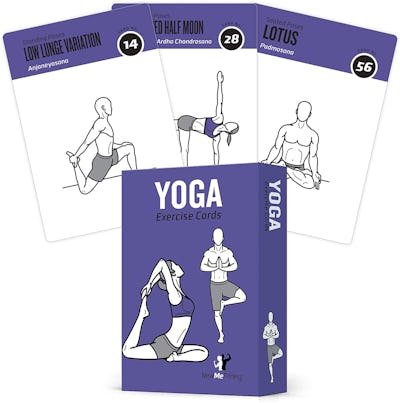
In fact, I’ve done my best to make sure this list is filled with items you likely haven’t seen before. Case in point? Let me direct your attention to the dimmer sheets made for your alarm clock. Not only do they make way-too-bright clock faces darker for sleeping, but they stay attached using natural static cling — not adhesive. But if that isn’t enough, there are also yoga cards to help you stretch out before bed, blackout curtains for sunny rooms, and even pillows infused with cooling gel to help you stay chilly and feeling refreshed.

You can never go wrong getting your full eight hours of sleep, and these brilliant products on Amazon can help make sure you peacefully nod off every night. Keep scrolling to check out some of my favorites.

ELGEAR Cooling Throw Blanket

https://3f81ad841a701dda73c7e875fdeefbec.safeframe.googlesyndication.com/safeframe/1-0-37/html/container.html

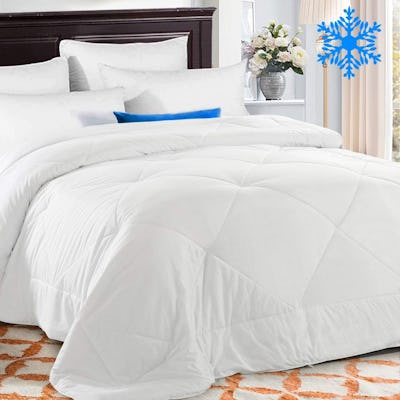
TEKAMON Quilted Down Comforter
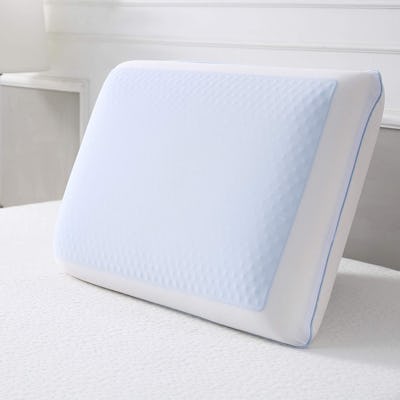
Classic Brands Reversible Cool Gel and Memory Foam Pillow
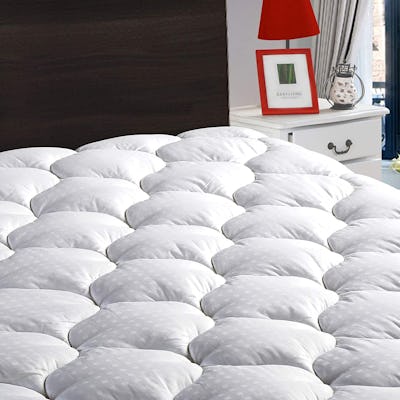
LEISURE TOWN Cooling Mattress Topper
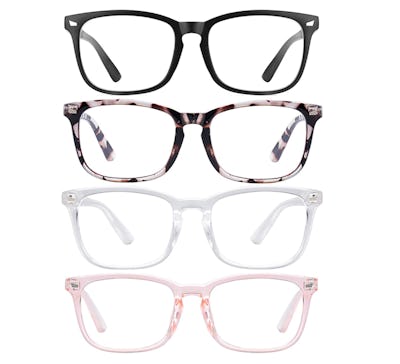
WMAO Blue Light Blocking Glasses (4-Pack)
Ewedoos Yoga Mat
NewMe Fitness Yoga Cards
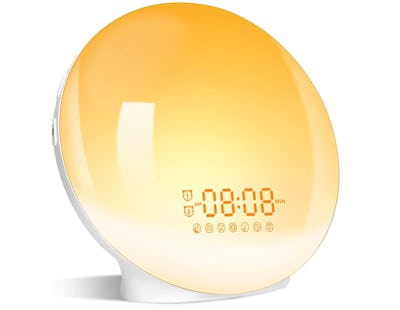
LBell Wake- Up Light
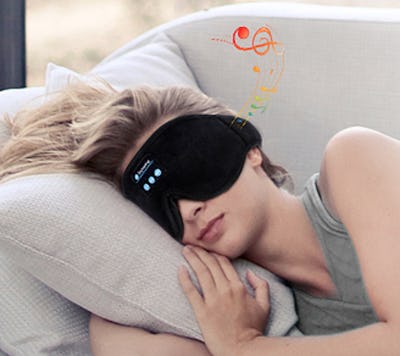
LC-dolida Sleep Headphones

https://3f81ad841a701dda73c7e875fdeefbec.safeframe.googlesyndication.com/safeframe/1-0-37/html/container.html

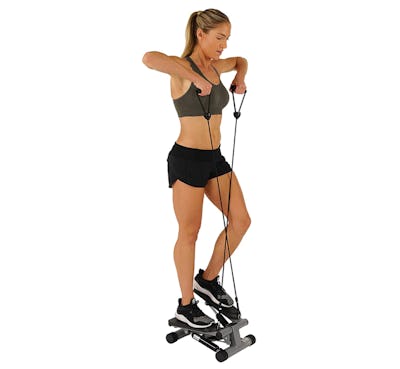
Sunny Health & Fitness Mini Stepper with Resistance Bands
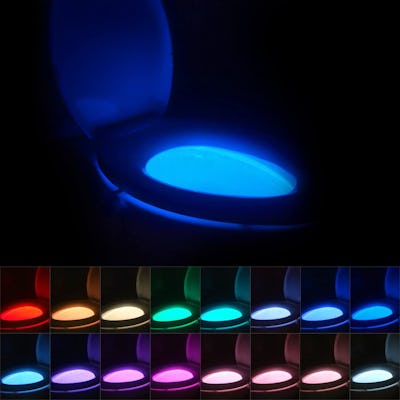
Witshine Rechargeable Toilet Bowl Night Light
Vansky Motion Activated Bed Light

https://3f81ad841a701dda73c7e875fdeefbec.safeframe.googlesyndication.com/safeframe/1-0-37/html/container.html

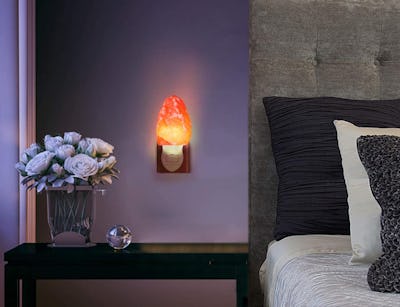
Spantik Himalayan Salt Night Lights (2-Pack)
NICETOWN Thermal Insulated Blackout Curtains
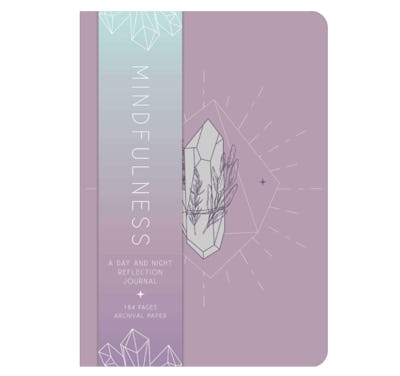
Mindfulness: A Day and Night Reflection Journal
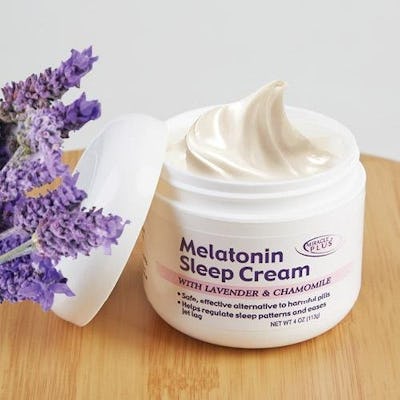
Concept Laboratories Melatonin Sleep Cream With Lavendar & Chamomile
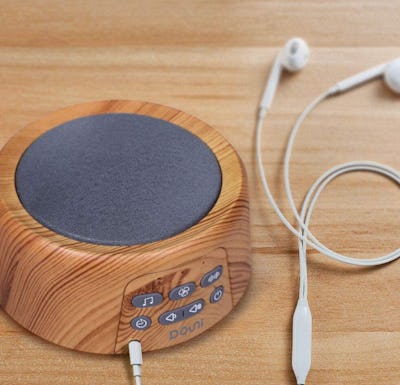
Douni Sleep Sound Machine

https://3f81ad841a701dda73c7e875fdeefbec.safeframe.googlesyndication.com/safeframe/1-0-37/html/container.html

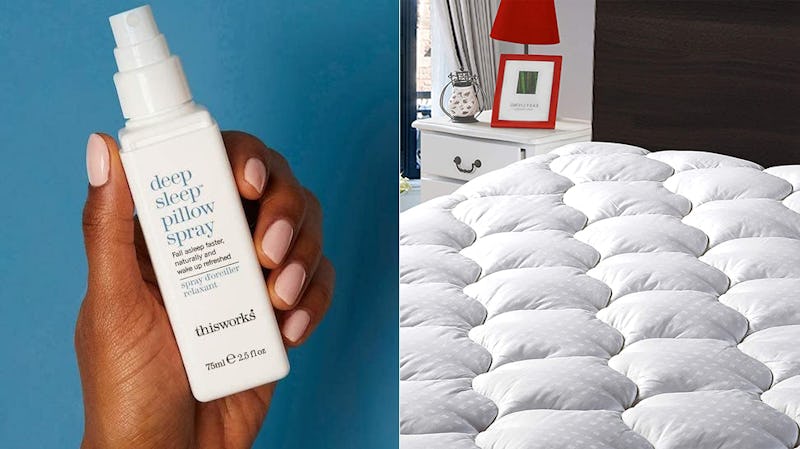
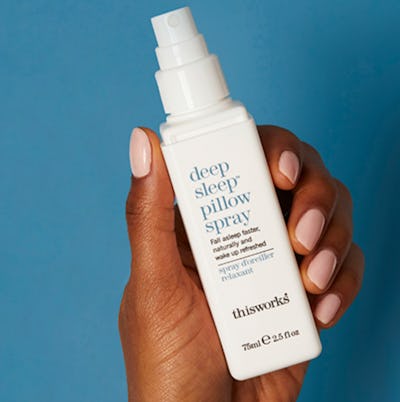
This Works Deep Sleep Pillow Spray
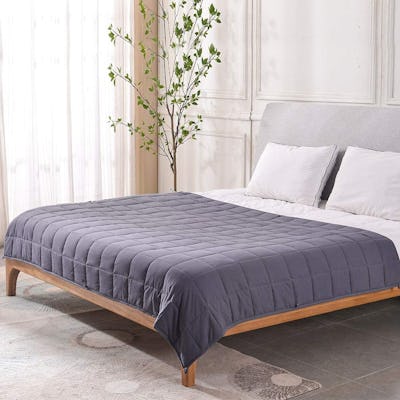
AN Cooling Weighted Blanket
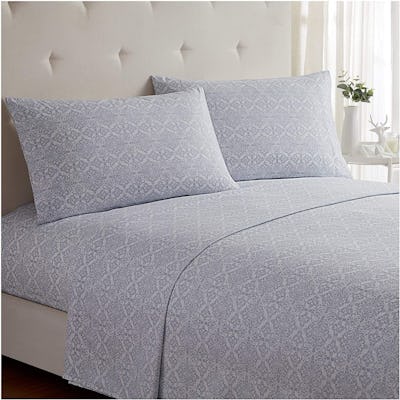
Mellanni Microfiber Bed Sheets (4-Pieces)

https://3f81ad841a701dda73c7e875fdeefbec.safeframe.googlesyndication.com/safeframe/1-0-37/html/container.html

InYourNature Shower Steamers (6-Pack)
ONYMOLY I'm Lavender Lullaby Sleep Mask
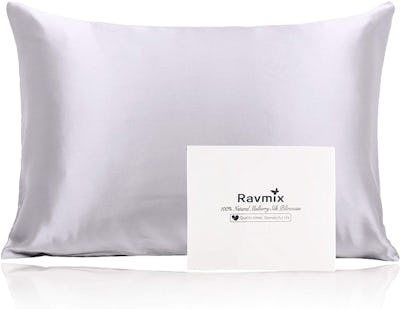
Ravmix Mulberry Silk Pillow Case
Raytour Bed Sheet Holder Straps
Contour Leg & Knee Foam Support Pillow

https://3f81ad841a701dda73c7e875fdeefbec.safeframe.googlesyndication.com/safeframe/1-0-37/html/container.html

Abco Tech Bed Wedge Pillow
Eheyciga Blanket Sweatshirt
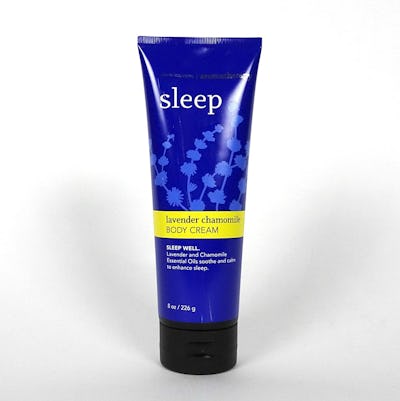
Bath & Body Works Bath & Body Works Aromatherapy Sleep Lavender Chamomile Body Cream

https://3f81ad841a701dda73c7e875fdeefbec.safeframe.googlesyndication.com/safeframe/1-0-37/html/container.html

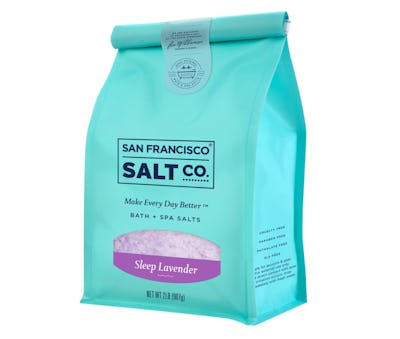
San Francisco Salt Company Sleep Lavender Bath Salts
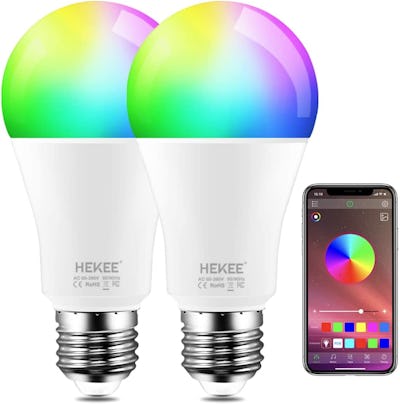
ILC Smart Light Bulbs (2-Pack)
Dim It Light Dimming Sheets

https://3f81ad841a701dda73c7e875fdeefbec.safeframe.googlesyndication.com/safeframe/1-0-37/html/container.html

Lasko Portable Electric Oscillating Tower Fan
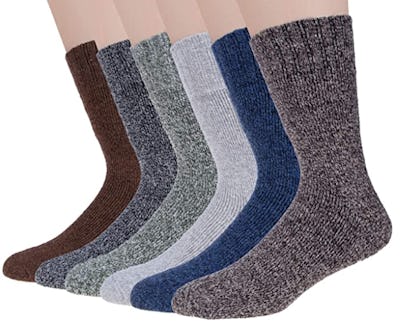
Loritta Wool Socks (6-Pack)

https://3f81ad841a701dda73c7e875fdeefbec.safeframe.googlesyndication.com/safeframe/1-0-37/html/container.html

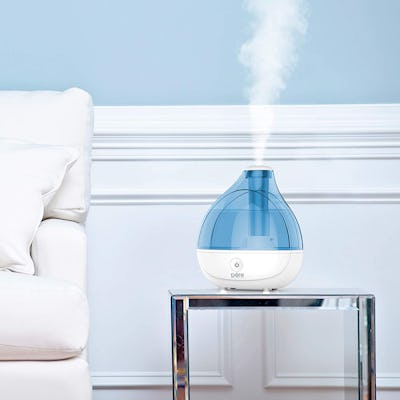
Pure Enrichment Ultrasonic Cool Mist Humidifier
PAVILIA Fleece Robe
Enjoy Holiday 1981 Silk Bonnet Sleep Cap

https://3f81ad841a701dda73c7e875fdeefbec.safeframe.googlesyndication.com/safeframe/1-0-37/html/container.html

TEECOO Flameless Candles (3-Pack)
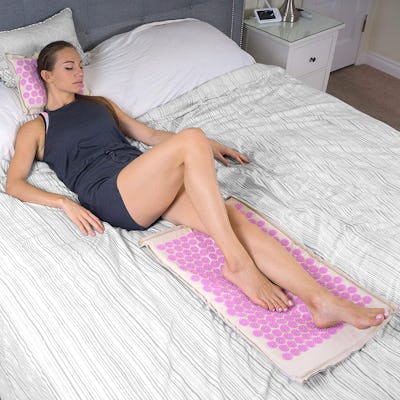
ProsourceFit Acupressure Mat and Pillow Set

Style

10 Affordable Home Upgrades From The ‘Queer Eye’ Collection At Walmart

From writing desks to midcentury-style dining sets.

WalmartBy Kate MarinAug. 24, 2020

We’re spending more time at home than ever — working, studying, cooking, and relaxing — and realizing the importance of having a truly functional living space. Whether it’s time to invest in a dining room table now that you’re eating all three meals at home or you’re hoping to create a small workspace to get you off the couch, our changing reality has redefined what it means to have a livable home.

Just in time to fill those furnishing voids comes Walmart’s latest home collaboration with our favorite style curators, the creators of Queer Eye. Elevated and design-centric, this collection makes achieving an expertly-furnished home affordable and effortless, no matter what space you’re hoping to upgrade. Ahead, check out our 10 favorite pieces and explore the full collection here.

We only recommend products we love and that we think you will, too. We may receive a portion of sales from products purchased from this article, which was written by our Branded team.