https://scitechdaily.com/landmark-study-sequencing-of-64-full-human-genomes-to-better-capture-genetic-diversity/

Landmark Study: Sequencing of 64 Full Human Genomes to Better Capture Genetic Diversity

TOPICS:BioinformaticsDNAGeneticsMolecular BiologyUniversity Of MarylandUniversity Of Maryland School Of Medicine

By UNIVERSITY OF MARYLAND SCHOOL OF MEDICINE FEBRUARY 27, 2021

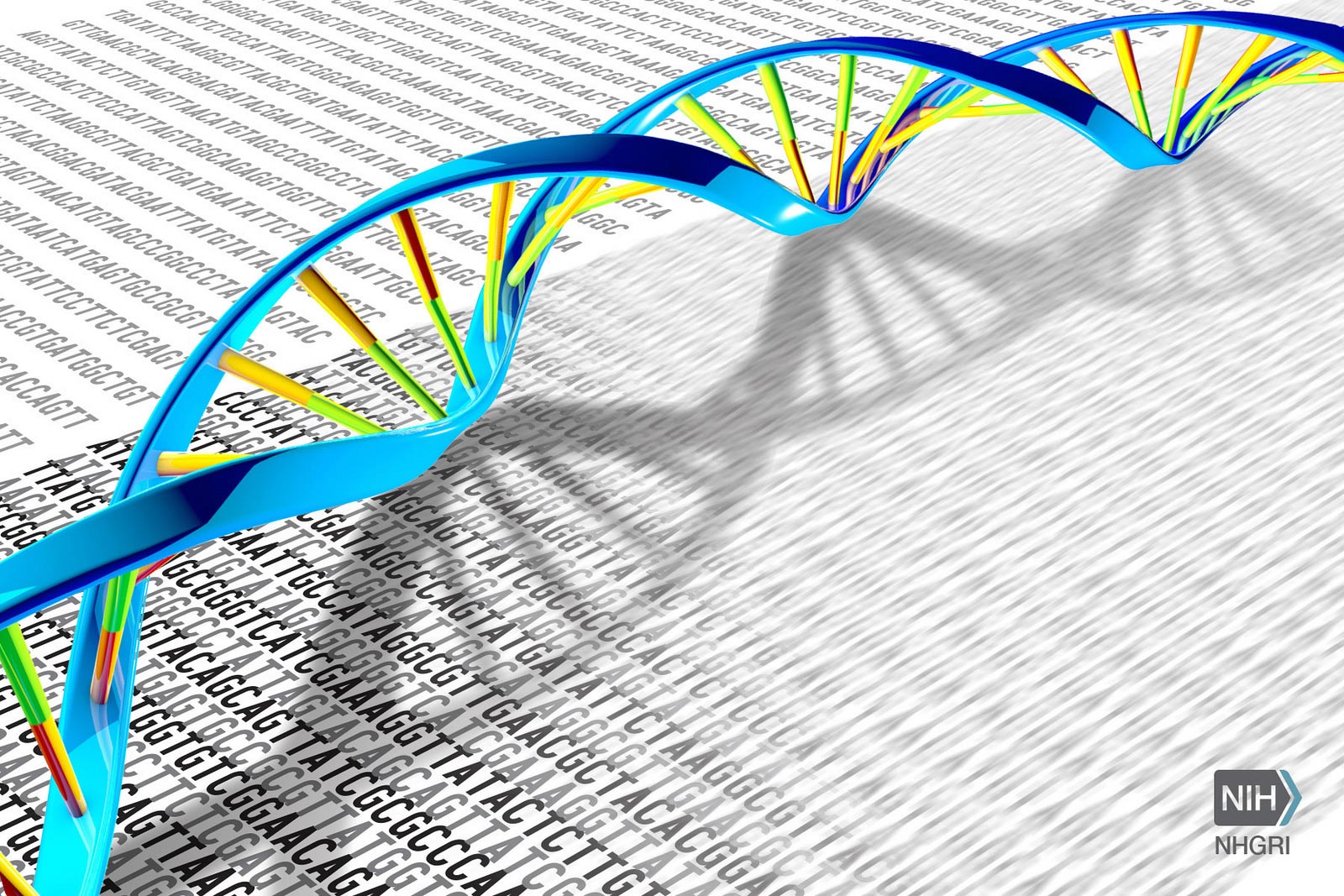
Structure of Genome. Credit: NIH

64 Human Genomes Sequenced Will Serve as New Reference for Genetic Variation and Predisposition to Human Diseases

Researchers at the University of Maryland School of Medicine (UMSOM) co-authored a study, published today in the journal Science, that details the sequencing of 64 full human genomes. This reference data includes individuals from around the world and better captures the genetic diversity of the human species. Among other applications, the work will enable population-specific studies on genetic predispositions to human diseases as well as the discovery of more complex forms of genetic variation. 

Twenty years ago this month, the International Human Genome Sequencing Consortium announced the first draft of the human genome reference sequence. The Human Genome Project, as it was called, required 11 years of work and involved more than 1000 scientists from 40 countries. This reference, however, did not represent a single individual, but instead was a composite of humans that could not accurately capture the complexity of human genetic variation.

Building on this, scientists have conducted several sequencing projects over the last 20 years to identify and catalog genetic differences between an individual and the reference genome. Those differences usually focused on small single base changes and missed larger genetic alterations. Current technologies now are beginning to detect and characterize larger differences – called structural variants – such as insertions of new genetic material. Structural variants are more likely than smaller genetic differences to interfere with gene function.

The new finding in Science announced a new and significantly more comprehensive reference dataset that was obtained using a combination of advanced sequencing and mapping technologies. The new reference dataset reflects 64 assembled human genomes, representing 25 different human populations from across the globe. Importantly, each of the genomes was assembled without guidance from the first human genome composite. As a result, the new dataset better captures genetic differences from different human populations.

“We’ve entered a new era in genomics where whole human genomes can be sequenced with exciting new technologies that provide more substantial and accurate reads of the DNA bases,” said study co-author Scott Devine, PhD, Associate Professor of Medicine at UMSOM and faculty member of IGS. “This is allowing researchers to study areas of the genome that previously were not accessible but are relevant to human traits and diseases.”

Institute of Genome Science (IGS)’s Genome Resource Center (GRC) was one of three sequencing centers, along with Jackson Labs and the University of Washington, that generated the data using a new sequencing technology that was developed recently by Pacific Biosciences. The GRC was one of only five early access centers that was asked to test the new platform.

Dr. Devine helped to lead the sequencing efforts for this study and also led the sub-group of authors who discovered the presence of “mobile elements” (i.e., pieces of DNA that can move around and get inserted into other areas of the genome). Other members of the Institute for Genome Sciences (IGS) at the University of Maryland School of Medicine are among the 65 co-authors. Luke Tallon, PhD, Scientific Director of the Genomic Resource Center, worked with Dr. Devine to generate one of the first human genome sequences on the Pacific Bioscences platform that was contributed to this study. Nelson Chuang, a graduate student in Dr. Devine’s lab also contributed to the project.

“The landmark new research demonstrates a giant step forward in our understanding of the underpinnings of genetically-driven health conditions,” said E. Albert Reece, MD, PhD, MBA, Executive Vice President for Medical Affairs, UM Baltimore, and the John Z. and Akiko K. Bowers Distinguished Professor and Dean, University of Maryland School of Medicine. “This advance will hopefully fuel future studies aimed at understanding the impact of human genome variation on human diseases.”

Reference: “Haplotype-resolved diverse human genomes and integrated analysis of structural variation” by Peter Ebert, Peter A. Audano, Qihui Zhu, Bernardo Rodriguez-Martin, David Porubsky, Marc Jan Bonder, Arvis Sulovari, Jana Ebler, Weichen Zhou, Rebecca Serra Mari, Feyza Yilmaz, Xuefang Zhao, PingHsun Hsieh, Joyce Lee, Sushant Kumar, Jiadong Lin, Tobias Rausch, Yu Chen, Jingwen Ren, Martin Santamarina, Wolfram Höps, Hufsah Ashraf, Nelson T. Chuang, Xiaofei Yang, Katherine M. Munson, Alexandra P. Lewis, Susan Fairley, Luke J. Tallon, Wayne E. Clarke, Anna O. Basile, Marta Byrska-Bishop, André Corvelo, Uday S. Evani, Tsung-Yu Lu, Mark J.P. Chaisson, Junjie Chen, Chong Li, Harrison Brand, Aaron M. Wenger, Maryam Ghareghani, William T. Harvey, Benjamin Raeder, Patrick Hasenfeld, Allison A. Regier, Haley J. Abel, Ira M. Hall, Paul Flicek, Oliver Stegle, Mark B. Gerstein, Jose M.C. Tubio, Zepeng Mu, Yang I. Li, Xinghua Shi, Alex R. Hastie, Kai Ye, Zechen Chong, Ashley D. Sanders, Michael C. Zody, Michael E. Talkowski, Ryan E. Mills, Scott E. Devine, Charles Lee, Jan O. Korbel, Tobias Marschall and Evan E. Eichler, 25 February 2021, Science.
DOI: 10.1126/science.abf7117

We recommend

  1. Zoonomia Project: Largest Set of Mammalian Genomes Reveals Species at Risk of ExtinctionMike O’Neill, SciTechDaily, 2020
  2. New Research Shows Vocalizing Birds Could Tell Us More About Speech DisordersJames Kelly, SciTechDaily, 2014
  3. Researchers Complete Genome Sequence of a Denisovan Human Finger BoneStaff, SciTechDaily, 2012
  4. Genome Data Shows Ancient Egyptian Mummies Closely Related to Ancient Populations from the Near EastJames Kelly, SciTechDaily, 2017
  5. Landmark Achievement for Genomics Researchers: First Complete Assembly of Human X ChromosomeMike O’Neill, SciTechDaily, 2020
  1. Domestication of Campylobacter jejuni NCTC 11168Ben Pascoe et al., Microb Genom, 2019
  2. U of Maryland Team Developing Biosensor for Early Detection of SARS-CoV-2 InfectionLeo O’Connor et al., 360Dx, 2020
  3. Nuclear and mitochondrial genome sequencing of North-African Leishmania infantum isolates from cured and relapsed visceral leishmaniasis patients reveals variations correlating with geography and phenotypeGiovanni Bussotti et al., Microb Genom, 2020
  4. How a Popular Probiotic Benefits the GutBy Staff, US Pharmacist, 2015
  5. NCI-MATCH Patients With AKT1-Mutated Cancers Respond Well to AstraZeneca DrugPrecision Oncology News, 2018

https://insideevs.com/news/491113/watch-hot-wheels-tesla-cybertruck-doing-donuts/

Watch Sold Out Hot Wheels RC Tesla Cybertruck Do Donuts and Jumps

https://www.youtube.com/embed/-ZMDKGYkHfcFeb 27, 2021 4m ago0+

Michael Cantu

By: Michael Cantu

And you can win one.

About a year ago Tesla Cybertruck fans could preorder a Hot Wheels RC Tesla Cybertruck, and some people have already received it. Although, some RC Cybertrucks have been found at Target recently, as you can see below. https://platform.twitter.com/embed/Tweet.html?dnt=false&embedId=twitter-widget-0&frame=false&hideCard=false&hideThread=false&id=1365061323122302977&lang=en&origin=https%3A%2F%2Finsideevs.com%2Fnews%2F491113%2Fwatch-hot-wheels-tesla-cybertruck-doing-donuts%2F&siteScreenName=InsideEVs&theme=light&widgetsVersion=889aa01%3A1612811843556&width=550px

Tesla teamed up with Hot Wheels to make two RC Cybertrucks, a small 1:64 scale version, and a larger 1:10 scale version. 

Youtuber Tesla Raj bought two of the small ones and says the larger one isn’t out yet. He plays epic music while unboxing and playing with the RC Cybertruck. He explains how all you need to do is hit the joystick left or right to do an infinite about of donuts, or at least until the batteries run out. Below is more video of the RC Cybertruck in action. https://platform.twitter.com/embed/Tweet.html?dnt=false&embedId=twitter-widget-1&frame=false&hideCard=false&hideThread=false&id=1365108247414202372&lang=en&origin=https%3A%2F%2Finsideevs.com%2Fnews%2F491113%2Fwatch-hot-wheels-tesla-cybertruck-doing-donuts%2F&siteScreenName=InsideEVs&theme=light&widgetsVersion=889aa01%3A1612811843556&width=550px

Speaking of batteries, the remote control requires 4 AA batteries and charges the little Cybertruck. Besides the joysticks, there is a button to pair the remote to the truck, alignment buttons, and a boost button that makes the Cybertruck go faster. 

Tesla Raj says the Hot Wheels RC Cybertruck costs $20, and it’s the best $20 he’s spent in a long time. He didn’t say what Target store he found it at and says only select Targets have it. I searched for it on Target.com and only found Nissan GT-R and Roger Dodger versions. So there’s a chance it’s sold out. 

It appears someone in Giga Texas also got one:https://platform.twitter.com/embed/Tweet.html?dnt=false&embedId=twitter-widget-2&frame=false&hideCard=false&hideThread=false&id=1365705826162343938&lang=en&origin=https%3A%2F%2Finsideevs.com%2Fnews%2F491113%2Fwatch-hot-wheels-tesla-cybertruck-doing-donuts%2F&siteScreenName=InsideEVs&theme=light&widgetsVersion=889aa01%3A1612811843556&width=550px

If you want one for yourself, Tesla Raj will pick a winner in about a week. So check out his video for a chance to win.

https://www.psychologytoday.com/us/blog/the-athletes-way/202102/newfound-benefits-stimulating-the-cerebellum-13-hz

Christopher Bergland

The Athlete’s Way

Newfound Benefits of Stimulating the Cerebellum at 13 Hz

Beta-frequency (13 Hz) deep brain stimulation of the cerebellum may help ataxia.

Posted Feb 27, 2021

 Life Sciences Databases/Creative Commons (CC-BY-SA-2.1-jp)

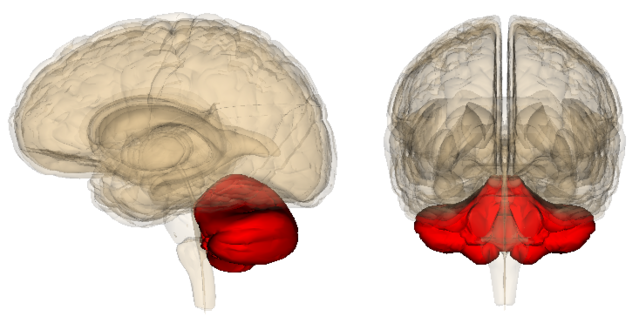
Cerebellum (Latin for “little brain”) in red. Cerebellar means “related to the cerebellum.”Source: Life Sciences Databases/Creative Commons (CC-BY-SA-2.1-jp)

  • Beta-frequency deep brain stimulation (DBS) into the cerebellum improves motor movement and coordination in mice with ataxia-like deficits, a new study reports.
  • 13 Hz deep brain stimulation delivered to the cerebellum improves coordinated muscle movements in a mouse model (Car8) of hereditary ataxia.
  • Cerebellar DBS normalizes muscle activity during locomotion and induces long-lasting motor benefits in Car8 mice.
  • Combining physical activity on a treadmill with DBS at 13 Hz into the cerebellum enhanced this treatment’s efficacy.

Ataxia describes the lack of voluntary muscle control required to perform coordinated movements. In Greek, “a táxis” means “without coordination,” which is the root of the medical term “ataxia.” Because the so-called “little brain” plays a vital role in coordinating voluntary movements, ataxia and cerebellar dysfunctions—or damage to certain regions of the cerebellum—tend to go hand in hand.

As a neurodegenerative disease, ataxia results in the progressive loss of someone’s ability to perform fluid and coordinated movements with their legs, arms, hands, fingers, eyes, etc. Complications from ataxia can be debilitating and, in some cases, lead to premature death.

New research in mice shows promise for rescuing coordinated movements in a mouse model (Car8) of ataxia using deep brain stimulation into the cerebellum’s nuclei at a beta-wave frequency of 13 Hz. This peer-reviewed study (Miterko et al., 2021) was published on February 26 in the open-access journal Nature Communications.

This study was conducted by a team of researchers at Baylor College of Medicine and Texas Children’s Hospital led by first author Lauren Miterko, a postdoctoral fellow in Roy Sillitoe’s lab at Baylor.

“Here, we demonstrate the potential benefits of DBS in a model of ataxia by targeting the cerebellum, a major motor center in the brain,” the authors explain. “We use the Car8 mouse model of hereditary ataxia to test the potential of using cerebellar nuclei DBS plus physical activity to restore movement.”

Notably, this DBS treatment was greatly enhanced when the 13 Hz cerebellar stimulation was administered while the genetically engineered mice with an ataxia-like condition were “waddling” on a treadmill. “We show that cerebellar DBS restores motion in ataxia and that the rescue of motor behavior was the greatest when the treatment is paired with exercise and starts early after the onset of ataxia,” the authors note in the paper’s introduction.article continues after advertisement

“We first targeted the cerebellum because it’s a primary motor center in the brain, and this target location for DBS has seen encouraging success for treating motor problems that are associated with other conditions, such as a stroke,” Miterko said in a news release. “We systematically targeted the cerebellum with different frequencies of DBS and determined whether there was an optimal frequency that would boost the efficacy of the treatment. When we used a particular frequency, 13 Hz, that was when motor function improved in our Car8 mice.”

“We know that exercise, in general, can benefit both muscle and neuronal health, and previous work in Parkinson’s disease and stroke patients mentioned that neuromodulation techniques combined with physical stimulation showed benefits, so we decided to include exercise in our investigation,” Miterko added. “We found that when the [Car8 mice] received DBS during exercise on a treadmill, there were improvements in motor coordination and stepping that we had not observed with deep brain stimulation alone.”

Interestingly, for the combination of 13 Hz stimulation into the cerebellum combined with physical activity to rescue movement and coordination in a mouse model of ataxia, the mice needed well-functioning Purkinje cells.

The researchers found that genetically eliminating Purkinje cell neurotransmission from the cerebellum up to the cerebral cortex via the cerebello-thalamo-cortical pathway blocked the ability of cerebellar DBS to reduce ataxia. “One of our goals is to further elucidate the role Purkinje cells play in recovering from ataxia,” coauthor Meike van der Heijden said in the news release.

Side note: This particular aspect of the study stood out to me as an athlete because I’ve long associated robust Purkinje cell functions with the optimization of perfectly-timed motor movements and the “superfluid” muscle coordination required for peak performance in sports. On a continuum, ataxia and superfluidity are on opposite ends of the spectrum. (See “My Decades-Long Quest to Decode a Quirky ‘Super 8’ Brain Map.”)article continues after advertisement

From my perspective, another particularly eye-opening aspect of Miterko et al.’s latest paper is that stimulating the cerebellar nuclei at 0, 2, 13, and 130 Hz frequencies seems to support distinct aspects of cerebro-cerebellar circuit function.

“For instance, delta- and theta-frequencies between 1 and 9 Hz promote cerebellar learning at climbing fiber-to-Purkinje cell as well as parallel fiber-to-Purkinje cell synapses,” the authors explain. “In contrast, beta-frequencies from 10 to 30 Hz facilitate communication in the cerebello-thalamo-cortical pathway, and higher frequencies between 30 and 260 Hz promote scaling, planning, and neural synchronization.”

“We are particularly excited about the results of this study because it may be possible to extrapolate our approach for treating not only other motor diseases, but perhaps also non-motor neuropsychiatric conditions,” senior author Roy Sillitoe concluded.

Increasingly, motor and non-motor functions of the cerebellum are being recognized and researched. It will be interesting to see if future studies identify any specific cognitive implications associated with stimulating the human cerebellum at a beta-frequency of 13 Hz.

References

Lauren N. Miterko, Tao Lin, Joy Zhou, Meike E. van der Heijden, Jaclyn Beckinghausen, Joshua J. White & Roy V. Sillitoe. “Neuromodulation of the Cerebellum Rescues Movement in a Mouse Model of Ataxia.” Nature Communications (First published: February 26, 2021) DOI: 10.1038/s41467-021-21417-8

https://mobilesyrup.com/2021/02/22/elon-musk-tesla-solar-roof-canada-2021/

Elon Musk says Tesla’s Solar Roof will be available to Canadians in 2021

It’s unclear when the panels will release in 2021 By Brad Bennett@thebradfadFEB 22, 2021 5:31 PM ES

Continuing the Canadian Solar Roof saga, Tesla CEO Elon Musk told a user on Twitter that the upcoming roofing material would be available in Canada at some point in 2021. This lines up with earlier reports from the end of 2020 claiming Telsa was looking to hire an employee in Canada to work for the Solar Roof company. Beyond that, we don’t know when the product will launch. The only other news Musk dropped in the thread was that the project is hopefully coming to Europe this year as well. This news follows last week’s video of snow sliding and melting off of a Solar Roof much faster than comparably shingled roofs. In reference to that clip, Musk says that Tesla Solar Tiles are “slightly hydrophobic, so water, snow or ice slide off easily.” Keep in mind that this is just a tweet and that Elon Musk has a history of offering inaccurate product release timelines. That said, there are ten months left in the year, so that’s a pretty substantial release window. Source: Elon Musk Via: Tesla North 

https://www.insidehook.com/article/health-and-fitness/magnesium-helps-sleep

Will Drinking Magnesium Help You Fall Asleep Faster?

The mineral might be able to cure your “coronasomnia”

magnesium for sleep

Helin Loik-Tomson/Getty Images

BY TANNER GARRITY@TANNERGARRITY

In a normal year, America’s best sleepers average more than eight hours of slumber. They’re in bed by 10:45 p.m., they don’t snore, they know not to drink caffeine after lunch or eat a snack after dinner. This rare, blessed breed wake up every day in a mood that is statistically happier than the rest of the country.

But even they have struggled over the last 12 months. The pandemic has utterly upended sleep routines; early research has pointed to quarantine habits that destabilize circadian rhythms, like an uptick in screentime or a downswing in time spent outside. With gym routines disrupted, meanwhile, many are either exercising less — which isn’t ideal, physical movement throughout the day is a great way to beat insomnia — or are perhaps forced to exercise in the same room where they sleep, which can contribute to poor sleep hygiene.

And what felt like a small win a year ago (no more commuting!) has long since faded. As The Economist pointed out, we’re not exactly putting those extra hours to good use in the WFH era. We’re just working later. This has all created a punishing cycle rife with crazy dreamscracked jaws and nicknames no one asked for, like “coronasomnia.”

A quality kip starts with an ideal sleep latency, which is the amount of time it takes you to make the leap from wakefulness to sleep. The right place to be is 10 to 20 minutes. Don’t be so impressed by your family member or friend who can accomplish it in five minutes or less. Good for them for having such an uncluttered brain, but any transition that short is probably a sign of pathologic sleepiness.

insomnia
No one is good at sleeping this yeardannyg/Unsplash

The pandemic has made acute insomniacs of us all. In order to avoid those punching-the-pillow episodes, it helps to A) have a reliable wind-down routine, as sleep thrives on predictability, and B) think outside the box a bit. The first point is straightforward: head to bed at the same time every night, try to keep your phone out of the bedroom, make sure your environment is dark, cool and comfortable. To the latter point, though, it can help to recruit some “outside help.”

From an OTC perspective, for most people, that could mean a boost of melatonin. On nights where I’m worried about falling asleep, I’ll generally take 3mg of melatonin as a fail-safe. Sometimes I’ll just put it on my nightstand with the intention of taking it, and wake up with it still there, having fallen asleep after all. It’s a hormonal solution, so melatonin is a pretty overt way to address sleep. There are some concerns with the habit, though. You don’t want to develop a dependency on taking that extra dose (the body is supposed to produce melatonin during the day), and sometimes, it makes dreams even crazier. Like, “Do my dreams usually involve that much blood?” crazier.

An alternative solution to manipulating sleep-wake timing? Directly relax the body. That can be achieved with another chemical that starts with an “m” … magnesium. I didn’t know much about magnesium before I tried it in supplement form. I knew it was a mineral, that you could find it on the periodic table, and that certain fish have a ton of it. But in the most basic sense, magnesium supports muscle function. People with low magnesium levels are likely to experience fatigue and muscle weakness.

While Americans could stand to eat more magnesium-rich foods, it’s pretty rare to be medically deficient in magnesium. Supplemental magnesium, then, is largely used as a way to activate the parasympathetic nervous system. In other words: magnesium binds to specific receptors, which sends signals to the body to calm down. It makes sense — people with lower levels of magnesium often experience twitches or cramps. That’s one reason the mineral has been used to address restless leg syndrome.

calm magnesium
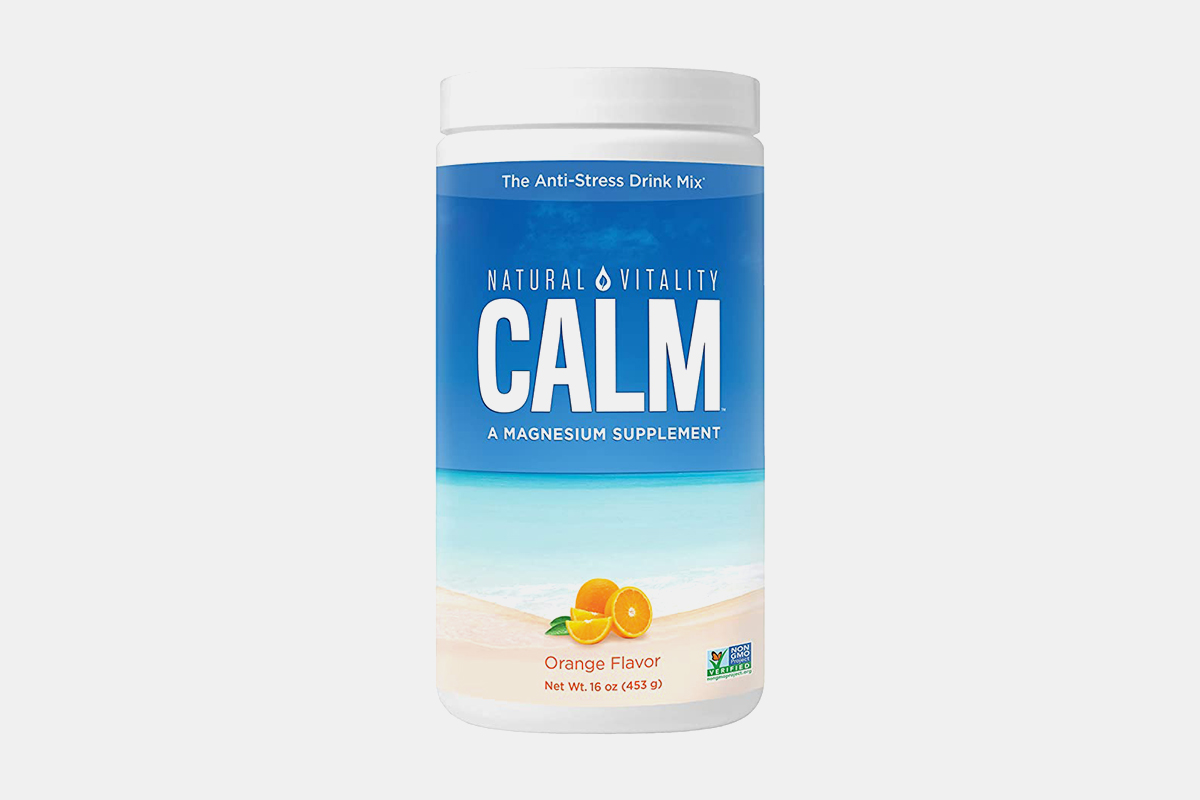
Our magnesium supplement of choice.Calm

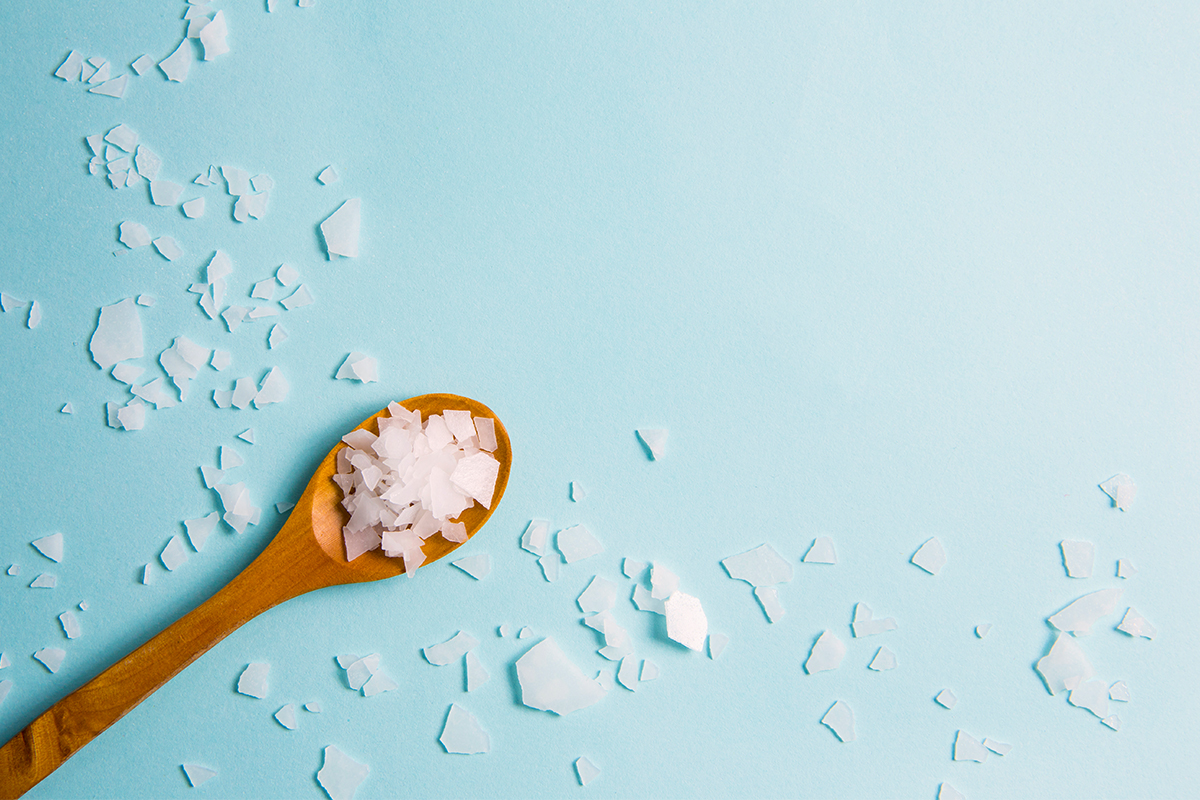
How does this relate to your crap pandemic sleep? Well, it’s worth your time to start mixing a teaspoon of magnesium with warm water just before bed. I’ve been on that grind for a couple months now. Here’s my six-year-old’s review of the sensation it yields: it makes my arms and legs heavy. Seriously. I feel satisfyingly sluggish after I take a bit of magnesium. It doesn’t make me sleepy, but it puts me in a state that is conducive to sleep.

There are some parameters, of course. You don’t want to take more than the daily allotment of 350 milligrams. Even approaching that level could mess with your bowels. We’ll leave it at that. But I’ve found that a teaspoon of magnesium powder (which is half that amount) is enough to usher in some relaxation. If you’d rather not drink it, magnesium gummies exist. But I will happily vouch for Calm’s powder mixture.

It’s the routine of taking magnesium, not just the mineral, that helps put me in the right mood. Making it at the same time every night, sipping the warm glass, hopping in the shower after. It’s brought a routine back to the end of my days, at a time when I sorely need it; the fact that my muscles get all cozy is a hell of a bonus.

As someone who diligently tracks his sleep biometrics (look into WHOOP or Oura, if that’s on your to-do list this year), I can confidently say that Calm has played a role in optimizing my sleep latency. My days are still super stressful — I’m feeling the effects of isolation and burnout like everyone else — but my nights have gotten a bit more predictable.

There’s an old tip for insomniacs: starting with your feet, and progressing all the way up to your shoulders, imagine each of your muscles heavy and sinking into the bed, until you feel relaxed enough to fall asleep. That game is a little easier with a little magnesium.

https://www.psychologytoday.com/us/blog/biohack-your-brain/202102/how-social-isolation-and-loneliness-impact-brain-function


How Social Isolation and Loneliness Impact Brain Function

Imaging studies reveal neural correlates of social isolation and loneliness.

Posted Feb 21, 2021

THE BASICS

MT-R/ Shutterstock

A mother and daughter socially isolated due to quarantine from Coronavirus Covid-19Source: MT-R/ Shutterstock

Key Points:

•Acute social isolation evokes a ‘craving’ response to social cues.

•Social isolation enacts a unique “neural signature” in the brain. 

•People who report loneliness or social isolation experience more activity in the default mode network, perhaps reflecting greater self-focus. 

•A range of online as well as solo activities can combat loneliness and increase social engagement.

In March of 2020, over 316 million Americans (96 percent) were quarantined to prevent the spread of SARS-CoV-2.  Eleven months into the pandemic, we are now dealing with a second “silent” epidemic brought about by social isolation.  While quarantine and social distancing have been necessary to prevent the virus from spreading, the adverse health effects can bring up feelings of loneliness, which can profoundly impact our mental health and well-being. According to the CDC, social isolation not only increases the risk of psychiatric disorders but can increase vulnerability to dementia by up to 50 percent.1 Furthermore, loneliness due to social isolation can affect our physical health resulting in decreased immune function, sleep disturbances, cardiovascular disease, hypertension, stroke, metabolic disorders, and is a risk factor for mortality in older populations.

As we begin to gain a deeper understanding of how prolonged social isolation and loneliness impact our psychological and neurological health, two new neuroimaging studies published in Nature Neuroscience and Nature Communications add new insights into their neurobiological correlates.

How forced social isolation affects brain activity

This question was addressed prior to the pandemic by lead author Dr. Livia Tomova in the Department of Brain and Cognitive Sciences at MIT, and her colleagues, who studied the effect of social isolation on the brain in a group of 40 healthy, socially connected adults (ages 18-40).2 The goal was to see if they could create an experimentally induced experience of social isolation to determine which brain regions are involved in driving the need for social interaction.  The participants were asked to spend 10 hours socially isolated in a room with no media or individuals to interact with.  The same participants also underwent 10 hours of food fasting.  Each participant had functional magnetic resonance imaging (fMRI) at baseline, after the task (10 hr. social isolation or 10 hr. fasting), and after a cue (social cue, food cue, neutral cue). 

They found that an acute period of social isolation followed by a cue to trigger social connectedness (i.e., an image of people engaged in their favorite social activity) resulted in increased activity of the dopaminergic midbrain neurons, which are involved in cravings and reward.  This was the same region that was activated for food cravings.  This region was not activated when a neutral cue was involved.article continues after advertisement

The novel finding from this study is that depriving a social need evokes a neural signature of social craving in a similar region (substantia nigra/ventral tegmental area) that responds to food cues when hungry.  Thus, people who are forced to be socially isolated crave social interactions the way a hungry person craves food.

The default mode network is associated with perceived social isolation

Research conducted by Dr. Nathan Spreng in the Department of Neurology and Neurosurgery at McGill University, and colleagues, studied perceived social isolation, or loneliness, using MRI to investigate differences in brain volume and intrinsic functional connectivity in 40,000 participants from the UK Biobank imaging-genetics cohort.3  They discovered increased intra-network connectivity and brain volume in the default mode network, a set of brain regions involved in future planning, reminiscing, imagination, and creative thought, in those who reported feeling lonely.  This finding suggests that those who are feeling lonely may become more inwardly focused with a heightened sense of self-reflection and mentalizing to fill the social void and overcome the feeling of isolation.

Taken together, these two studies illustrate 1) that acute social isolation evokes a ‘craving’ response to social cues and 2) loneliness has a unique neural signature.

Eight strategies for coping with loneliness and strengthening social engagement

Social connection is a core psychological need essential to our health and well-being.  The requisite social distancing from the pandemic has left many of us feeling lonely and isolated and looking for ways to adapt and become more resilient during this time. In closing, here are eight ways to ease the feeling of loneliness and enhance social engagement with our loved ones and community.

1. Start each day with a 5-minute gratitude practice. Take the time to cultivate a gratitude practice, which is an appreciation of something meaningful to you.  Not only will it fortify your emotional health and well-being, but it can also build resilience and coping skills through promoting positive thinking.  Research shows it helps to alleviate anxietydepression, and stress and improves social bonds.4  article continues after advertisementhttps://85c22218851e0af4cd87a601b7dba393.safeframe.googlesyndication.com/safeframe/1-0-37/html/container.html

2. Livestream fitness classes.  Exercise has tremendous benefits on physical and psychological health by reducing stress and uplifting mood.  Participating in zoom classes connects you to a community that can help ease symptoms associated with depression. Whether it’s cardio, pilates, yoga, boxing, dance, weightlifting, or barre, give online fitness classes a try. Physical activity interventions have been shown to influence social health and reduce feelings of loneliness.5

3. Mindfulness-based meditation practice. Mindfulness based-smart phone interventions have been demonstrated to reduce loneliness and increase social contact and engagement.6  You can also work with an online meditation coach or try a guided meditation CD specific to addressing loneliness.

4. Read or listen to audiobooks. Books enrich our sense of the world, spark the imagination, and lead to new ideas and creative inspirations.  Reading helps to enhance empathy and the ability to understand others.  Online book clubs can help foster a sense of community and bonding with those of like interests.

5. Spend time in nature or bring it indoors to you. Cognitive neuroscience research demonstrates that the environment we spend time in can increase or reduce our stress, impacting our overall health and well-being. Nature has been shown to buffer the effect of low social connectedness.7 The addition of a simple plant or flowers in a room can bring on a faster recovery from stress.article continues after advertisementhttps://85c22218851e0af4cd87a601b7dba393.safeframe.googlesyndication.com/safeframe/1-0-37/html/container.html

6. Connect through Zoom dates.  Schedule zoom calls with friends, family, or loved ones.  You can even try Zoom cooking, art, or music classes to connect with a community of like-minded people.

7. Computer-based language training. Learning a new language can connect you with other cultures. This helps to promote thinking skills, mental agility, and building cognitive reserve (i.e., the resilience to neuropathology in the brain). It also enhances self-esteem and improves social behavior.8

8. Cognitive behavior therapy (CBT). Don’t be alone with your thoughts. CBT is an effective way to address mood and anxiety disorders, and research shows that videoconferencing is as effective as in-person sessions.9 Start weekly online sessions with a therapist who can work with you to give you the skills to reduce the obstacles and maladaptive thinking patterns that may be hindering social engagement.

References

1. Loneliness and Social Isolation Linked to Serious Health Conditions. 2020.  https://www.cdc.gov/aging/publications/features/lonely-older-adults.html.

2. Tomova L, Wang KL, Thompson T, et al. Acute social isolation evokes midbrain craving responses similar to hunger. Nat Neurosci 2020;23:1597-605.

3. Spreng RN, Dimas E, Mwilambwe-Tshilobo L, et al. The default network of the human brain is associated with perceived social isolation. Nat Commun 2020;11:6393.

https://www.npr.org/2021/02/27/971958260/scientists-talked-to-people-in-their-dreams-they-answered

Scientists Talked To People In Their Dreams. They Answered

  • Facebook
  • Twitter
  • Flipboard
  • Email

February 27, 20217:54 AM ETHeard on Weekend Edition Saturday

JAMES DOUBEKTwitterLISTEN· 4:574-Minute ListenAdd toPLAYLIST

Researchers studied lucid dreaming.

Virginia State Parks/Flickr

Researchers say two-way communication is possible with people who are asleep and dreaming.

Specifically, with people who are lucid dreaming — that is, dreaming while being aware you’re dreaming.

In separate experiments, scientists in the U.S., France, Germany and the Netherlands asked people simple questions while they slept. Sleepers would respond by moving their eyes or twitching their faces in a certain way to indicate their answers.

“Since the ’80s, we’ve known that lucid dreamers can communicate out of dreams by using these signals,” says Karen Konkoly, a Ph.D. student at Northwestern University who is the first author on the study published this month in Current Biology.

“But we were wondering, can we also communicate in? Can we ask people questions that they could actually hear in their dreams that we could kind of have a more meaningful conversation?”

They were studying rapid-eye-movement sleep, which is the stage of sleep where people dream most vividly. In REM sleep, “every muscle in your body is completely paralyzed, except you can twitch and you can move your eyes,” Konkoly tells Scott Simon on Weekend Edition. “So if you become lucid in a dream and you want to communicate, then when people are dreaming, they just look left-right, left-right, really dramatically. And then we know that they’re communicating out.”Article continues after sponsor message

TECHNOLOGY

Losing Sleep Over The Quest For A Perfect Night’s Rest

Lucid dreaming is not common. So to study it, researchers recruited people who had experience with it and also trained people to try to make lucid dreaming more likely.

Before the participants went to sleep, they were also trained on how to communicate their answers. Special sensors measured people’s eye movements or experts would judge their facial movements.

For example, a typical question would be to ask what is 8 minus 6. A 19-year-old American man was able to respond by moving his eyes left-right, left-right — two times — to signal “2.” Researchers asked the question again, and he moved his eyes the same way two times again.

Out of the 158 trials among 36 participants, about 18% of the time, they were able to give correct answers. In another 18%, it wasn’t clear whether participants were responding or not. They were wrong 3% of the time. Most often, 61%, participants didn’t respond at all.

SHOTS – HEALTH NEWS

Just Move: Scientist Author Debunks Myths About Exercise And Sleep

For the people dreaming, they didn’t always interpret the questions they were hearing as a simple question from researchers. “Sometimes stimuli were perceived as coming from outside the dream, but other times, the stimuli emanated from elements of the dream, contextualized in a way that made sense in relation to ongoing dream content,” the researchers write. One participant “heard the questions transposed over their dream as though it was God talking to them,” Konkoly says.

The researchers write that their findings present “new opportunities for gaining real-time information about dreaming, and for modifying the course of a dream” and “could usher in a new era of investigations into sleep and into the enigmatic cognitive dimensions of sleep.”

Konkoly says there’s the possibility of one day doing a sort of “dream therapy” for talking down people experiencing lucid nightmares.

And if more reliable communication methods can be worked out, it could help people with creative activities and ideas. “People often use lucid dreaming or dreaming for a kind of artistic, creative inspiration,” she says. “But in that dream state, your resources thus far are only the ones that you have in the dream.”

So with the help of an awake person, Konkoly says it could be possible to “combine those logical advantages of wake with the creative advantages of dreams and maybe have some more applications.”

Samantha Balaban and Ed McNulty produced and edited the audio interview.

https://liliputing.com/2021/02/firefox-86-lets-you-watch-multiple-videos-at-once-with-picture-in-picture-mode.html

Firefox 86 lets you watch multiple videos at once with picture in picture mode

by Brad Linder

Posted on February 26, 2021 at 11:54 amNo Commentson Firefox 86 lets you watch multiple videos at once with picture in picture mode

Like most modern web browsers, Firefox is effectively a video player that you can use to stream content from YouTube, Netflix, or hundreds of other sites. Last year Firefox added a picture-in-picture mode that lets you pop the video player out into its own window that remains on the screen even if you switch browser tabs or windows or open other applications altogether.

Now Firefox is building on that by letting you open multiple picture in picture windows at once so you can monitor more than one video at a time.

The feature is built into Firefox 86, which was released this week.

https://googleads.g.doubleclick.net/pagead/ads?gdpr=0&us_privacy=1—&client=ca-pub-2998039209070153&output=html&h=280&slotname=5402913141&adk=3558745263&adf=3864017955&pi=t.ma~as.5402913141&w=702&fwrn=4&fwrnh=100&lmt=1614461318&rafmt=1&psa=1&format=702×280&url=https%3A%2F%2Fliliputing.com%2F2021%2F02%2Ffirefox-86-lets-you-watch-multiple-videos-at-once-with-picture-in-picture-mode.html&flash=0&fwr=0&fwrattr=true&rpe=1&resp_fmts=3&wgl=1&uach=WyJNYWMgT1MgWCIsIjEwXzExXzYiLCJ4ODYiLCIiLCI4OC4wLjQzMjQuMTkyIixbXV0.&dt=1614464089139&bpp=22&bdt=2172&idt=2444&shv=r20210224&cbv=r20190131&ptt=9&saldr=aa&abxe=1&prev_fmts=0x0&nras=1&correlator=3142963512341&frm=20&pv=1&ga_vid=1328310130.1614464091&ga_sid=1614464091&ga_hid=1275548281&ga_fc=0&u_tz=-480&u_his=1&u_java=0&u_h=1050&u_w=1680&u_ah=980&u_aw=1680&u_cd=24&u_nplug=3&u_nmime=4&adx=300&ady=1175&biw=1680&bih=900&scr_x=0&scr_y=0&eid=42530671%2C44736524%2C21068495&oid=3&pvsid=1766868198810200&pem=277&ref=https%3A%2F%2Fnews.google.com%2F&rx=0&eae=0&fc=1920&brdim=0%2C23%2C0%2C23%2C1680%2C23%2C1680%2C980%2C1680%2C900&vis=1&rsz=%7C%7CopeEbr%7C&abl=CS&pfx=0&fu=8320&bc=31&ifi=2&uci=a!2&btvi=1&fsb=1&xpc=adtmApGZT5&p=https%3A//liliputing.com&dtd=2456

Among other things, this feature could come in handy if you’re keeping an eye on multiple sporting events at once, want to stream music videos while watching news or instructional videos, or… whatever reason you could think of where you might want to have multiple videos on screen at once.

Here’s how it works:

  1. Visit a website with video.
  2. Start playing a video.
  3. Click the picture-in-picture button that pops up when you hover your mouse over the video player.
  4. Your video will pop out into a new window in the lower right corner of the screen and you’ll see a black box that says “This video is playing in Picture-in-Picture mode in the web page.
  5. To open another picture-in-picture video, open a new tab, and repeat steps 1 through 4.

Note that the new video will be on top of the previous one, but you can drag and drop your videos to arrange them on the screen.https://www.youtube.com/embed/lWs1ScJdzE8?version=3&rel=1&showsearch=0&showinfo=1&iv_load_policy=1&fs=1&hl=en-US&autohide=2&wmode=transparent

Keep in mind that you’ll need to leave a browser tab open for each video you’re playing, and there are no video playback controls in the picture-in-picture windows. If you want to see the timeline, enable closed captions, or perform other tasks, you’ll have to go back to the browser tab.

But you can also use keyboard shortcuts to pause or play videos, adjust volume, skip ahead or back, or move to the beginning or end of a video

Firefox isn’t the only browser to support picture-in-picture video playback – Google Chrome has had PiP support since version 70 was released in 2018. But Chrome doesn’t have multi-video PiP support… at least not yet.

Other new features in Firefox 86 include:

  • Total Cookie Protection – prevents cookies collected by your browser when you visit one website from being used to track you on other sites
  • Updated Print functionality – better integration with your computer’s printer settings and a cleaner UI
  • Credit Card management and auto-fill – for users in Canada

You can find more details in the Firefox 86 release notes

https://medicalxpress.com/news/2021-02-deep-brain-movement-ataxia.html


Deep brain stimulation and exercise restore movement in ataxia

by Homa Shalchi, Baylor College of Medicine

brain
Credit: Pixabay/CC0 Public Domain

New research from Baylor College of Medicine scientists shows that a combination of deep brain stimulation (DBS) and exercise has potential benefits for treating ataxia, a rare genetic neurodegenerative disease characterized by progressive irreversible problems with movement.

Working with a mouse model of the human condition, researchers at Baylor and the Jan and Dan Duncan Neurological Research Institute at Texas Children’s Hospital discovered that combining DBS targeted to the cerebellum, a major motor center in the brain, and exercise rescued limb coordination and stepping and that the benefits persisted without further stimulation. In addition, the study reports that stimulating mice with early-stage ataxia showed the most dramatic improvements. These and other findings, published in the journal Nature Communications, provide valuable new insights in designing future DBS strategies to treat the human condition.

“People with ataxia usually have progressive problems with movement, including impaired balance and coordination that affect the person’s ability to walk, talk and use fine motor skills. There are limited treatment options for this condition, and patients typically survive 15 to 20 years after symptoms first appear,” said first author Lauren Miterko, a graduate student in Dr. Roy Sillitoe’s lab at Baylor.

DBS currently is used to relieve motor dysfunction in Parkinson’s disease and other movement conditions, but its value in treating ataxia has not been extensively explored. In this study, the researchers worked with Car8, a mouse model of hereditary ataxia to investigate whether adjusting the parameters of DBS and the stimulation target location would help increase the treatment’s efficacy for the condition.

Frequency matters

“We first targeted the cerebellum, because it’s a primary motor center in the brain and this target location for DBS has seen encouraging success for treating motor problems that are associated with other conditions, such as a stroke,” Miterko said. “We systematically targeted the cerebellum with different frequencies of DBS and determined whether there was an optimal frequency that would boost the efficacy of the treatment. When we used a particular frequency, 13 Hz, that was when motor function improved in our Car8 mice.”https://googleads.g.doubleclick.net/pagead/ads?client=ca-pub-0536483524803400&output=html&h=188&slotname=7099578867&adk=4039075515&adf=1873531024&pi=t.ma~as.7099578867&w=750&fwrn=4&lmt=1614463710&rafmt=11&psa=1&format=750×188&url=https%3A%2F%2Fmedicalxpress.com%2Fnews%2F2021-02-deep-brain-movement-ataxia.html&flash=0&wgl=1&uach=WyJNYWMgT1MgWCIsIjEwXzExXzYiLCJ4ODYiLCIiLCI4OC4wLjQzMjQuMTkyIixbXV0.&dt=1614463709665&bpp=25&bdt=2332&idt=384&shv=r20210224&cbv=r20190131&ptt=9&saldr=aa&abxe=1&cookie=ID%3D159a91dc538ead62-22cf61eea6c20048%3AT%3D1596518137%3AR%3AS%3DALNI_Mbw-dfbnrOLWYH3Rv2C7X_TIML9VA&correlator=6069632993973&frm=20&pv=2&ga_vid=1534776174.1526672041&ga_sid=1614463710&ga_hid=1825380086&ga_fc=0&ga_wpids=UA-73855-15&rplot=4&u_tz=-480&u_his=1&u_java=0&u_h=1050&u_w=1680&u_ah=980&u_aw=1680&u_cd=24&u_nplug=3&u_nmime=4&adx=335&ady=2114&biw=1680&bih=900&scr_x=0&scr_y=0&eid=42530672%2C21067214%2C44736377%2C44738206%2C21069711&oid=3&pvsid=3504929523843513&pem=424&ref=https%3A%2F%2Fnews.google.com%2F&rx=0&eae=0&fc=896&brdim=0%2C23%2C0%2C23%2C1680%2C23%2C1680%2C980%2C1680%2C900&vis=1&rsz=%7C%7CpeEbr%7C&abl=CS&pfx=0&fu=8320&bc=31&ifi=1&uci=a!1&btvi=1&fsb=1&xpc=epT0iaiMoQ&p=https%3A//medicalxpress.com&dtd=480

DBS plus exercise improved the outcomes

Neurostimulation with DBS improved muscle function and the general mobility of Car8 mice, but the researchers looked for additional ways to improve the condition.

“We know that exercise in general can benefit both muscle and neuronal health, and previous work in Parkinson’s disease and stroke patients mentioned that neuromodulation techniques combined with physical stimulation showed benefits, so we decided to include exercise in our investigation,” Miterko said. “We found that when the animals received DBS during exercise on a treadmill, there were improvements in motor coordination and stepping that we had not observed with DBS alone.”

“In our ataxia model, improvements did not go away after one week of treatment, which has important practical implications for potential clinical applications,” said co-author Dr. Meike E. van der Heijden, postdoctoral associate in the Sillitoe lab. “Also, all young mice with early stage ataxia responded, suggesting that it is possible that early treatment also might provide the biggest benefit for patients in the future.”

The researchers also gained insights into the type of brain cells involved in the process of restoring movement in this ataxia mouse model. They found that Purkinje cell neurotransmission is needed for DBS to be effective. Purkinje cells are a type of neuron located in the cerebellar cortex of the brain. These cells are involved in the regulation of movement, balance and coordination among other functions.

“One of our goals is to further elucidate the role Purkinje cells play in recovering from ataxia,” van der Heijden said.

“We are particularly excited about the results of this study because it may be possible to extrapolate our approach for treating not only other motor diseases, but perhaps also non-motor neuropsychiatric conditions,” said corresponding author Dr. Roy Sillitoe, associate professor of pathology and immunology and neuroscience at Baylor College of Medicine, and director of the Neuropathology Core facility at the Jan and Dan Duncan Neurological Research Institute of Texas Children’s Hospital.


Explore furtherScientists shed new light on neural basis of tremors


More information: Lauren N. Miterko et al, Neuromodulation of the cerebellum rescues movement in a mouse model of ataxia, Nature Communications (2021). DOI: 10.1038/s41467-021-21417-8Journal information:Nature CommunicationsProvided by Baylor College of Medicine

https://scitechdaily.com/wearable-all-in-one-health-monitor-new-skin-patch-continuously-tracks-cardiovascular-signals-and-biochemical-levels/

Wearable, All-in-One Health Monitor: New Skin Patch Continuously Tracks Cardiovascular Signals and Biochemical Levels

TOPICS:Biomedical EngineeringBiotechnologyUCSD

By UNIVERSITY OF CALIFORNIA – SAN DIEGO FEBRUARY 26, 2021

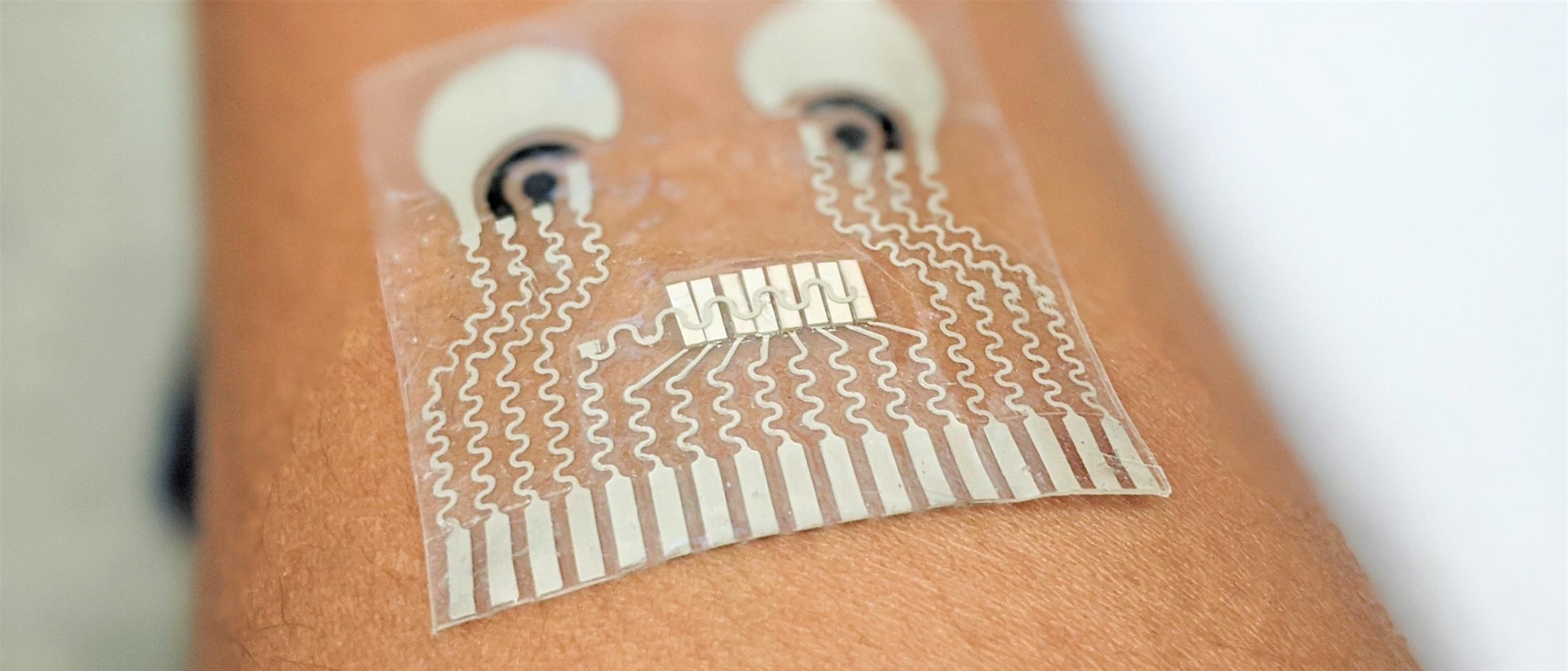
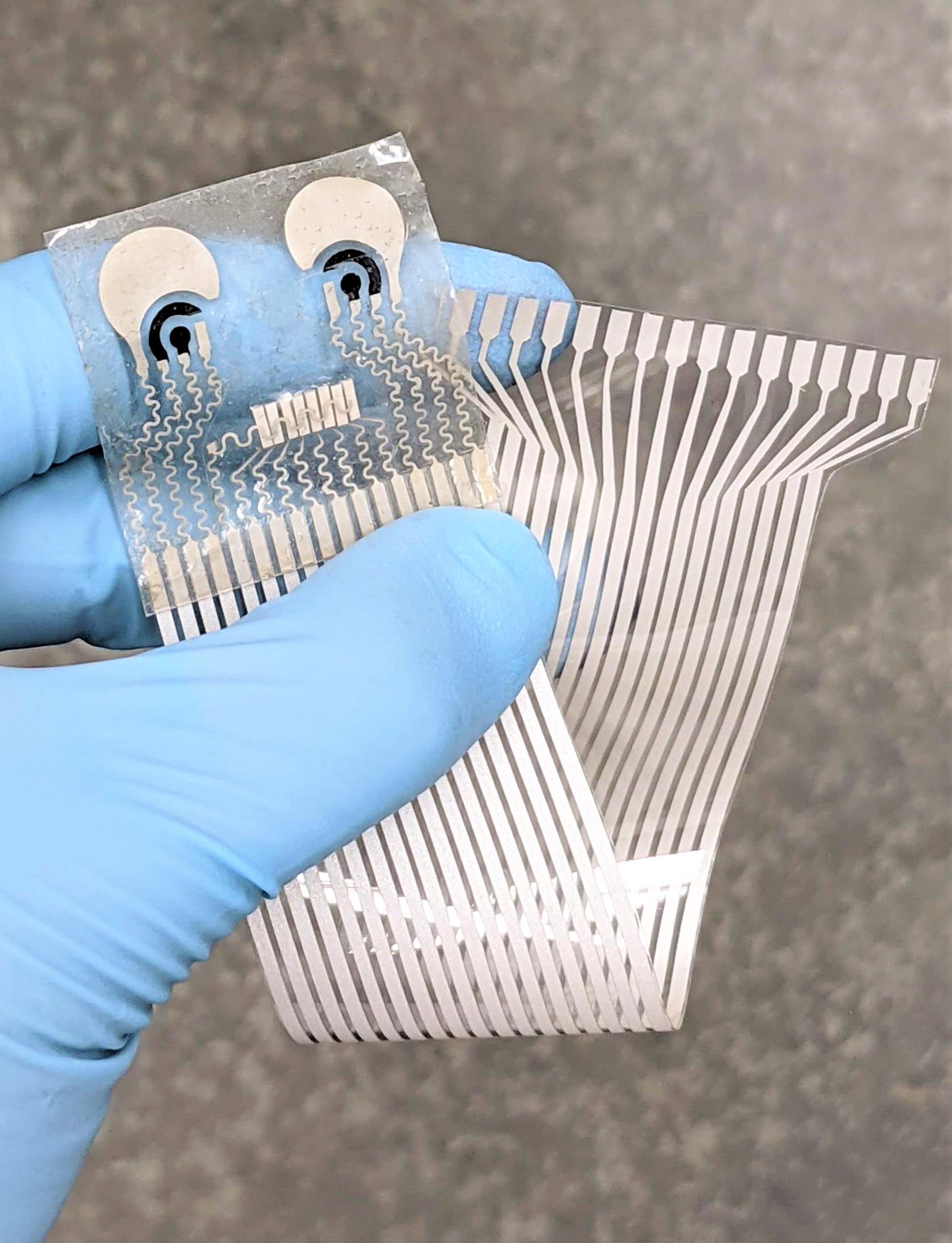
This soft, stretchy patch can monitor the wearer’s blood pressure and biochemical levels at the same time. Credit: Wang lab/UC San Diego

Engineers at the University of California San Diego have developed a soft, stretchy skin patch that can be worn on the neck to continuously track blood pressure and heart rate while measuring the wearer’s levels of glucose as well as lactate, alcohol, or caffeine. It is the first wearable device that monitors cardiovascular signals and multiple biochemical levels in the human body at the same time.

“This type of wearable would be very helpful for people with underlying medical conditions to monitor their own health on a regular basis,” said Lu Yin, a nanoengineering Ph.D. student at UC San Diego and co-first author of the study published on February 15, 2021, in Nature Biomedical Engineering. “It would also serve as a great tool for remote patient monitoring, especially during the COVID-19 pandemic when people are minimizing in-person visits to the clinic.”

Such a device could benefit individuals managing high blood pressure and diabetes — individuals who are also at high risk of becoming seriously ill with COVID-19. It could also be used to detect the onset of sepsis, which is characterized by a sudden drop in blood pressure accompanied by a rapid rise in lactate level.

One soft skin patch that can do it all would also offer a convenient alternative for patients in intensive care units, including infants in the NICU, who need continuous monitoring of blood pressure and other vital signs. These procedures currently involve inserting catheters deep inside patients’ arteries and tethering patients to multiple hospital monitors.

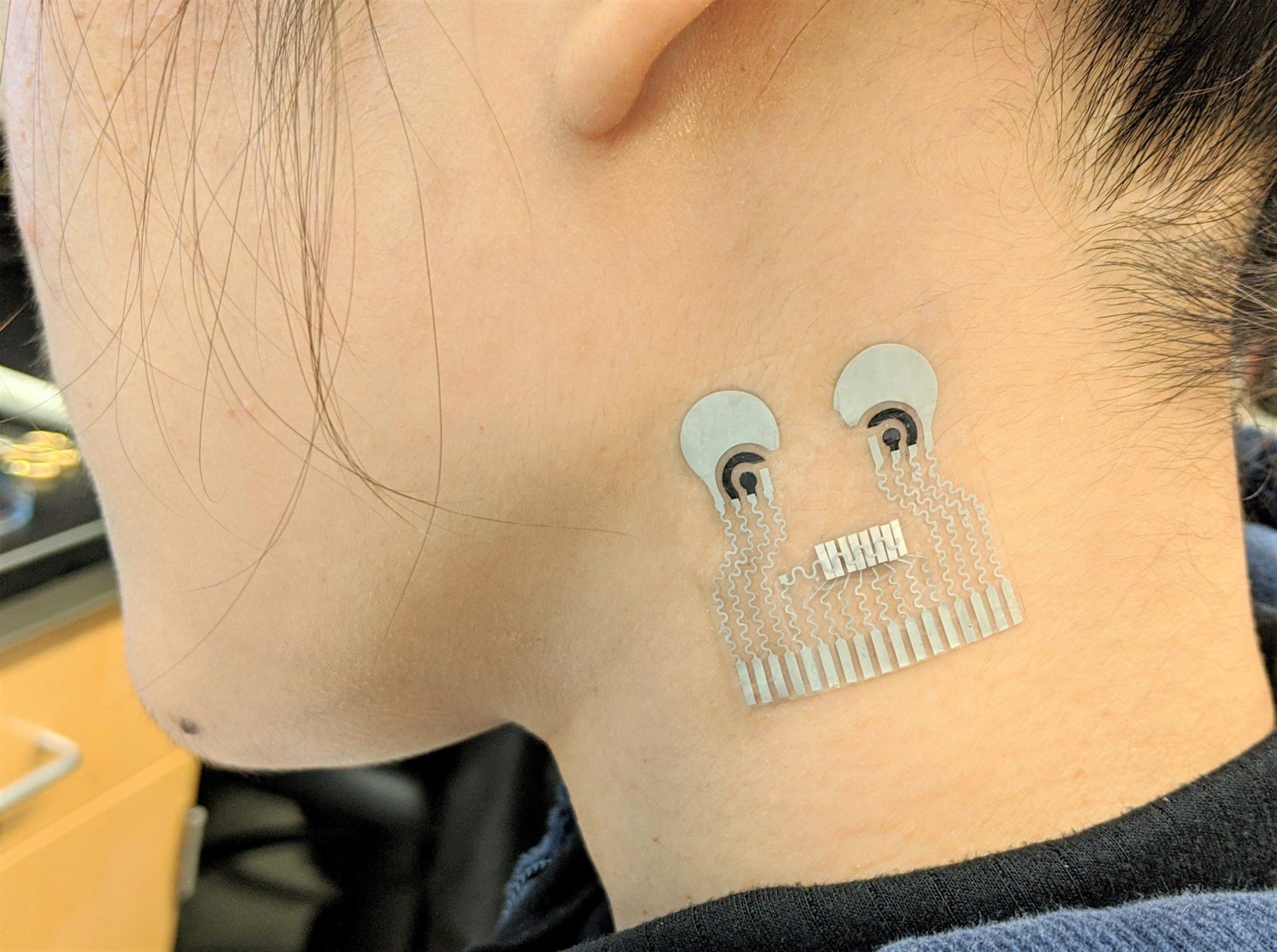
Wearing the patch on the neck provides optimal readout. Credit: UC San Diego

“The novelty here is that we take completely different sensors and merge them together on a single small platform as small as a stamp,” said Joseph Wang, a professor of nanoengineering at UC San Diego and co-corresponding author of the study. “We can collect so much information with this one wearable and do so in a non-invasive way, without causing discomfort or interruptions to daily activity.”

The new patch is a product of two pioneering efforts in the UC San Diego Center for Wearable Sensors, for which Wang serves as director. Wang’s lab has been developing wearables capable of monitoring multiple signals simultaneously — chemical, physical and electrophysiological — in the body. And in the lab of UC San Diego nanoengineering professor Sheng Xu, researchers have been developing soft, stretchy electronic skin patches that can monitor blood pressure deep inside the body. By joining forces, the researchers created the first flexible, stretchable wearable device that combines chemical sensing (glucose, lactate, alcohol and caffeine) with blood pressure monitoring.

“Each sensor provides a separate picture of a physical or chemical change. Integrating them all in one wearable patch allows us to stitch those different pictures together to get a more comprehensive overview of what’s going on in our bodies,” said Xu, who is also a co-corresponding author of the study.

Patch of all trades

The patch is a thin sheet of stretchy polymers that can conform to the skin. It is equipped with a blood pressure sensor and two chemical sensors — one that measures levels of lactate (a biomarker of physical exertion), caffeine and alcohol in sweat, and another that measures glucose levels in interstitial fluid.

The patch is capable of measuring three parameters at once, one from each sensor: blood pressure, glucose, and either lactate, alcohol, or caffeine. “Theoretically, we can detect all of them at the same time, but that would require a different sensor design,” said Yin, who is also a Ph.D. student in Wang’s lab.

The current prototype of the patch needs to be wired to a benchtop machine and power source. Credit: UC San Diego

The blood pressure sensor sits near the center of the patch. It consists of a set of small ultrasound transducers that are welded to the patch by a conductive ink. A voltage applied to the transducers causes them to send ultrasound waves into the body. When the ultrasound waves bounce off an artery, the sensor detects the echoes and translates the signals into a blood pressure reading.

The chemical sensors are two electrodes that are screen printed on the patch from conductive ink. The electrode that senses lactate, caffeine and alcohol is printed on the right side of the patch; it works by releasing a drug called pilocarpine into the skin to induce sweat and detecting the chemical substances in the sweat. The other electrode, which senses glucose, is printed on the left side; it works by passing a mild electrical current through the skin to release interstitial fluid and measuring the glucose in that fluid.

The researchers were interested in measuring these particular biomarkers because they impact blood pressure. “We chose parameters that would give us a more accurate, more reliable blood pressure measurement,” said co-first author Juliane Sempionatto, a nanoengineering Ph.D. student in Wang’s lab.

“Let’s say you are monitoring your blood pressure, and you see spikes during the day and think that something is wrong. But a biomarker reading could tell you if those spikes were due to an intake of alcohol or caffeine. This combination of sensors can give you that type of information,” she said.

In tests, subjects wore the patch on the neck while performing various combinations of the following tasks: exercising on a stationary bicycle; eating a high-sugar meal; drinking an alcoholic beverage; and drinking a caffeinated beverage. Measurements from the patch closely matched those collected by commercial monitoring devices such as a blood pressure cuff, blood lactate meter, glucometer and breathalyzer. Measurements of the wearers’ caffeine levels were verified with measurements of sweat samples in the lab spiked with caffeine.

Engineering challenges

One of the biggest challenges in making the patch was eliminating interference between the sensors’ signals. To do this, the researchers had to figure out the optimal spacing between the blood pressure sensor and the chemical sensors. They found that one centimeter of spacing did the trick while keeping the device as small as possible.

The researchers also had to figure out how to physically shield the chemical sensors from the blood pressure sensor. The latter normally comes equipped with a liquid ultrasound gel in order to produce clear readings. But the chemical sensors are also equipped with their own hydrogels, and the problem is that if any liquid gel from the blood pressure sensor flows out and makes contact with the other gels, it will cause interference between the sensors. So instead, the researchers used a solid ultrasound gel, which they found works as well as the liquid version but without the leakage.

“Finding the right materials, optimizing the overall layout, integrating the different electronics together in a seamless fashion — these challenges took a lot of time to overcome,” said co-first author Muyang Lin, a nanoengineering Ph.D. student in Xu’s lab. “We are fortunate to have this great collaboration between our lab and Professor Wang’s lab. It has been so fun working together with them on this project.”

Next steps

The team is already at work on a new version of the patch, one with even more sensors. “There are opportunities to monitor other biomarkers associated with various diseases. We are looking to add more clinical value to this device,” Sempionatto said.

Ongoing work also includes shrinking the electronics for the blood pressure sensor. Right now, the sensor needs to be connected to a power source and a benchtop machine to display its readings. The ultimate goal is to put these all on the patch and make everything wireless.

“We want to make a complete system that is fully wearable,” Lin said.

Reference: “An epidermal patch for the simultaneous monitoring of haemodynamic and metabolic biomarkers” by Juliane R. Sempionatto, Muyang Lin, Lu Yin, Ernesto De la paz, Kexin Pei, Thitaporn Sonsa-ard, Andre N. de Loyola Silva, Ahmed A. Khorshed, Fangyu Zhang, Nicholas Tostado, Sheng Xu and Joseph Wang, 15 February 2021, Nature Biomedical Engineering.
DOI: 10.1038/s41551-021-00685-1

This research was supported by the UC San Diego Center of Wearable Sensors and the National Institutes of Health (grant no. 1R21EB027303-01A1).

We recommend

  1. Wearable Sensors Detect What’s in Your SweatMike O’Neill, SciTechDaily, 2019
  2. New Battery Is 10 Times More Powerful Than State of the Art, Flexible and RechargeableMike ONeill, SciTechDaily, 2020
  3. Ultrasound Device Improves Lithium Battery Capacity and Charge TimeMike ONeill, SciTechDaily, 2020
  4. Nanoengineers Develop ‘Nanosponge Vaccine’ to Fight MRSA ToxinsStaff, SciTechDaily, 2013
  5. New Biosensor Can Monitor Glucose Levels From Contact LensesJames Kelly, SciTechDaily, 2018
  1. No Blood Draw Required: Prototype Device Measures Baby’s Blood Chemistry Without NeedlesLeo O’Connor, 360Dx, 2019
  2. The Cardio Connection: Heart Health Influences Ocular Diseases, Study SaysCardiology Advisor, 2020
  3. Ultrasensitive skin-like wearable optical sensors based on glass micro/nanofibersLei Zhang et al., Opto-Electronic Advances, 2020
  4. Digital Microfluidic Platform Being Developed for On-the-Fly Swapping of Biosensors for Diagnostic UseLeo O’Connor, 360Dx, 2019
  5. Highly Ordered 3D Porous Graphene Sponge for Wearable Piezoresistive Pressure Sensor ApplicationsTao Wang et al., Chemistry – A European Journal, 2019