https://bestlifeonline.com/otc-medication-sleep-news/

If You Can’t Sleep, This OTC Medication Could Be Why, Experts Say

TAKING THIS MEDICATION TOO CLOSE TO BEDTIME COULD LEAVE YOU TOSSING AND TURNING ALL NIGHT.

Allie Hogan

By ALLIE HOGANMARCH 26, 2021

Over-the-counter medication
Shutterstock

When you find yourself tossing and turning in bed, your brain tends to wander, trying to pinpoint what’s causing your sleepless night. There are a slew of potential reasons behind your inability to get some shut-eye—from stress to anxiety to conditions like hyperthyroidism or kidney disease. But sometimes, the culprit is right there on your nightstand. If you’re having trouble sleeping, experts suggest you turn your attention to a certain common medication, seeing as there are a few over-the-counter (OTC) meds that could be keeping you up at night. To see which OTC medication you shouldn’t take before you go to sleep, read on, and for advice about meds and your coronavirus vaccination, check out The Only Medication You Should Take Before Your COVID Vaccine, Experts Say.For $50,000 a night, you can sleep with the sharks in this undersea hotel suite

Any medication with caffeine in it could be ruining your sleep.

Close up of woman holding vitamins in open hand while taking morning medication
SeventyFour / iStock

It’s well known that caffeine negatively affects sleep, but you don’t only need to worry about having a cup of coffee too late in the day—you should also be checking the contents of any medication you’re taking close to bedtime. Many common OTC meds contain caffeine, from Excedrin to Midol, so check the ingredients to make sure that pill you pop before bed won’t keep you up.

And for another type of drug that could cause you trouble, check out If You Take This Medication, U.S. Officials Have a New Warning for You.

Caffeine is often used as an ingredient in headache medications.

Shot of a senior man suffering with a headache at home and looking stressed out
iStock

While it may seem like a strange addition to medication, caffeine is commonly found in headache and migraine medications.

“During a headache, blood vessels swell, tighten or go through other changes, causing an increase in blood flow around the brain. This increases blood flow pressures surrounding nerves, which send pain messages to the brain. This brings on the headache,” explain the experts at the Mayo Clinic. “Caffeine has vasoconstrictive properties, meaning that blood vessels narrow to restrict blood flow, thereby alleviating the pain.”

And for more useful health information delivered straight to your inbox, sign up for our daily newsletter.

Don’t take any medication that contains caffeine less than six hours before bedtime.

View Through Bathroom Cabinet Of Mature Woman Taking Medication With Glass Of Water
iStock

A Nov. 2013 study from The Journal of Clinical Sleep Medicine found that “caffeine taken six hours before bedtime has important disruptive effects on sleep.” So, if you tend to go to bed around 10 p.m., don’t take any OTC medications with caffeine past 4 p.m. unless you want to be up all night.

The Sleep Foundation notes that some people may need an even longer period without caffeine before bed, so keep track of how it affects your sleep, adjusting the length of time between the OTC meds and bedtime as needed.

To make sure how you’re medicating isn’t a problem, beware that If You’re Taking This OTC Medicine More Than Twice a Week, See a Doctor.

There are caffeine-free versions of some popular headache medications.

Senior man taking prescription medicine at home
iStock

If you need to take a pain reliever before bed, it’s best to seek out one that doesn’t contain caffeine. Midol sells a caffeine-free pill, and Excedrin has a special nighttime formula that is also devoid of caffeine.

Additionally, you can stick to other common OTC pain relievers such as Advil, Tylenol, Motrin, and Aleve.
https://www.tomsguide.com/news/google-assistant-is-getting-a-killer-upgrade-that-gives-you-a-second-brain

Google Assistant is getting a killer upgrade that gives you a second brain

By Marc McLaren a day ago

Google Assistant’s enhanced Memory feature will help you save and remember anything

 Comments (0)

Google Assistant

(Image credit: Shutterstock)

Google Assistant looks set to get a major upgrade that will help you store and remember almost any piece of information, then easily find it later.

According to 9to5 Google, the enhanced Memory feature will be a combination of to-do list, scrapbook, reading list and digital archive to which you can save anything for easy retrieval. It’s reportedly already being tested within Google — although as yet there’s no word on when it will be rolled out. 

While Google Assistant already has a Memory feature, it’s fairly limited at present: you can verbally tell Assistant to remember things for you, then ask it to remind you later.

The new version sounds a lot more powerful, with 9to5Google reporting that it can save a massive variety of content, including “articles, books, contacts, events, flights, hotels, images, movies, music, notes, photos, places, playlists, products, recipes, reminders, restaurants, screenshots, shipments, TV shows, videos, and websites.”RECOMMENDED VIDEOS FOR YOU…Starlink review: How good is Elon Musk’s satellite internet?https://imasdk.googleapis.com/js/core/bridge3.447.1_en.html#goog_449966113Volume 0%00:5102:13 PLAY SOUND

The site has taken a selection of screenshots from the new Memory feature, and they give an intriguing insight into the kind of things that will be possible.

Google Assistant Memory
(Image credit: 9to5 Google)

Once you’ve stored something, it’ll be viewable in a new Memory feed inside Assistant, alongside the existing Snapshot feature. This will be organized in reverse chronological order, though Google will have card entries for both “Older Memories” and “Today”. 

And as with the recent changes to Google Photos, which saw an enhanced role for the Lens visual search feature, Memory will also serve up contextually relevant content alongside the things you save. So if you save flight information, for instance, it might show flight status alongside it, while a movie listing might be shown with its trailer.

There’ll also be a new way to store things to Memory: as well as asking Assistant verbally, you’ll be able to use a homescreen shortcut, making it easy to add things you’re looking at onscreen. Saved items can also be tagged with labels, for easy finding later.

We don’t know when Memory will launch (assuming it actually passes Google’s internal testing), but it sounds like a great upgrade. Here’s hoping it arrives before too long.

https://www.psychologytoday.com/us/blog/the-athletes-way/202103/want-sleep-better-tonight-single-bout-cardio-may-help


Want to Sleep Better Tonight? A Single Bout of Cardio May Help

One 60-minute bout of cardio may improve that evening’s slow-wave sleep quality.

Posted Mar 25, 2021 |  Reviewed by Jessica Schrader

THE BASICS

SUMMARY

  • New research found improvements in sleep quality following an hour of vigorous exercise.
  • Participants did not report a change in the quality of their sleep, despite the objective difference.
  • A vigorous workout in the daytime may mean more time spent in the deepest sleep cycle.
ClassicVector/Shutterstock

Source: ClassicVector/Shutterstock

​​​​​​Even if someone who worked out vigorously during the day is unaware that they’re sleeping better that night, new research (Park et al., 2021) suggests that an hour of cardio during the day may improve deep, slow-wave sleep quality in ways that are imperceptible to the sleeper.

This peer-reviewed paper, “Exercise Improves the Quality of Slow-Wave Sleep by Increasing Slow-Wave Stability,” was recently published in the journal Scientific Reports.

“The results were surprising. We found that exercise improved the quality of sleep as measured using objective techniques, while the participants reported no change in the quality of their sleep,” lead researchers, Insung Park and Javier Díaz, said in a March 24 news release.

For this study, the University of Tsukuba researchers evaluated the effects of a single 60-minute bout of aerobic exercise (at 60 percent VO₂ Max) on subsequent sleep quality that night. Instead of using well-conditioned athletes, the researchers had untrained study participants work out for an hour at a relatively high intensity.

Because the test subjects weren’t accustomed to hour-long bouts of vigorous exercise, the researchers speculate that study participants’ self-reported sleep quality ratings may have been skewed by post-workout muscle soreness, fatigue, and other variables commonly experienced by “weekend warriors” after a hard workout. As the authors explain:

“Individuals who engage in vigorous exercise may perceive a decrease in the quality of their sleep compared with if they had not exercised at all. However, the findings of this study indicate that the sleep structure may indeed be improved by exercise and have potential application in developing new treatment recommendations for various sleep disorders.”

60 Minutes of Cardio May Promote Deeper Stage IV Sleep

From a real-world perspective, the fact that these study participants weren’t well-conditioned athletes sheds light on the possibility that even if someone doesn’t think they’re sleeping better after doing a vigorous workout in the daytime hours before bed, their post-workout sleep may include more time spent in the deepest (Stage IVsleep cycle.

“The results of the subjective evaluations of sleep quality indicate that regular moderate exercise may be more beneficial for perceived sleep quality than occasional vigorous exercise, which might not have a subjective effect despite objective improvements in sleep,” senior author Kaspar Vogt of the University of Tsukuba’s International Institute for Integrative Sleep Medicine noted.article continues after advertisement

 arka38/Shutterstock

Delta waves are low frequency (1–4 Hz), slow-wave oscillations associated with the deepest level of sleep (Stage IV) that occurs during NREM cycles.Source: arka38/Shutterstock

Another thing that makes this study unique: Instead of simply using conventional EEG—which has been used to measure rapid eye movement (REM) and non-REM (NREM) sleep cycles since the 1960s—the Tsukuba researchers road-tested a novel polysomnography technique called CVE to measure slow-wave brain oscillations during various sleep cycles.

CVE is a state-of-the-art computational method for quantifying how deeply someone is sleeping based on the characteristics of their neuronal synchronization and rhythmic oscillations associated with specific brainwave-frequency bands (e.g., gamma, beta, alpha, theta, and delta).

For the study participants who performed 60 minutes of cardio at 60 percent VO₂ Max, data analysis showed “significantly increased delta power in slow-wave sleep together with increased slow-wave sleep stability in early sleep phases, based on delta wave envelope analysis.”

“Although vigorous exercise does not lead to a subjective improvement in sleep quality, sleep function is improved,” the researchers conclude. “To our knowledge, this is the first report of exercise exerting such an effect. Further investigation into the mechanisms and consequences of this increased [delta] wave stability are necessary.”

DISCLAIMER: This blog post is not intended as medical advice. Please use common sense and always consult with your primary care physician before doing any moderate-to-vigorous physical activity or high-intensity training that is not a well-established part of your weekly routine. 

References

Insung Park, Javier Díaz, Sumire Matsumoto, Kaito Iwayama, Yoshiharu Nabekura, Hitomi Ogata, Momoko Kayaba, Atsushi Aoyagi, Katsuhiko Yajima, Makoto Satoh, Kumpei Tokuyama & Kaspar E. Vogt. “Exercise Improves the Quality of Slow-Wave Sleep by Increasing Slow-Wave Stability.” Scientific Reports (First published: February 24, 2021) DOI: 10.1038/s41598-021-83817-6

https://mobilesyrup.com/2021/03/26/razer-plans-make-project-hazel-rgb-mask/

Razer confirms plans to make ‘Project Hazel’ RGB mask Now you can mask up in true Gamer style

By Jonathan Lamont@Jon_LamontMAR 26, 2021 2:33 PM EDT0 COMMENTS

Back in January, gaming accessory maker Razer detailed several concepts, including an RGB-adorned mask called Project Hazel. The company has now confirmed plans to produce the Project Hazel mask. CEO Min-Liang Tan told Yahoo Finance that Razer planned to make the mask, but didn’t elaborate when manufacturing would begin. He explained that the company realized wearing masks would still be common practice for some time, especially since in countries with slower vaccine roll-outs. “So with that in mind, we are going to go ahead and solve the sustainable aspect of the mask which is one of the big things for us. Project Hazel is going to be a reality. We are going to make it happen and I think we will all will be, unfortunately, wearing masks for a long time to come,”

Tan told Yahoo Finance. It’s also not clear how much it’d cost to buy one of these masks. The sustainability argument is definitely one angle to take with the Project Hazel mask. In case you missed the CES announcement, Razer said the mask was innovated on the N95 mask, but it’s reusable. Project Hazel sports a clear front panel so people can see your mouth along with internal RGB lighting to illuminate your face while wearing it. It includes detachable and rechargeable active ventilators and ‘SmartPods’ that regulate airflow for optimal breathability.

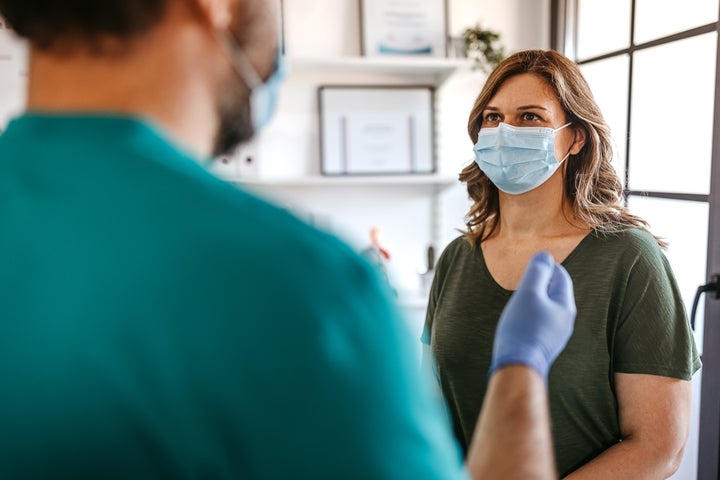
Further, Razer says the mask can filter at least 95 percent of airborne particles. So, yes, the Project Hazel mask could help reduce waste from disposable masks. However, I’m not certain if it’s more sustainable than the myriad of reusable and washable cloth masks. It’s also worth noting that Health Canada and other public health agencies encourage people not to use vented masks like this. One of the main benefits of wearing a mask is that it protects others by catching the particles coming out of your mouth and nose. Masks with exhalation valves just spray those particles into the air. Granted, the Project Hazel filters could reduce how much escapes, but frankly it’s a risk I’d rather not take.

https://www.yankodesign.com/2021/03/26/this-wearable-brain-computer-is-designed-to-help-you-focus-increasing-your-productive-workdays/

THIS WEARABLE BRAIN COMPUTER IS DESIGNED TO HELP YOU FOCUS, INCREASING YOUR PRODUCTIVE WORKDAYS!

BY SHAWN MCNULTY-KOWAL  03/26/2021https://www.youtube-nocookie.com/embed/FOP8p08L6Jg?feature=oembed&iv_load_policy=3&modestbranding=1&rel=0&autohide=1&playsinline=0&autoplay=0

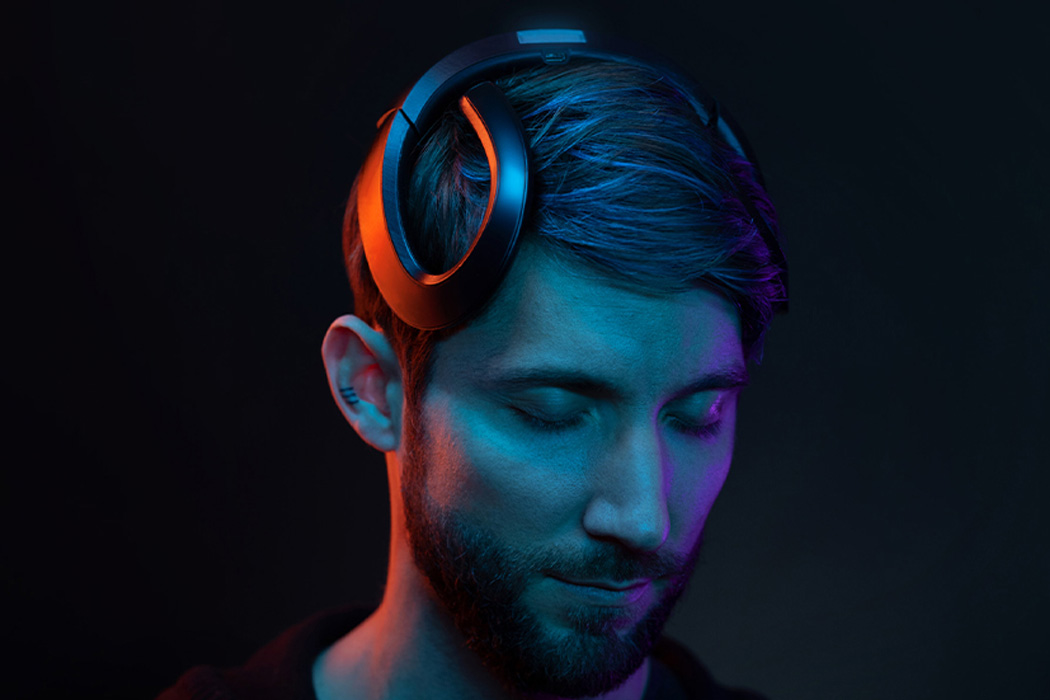
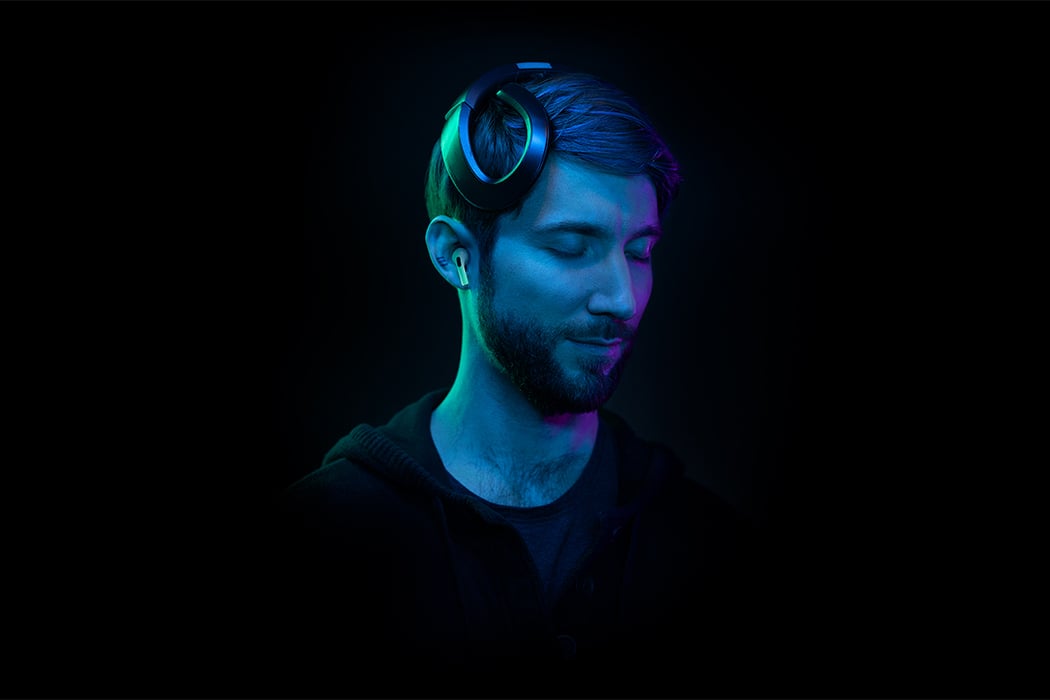
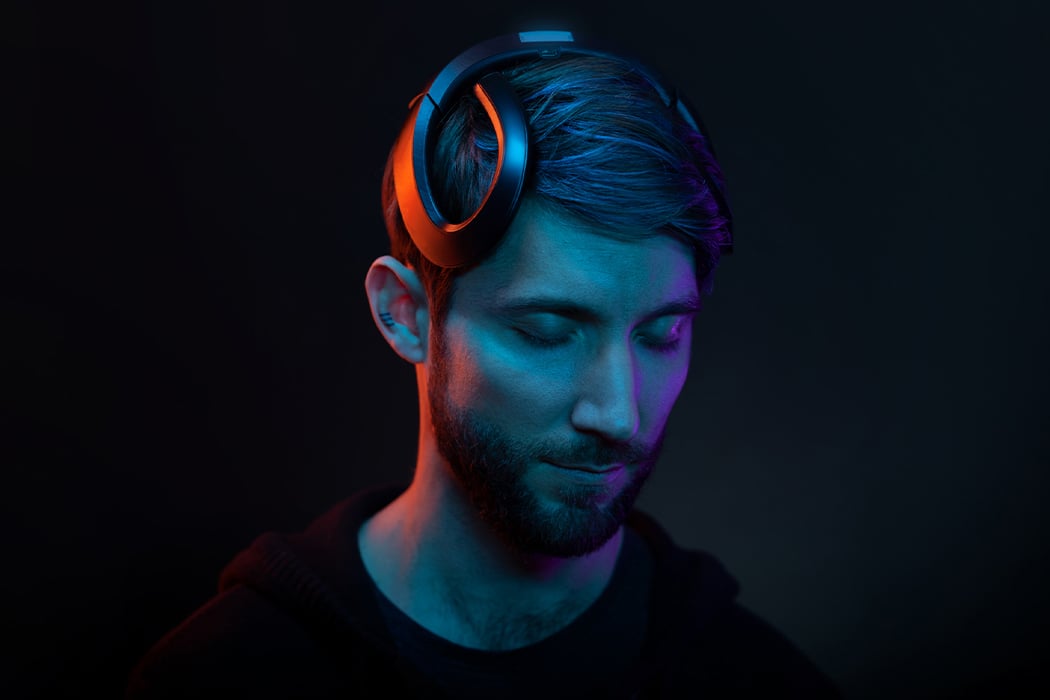
Electrodes have been used to measure brain activity for the past century. Electroencephalography, or EEG, is one of the most widely used, mostly non-invasive techniques for measuring neural activity. EEG essentially records the brain’s electrical activity through electrodes that are placed on the scalp and in thousands of seconds, changes within the brain can be measured and then analyzed. The ability to focus takes place in the brain’s frontal lobe and a pair of engineers have designed a wearable EEG device called Crown to measure that part of the brain to help maintain focus and boost productivity.

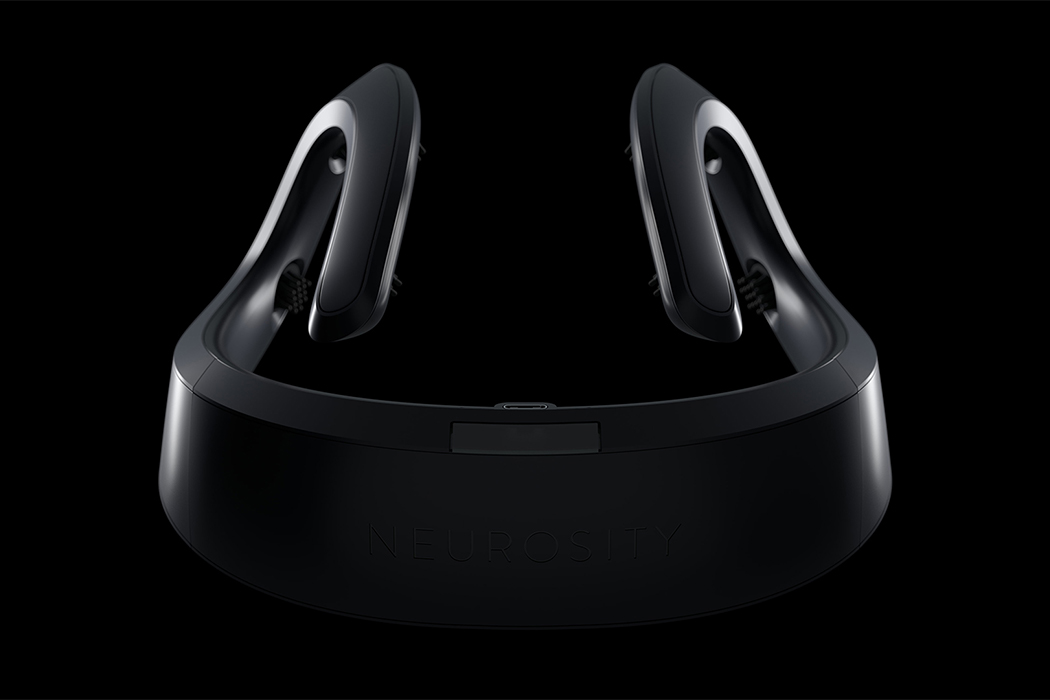
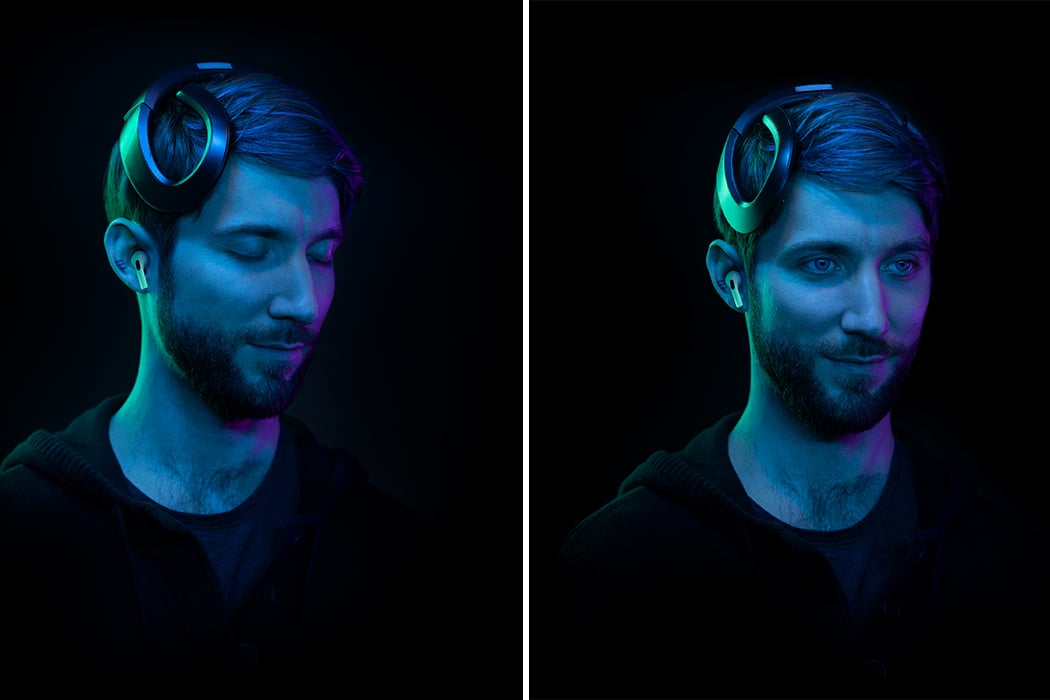
Crown, from Neurosity, helps to maintain your brain’s focus by measuring not only what triggers your focus, but also what sustains it. Eight EEG sensors fill out the Crown to track and quantify an individual’s brainwaves to better understand what retains focus and what introduces distraction. As the brainwaves are measured, the accompanying Neurosity Shift app connects to your Spotify account to play the most suitable music for your brain to hold onto that state of flow. Similar to Neurosity’s previous brain-sensing technology, the Notion 2, the Crown also minimizes any technological distractions like notifications or ringtones by automatically muting any prospective interruptions that could take away from your focus.

After all of this, the Crown sends you a ‘report card’ indicating your most focused moments and the times you felt most distracted, with the aim of improving your focus in the future. While EEG devices have a reputation for falling short on their signal-to-noise ratio, a method for measuring everything going on in the brain, Neurosity promises cutting-edge technology that enhances the device’s quantifying rate. Not just that– the Crown never listens to, watches, or stores any of your brainwaves– the Crown is only here to keep you calm, cool, and focused.

Designer: Neurosity

https://googleads.g.doubleclick.net/pagead/ads?client=ca-pub-0648786275385337&output=html&h=280&slotname=1429026388&adk=2704895036&adf=2887771819&pi=t.ma~as.1429026388&w=1042&fwrn=4&fwrnh=100&lmt=1616829001&rafmt=1&psa=1&format=1042×280&url=https%3A%2F%2Fwww.yankodesign.com%2F2021%2F03%2F26%2Fthis-wearable-brain-computer-is-designed-to-help-you-focus-increasing-your-productive-workdays%2F&flash=0&fwr=0&fwrattr=true&rpe=1&resp_fmts=3&wgl=1&uach=WyJtYWNPUyIsIjEwXzExXzYiLCJ4ODYiLCIiLCI4OS4wLjQzODkuOTAiLFtdXQ..&dt=1616830779859&bpp=37&bdt=3177&idt=1559&shv=r20210322&cbv=r20190131&ptt=9&saldr=aa&abxe=1&cookie=ID%3D93a8600de2100957-22b0f73d8ac60047%3AT%3D1612599881%3ART%3D1612599881%3AS%3DALNI_MYIRKfyNmQHlupKgEgg564QIgZlvQ&prev_fmts=728×90&correlator=3253980723606&frm=20&pv=1&ga_vid=600125827.1612599881&ga_sid=1616830781&ga_hid=746055147&ga_fc=0&u_tz=-420&u_his=1&u_java=0&u_h=1050&u_w=1680&u_ah=980&u_aw=1680&u_cd=24&u_nplug=3&u_nmime=4&adx=311&ady=2988&biw=1664&bih=900&scr_x=0&scr_y=0&eid=42530671%2C44740079%2C44739387&oid=3&pvsid=1772084518374082&pem=700&ref=https%3A%2F%2Fnews.google.com%2F&rx=0&eae=0&fc=640&brdim=0%2C23%2C0%2C23%2C1680%2C23%2C1664%2C980%2C1664%2C900&vis=1&rsz=%7C%7CeEbr%7C&abl=CS&pfx=0&fu=8320&bc=31&ifi=2&uci=a!2&btvi=1&fsb=1&xpc=pvAYUvnQMn&p=https%3A//www.yankodesign.com&dtd=1568

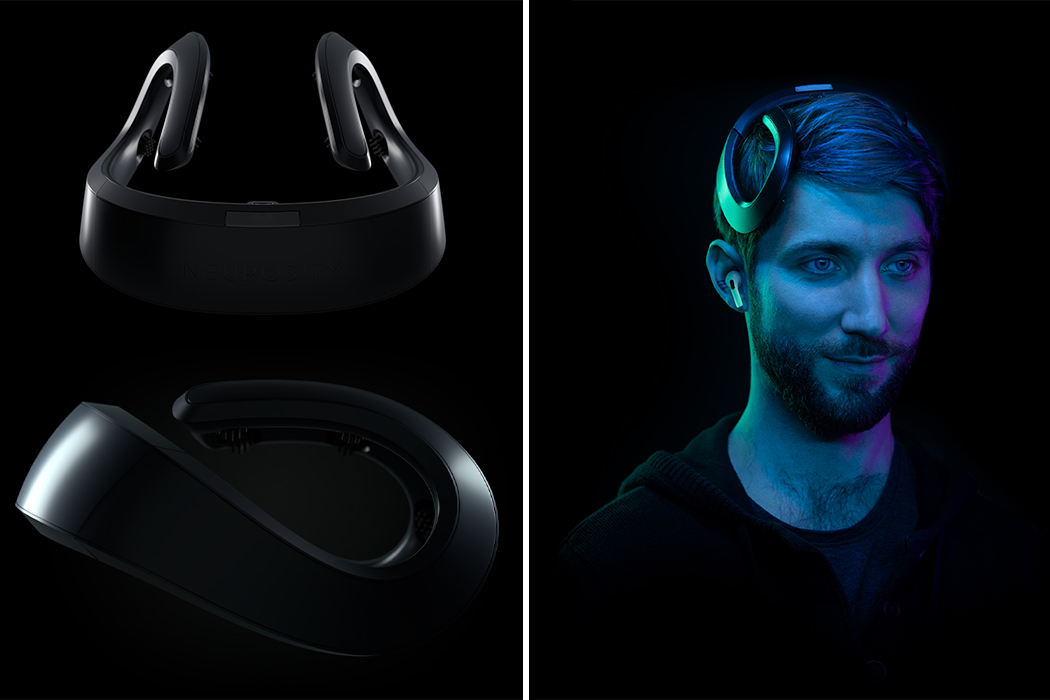
The Crown weighs just over half a pound and aimed to be one size fits all.

https://googleads.g.doubleclick.net/pagead/ads?client=ca-pub-0648786275385337&output=html&h=280&slotname=1420948212&adk=2606962820&adf=3083297114&pi=t.ma~as.1420948212&w=1042&fwrn=4&fwrnh=100&lmt=1616829001&rafmt=1&psa=1&format=1042×280&url=https%3A%2F%2Fwww.yankodesign.com%2F2021%2F03%2F26%2Fthis-wearable-brain-computer-is-designed-to-help-you-focus-increasing-your-productive-workdays%2F&flash=0&fwr=0&fwrattr=true&rpe=1&resp_fmts=3&wgl=1&uach=WyJtYWNPUyIsIjEwXzExXzYiLCJ4ODYiLCIiLCI4OS4wLjQzODkuOTAiLFtdXQ..&dt=1616830779896&bpp=3&bdt=3216&idt=1558&shv=r20210322&cbv=r20190131&ptt=9&saldr=aa&abxe=1&cookie=ID%3D93a8600de2100957-22b0f73d8ac60047%3AT%3D1612599881%3ART%3D1612599881%3AS%3DALNI_MYIRKfyNmQHlupKgEgg564QIgZlvQ&prev_fmts=728×90%2C1042x280%2C0x0&nras=1&correlator=3253980723606&frm=20&pv=1&ga_vid=600125827.1612599881&ga_sid=1616830781&ga_hid=746055147&ga_fc=0&u_tz=-420&u_his=1&u_java=0&u_h=1050&u_w=1680&u_ah=980&u_aw=1680&u_cd=24&u_nplug=3&u_nmime=4&adx=311&ady=4800&biw=1664&bih=900&scr_x=0&scr_y=1201&eid=42530671%2C44740079%2C44739387&oid=3&psts=AGkb-H-rECiK02-n5BB46GZJpoVSkV5fICWFt8VKKV4xWVTzbYnLr3kU7LkZD3VSfSp7poOCS9f-95kXFw%2CAGkb-H8V6wfRLpqo_93Ft14gkkFK59XphuIfptDIS6a44aweQxR1V5mzwUsYXgUmRYQm3av8bBOBVxUC&pvsid=1772084518374082&pem=700&ref=https%3A%2F%2Fnews.google.com%2F&rx=0&eae=0&fc=896&brdim=0%2C23%2C0%2C23%2C1680%2C23%2C1664%2C980%2C1664%2C900&vis=1&rsz=%7C%7CeEbr%7C&abl=CS&pfx=0&fu=8320&bc=31&ifi=3&uci=a!3&btvi=2&fsb=1&xpc=5WwviVAGWz&p=https%3A//www.yankodesign.com&dtd=65733

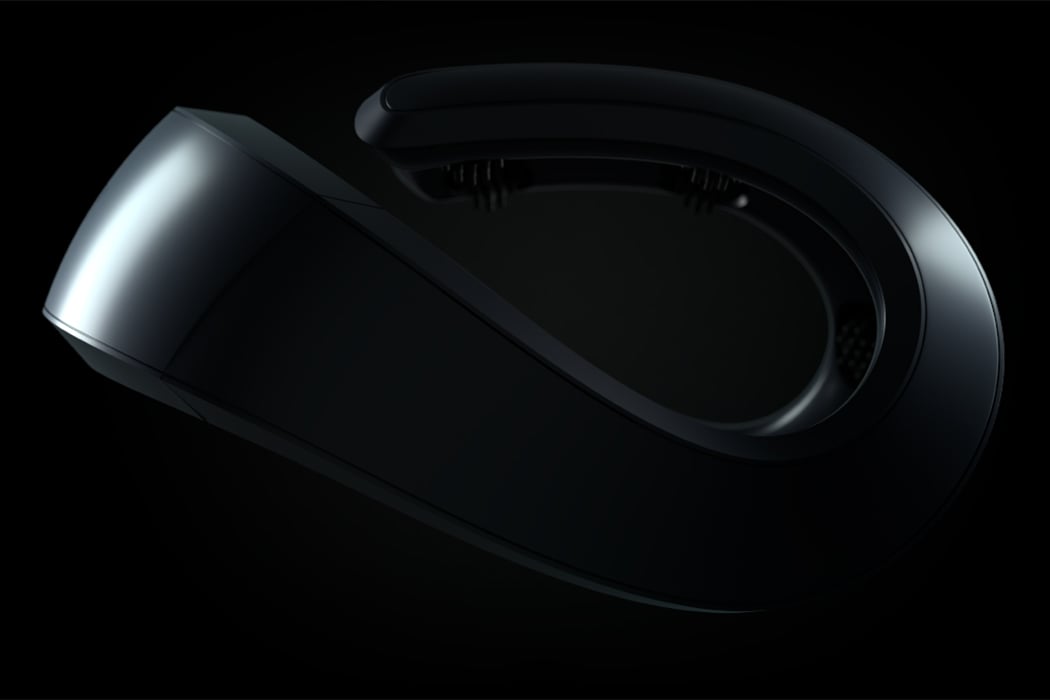
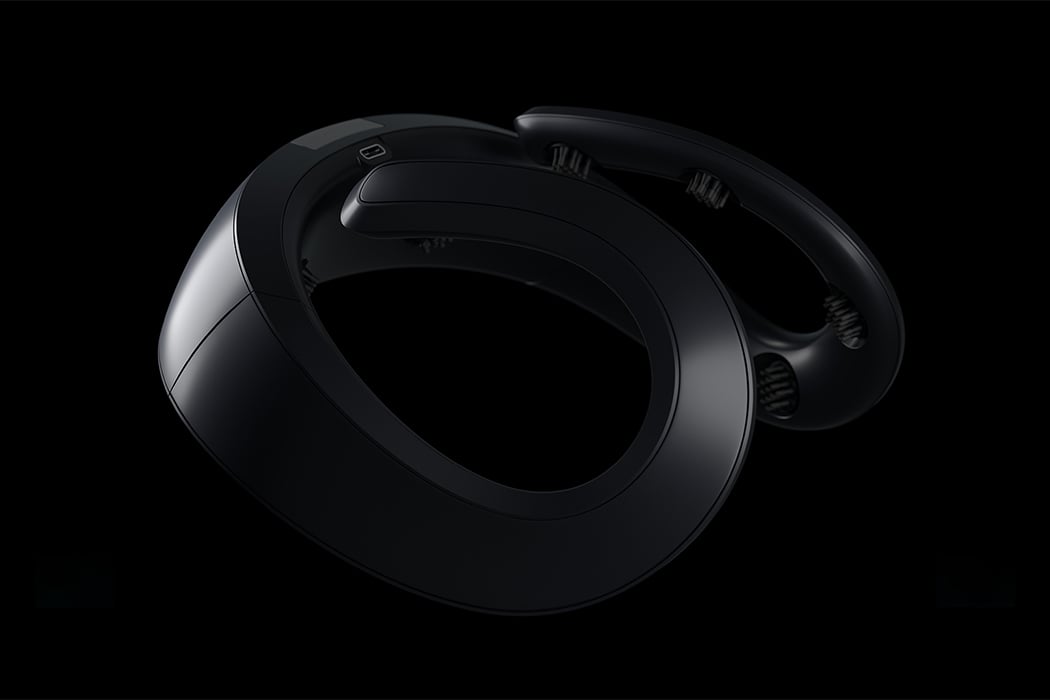
The Crown comes equipped with eight EEG sensors, two haptic motors, a motion-detecting accelerometer, and near-field communication.

The eight EEG sensors that fill out the Crown are non-invasive.

The Crown is battery-operated and has a rechargeable time of only three hours.

The Crown also comes with Bluetooth and Cloud connectivity.

https://www.huffpost.com/entry/study-shows-sleep-linked-lower-covid-19-risk_l_605db70ec5b66d30c74383ee

New Study Shows Sleep Could Be Linked To Lower Risk Of COVID-19

Not getting enough rest right now? You might want to read this.By Catherine Pearson03/26/2021 11:12am EDT

Research suggests that extra sleep is associated with a lower risk of contracting the coronavirus. Burnout and a lack of rest appeared to increase a person's risk.
Research suggests that extra sleep is associated with a lower risk of contracting the coronavirus. Burnout and a lack of rest appeared to increase a person’s risk.

Getting enough sleep at night may help curb people’s risk for getting COVID-19, as well as for developing more severe illness, new research suggests.

The study included more than 2,800 frontline health care workers in six countries who were regularly exposed to COVID-19 from last spring to last fall. It found that for each additional hour of sleep the workers got at night, their risk for COVID-19 dropped by 12%.THE ESSENTIAL GUIDE TO TAKING CARE OF YOUR MIND AND BODYSubscribe to HuffPost’s wellness emailSuccessfully Subscribed!Wellness delivered to your inbox

And those who said they were struggling with self-reported burnout had a higher risk of contracting the virus. They also tended to stay sick for a longer period of time and were more likely than those who said they weren’t burnt out to get seriously ill.

“Lack of sleep, severe sleep problems and burnout may be risk factors for COVID-19 in health care workers,” said Steven Holfinger, a sleep medicine expert at The Ohio State University Wexner Medical Center, who did not work on the new study.

Holfinger added that he thinks “further research to better define this risk would be helpful,” and cautioned against jumping to conclusions based on the new study, which was published recently in the journal BMJ Nutrition, Prevention, and Health.

For one, the study did not necessarily account for all the reasons why exhausted health care workers may be more likely to come down with COVID-19. For example, they might simply have been seeing more patients. Holinger also noted that the pandemic has evolved so much since last spring, particularly with the emergence of new variants, that the “data should be interpreted with caution” today.

Yet the new research is not the first to suggest there is a link between sleep and COVID-19 risk.

A small study out of China found that people who did not get much sleep in the week before they came down with COVID-19 appeared to have more severe outcomes. Researchers are also exploring the possibility that melatonin, the hormone that plays a crucial role in the sleep-wake cycle, may help stave off COVID-19.

Again, those investigations — and others — are not conclusive, and experts caution against over-interpretation. It is not as though regularly getting a good night’s rest is all that is needed to stave off COVID-19.

But sleep is an important factor in immune function.

“As our bodies fight infections we release cytokines which promote sleep, causing an increase in sleep during infections,” Holfinger said. “We presume that this is advantageous for our immune system to fight infections, so the current hypothesis is that sleep is beneficial to our immune health.”

And during a pandemic when so many factors determining individual COVID-19 risk are utterly outside of any one person’s control, it is tantalizing to consider that there could be another health habit that many (though certainly not all) of us have some direct agency over.

As writer James Hamblin, a board-certified physician specializing in public health, asked in a recent Atlantic article on the sleep and COVID-19 connection: “Is one of the most glaring omissions in public-health guidelines right now simply to tell people to get more sleep?”

Unfortunately, even in non-pandemic times, millions of Americans don’t get enough rest. One-third of adults fall short of the recommended seven or more hours per night, according to the Centers for Disease Control and Prevention, and estimates say 1 in 4 Americans develop insomnia during any given year. The CDC declared sleep disorders a public health crisis, even before COVID-19.

And during the pandemic, Americans are sleeping even less.

Experts have coined a new term for coronavirus-era sleep issues: “coronasomnia” (also “COVID-somnia”). Prescriptions for sleep medications have jumped. People are grappling with significant chronic stress, and they are isolated. Emerging evidence also suggests that the virus itself hampers sleep among those who have recovered, particularly COVID-19 long-haulers.

Of course, the primary means of preventing COVID-19 transmission remain the same as ever: masking, hand-washing, social distancing and widespread vaccination.

But to the extent people are able, they should also prioritize sleep. Even if ongoing investigations into the sleep and COVID-19 link do not demonstrate a linear connection, sleep is in many ways the bedrock of physical and mental health.

“It is very common for people to not allow themselves enough time in bed at night. People intentionally causing themselves to be sleep-deprived (staying up late watching TV, or getting up early to be productive) are therefore likely reducing their immune system’s response to infections,” Holfinger said.

“Avoiding sleep deprivation will not only likely help their immune system, but also help with their overall quality of life.”

Experts are still learning about COVID-19. The information in this story is what was known or available as of publication, but guidance can change as scientists discover more about the virus. Please check the Centers for Disease Control and Prevention for the most updated recommendations.

https://www.psychologytoday.com/us/blog/the-future-brain/202103/neuroscience-study-shows-memory-can-improve-training

Cami Rosso

The Future Brain

Neuroscience Study Shows Memory Can Improve with Training

New cognitive research shows how mnemonics can improve memory abilities.

Posted Mar 26, 2021 |  Reviewed by Devon Frye

SUMMARY

  • A memory enhancement strategy often used in memory competitions, known as the “method of loci,” can help improve laypeople’s memory, a new study finds.
  • Both memory athletes and non-athletes demonstrated increased hippocampal connectivity after training; such memory-related brain changes were not seen in a control group.
  • Using mnemonic devices like the method of loci could help many people improve long-term memory, the researchers suggest.
emraltahiri/pixabay

Source: emraltahiri/pixabay

A new European cognitive neuroscience study published in this month’s Science Advances reveals that by using the “method of loci,” long-term memory can be improved by anyone, not just world champions of memory sports.

The method of loci is a common technique used by memory sports competitors. It refers to the memory enhancement strategy of associating the items to be memorized with specific physical locations and retrieving the items by mentally “walking” through the imagined place.

This method is not a new technique; its origins are traceable to ancient Greece and Rome. In Latin, loci refers to a location or place. In De Oratore, Roman statesman Cicero (106-43 B.C.E.) describes a mnemonic technique of mentally selecting and placing images that was used by the Greek poet Simonides (c. 556-c.468 B.C.E.) according to the Stanford Encyclopedia of Philosophy.

Among the study authors is world-ranked memory athlete Boris Nikolai Konrad, Ph.D., a neuroscientist at the Donders Institute for Brain, Cognition, and Behaviour at the Radboud University Medical Center in the Netherlands. Konrad is a three-time winner of the North German Memory Championship (2004, 2005, 2009), among his numerous other record-setting memory achievements and awards in both team-based and individual memory competitions.

Boris Nikolai Konrad, PhD

Boris Nikolai Konrad, PhDSource: Boris Nikolai Konrad, PhD

“Even memory researchers who are not familiar with mnemonics seem to believe what memory athletes do is targeting working memory,” said Konrad. “Tasks look very similar to what is done in working memory research. For example, the digit span task is often used. Most people can remember seven digits read out to them at the pace of one per second. Memory athletes can do hundreds. Even more important, while those seven digits are forgotten quickly, memory athletes can remember them the next day and longer. They surpass working memory.”article continues after advertisement

The study has two parts, a memory athlete study, and a memory training study. In the memory athlete study, the cognitive scientists compared how 17 experts using the method of loci among the world’s top 50 in memory sports were able to recall a list of items with a matched control group of 16 that was “closely matched for age, sex, handedness, and intelligence.”

For the training study, the 17 memory athletes were compared with 50 participants who were not memory athletes. The non-athletes were divided into three groups where some received either six weeks of memory training, working memory training, or no training.  

The scientists took functional magnetic resonance imaging (fMRI) brain scans during both encoding and recognition. They discovered that task-based activation decreases in the lateral prefrontal, parahippocampal, and retrosplenial cortices for both memory athletes and the participants of the memory training group post-training.

“Across participants of the training study, we found increased hippocampal connectivity during rest after training with the lateral prefrontal cortex, left angular gyrus, parahippocampal regions, and the caudate nucleus that was higher the more durable memories were formed,” wrote the researchers. The follow-up analysis showed that these effects were “specific to the memory training group after training but were not present in any of the control groups.”

“What I found most interesting about our results is that already after six weeks of training people memorize more efficiently,” said Konrad. “I had expected that for the memory champions who have years of experience. That we see it in beginners so quickly is great news in my opinion, as it shows it is possible to quickly adapt this way of learning. Our study confirms that in both memory athletes and novices, doing memory training using mnemonics leads to more durable memories.”

https://www.tomsguide.com/news/apple-m1-chip-just-smashed-intel-11th-gen-core-i7-in-new-benchmarks

Apple M1 chip just smashed Intel 11th-gen Core i7 in new benchmarks

By Tom Pritchard 15 hours ago

Apple’s M1 chip proves its worth yet again

 Comments (0)

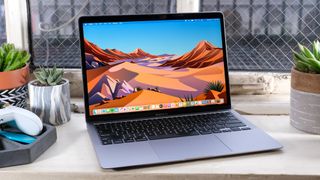
Apple MacBook Air M1 (late 2020) review

(Image credit: Tom’s Guide)

Apple’s M1 chip has already proven it’s a force to be reckoned with, but a newly-revealed benchmark test shows that Intel and AMD should be very scared. 

PassMark benchmark shows that the M1 has defeated the upcoming Intel Core i7-11700K CPU in single-core performance. That means the only chip running better than the M1 is the Core i9-11900K.

passmark apple m1 benchmarking
(Image credit: Passmark)

The M1 chip has already proven to be a force to be reckoned with. Developing Mac chips in house was a big step to make, especially given the dominance of Intel and AMD. But Apple proved it has what it takes to make it work, as seen by the stellar performance of the M1 chip when it launched last year.

Our testing found that the M1 MacBook Air and M1 MacBook Pro have superior battery life compared to their Intel-powered counterparts. Performance was much better in our experience as well, especially with resource-heavy applications like Google Chrome and Photoshop.RECOMMENDED VIDEOS FOR YOU…CLOSEhttps://imasdk.googleapis.com/js/core/bridge3.447.1_en.html#goog_341907682Volume 0% PLAY SOUND

Interestingly, Intel has already claimed its Core i7-1165G7 processor offered faster processing and better battery life than the Apple M1 chip. Critics have pointed out there are several caveats to Intel’s numbers, meaning Apple didn’t have too much to worry about.

Plus, we’ve been hearing several rumors about the M1X chip, which promises to be significantly more powerful than the M1. It’s been speculated that the chip could arrive during the Apple April event, though there hasn’t been any official word.

Of course. it’s about more than just performance. Apple’s M1 chip is pretty affordable for that sort of power, and NoteBook Check points out that the Rocket Lake i9-11900K has an MSRP of $539. The M1 Mac Mini can be purchased for $699, so you could get an entire M1 machine for $160 more than the cost of the i9-11900K on its own.

Of course, the M1 MacBook Air and M1 MacBook Pro start at $999 and $1,299, respectively, so it’s not like Apple can really be considered a budget brand. It just happens to have Intel beat right now where the power/affordability balance is concerned.

Of course, the M1 chip still has a ways to go when it comes to gaming, even though you can run some mainstream titles at respectable frame rates. We’ll have to see how Apple Silicon evolves on this front. 

https://www.mindbodygreen.com/articles/neuroscientists-favorite-brain-hacks-for-getting-quality-sleep

9 Ways To Hack Your Brain For Better Sleep, From A Neuroscientist

mindbodygreen Editorial AssistantBy Sarah Regan

Image by DANIL NEVSKY / StocksyOur editors have independently chosen the products listed on this page. If you purchase something mentioned in this article, we may earn a small commission.March 26, 2021 — 9:03 AMShare on:

Sleep and the brain go hand in hand. As we sleep, our brain goes through different stages, which serve different purposes, from consolidating memories to flushing the brain of waste, “recharging” our physical batteries, and, of course, dreaming.

Even if you’re getting a full night’s sleep, there’s always room to improve your actual sleep quality, as well as initiate sleep more effectively. To find out how, we asked neuroscientist and author of Biohack Your Brain Kristen Willeumier, Ph.D., for her top strategies to help the brain prepare for deep sleep:

1. Dim the lights.

As Willeumier explains, lights will decrease your body’s production of melatonin, which is what helps signal the body that it’s time to sleep. To help support melanin production, she recommends dimming the lights about an hour before you go to sleep.ADVERTISEMENT

2. Don’t eat too soon before bed.

Eating anything (particularly a large meal) too soon before bed can have negative effects on your quality of sleep because it takes a fair amount of energy to digest food. Willeumier recommends reducing your food consumption at least three hours before bed. If you do need to reach for a bedtime snack, she says magnesium-rich foods like nuts and seeds or a bit of dark chocolate are good options.

3. Add magnesium into your bedtime routine.

sleep support+The deep and restorative sleep you’ve always dreamt about*★ ★ ★ ★ ★★ ★ ★ ★ ★ (4.8)SHOP NOW

And speaking of magnesium, it’s a favorite supplement of Willeumier’s for clients who have trouble getting to sleep. She also recommends pharmaGABA, the natural form of the GABA neurotransmitter. (It just so happens that mindbodygreen’s sleep support+ formula contains both sleep enhancers, as well as relaxing jujube!) Magnesium is an “essential mineral needed to help calm the body down,” Willeumier notes, and it also works to calm the mind, so you can get to sleep faster and wake up more rejuvenated.* Take it about half an hour before bed to see the best results, she adds.

4. Have a consistent sleep schedule.

One of the best ways to avoid tossing and turning at night is to go to sleep at the same time every evening. “Your brain does very well when it’s on a routine,” Willeumier notes. If possible, she always tells her patients to aim to sleep between 10 p.m. and 6 a.m. to sync up with their body’s natural production of melatonin, which kicks off at around 9 p.m.

5. Cut off the caffeine early in the afternoon.

As you likely know, caffeine and sleep don’t mix. But a lot of people don’t realize that caffeine has a half-life of up to six to eight hours, meaning it takes a while to pass through our systems. As such, Willeumier advises avoiding caffeine after 3 p.m.—and that includes things like tea and soft drinks, as well as coffee.

6. The same goes for alcohol…

You might be able to get away with a glass of wine at dinner if you’re eating early enough, but Willeumier says to try to stop consuming any alcohol at least five hours before bed. “It interferes with your sleep architecture in the evening,” she notes, and it’s known to inhibit REM sleep.

7. Do a relaxing meditation.

If you’re looking for some calming evening activities to do rather than staring at a screen, Willeumier suggests trying a guided meditation geared toward sleep, “to help shift your brain into those slower brain wave states.” Other types of audio such as binaural beats for sleep, or even soothing nature sounds, would work here as well.

8. Try an Epsom salt bath.

Epsom salt baths can be particularly helpful if you’re holding a lot of tension in the body or are feeling physically restless, Willeumier explains. Taking any kind of bath can be a calming self-care ritual, and the salts contain magnesium, giving you the added benefit of deep physical and mental relaxation.

9. Reach for your lavender essential oil.

And lastly, one more great hack for sleep is calling on your sense of smell. As you’re getting ready for bed, Willeumier recommends sniffing lavender essential oil for relaxation. You can add 5 to 10 drops to a diffuser or 3 to 6 drops to your Epsom salt bath to help signal to your body that it’s time to start unwinding.

There’s no question that if you want to have a great day, it starts the night before, with sleep that’s deep and restorative. Whether your issue is actually falling asleep or staying asleep throughout the night, incorporating these brain-supporting activities into your nighttime routine can help prepare the brain to catch plenty of zzz’s.If you are pregnant, breastfeeding, or taking medications, consult with your doctor before starting a supplement routine. It is always optimal to consult with a health care provider when considering what supplements are right for you.

Sarah Regan

Sarah Reganmindbodygreen Editorial AssistantSarah Regan is a writer, registered yoga instructor, and Editorial Assistant at mindbodygreen. She received her bachelor’s in broadcasting and mass communication from SUNY Oswego,

https://parkinsonsnewstoday.com/2021/03/25/parkinsons-mutation-causes-impaired-neuron-growth-throughout-life/

Parkinson’s Mutation Causes Impaired Neuron Growth Throughout Life

BY MARISA WEXLER

IN NEWS.

Parkinson’s Mutation Causes Impaired Neuron Growth Throughout Life

Click here to subscribe to the Parkinson’s News Today Newsletter! 5 (1)

Dopamine-producing neurons in the brain grow throughout life, but this growth is hindered by a genetic mutation that is associated with the development of Parkinson’s disease, a new study demonstrates.

The researchers hope these findings will lead scientists to “focus on enhancing the generation of new dopamine-producing neurons, rather than just trying to protect these neurons from dying later,” the investigators said in a press release.

The study, “PINK1 deficiency impairs adult neurogenesis of dopaminergic neurons,” was published in Scientific Reports.

Neurogenesis is the process by which new neurons — the nervous system cells that send electrical signals — are created. It was long thought that neurogenesis did not occur in the adult brain. However, emerging research has demonstrated that, at least in some instances, neurogenesis can occur throughout life.

Parkinson’s disease is caused by the impairment or death of neurons in the brain that produce a signaling molecule called dopamine. To date, the relevance of adult neurogenesis in the biological processes of Parkinson’s has not been clear.

To learn more, an international team of researchers first expanded on previous efforts to characterize regions of dopamine-producing neurons in the brains of zebrafish. These fish are a useful model for this kind of research because their nervous systems can easily be seen throughout development.

In keeping with prior findings, the researchers identified several dopamine-producing brain regions in the fish. They showed that in some, but not all, of these regions, there was evidence of continued growth of dopamine-producing neurons — in other words, neurogenesis. However, they noted, the rate of neurogenesis declined with increasing age.

The team then examined the impact of mutations in a gene called PINK1 on these parts of the fishes’ brains.

“We know that mutations in the PINK1 gene cause an early onset, inherited form of Parkinson’s disease,” said Oliver Bandmann, MD, PhD, a professor at the Sheffield Institute for Translational Neuroscience, in the U.K., and a co-author of the new study.

“If we can further our understanding about the impact of this genetic mutation on the dopamine-producing neurons we can develop new therapeutic approaches that aim to mitigate those effects,” Bandmann said.

The researchers demonstrated that fish with or without mutant PINK1 show similar production of dopamine-producing neurons up to about three months of age. However, whereas this neurogenesis continues in wild-type fish, it is impaired in fish with a PINK1 mutation.

Additional experiments further demonstrated that the growth of dopamine-producing neurons was hindered in fish with a PINK1 mutation. Such PINK1 mutations also consistently led to a decrease in the numbers of progenitor cells — that is, cells that are able to grow and differentiate into dopamine-producing neurons.

“Zebrafish lacking functional PINK1 display comparable expansion of DA [dopamine-producing] neuron populations in early life stages … but fail to expand these populations in later stages of life,” the researchers concluded.

Notably, while animal models like zebrafish can be convenient for research, findings in these models do not always translate into humans. To test the relevance of these findings in human tissue, the team experimented with organoids.

As their name implies, organoids are a type of three-dimensional cell culture, in which cells are grown in a lab in a physical setup that is designed to mimic the way cells are arranged within the body’s organs. In this case, the researchers used organoids of brain tissue. Consistent with the fish experiments, they found that PINK1 mutations impaired the neurogenesis of dopamine-producing neurons.

“This study attests to the power of using simple model organisms for pre-clinical translational research,” said Marysia Placzek, a study co-author and a professor at the University of Sheffield.

“We used the zebrafish to demonstrate that dopamine-producing neurons are generated into adulthood at a rate that decreases with age and that PINK1-deficiency impairs neurogenesis of these neurons, significantly in early adult life. Our international collaborators then confirmed these results in a human organoid cell model,” Placzek said.

Overall, the findings support the idea that biological processes that impact neurogenesis later in life could play important roles in diseases like Parkinson’s. Further research efforts to better understand these processes, as well as the exact role of PINK1, are ongoing.Marisa Wexler

Marisa holds an MS in Cellular and Molecular Pathology from the University of Pittsburgh, where she studied novel genetic drivers of ovarian cancer. She specializes in cancer biology, immunology, and genetics. Marisa began working with BioNews in 2018, and has written about science and health for SelfHacked and the Genetics Society of America. She also writes/composes musicals and coaches the University of Pittsburgh fencing club.Fact Checked By:Ana de Barros PhDAna holds a PhD in Immunology from the University of Lisbon and worked as a postdoctoral researcher at Instituto de Medicina Molecular (iMM) in Lisbon, Portugal. She graduated with a BSc in Genetics from the University of Newcastle and received a Masters in Biomolecular Archaeology from the University of Manchester, England. After leaving the lab to pursue a career in Science Communication, she served as the Director of Science Communication at iMM.