https://www.psypost.org/2021/05/brain-imaging-study-finds-that-teaching-math-anxious-students-to-reframe-their-anxieties-improves-their-performance-60954

Brain imaging study finds that teaching math anxious students to reframe their anxieties improves their performance

by Beth EllwoodMay 29, 2021in AnxietyCognitive Science

(Photo credit: Richard Watts/NIH Image Gallery)

(Photo credit: Richard Watts/NIH Image Gallery)

New research suggests that a cognitive reappraisal strategy can help math anxious individuals regulate their negative emotions surrounding math. The study found neural evidence that this reappraisal allows for increased activity in regions of the brain responsible for arithmetic — paving the way for improved math performance. The findings were published in Social Cognitive and Affective Neuroscience.

Math anxiety, as the term would suggest, is characterized by feelings of distress or fear that arise when confronted with mathematical tasks. Such anxiety can follow a person throughout their lives, not only affecting math performance in school but interfering with everyday life.

Study authors Rachel G. Pizzie and her team wanted to explore an intervention strategy that might alleviate the effects of math anxiety by targeting its emotional component. The strategy they proposed focused on cognitive reappraisal — the practice of reframing an emotional situation before it has a chance to lend its emotional impact. They proposed that limiting the affective component of math anxiety should free up cognitive resources that can then be allocated toward mathematical tasks.https://googleads.g.doubleclick.net/pagead/ads?client=ca-pub-9585941727679583&output=html&h=400&slotname=1119529262&adk=1525601715&adf=2876070054&pi=t.ma~as.1119529262&w=580&lmt=1622398318&rafmt=12&psa=1&format=580×400&url=https%3A%2F%2Fwww.psypost.org%2F2021%2F05%2Fbrain-imaging-study-finds-that-teaching-math-anxious-students-to-reframe-their-anxieties-improves-their-performance-60954&flash=0&wgl=1&uach=WyJtYWNPUyIsIjEwXzExXzYiLCJ4ODYiLCIiLCI5MC4wLjQ0MzAuMjEyIixbXV0.&dt=1622404278843&bpp=1&bdt=1057&idt=1719&shv=r20210524&cbv=%2Fr20190131&ptt=9&saldr=aa&abxe=1&prev_fmts=0x0%2C970x90&correlator=5642841402316&frm=20&pv=1&ga_vid=489211584.1622404280&ga_sid=1622404280&ga_hid=1589236504&ga_fc=0&u_tz=-420&u_his=1&u_java=0&u_h=1050&u_w=1680&u_ah=980&u_aw=1680&u_cd=24&u_nplug=3&u_nmime=4&adx=399&ady=1378&biw=1677&bih=900&scr_x=0&scr_y=0&eid=182982000%2C182982200%2C31060973%2C31060839&oid=3&pvsid=2603116352803206&pem=924&ref=https%3A%2F%2Fnews.google.com%2F&eae=0&fc=896&brdim=0%2C23%2C0%2C23%2C1680%2C23%2C1677%2C980%2C1677%2C900&vis=1&rsz=%7C%7CeEbr%7C&abl=CS&pfx=0&cms=2&fu=256&bc=31&ifi=3&uci=a!3&btvi=1&fsb=1&xpc=c65nKg2RAl&p=https%3A//www.psypost.org&dtd=1736

“I am ultimately interested in how emotion interacts with learning and thinking. In this case, studying math anxiety allows us to explore how anxiety and negative emotion associated with math interferes or impedes our ability to approach mathematics or perform math calculations,” explained Pizzie, an assistant professor and the director of the Cognitive and Affective Neuroscience (CAN) lab at Gallaudet University.

“These emotional processes can have big consequences, where we see that math anxious individuals are deterred from math classes and careers that involve quantitative skills, such as Science, Technology, Engineering and Mathematics (STEM). Ultimately, I’m interested in understanding how these emotional processes work in the context of education, so we can create better methods for intervening to help individuals have a more positive experience, and to reduce the impact of these negative emotions on performance.”

Pizzie and her colleagues had a sample of 74 students between the ages of 13 and 22 partake in a laboratory experiment. The students presented with varying levels of math anxiety, as measured by a questionnaire at the end of the study. While attached to a functional magnetic resonance imaging (fMRI) scanner, subjects went through a series of trials where they were presented with either math or word analogy problems.

“In this fMRI study, we explored how cognitive reappraisal, an emotion regulation technique that involves rethinking or reframing an emotional experience, can be used in the context of mathematics for those who have increased math anxiety,” Pizzie told PsyPost. “Since math anxious individuals experience heightened negative emotion while doing math calculations, we hypothesized that they might be benefited by using a technique to help regulate this negative emotion.”

At the start of the study, the students were trained on a cognitive reappraisal strategy that taught them to either reframe the problem (e.g., imagining themselves explaining it to a friend) or to reframe their stress response to the problem (e.g., reminding themselves that anxiety can be useful and potentially improve their focus on the problem). For every block of six trials, the students were instructed to either use a reappraisal strategy or to simply approach the tasks as they normally would.

“In order to “reappraise” a math problem, we asked participants to imagine they were completing the math problem in a low-stakes context, such as explaining the problem to a friend, or imagining that the stress or anxiety they might be feeling would help them address the challenge of completing the problem,” Pizzie said.

As expected, the researchers found that students with greater math anxiety performed worse on the math problems compared to those with low math anxiety. However, the cognitive reappraisal strategy appeared to reduce the performance differences between the two groups. Students with math anxiety did better on the math problems when they used a reframing strategy, compared to when they approached the problems as they normally would.

Moreover, the reappraisal strategy appeared to be most effective among those with the greatest math anxiety. The higher a students’ math anxiety, the more their accuracy improved during the reappraisal trials compared to the non-reappraisal trials. Students with greater math anxiety also tended to rate their experience less negatively in the reappraisal trials.

Pizzie and colleagues also found neural evidence that might explain why the reappraisal strategies improved the students’ math performance. First, students using the reappraisal strategy while solving the math problems showed a pattern of activity within a network of brain areas that are typically activated during the reframing of emotional stimuli. This suggests that students were effectively able to apply cognitive reappraisal to the math tasks.

Furthermore, among math anxious students, math performance improvements that were attributed to the reappraisal strategy were linked to increased activity in parts of the brain involved in arithmetic, particularly the bilateral intraparietal sulcus (IPS). This finding suggests that the reappraisal strategy improved the performances of math anxious students by boosting the engagement of brain regions involved in arithmetic.

“The results show that for more highly math anxious individuals using a reappraisal technique, more accurate math performance was also associated with increased brain activity in neural regions of the brain that are associated with arithmetic processing,” Pizzie told PsyPost.

“Overall, this result demonstrates that highly math anxious individuals who implement this reappraisal technique show an improvement in math accuracy that corresponds to an increase in brain activity in regions associated with math calculations, suggesting this is a promising technique to help highly math anxious individuals improve their performance and decrease their negative experience.”

But the study — like all research — includes some caveats.

“More research needs to be done to address how emotion regulation techniques like reappraisal might be utilized in math learning, or in ‘real-world’ contexts like math classrooms,” Pizzie explained. “In this study, all our participants completed the task in an fMRI scanner, and we used a task that all our participants already knew how to do: order-of-operations arithmetic problems. Using a technique like reappraisal may be very different when people are less familiar with the material, or are actively engaged in the learning process.”

“In addition, individuals who experience math anxiety may represent a diverse set of educational backgrounds and learning experiences,” Pizzie added. “Even though we think reappraisal is a flexible technique that can be implemented in a wide variety of contexts, this study hasn’t addressed how these different experiences and real-word contexts could affect the kind of results that we see in this study.”

Nevertheless, the authors conclude that cognitive reappraisal shows promise as an intervention strategy to improve math performance among those high in math anxiety.

“Even though we don’t necessarily think of ‘math’ as being particularly ’emotional,’ math anxiety provides an important way to study emotions and how they occur in a real-world context,” Pizzie said. “Past studies using cognitive reappraisal have mostly focused on more traditional affective or emotional stimuli, like emotional movies, pictures, and other affective experiences.”

“However, when we look at participants’ brain activity while they use cognitive reappraisal while doing math calculations, we also see increased brain activity in the same networks of brain regions that are used to reappraise traditional negative stimuli. In other words, even though participants are reappraising math instead of negative pictures, we still observe increased activity in the same networks of brain regions that process regulating negative affect using reappraisal.”

The study, “Neural evidence for cognitive reappraisal as a strategy to alleviate the effects of math anxiety”, was authored by Rachel G. Pizzie, Cassidy L. McDermott, Tyler G. Salem, and David J.M. Kraemer.

https://scitechdaily.com/alzheimers-world-first-discovery-blood-oxygen-levels-could-explain-why-memory-loss-is-an-early-symptom/


Alzheimer’s “World First” Discovery: Blood Oxygen Levels Could Explain Why Memory Loss Is an Early Symptom

TOPICS:Alzheimer’sBrainDementiaMemoryUniversity Of Sussex

By UNIVERSITY OF SUSSEX MAY 29, 2021

3D Brain Illustration
  • The findings demonstrate how the brain’s memory center operates at a ‘watershed’ making it especially vulnerable to damage
  • Study suggests increasing blood flow in the hippocampus might be really effective at preventing damage and memory loss
  • Findings underline importance of exercise and a low-cholesterol diet in long-term brain health, by boosting blood vessel health and brain blood flow

In a world first, scientists from the University of Sussex have recorded blood oxygen levels in the hippocampus and provided experimental proof for why the area, commonly referred to as “the brain’s memory center,” is vulnerable to damage and degeneration, a precursor to Alzheimer’s disease.

To understand why this region is so sensitive, the University of Sussex researchers, headed up by Dr. Catherine Hall from the School of Psychology and Sussex Neuroscience, studied brain activity and blood flow in the hippocampus of mice. The researchers then used simulations to predict that the amount of oxygen supplied to hippocampal neurons furthest from blood vessels is only just enough for the cells to keep working normally.

Dr. Catherine Hall, Senior Lecturer in Psychology at the University of Sussex says:

“These findings are an important step in the search for preventative measures and treatments for Alzheimer’s, because they suggest that increasing blood flow in the hippocampus might be really effective at preventing damage from happening.

“If it’s right that increasing blood flow in the hippocampus is important in protecting the brain from diseases like Alzheimer’s, then it will throw further weight behind the importance of regular exercise and a low-cholesterol diet to long-term brain health.

“We think that the hippocampus exists at a watershed.  It’s just about OK normally, but when anything else happens to decrease brain blood flow, oxygen levels in the hippocampus reduce to levels that stop neurons working. We think that’s probably why Alzheimer’s disease first causes memory problems – because the early decrease in blood flow stops the hippocampus from working properly.

“The same factors that put you at risk of having a heart attack make you more likely to develop dementia. That’s because our brains need enough blood flow to provide energy – in the form of oxygen and glucose – so brain cells can work properly, and because blood flow can clear away waste products such as the beta amyloid proteins that build up in Alzheimer’s disease.

“Now we want to discover whether the lower blood flow and oxygen levels in the hippocampus are what causes beta amyloid to start to build up in Alzheimer’s disease. Understanding what causes early damage will be really important to help us learn how to treat or prevent disease.”

Dr. Kira Shaw, a psychology researcher at the University of Sussex who undertook the main experiments, said:

“We found that blood flow and oxygen levels in the hippocampus were lower than those in the visual cortex. Also, when neurons are active, there is a large increase in blood flow and oxygen levels in the visual cortex. This provides energy to hungry neurons. But in the hippocampus, these responses were much smaller.”

The scientists also found that blood vessels in the hippocampus contained fewer mRNA transcripts (codes for making proteins) for proteins that shape blood vessel dilation. Additionally, the cells that dilate small blood vessels, called pericytes, were a different shape in the hippocampus than in the visual cortex.

Dr. Shaw concluded: “We think blood vessels in the hippocampus are less able to dilate than in the visual cortex.”

Reference: “Neurovascular coupling and oxygenation are decreased in hippocampus compared to neocortex because of microvascular differences” by K. Shaw, L. Bell, K. Boyd, D. M. Grijseels, D. Clarke, O. Bonnar, H. S. Crombag and C. N. Hall, 27 May 2021, Nature Communications.
DOI: 10.1038/s41467-021-23508-y

The full research paper, ‘Neurovascular coupling and oxygenation are decreased in hippocampus compared to neocortex because of microvascular differences’ is published in Nature Communications. This research was funded by the Medical Research Council, the Academy of Medical Sciences, and the Wellcome Trust.

We recommend

  1. Brain Takes a Beating As Arteries AgeMike ONeill, SciTechDaily, 2019
  2. Study Reveals that the Brain Rewires Itself after InjuryStaff, SciTechDaily, 2013
  3. MIT Scientists Reveal Brain Rhythm Role in Alzheimer’s ResearchMike ONeill, SciTechDaily, 2019
  4. Stimulating the Entorhinal Cortex Boosts MemoryStaff, SciTechDaily, 2012
  5. Turtle and Lizard Brains Shed Light on Human Brain EvolutionJames Kelly, SciTechDaily, 2018
  1. Making room for new memoriesWells et al., J Cell Biol, 2001
  2. Mammalian Brain Cortex Cell Populations Characterized by Single-Cell SequencingGenomeWeb, 2018
  3. GABAergic interneurons excite neonatal hippocampus in vivoYasunobu Murata et al., Sci Adv, 2020
  4. Spikes in the sleeping brainYuji Ikegaya et al., Science, 2019
  5. Dulaglutide and cardiovascular outcomes in type 2 diabetes (REWIND): a double-blind, randomised placebo-controlled trialProf Hertzel C Gerstein et al., The Lancet, 2019

https://neurosciencenews.com/anesthesia-cognition-consciousness-18520/

Escape From Oblivion: How the Brain Reboots After Deep Anesthesia

FeaturedNeurologyNeuroscienceOpen Neuroscience Articles·May 29, 2021

Summary: Following deep anesthesia, consciousness and cognitive processes unfold over time. The prefrontal cortex is the first brain area to recover, with areas associated with reaction time and attention taking longer to return to pre-anesthesia states.

Source: University of Michigan

Millions of surgical procedures performed each year would not be possible without the aid of general anesthesia, the miraculous medical ability to turn off consciousness in a reversible and controllable way.

Researchers are using this powerful tool to better understand how the brain reconstitutes consciousness and cognition after disruptions caused by sleep, medical procedures requiring anesthesia, and neurological dysfunctions such as coma.

In a new study published in the journal eLife, a team led by anesthesiologists George Mashour, M.D., Ph.D. of University of Michigan Medical School, Michigan Medicine, Max Kelz, M.D., Ph.D. of the University of Pennsylvania Medical School, and Michael Avidan, MBBCh of the Washington University School of Medicine used the anesthetics propofol and isoflurane in humans to study the patterns of reemerging consciousness and cognitive function after anesthesia.

In the study, 30 healthy adults were anesthetized for three hours. Their brain activity was measured with EEG and their sleep-wake activity was measured before and after the experiment. Each participant was given cognitive tests–designed to measure reaction speed, memory, and other functions–before receiving anesthesia, right after the return of consciousness, and then every 30 minutes thereafter.

The study team sought to answer several fundamental questions: Just how does the brain wake up after profound unconsciousness–all at once or do some areas and functions come back online first? If so, which?

“How the brain recovers from states of unconsciousness is important clinically but also gives us insight into the neural basis of consciousness itself,” says Mashour.

After the anesthetic was discontinued and participants regained consciousness, cognitive testing began. A second control group of study participants, who did not receive general anesthesia and stayed awake, also completed tests over the same time period.

Analyzing EEG and test performance, the researchers found that recovery of consciousness and cognition is a process that unfolds over time, not all at once. To the investigators’ surprise, one of the brain functions that came online first was abstract problem solving, controlled by the prefrontal cortex, whereas other functions such as reaction time and attention took longer to recover.https://3995d3491ffc76d44bbb6c4ce9d24e6a.safeframe.googlesyndication.com/safeframe/1-0-38/html/container.html

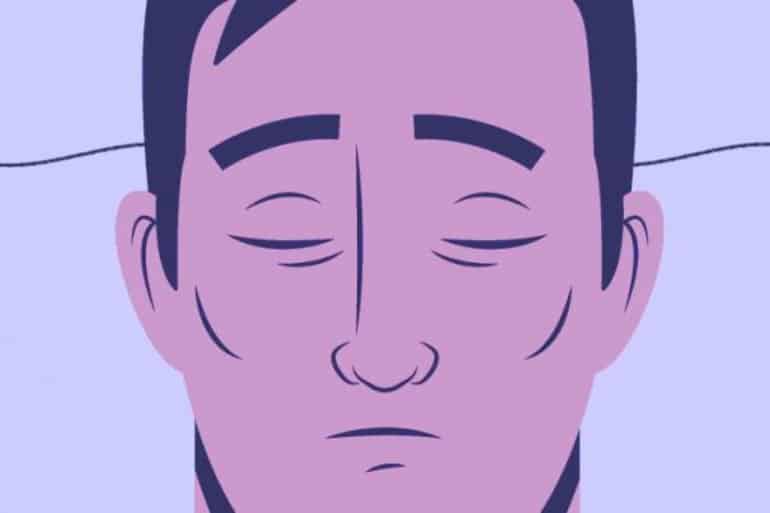
This is a cartoon of a sleeping man
Animation of a person waking up from anesthesia. Credit: Jacob Dwyer, Michigan Medicine

“Although initially surprising, it makes sense in evolutionary terms that higher cognition needs to recover early. If, for example, someone was waking up to a threat, structures like the prefrontal cortex would be important for categorizing the situation and generating an action plan,” says Kelz.https://3995d3491ffc76d44bbb6c4ce9d24e6a.safeframe.googlesyndication.com/safeframe/1-0-38/html/container.html

The EEG readings revealed that the frontal regions of the brain were especially active around the time of recovery. Importantly, within three hours of being deeply anesthetized for a prolonged period of time, participants were able to recover cognitive function to approximately the same level as the group that stayed awake during that time. Furthermore, their sleep schedule in the days after the experiment did not appear to be affected.

“This suggests that the healthy human brain is resilient, even with a prolonged exposure to deep anesthesia. Clinically, this implies that some of the disorders of cognition that we often see for days or even weeks during recovery from anesthesia and surgery–such as delirium–might be attributable to factors other than lingering effects of anesthetic drugs on the brain,” says Avidan.https://3995d3491ffc76d44bbb6c4ce9d24e6a.safeframe.googlesyndication.com/safeframe/1-0-38/html/container.html

Funding: This study was funded by a collaborative grant from the James S. McDonnell Foundation, St. Louis, MO; National Institutes of Health (Bethesda, MD, USA) grant T32GM112596; and the anesthesiology departments of the University of Michigan, University of Pennsylvania and Washington University.

About this consciousness research news

Source: University of Michigan
Contact: Kelly Malcom – University of Michigan
Image: The image is credited to Jacob Dwyer, Michigan Medicine

Original Research: Open access.
Recovery of consciousness and cognition after general anesthesia in humans” by George A Mashour, Ben JA Palanca, Mathias Basner, Duan Li, Wei Wang, Stefanie Blain-Moraes, Nan Lin, Kaitlyn Maier, Maxwell Muench, Vijay Tarnal, Giancarlo Vanini, E Andrew Ochroch, Rosemary Hogg, Marlon Schwartz, Hannah Maybrier, Randall Hardie, Ellen Janke, Goodarz Golmirzaie, Paul Picton, Andrew R McKinstry-Wu, Michael S Avidan, Max B Kelz. eLife

https://www.mindbodygreen.com/articles/herbalist-on-best-bedtime-herbs-for-vivid-dreams

Subcategory Navigation

SPIRITUALITY

A Herbalist Spills The Tea On What Herbs Can Give You Vivid Dreams

mbg Spirituality & Relationships WriterBy Sarah Regan

Image by Charles Deluvio / UnsplashOur editors have independently chosen the products listed on this page. If you purchase something mentioned in this article, we may earn a small commission.May 30, 2021 — 11:08 AMShare on:

Few things are more fascinating—and mysterious—than our dreams. If you’ve dipped your toes in the dream interpretation realm, you might be wondering how you can have more vivid or lucid dreams (and the resulting peeks into your subconscious) on a nightly basis.

According to Rachelle Robinett, R.H., the founder of herbalism education company Supernatural, certain herbs are here to help. Here’s what she had to say about achieving vivid dreams using herbal allies, plus a ritual to get you started.

The herb-dream connection.

According to Robinett, certain herbs can have a powerful effect on sleep and dreams. “The typical blends for lucid dreaming and dream recall, or vivid dreaming, are generally nootropics and hypnotics or sedatives,” she explains to mbg.

Nootropics are drugs or supplements believed to improve cognitive function, including memory. And hypnotics or sedatives, which Robinett notes are pretty interchangeable, allow you to be relaxed and somewhat sedated.

“Nootropics are stimulating cognitively but not caffeinated,” she adds, “and hypnotics or sedatives create this tension where you’re partly awake and you’re kind of sedated, so you’re able to be in that lucid state for longer or be more aware of your time in that space.”

And this isn’t a 21st-century discovery by any means: Cultures around the world have been incorporating herbs into their dreaming regimens for generations. From Mexico to China to India and even ancient Aztec civilizations, our ancestors have long believed in the power of herbs for dreams.ADVERTISEMENThttps://ad847b4e73409bbc6ba2c95065172a4c.safeframe.googlesyndication.com/safeframe/1-0-38/html/container.html

11 herbs for dreams.

Robinett says that these 11 herbs are great for getting us into the relaxed, receptive state where dreaming can occur. As always, talk to your doctor before adding any new herbals to your routine, as they can interfere with certain medications:

  1. Gotu kola: An herb that would be considered a nootropic, found in research to improve cognitive function and promote healthy aging.
  2. Ginkgo: A plant native to China, ginkgo is another nootropic, Robinett says. It’s thought to improve cognition as well as memory.
  3. Bacopa: Long used in Ayurveda, bacopa is a nootropic herb that has been found in research to improve cognition and memory and even increase cerebral circulation.
  4. Rosemary: It’s great in your food and for dreaming, too! Rosemary, according to Robinett, increases cerebral circulation and may improve dream recall.
  5. Cordyceps: A type of fungus, cordyceps have actually been found in animal studies to increase nonrapid eye movement sleep.
  6. Lavender: A favorite herb when it comes to calming down, Robinett notes lavender can also help open your mind.
  7. Valerian: Moving into the sedative and hypnotic herbs, Robinett says valerian is one of the biggest heavy-hitters. Research suggests valerian can help improve sleep quality in some people.
  8. California poppy: The California poppy has hypnotic and sedative effects, Robinett tells mbg.
  9. Hops: Believe it or not, hops can actually help you sleep. It’s known for its calming properties, and in one study, researchers found nurses who worked rotating shifts were able to fall asleep faster after consuming it.
  10. Blue lotus: Robinett notes blue lotus is a favorite for dreaming and achieving a “trippy” state. It’s been used as far back as Ancient Egypt, and it can produce a somewhat “dreamlike” effect.
  11. Mugwort: “If you had to choose one herb for dreaming, it would be mugwort,” Robinett says, adding that “it’s a must.” It’s believed to help induce vivid and even lucid dreams.

How to take them.

If you’re looking to have some fun and interesting dreams, start by brewing the herb of your choice into a tea. A strong, small cup is better since you don’t want to drink a ton of tea before bed, for obvious reasons! From there, you can put a few drops of an essential oil blend on your wrist, perhaps light some incense, and just relax before bed as you sip your tea. Next stop: your subconscious.

https://www.barrons.com/articles/economist-daniel-kahneman-says-noise-is-wrecking-your-judgment-heres-why-and-what-to-do-about-it-51622228892


Daniel Kahneman Says Noise Is Wrecking Your Judgment. Here’s Why, and What to Do About It.


By Beverly GoodmanMay 28, 2021 3:08 pm ET

  • Order Reprints
  • Print Article
BARRON’S NEWSLETTERS

The Barron’s Daily

A morning briefing on what you need to know in the day ahead, including exclusive commentary from Barron’s and MarketWatch writers.I would also like to receive updates and special offers from Dow Jones and affiliates. I can unsubscribe at any time.
I agree to the Privacy Policy and Cookie Policy.SIGN UP

Illustration by Oriana Fenwick

Text sizeListen to this article  8 minutes00:00 / 08:181xThis article is in your queue.Open Queue

Perhaps more than anyone else, Daniel Kahneman changed our understanding of how people think about money and make financial decisions. Early in his career, the 87-year-old Israeli-American psychologist, along with research partner Amos Tversky, rejected the notion of the “rational actor” and instead mapped the myriad errors people make due to predictable biases and behavioral tendencies.

Kahneman has always made us question our assumptions, showing us why people exhibit poor judgment, leading to a Nobel Prize in Economics in 2002. His 2011 tome Thinking, Fast and Slow was about bias, the way our judgments are wrong in consistent, predictable ways. His latest book, Noise: A Flaw in Human Judgment, with coauthors Olivier Sibony and Cass R. Sunstein, looks at what he now says is the most common cause of bad decision-making. Noise is variability, the wide dispersion of “correct” answers—and the amount of noise among so-called professionals in finance, medicine, and elsewhere is nothing short of alarming. Kahneman chatted with Barron’s to explain the causes of noise and how we can mitigate their effects. An edited version of our conversation follows.

Barron’s: You say that errors in judgment have two main components, bias and noise. Let’s start there.https://tpc.googlesyndication.com/safeframe/1-0-38/html/container.html

Daniel Kahneman: When judgements have a correct answer, bias is the average error. Noise is the variability of the error. It’s that simple. And even when you don’t know the correct answer, you can still observe noise.

What turned your research from bias to noise?

A consulting exercise for an insurance company—it wanted help determining the right premiums for its products. They constructed cases and submitted them to 48 underwriters. The question was, how much variability, or noise, is there among underwriters? It turned out to be 55%—not the 10% they expected. Even I was surprised. The organization was completely unaware they had this problem. Noise was not on their radar. Variability is very costly, even if your premiums are correct, on average. A premium that’s too high will cause the insurer to lose business, and a premium that’s too low leaves money on the table. The insurer was losing hundreds of millions a year because of variability in its premiums.

Is noise more useful than bias?

It’s easier to measure. Different economic forecasters will be noisy. A year later, there will be a correct answer. That’s when you can determine bias—whether [each forecaster] generally overestimated or underestimated the information. You don’t have to wait a year to observe noise.

What causes noise?

We distinguish three sources of noise. The easiest example is judges passing sentences. Some judges are more severe than other judges would rule on the same cases. That’s level noise.

Another source of variability is how one judge’s decisions might change during different mental states, or from hearing a case in the morning versus the afternoon. We call that occasion noise.

Probably the most important source of variability is that people just see the world differently—that’s pattern noise. Judges view different criminals differently. One of them would be more severe in case A, and the other would be more severe in case B. We are not aware of it, because we can’t look inside people’s heads.

What can investors take from this?

It’s exactly the same for investment officers. Some will be optimists or pessimists, or more or less eager to trade. That’s level noise. Occasion noise is when your mood or the outcome of your last decision has a big effect on your judgement—it’s random within the individual. And pattern noise is the difference among what investors consider a good investment, or different attitudes. One might be very impressed by management, a bankruptcy, or another detail that another investor would consider irrelevant.

There’s a lot of variability among investor opinions about…everything. Is that a problem?

The economy and markets work on differences of opinion; you can’t consider it a bad thing. Diversification is not noise. Noise is unwanted variability; it is variability in judgements that should be identical. Federal judges are supposed to be interchangeable. Similarly, when you have an investment firm, and you assign Smith or Kagen to assess a particular investment, you don’t want sources of noise to be a factor. You shouldn’t care whether it’s Smith or Kagen making the evaluation.

Does averaging the variability, or developing a consensus, mitigate the chance of error?

It is very helpful to think of noise as measurement. If you want to measure a particular distance, and it’s important to be precise, you are going to take multiple measurements. The average of multiple independent judgements is going to be more accurate than single judgements. But in most situations, aggregating multiple independent judgements is just not practical. Investment officers can reduce the considerable amount of noise they encounter by having four people independently make an evaluation of each pattern. That’s enormously expensive; it’s not going to happen. So noise is the variability that you cannot, in practical terms, eliminate by aggregating independent judgements.

This seems like an argument for money managers—or any decision-makers—to work in teams.

The critical point is that judgements, like measurements, should be independent of each other. When you put people in a room and ask them to generate a group judgement, you are losing a lot of information. The best way to run a meeting is for individuals to come prepared with their individual judgements, and then start a discussion. If you start a discussion without eliciting prior judgements, people are going to influence each other. That’s an inefficient way of reducing noise. In some cases, discussions can cause noise.

Given this variability in professional judgement, how can the average person trust an authority, be it a doctor or money manager or mechanic?

Wherever there is judgement, there is noise, and more than you think. As an individual, you really do not have much control. A fabulously wealthy individual can afford to talk to many specialists to reduce noise. But for a regular individual, a second opinion—and, when it really matters, a third opinion—is important.

What happens in cases, like climate change, where there is near-universal agreement, but the forecasting is so far in the future that people are unwilling to make good decisions today?

That is a bias, and it’s a very large bias. We call it present bias. We are really biased toward immediate consequences. We don’t attach enough importance to things we can’t see. People can also use a diversity of opinions to ignore [facts]. People say, “Well, scientists don’t agree.” In fact, scientists pretty much agree, but there are differences. So if you want to ignore climate change or vaccinations, you can find somebody who agrees with you.

You’ve referred to overconfidence as a failure of imagination. What do you mean by that?

Overconfidence spins from the fact that we tend to latch onto one interpretation of a situation. We do not see alternatives. Individual investors tend to be overconfident; they churn their portfolios too much. Optimism is a related bias. People exaggerate the likelihood that they can control outcomes. For example, in [stock market] bubbles, people commonly exaggerate their ability to get out in time.

How can investors ensure they don’t fall prey to overconfidence in themselves or others?

Using confidence as a sign of competence is risky. I mean, it’s true that competent people are usually confident. But it is also true that many people are confident and not competent at all. It’s very tempting to take other people’s self-confidence at face value, and trust people who are very decisive. That’s one important thing to watch for. As for controlling your own overconfidence, the advice I’m going to give is completely trite: Get another opinion. If somebody that you respect doesn’t agree with you, you should question yourself seriously.

Bottom line: How can people make better decisions?

Decision hygiene. A lot of the practices used for improving judgement [are about] avoiding biases. We compare that to medication or vaccination, which is specific to a particular disease or to a particular bias. But hygiene, like washing your hands, that is different. You don’t know what germs you’re killing when you’re washing your hands, and you will never know. You’re just trying to have the germs gone. Decision hygiene is very similar to disciplined thinking. One way to discipline your thinking is independence—making sure that if you’re consulting different people, they are independent of each other. Or if you are looking at different characteristics of an investment, that you evaluate them independently of each other.

What’s another aspect of decision hygiene?

Aggregate judgements wherever possible. Making judgements comparatively, rather than absolutely, is [also] a very good procedure. People are much better at saying that A is riskier than B, rather than putting an exact number on how risky A is and how risky B is. Use comparative risk and relative risk, rather than putting absolute numbers on things. Simple rules tend to be very good; people who are not governed by rules tend to be extremely noisy in their judgements. When you become conscious of the problem of noise, you become conscious of the value of rules and of discipline.

Those rules have led you, and most people in behavioral economics, to favor index investing.

Yes, absolutely. You have a simple rule, and you follow it in a disciplined way. And it’s hard to beat.

Thanks, Danny.

https://www.scmp.com/lifestyle/health-wellness/article/3135044/sleep-deprivation-and-how-avoid-it-waking-same-time-every


Sleep deprivation and how to avoid it: from waking at the same time every day to wearing socks in bed, expert strategies for a good night’s rest

For ‘Sleep Doctor’ Michael Breus, getting enough rest is simple: understand how much you need, and work out the best time for you to sleep, work and exerciseAlways sleep at the same time, and wake up the right way, he also says. For Dr Jess Andrade, there’s one thing you must wear in bed for a good night’s sleep

Tara Loader Wilkinson

Tara Loader Wilkinson+ FOLLOW

Published: 4:15am, 29 May, 2021Why you can trust SCMP

TOP PICKShttps://dfe4435f87da1d682033fb638d628046.safeframe.googlesyndication.com/safeframe/1-0-38/html/container.htmlLifestyleThis Mandarin-speaking British fitness guru is making it big in China27 May 2021LifestyleA Chinese transgender star is the face of Dior’s new fragrance campaign28 May 2021LifestyleThe prize-winning extra-virgin olive oil that’s made in China and Japan28 May 2021LifestyleAriana Grande drops photos of her Vera Wang dress and wedding ceremony27 May 2021LifestylePublic spaces that are open and fun – is this really Hong Kong?28 May 2021LifestyleA China fashion insider’s warning for global luxury brands29 May 2021LifestyleAll the ways BTS single Butter has made history since its release27 May 2021CoronavirusThe no-alcohol spirits that let you drink without gaining weight29 May 2021LifestyleOcean Park highlights six endangered Hong Kong animal species27 May 2021LifestyleFormer Hong Kong chef has big plans for his new restaurants in Tokyo29 May 2021https://dfe4435f87da1d682033fb638d628046.safeframe.googlesyndication.com/safeframe/1-0-38/html/container.html3Post

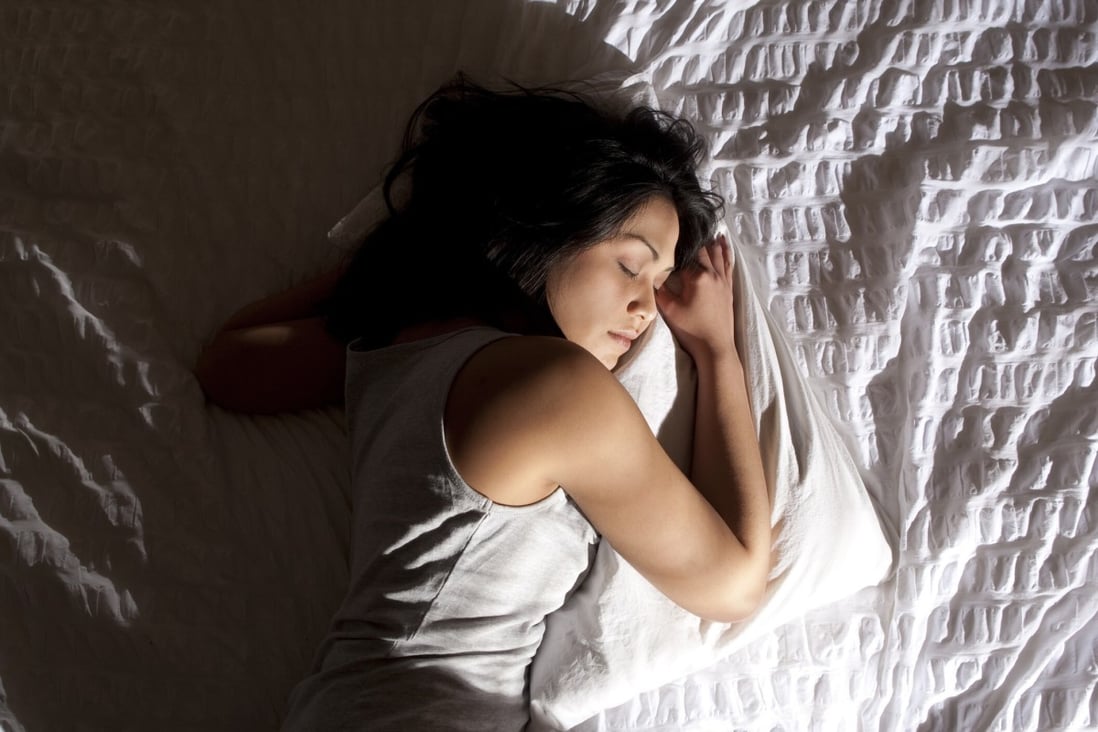
Are you sleeping well? A stressful life can affect your quality of sleep, but there are strategies to help you get a good night’s rest. Photo: Getty Images

Are you sleeping well? A stressful life can affect your quality of sleep, but there are strategies to help you get a good night’s rest. Photo: Getty Images

We have always been obsessed with sleep. But despite the technology and data at our fingertips, it seems some of us are consistently unable to get the good night’s sleep we crave.

In the United States alone, 50 to 70 million people complain of sleep deprivation or suffer from a sleep disorder. It is estimated that one in three people is sleeping badly and one in 10 suffers from insomnia, according to the Global Wellness Institute in its report Defining the Mental Wellness Economy.

The choice of sleep aid gadgets is endless: weighted blankets, noise cancelling headphones, white noise devices, circadian light therapy, specialised pillows, countless wearables, and “sleep-healing” cafes targeting sleep-deprived workers on their lunch breaks. The sleep aid market is predicted to top US$114 billion by 2025.

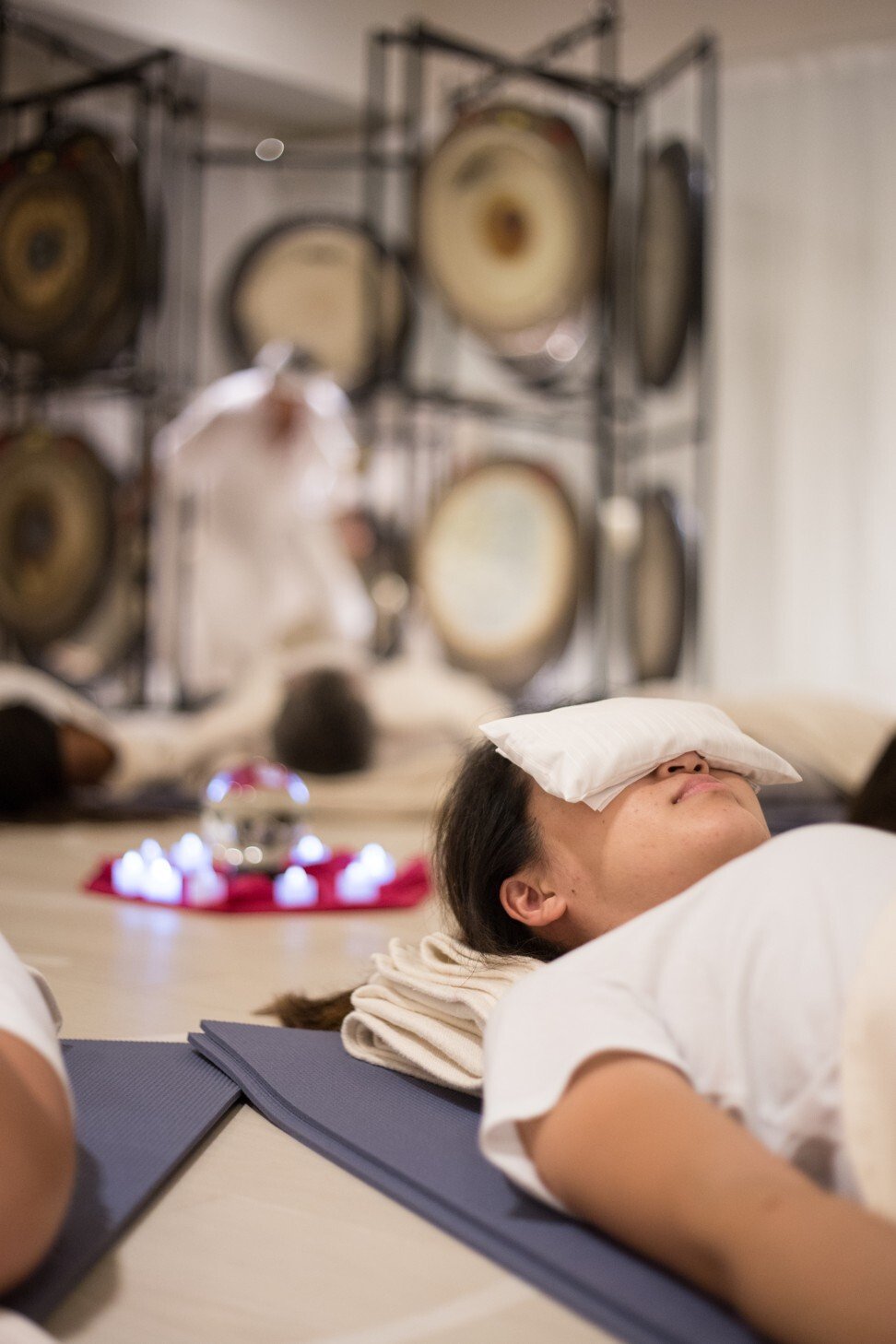
In Hong Kong, Red Doors Studio near Aberdeen on the south side of Hong Kong Island has been offering twice-weekly power nap sessions at lunchtimes, in which participants can relax to the sound of meditation gongs. UK chain David Lloyd Gyms recently introduced a “napercise” class that involves, quite simply, having a 45-minute catnap.https://www.youtube.com/embed/rmbv7yZ2buE

Sleep influencers such as London native Alex Shannon – better known as @FollowTheNap on Instagram – have social media accounts that focus solely on sleep, with followers running into the hundreds of thousands.ADVERTISING

Stress and lack of sleep are frequent bedfellows. In a 2019 study of more than 11,000 adults worldwide, 54 per cent said that worry and stress affect their sleep. And that was before the coronavirus pandemic.

Dr Michael Breus, a clinical psychologist based in California with 23 years of experience as a practising sleep specialist – and nicknamed the Sleep Doctor – says that this is a particularly difficult time in all of our lives for sleep.

The final third of the night is where you get the most dream sleep. So if you extend that sleep, you are getting more vivid dreamsDr Michael Breus, the “Sleep Doctor”

“A lot of that has to do with isolation as a result of lockdowns, which is leading to greater caffeine and alcohol consumption. Stress and anxiety are probably at their highest level ever for many, and people are falling out of good habits like getting up at the same time every day, going to bed early and having daily exercise.EVERY SATURDAYSCMP Global Impact NewsletterBy submitting, you consent to receiving marketing emails from SCMP. If you don’t want these, tick hereBy registering, you agree to our T&C and Privacy Policy

“People need to understand that sleep is recovery. If you’re not moving, your body has nothing to recover from,” he says.

He points to the myths around sleeping. One is that an optimal night’s sleep should be eight hours. Breus says he gets around six hours of sleep every night, doesn’t use an alarm to wake up, and still feels “full of energy”.

Naps are good for you – just ask any Chinese office worker21 Apr 2021

“The amount of sleep you need is as individual as you are,” he says. “Everyone has a master biological clock ticking inside them. If you’ve ever heard someone say, ‘I’m not a morning person,’ there’s a reason for that.”

In his book The Power of When, Breus talks of the four different “sleep chronotypes” of people. You need to use your natural rhythm to work out the best time to work, exercise, sleep and have sex.

The four types – which can be identified through a free quiz on his website – are the lions (the early risers, often Type-A people who rise at 4.30am to work and go to bed early), the bears (solar sleepers, the extroverted glue of society, this includes most people in the world), the wolves (the late night creatives, often introverts), and the dolphins (those with erratic sleep schedules, also often Type-A personalities, light sleepers, often with high anxiety levels).

Red Doors Studio in Hong Kong offers power nap sessions.

Red Doors Studio in Hong Kong offers power nap sessions.

“Knowing when to do things is the ultimate personalised life hack,” he says. “If you knew when your body would function optimally for any specific activity, wouldn’t you rather do that when you would be at your best?”

He rejects the idea that you can catch up on sleep. While many people sleep less during the week in the belief that they can make up for it with a weekend lie-in, he says that confuses the circadian rhythm.

“When sleep has a regular rhythm, your biological clock will be in sync and all of your other bodily functions will go smoother,” Breus says.

He suggests it is better to wake up at the same time every day, 365 days a year, regardless of what time you went to bed, or if it is a holiday.

The big picture we’re not seeing when we obsess about sleep30 Mar 2020

“Circadian consistency turns out to be one of the best things you can do now. That is the anchor to the entire programme,” the doctor says.

Weird, stressful dreams have become a consistent complaint throughout the pandemic, says Breus, which he puts down to people rising later.

“The first half of the night is the most physically restorative. But the final third of the night is where you get the most dream sleep. So if you extend that sleep, you are getting more vivid dreams.”

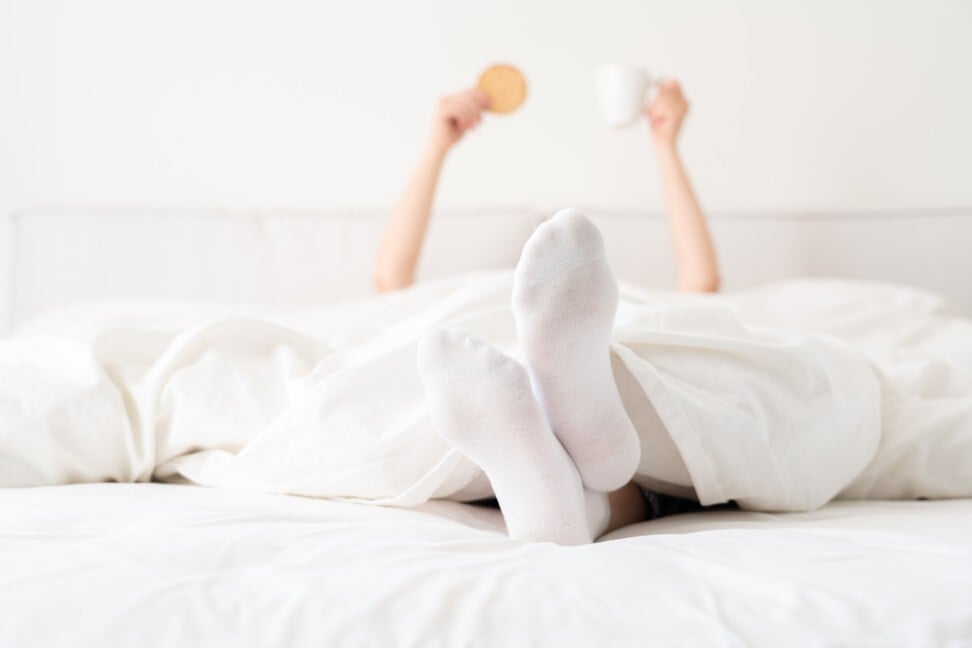
Have you tried wearing socks in bed? Photo: Shutterstock

Have you tried wearing socks in bed? Photo: Shutterstock

Breus says our waking up routine is an important part of the sleep schedule. “When you wake up, take five deep breaths to wake up your respiratory system.

“Swing your legs over the bed and take a drink of water at room temperature. Get some light into your eyes, whether sunlight or even light from your phone. It will help to turn off the melatonin (the sleep hormone) in your brain.”

As the pandemic continues to disrupt the world, Breus offers one final piece of advice; gratitude. He advises getting into a habit of “acknowledging gratitude before bed”, which “not only helps you fall asleep more quickly, but it makes more positive dreams.”

And that is something we could all use.

Another key to a good night sleep? Socks

A US doctor went viral on short-video platform TikTok earlier this year for her unusual advice on how to fall asleep more easily: wear socks to bed.

Boston-based Dr Jess Andrade published a video captioned, “I wear socks to bed so don’t come at me I’m not weird,” which has racked up 3.6 million views.

Dr Jess Andrade. Photo: Instagram

Dr Jess Andrade. Photo: Instagram

She said: “So let’s talk about people who wear socks to bed. Wearing socks makes your feet warm and this opens up the blood vessels that cools the body down.

“The body being cool tells the brain that it’s time for bed. So actually, people that wear socks tend to fall asleep faster.”

The theory is backed up by a 2007 study published in Physiology and Behaviour, which showed that changes in skin temperature – like cold feet – could slow down falling asleep and interfere with staying asleep.

Sleeping problems? How music and light therapy can ease insomnia4 Feb 2021

The doctor added in a later interview that any type of comfortable socks can be worn, including cotton, wool or artificial fibre, although it is important to make sure they are not too tight or they will impede blood circulation.

Andrade, who is known for answering medical health and wellness questions on TikTok, also advises on the 10-3-2-1-0 hourly countdown method for a better night’s sleep.

Ten is the number of hours before bed you should stop drinking caffeine. Three hours before bed, stop eating food and drinking alcohol. Two hours before you turn in, stop work to allow your brain to unwind. One hour before bed, turn off devices and screens. And in the morning, when the alarm goes off, hit the snooze button zero times.

https://thenextweb.com/news/nasa-insight-lander-might-have-discovered-active-volcanoes-mars-syndication


NASA’s InSight lander might have discovered active volcanoes on Mars

Studying Martian volcanic activity could help us find signs of life on the Red Planet

NASA’s InSight lander might have discovered active volcanoes on Mars

STORY BYThe Cosmic Companion

New observations of the Mars reveal evidence of volcanic eruptions on that world during the last 50,000 years. This remarkably short period of time (on geological or astronomical scales) could alter our views of the geology — and potential biology — of the Red Planet.

Three to four billion years before our time, volcanoes erupted across the surface of the Red Planet. Smaller, more localized, eruptions continued until three million years ago. But, little evidence was found suggesting that volcanoes on Mars remain geologically active today.

“Volcanic activity on Mars peaked during the Noachian and Hesperian periods but has continued since then in isolated locales. Elysium Planitia hosts numerous young, fissure-fed flood lavas with ages ranging from approximately 500 to 2.5 million years [ago],” researchers describe in a study published in the journal Icarus.

The plain truth about volcanoes on Mars

Signs of recent volcanic activity at Cerberus Fossae.
Signs of recent volcanic activity at Cerberus Fossae. Image credit: NASA/JPL/MSSS/The Murray Lab

TNW Conference 2021Attend the tech festival of the year and get your super early bird ticket now!GET TICKETS

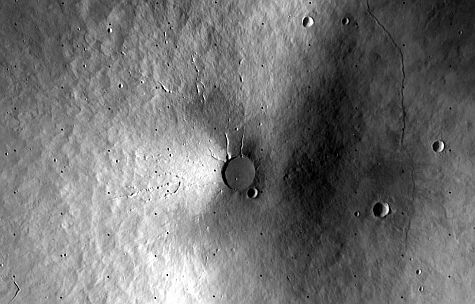
Strewn across Elysium Planitia near the equator of Mars, researchers recently found intriguing signs of far more-recent volcanic activity. This broad plain, which lies just south of the volcanic province of Elysium, includes several major volcanoes.

Debris from a major eruption was seen spread across an area 32 kilometers (20 miles) long and almost 13 kilometers (eight miles) wide.

“When we first noticed this deposit, we knew it was something special. The deposit was unlike anything else found in the region, or indeed on all of Mars, and more closely resembled features created by older volcanic eruptions on the Moon and Mercury,” explains Jeff Andrews-Hanna, associate professor at the UArizona Lunar and Planetary Laboratory.

Most signs of volcanism on Mars appear to be the results of slow flows, similar to volcanoes in Iceland. A recent study has also shown similar active volcanoes on the surface of Venus.

A look at the InSight Mission. Video credit: NASA/JPL-Caltech

Further investigation revealed this debris field, however, is the result of a pyroclastic flow, driven by massive pressures underground. On Earth, pyroclastic flows may be best-known for burying the twin cities of Pompeii and Herculaneum in 79 CE.

Evidence for these flows on Mars are usually centered around ancient eruptions which took place more than three billion years before our time. Olympus Mons — the largest mountain in the Solar System — was, long ago, once one of these ancient, behemoth Martian volcanoes.

Gases within magma, pushed by geological pressures, may have directly led to this recent eruption, or — possibly — hot magma coming in contact with permafrost may have resulted in the fulminant release.

“The ice melts to water, mixes with the magma and vaporizes, forcing a violent explosion of the mixture. When water mixes with magma, it’s like pouring gasoline on a fire,” Moitra said.

This particular eruption may have lifted debris almost 10 kilometers (six miles) into the air — the height of Mt. Everest.

Some InSight into the subject

Elysium Mons, seen by the Viking 1 orbiter. Image credit: James Stuby/NASA

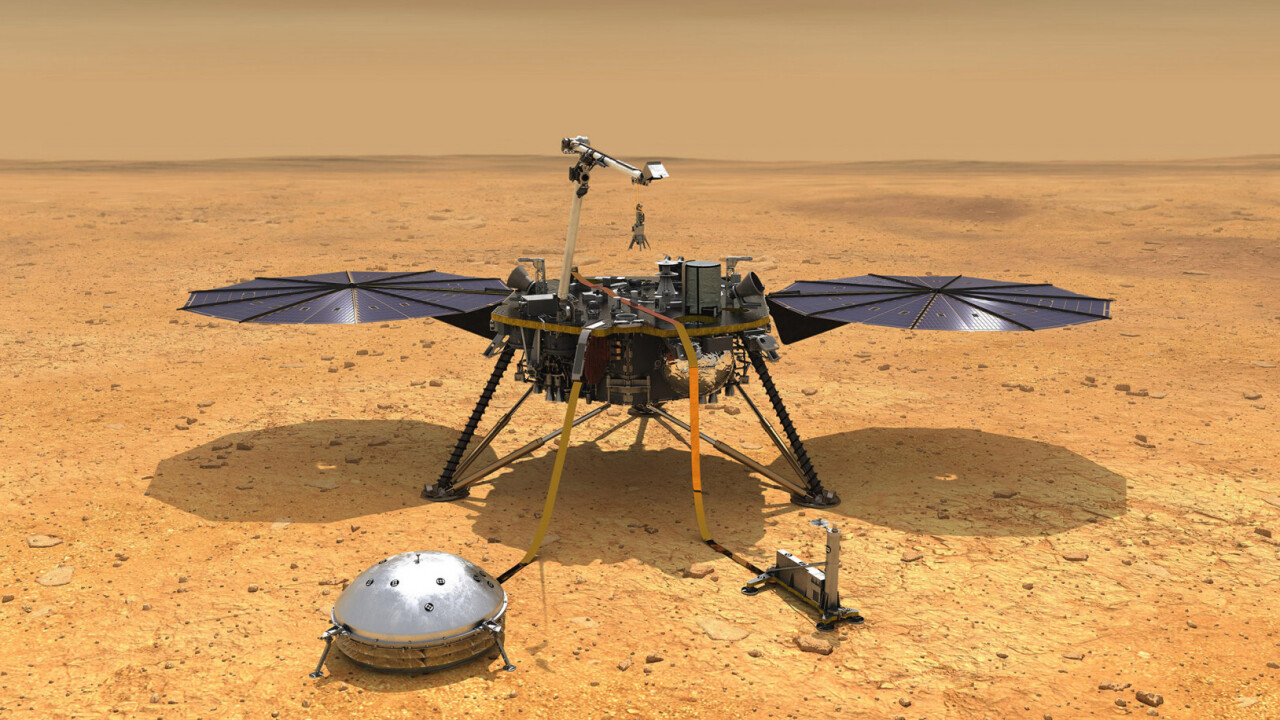
Mars may still see additional pyroclastic flows similar to the one that created the debris field examined in this study. NASA’s InSight lander, sitting 1,600 kilometers (1,000 miles) from the eruption, reports sensing two pairs of Marsquakes emanating from the Cerberus Fossae region since landing on Mars.

“NASA’s InSight lander has detected two strong, clear quakes originating in a location of Mars called Cerberus Fossae — the same place where two strong quakes were seen earlier in the mission. The new quakes have magnitudes of 3.3 and 3.1; the previous quakes were magnitude 3.6 and 3.5. InSight has recorded over 500 quakes to date, but because of their clear signals, these are four of the best quake records for probing the interior of the planet,” NASA’s InSight mission team reports.

The two pairs of quakes took place roughly one Martian year (two Earth years) apart. Both sets of readings were recorded during summer at the landing site. One possibility to explain this is that (despite shielding) winds might buffet the onboard seismometer, called the Seismic Experiment for Interior Structure (SEIS) during winter (when winds are higher), covering up tiny movements in the ground caused by Marsquakes.

“It’s wonderful to once again observe marsquakes after a long period of recording wind noise. One Martian year on, we are now much faster at characterizing seismic activity on the Red Planet,” said John Clinton, a seismologist leading InSight’s Marsquake Service at ETH Zurich.

“Exploring and colonizing Mars can bring us new scientific understanding of climate change, of how planet-wide processes can make a warm and wet world into a barren landscape. By exploring and understanding Mars, we may gain key insights into the past and future of our own world.” — Buzz Aldrin Apollo 11 astronaut

Although Mars does not have tectonic plates like Earth, the Red Planet is home to volcanically-active regions which shake the surface. These are typically found in two forms — some are similar to those on Earth — traveling directly through the planet. Others are more Moon-like, taking place in scattered regions. All four Cerberus Fossae quakes were of the terrestrial variety.

Exploring Mars with Dr. Fatima Ebrahimi and Dr. Kirsten Siebach. Video credit: The Cosmic Companion

Researchers suggest this shaking could be due to magma moving under the surface of Mars. Prior to InSight landing on the surface of Mars, researchers suggested Marsquakes might occur within Cerberus Fossae.

“This young age implies that if this deposit is volcanic then the Cerberus Fossae region may not be extinct and that Mars may still be volcanically active,” the study finds.

Just 10 kilometers from the youngest impact crater on Mars — Zunil — sits the site of the youngest volcanic eruption seen on the Red Planet. Ages of the crater and the eruption appear to be identical, suggesting the asteroid impact may have triggered the volcanic eruption. Here on Earth, geologists have found evidence that large earthquakes can trigger volcanic eruptions.

Water, heated and driven by subsurface magma, may have flooded the region as recently as 20 million years ago. This discovery could also hold implications for answering questions about life — past or present — on Mars.

“The interaction of ascending magma and the icy substrate of this region could have provided favorable conditions for microbial life fairly recently and raises the possibility of extant life in this region,” David Horvath, research scientist at the Planetary Science Institute, said.

https://www.self.com/story/revenge-bedtime-procrastination

How to Deal With Revenge Bedtime Procrastination

It feels good, but is it good for you?

By Patia Braithwaite

Revenge Bedtime Procrastination 6 Ways to Manage It
Getty Images/fona2

Have you heard of revenge bedtime procrastination? How about bedtime procrastination in general? Even if you’re not familiar with the terms, you might’ve developed one of these sleep habits. Maybe, after an intense day of working, parenting, and doing household chores, you notice that the day is almost over. Perhaps you sit down on your couch at 9 p.m., and even though it’s time to transition into your bedtime routine, you stay up until all hours of the night, falling down various internet rabbit holes or otherwise soaking up that extra time to yourself. Yes, you know you’ll pay for it in the morning, but that’s not the problem you’re worried about right now. It turns out this habit has a name.

Revenge bedtime procrastination is a relatively recent term that has gained traction on social media, but regular old bedtime procrastination has been around. “This is not a new concept,” Rajkumar Dasgupta, M.D., assistant professor of clinical medicine and the associate program director of the Sleep Medicine Fellowship at Keck School of Medicine at the University of Southern California, tells SELF. “Many people have procrastinated at bedtime for a while.”

Your late-night habit must include three components to be considered bedtime procrastination, according to a 2020 exploratory study on the subject published in the International Journal of Environmental Research and Public Health. Your late nights have to reduce your total sleep time, you can’t be up late for an external reason (like to tend to a baby or because you’re not feeling well), and you have to be aware that staying up will lead to negative consequences. So if you’re up watching mindless television and you know you should go to bed because you need to be up in four hours, you’re a bedtime procrastinator.

What makes revenge bedtime procrastination so unique? It’s not so much the execution but the feelings behind it. The “revenge” part comes in if you’re staying up out of frustration because work and other responsibilities have encroached on your time. “Folks are more likely to engage in revenge bedtime procrastination if they perceive themselves to have little regulation over their leisure time,” Sabrina Romanoff, Psy.D., clinical psychologist at Lenox Hill Hospital in New York City, tells SELF. “This is especially applicable during the pandemic because the border between work and home life is distorted, so work responsibilities tend to bleed into home life, and schedules become less binding.”

Is revenge bedtime procrastination terrible?

There’s nothing wrong with needing a little me time at the end of the day, but the danger is that your evening self is stealing from your morning self, Dr. Dasgupta explains. “I have zero problems with people wanting to take some of their lives back,” he says, but he adds that doing so at the expense of your sleep isn’t ideal.ADVERTISEMENT

Here’s the thing: Bedtime procrastination impacts your overall sleep time. The average adult needs seven or more hours of sleep each night, according to the Centers for Disease Control and Prevention. So when you stay up watching that extra hour of your favorite Netflix show, you add to something called sleep debt—the difference between the amount of sleep you should be getting and the amount you get. As your sleep debt increases, your sleep deprivation does too. Sleep deprivation can mess with your cognitive functioning (think irritability, dozing off at work, or getting into a car accident), and chronic sleep deprivation can increase your risk of conditions like diabetes, heart disease, and depression, the CDC explains.

WATCHWhat, Exactly, Is Bipolar Disorder?ADVERTISEMENThttps://94180aa73e5f70292e83b18801d96504.safeframe.googlesyndication.com/safeframe/1-0-38/html/container.html

“Nothing good happens to any part of your body or brain when you’re sleep-deprived, both acutely and chronically,” Dr. Dasgupta explains. “So that’s what we worry about when people are doing this revenge bedtime procrastination.”

What can you do about bedtime procrastination and revenge bedtime procrastination?

If reading this makes you roll your eyes and you’re already planning your 3 a.m. snack, we get it. Finding time to yourself is difficult, and the last year has broken a lot of our boundaries. Sometimes you have to seek vengeance through your bedtime until you can figure out something more sustainable—no judgment. But if you want to change your revenge habits or bedtime procrastination in general, there are a few things you can do:1. If you’re still working from home, create a commute.

The name of the game is to establish boundaries so that you won’t need to reclaim your time after midnight. Dr. Romanoff suggests you start your day with a commute activity—even if it’s just a walk around the block. “It will recalibrate your mind and prepare you for the workday,” she explains. Do this at the end of the day too: “Shut down your computer and head out the door for a walk. Don’t turn on the TV,” she says. “This will help you unwind from the day and assist with the transition from work to living space.”2. Recognize that you can’t accomplish everything in a day.

Your procrastination habits likely stem from trying to cram all of your responsibilities into 24 hours. By the time you’ve done everything you possibly can, it’s often late in the evening and you’re wired. Editing your to-do list as much as possible can increase the chances of not needing to unwind for hours at 11 p.m. When in doubt, try to remember that you can’t do it all in one day.3. Find nourishing nighttime activities.

If you absolutely must keep your procrastination hours, then consider making them as restful as possible. Try swapping Netflix for a book or subbing a glass of wine for something that doesn’t impact your sleep (alcohol might help you doze off, but it can disrupt your REM sleep and leave you tired in the morning, SELF has previously reported). If the goal is to use this time to relax and unwind, Dr. Dasgupta says, make sure it’s an activity that healthily and constructively checks those boxes.4. Set a bedtime alarm.

If time gets away from you each night before you notice it’s 2 in the morning, try setting an alarm clock. Just as your alarm clock tells you when it’s time to wake up, a gentle chime (or obnoxious siren) can tell you it’s time to get ready for bed. Yes, bedtime procrastination (and its cousin revenge bedtime procrastination) implies that you know you’re up too late, but a reminder might help encourage you a little.5. Give yourself a chance to fall asleep before you reach for your phone.

While Dr. Dasgupta doesn’t want you staring at the clock waiting for sleep, he does recommend giving yourself some time to drift off. But here’s the kicker: If, after 15 to 20 minutes, you don’t find yourself getting sleepier, don’t reach for your phone or turn on the TV in bed. Instead, Dr. Dasgupta suggests getting up and moving into a different room until you feel more tired. “Just staying in bed awake is not the way to go,” he explains. “Leave the bed and do things that are non-stimulating in dim light.” Then (after an activity like reading, some gentle stretches, or your favorite meditation app), head back to bed and try again.6. Consider talking to a therapist.

Even though bedtime procrastination and revenge bedtime procrastination aren’t forms of insomnia, sleep deprivation can have some pretty harmful effects. So Dr. Romanoff suggests exploring cognitive behavioral therapy for insomnia. “The goal of CBT for insomnia is to identify and alter beliefs that affect your ability to sleep,” she explains. “You will work to manage or explore alternatives to the negative thinking and anxiety relevant to revenge bedtime procrastination.” A therapist might help you understand why you’re procrastinating, and they can suggest habits that can encourage sleep.

Ultimately, revenge bedtime procrastination (or bedtime procrastination in general) isn’t the best for your overall well-being, but the last year hasn’t been great for well-being either. As you try to figure out what works best for you, don’t shame yourself for seeking revenge. Even though the downsides might outweigh the reward, “the autonomy to spend time in a way that folks know is ‘not good for them’ has a rebellious component,” Dr. Romanoff says. Often, staying up a little later to hang out and do nothing can feel as though you’re exerting a little control over your life, which is helpful when you’re anxious or feeling uncertain. Just try to remember, as you rage against responsibility, sleep is actually your friend.

Related:

https://hackaday.com/2021/05/26/speech-recognition-on-an-arduino-nano/

SPEECH RECOGNITION ON AN ARDUINO NANO?

 22 Comments

  • by:

May 26, 2021

Like most of us, [Peter] had a bit of extra time on his hands during quarantine and decided to take a look back at speech recognition technology in the 1970s. Quickly, he started thinking to himself, “Hmm…I wonder if I could do this with an Arduino Nano?” We’ve all probably had similar thoughts, but [Peter] really put his theory to the test.

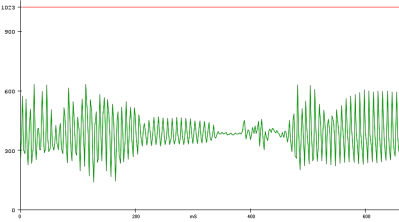
The hardware itself is pretty straightforward. There is an Arduino Nano to run the speech recognition algorithm and a MAX9814 microphone amplifier to capture the voice commands. However, the beauty of [Peter’s] approach, lies in his software implementation. [Peter] has a bit of an interplay between a custom PC program he wrote and the Arduino Nano. The learning aspect of his algorithm is done on a PC, but the implementation is done in real-time on the Arduino Nano, a typical approach for really any machine learning algorithm deployed on a microcontroller. To capture sample audio commands, or utterances, [Peter] first had to optimize the Nano’s ADC so he could get sufficient sample rates for speech processing. Doing a bit of low-level programming, he achieved a sample rate of 9ksps, which is plenty fast for audio processing.

To analyze the utterances, he first divided each sample utterance into 50 ms segments. Think of dividing a single spoken word into its different syllables. Like analyzing the “se-” in “seven” separate from the “-ven.” 50 ms might be too long or too short to capture each syllable cleanly, but hopefully, that gives you a good mental picture of what [Peter’s] program is doing. He then calculated the energy of 5 different frequency bands, for every segment of every utterance. Normally that’s done using a Fourier transform, but the Nano doesn’t have enough processing power to compute the Fourier transform in real-time, so Peter tried a different approach. Instead, he implemented 5 sets of digital bandpass filters, allowing him to more easily compute the energy of the signal in each frequency band.

The energy of each frequency band for every segment is then sent to a PC where a custom-written program creates “templates” based on the sample utterances he generates. The crux of his algorithm is comparing how closely the energy of each frequency band for each utterance (and for each segment) is to the template. The PC program produces a .h file that can be compiled directly on the Nano. He uses the example of being able to recognize the numbers 0-9, but you could change those commands to “start” or “stop,” for example, if you would like to.

[Peter] admits that you can’t implement the type of speech recognition on an Arduino Nano that we’ve come to expect from those covert listening devices, but he mentions small, hands-free devices like a head-mounted multimeter could benefit from a single word or single phrase voice command. And maybe it could put your mind at ease knowing everything you say isn’t immediately getting beamed into the cloud and given to our AI overlords. Or maybe we’re all starting to get used to this. Whatever your position is on the current state of AI, hopefully, you’ve gained some inspiration for your next project.Posted in Arduino Hacks

https://phys.org/news/2021-05-reveal-key-genes.html


Researchers reveal key information about how genes turn on and off

by Kathleen Haughney , Florida State University

gene
Credit: CC0 Public Domain

Human bodies have roughly 30,000 genes dictating not only how we look, but also critical biological processes. Now, a Florida State University and Australia National University research team has discovered a key aspect of gene regulation and ultimately how that process is implicated in cancer.

Jonathan Dennis, an associate professor of biological science at FSU, and David Tremethick, a professor at Australia National University, have published a new paper in Nature Communications that reveals key information about a gene’s controlling region—where proteins attach to turn genes on or off. The researchers found that the way this region is packaged dictates how genes are either expressed or restricted.

The packaging refers to all of the characteristics of how and where these proteins attach. That process is critical to human biology, Dennis noted.

“When the wrong thing binds, you get inappropriate physiology, in some cases, cancer,” he said.

The new information challenges the current models for how a gene is expressed by revealing that there are many different ways a promoter can be packaged to either allow or restrict the expression of a gene.

protein called H2A.Z plays an important role in regulating this packaging of genes in different ways. The researchers found that one important role of H2A.Z in gene regulation is to ensure that only the proper regulatory factors have access to gene promoters.

“H2A.Z is a type of protein called a histone variant,” said Lauren Cole, a former FSU doctoral student and the first author on the paper. “Because histone variants play an important role in gene regulation, this work leads to an expanded understanding of the human genome.”

Tremethick said the finding underscores how much work is left to be done to understand the human genome and how this finding can advance field forward.

“Although it has been nearly 20 years since the human genome was sequenced, how this genomic information is selectively utilized to direct patterns of gene expression underpinning cell fate decisions still remains poorly understood,” Tremethick said. “While there is still much work to be done, our study will help move the field forward to get a better understanding of how our genes are expressed at the right time and place, which has critical implications for human health.”


Explore furtherDNA structure itself is involved in genome regulation


More information: Lauren Cole et al, Multiple roles of H2A.Z in regulating promoter chromatin architecture in human cells, Nature Communications (2021). DOI: 10.1038/s41467-021-22688-xJournal information:Nature CommunicationsProvided by Florida State University