Intense workouts shortly before bed found to impact sleep quality
By Nick LavarsSeptember 28, 2021https://newatlas.gystaudio.com/embedded/newatlas.com/health-wellbeing/intense-workouts-bed-impact-sleep-quality/
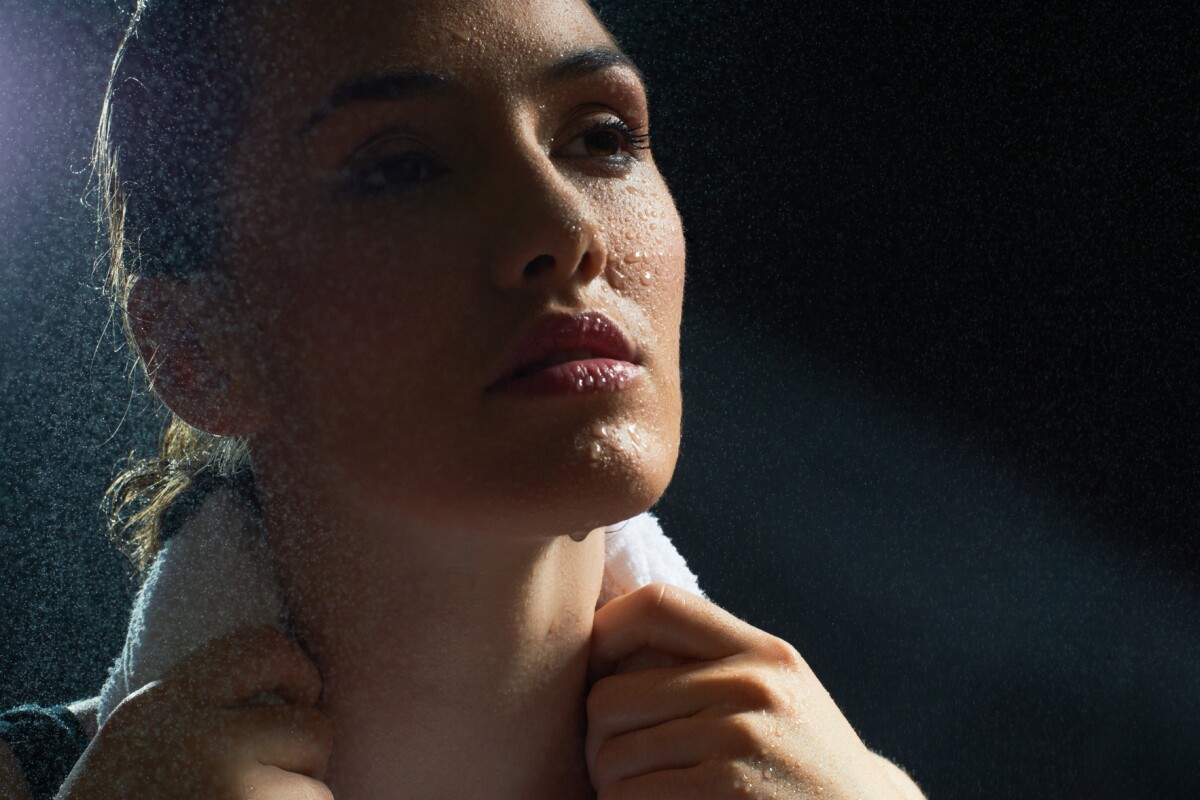
A new study suggests that avoiding high-intensity workouts within two hours of bedtime is best for a sound night’s sleepchoreograph/DepositphotosVIEW 1 IMAGES
It is well known that a physically active day can make for a better night’s rest, and a new study has delved into how the timing of our workouts can lead to different results. The analysis turns up a few interesting revelations around when might be the best time to sweat it out, and suggests steering clear of late-night sessions if you want to feel rejuvenated in the morning.
The research was carried out by sleep scientists at Canada’s Concordia University, who set out to fill in some of the blanks in the relationship between exercise and sleep. To so do, the researchers conducted a meta-analysis of data collected across 15 studies focusing on how single intense exercise sessions affect young and middle-aged adults in the hours leading up to bedtime.
MORE STORIES

ARCHITECTURELuxury resort will sleep hotel guests inside an Arabian mountain

TINY HOUSESTiny house on wheels is packed with Scandinavian style and function
This analysis involved weighing up different variables such as the fitness levels of the subjects and whether they were sedentary or physically active, whether the workouts were performed early or late evening, and what types of exercise they entailed.
“Overall, our analysis showed that when exercise ended two hours before bedtime, there were sleep benefits, including the promotion of sleep onset and increased sleep duration,” says study leader Emmanuel Frimpong. “On the other hand, when exercise ended less than two hours before bedtime, sleep was negatively impacted. It took longer for participants to fall asleep and sleep duration decreased.”
Other useful tidbits from the team’s analysis include the finding that cycling was the type of exercise that brought the most benefits in promoting sleep onset and deep sleep, and that high-intensity workouts of between 30 and 60 minutes were most beneficial for onset and sleep duration. One interesting takeaway was that high-intensity exercise, regardless of when it took place in the evening, did lead to a slight decrease in the rapid-eye-movement (REM) stage of sleep.
“Based on our review, for healthy, young and middle-aged adults with no history of sleep disorders, evening exercises should be performed in the early evening if possible,” says Frimpong. “Individuals should also keep to a consistent exercise schedule, as exercising at different times of the evening could cause sleep disturbances. Individuals should also consider whether they are morning people or evening people. High intensity exercise performed late in the evening can result in sleep disturbance for morning-type people.”
The research was published in the journal Sleep Medicine Reviews.https://c682e16b559d21fcdd7568b4989afda7.safeframe.googlesyndication.com/safeframe/1-0-38/html/container.html
Source: Concordia University
We recommend
- Decrease in body mass index: Personal genotyping, individual diet, and exercise planMirela Dzehverovic et al., JH Sci, 2017
- Examining the Role of Physical Activity on Word Learning in School-Aged ChildrenMadison Pruitt et al., Journal of Speech, Language, and Hearing Research, 2021
- The Influence of Duration on the Effects of Time-Out from SpeakingJack E. James, Journal of Speech, Language, and Hearing Research, 1976
- Time-to-event analysis for sports injury research part 1: time-varying exposures.Rasmus Oestergaard Nielsen et al., PubFacts
- Real-World Tumor Response of Palbociclib Plus Letrozole vs Letrozole for Metastatic Breast Cancer in US Clinical PracticeBrufsky A et al., Targeted Oncology, 2021
- Efficacy and Safety of Palbociclib in Patients With Estrogen Receptor–Positive/Human Epidermal Growth Factor Receptor 2–Negative Advanced Breast Cancer With Preexisting Conditions: A Post Hoc Analysis of PALOMA-2Gelmon K, et al., The Breast, 2021
 Bruce's Blog