https://www.ctvnews.ca/lifestyle/find-your-sleep-sweet-spot-to-protect-your-brain-as-you-age-study-suggests-1.5601561


Find your sleep ‘sweet spot’ to protect your brain as you age, study suggests

Kristen Rogers

CNNDigital

ContactPublished Monday, September 27, 2021 2:54AM EDThttps://imasdk.googleapis.com/js/core/bridge3.481.0_en.html#goog_115690265Volume 90% How to get your kids back on a healthy sleep routine NOW PLAYINGWith many children experiencing irregular schedules during the pandemic, sleep expert Alanna McGinn shares insight on how to get them back on track.

SHARE:

Share21https://platform.twitter.com/widgets/tweet_button.f88235f49a156f8b4cab34c7bc1a0acc.en.html#dnt=false&id=twitter-widget-0&lang=en&original_referer=https%3A%2F%2Fwww.ctvnews.ca%2Flifestyle%2Ffind-your-sleep-sweet-spot-to-protect-your-brain-as-you-age-study-suggests-1.5601561&size=m&text=Find%20your%20sleep%20%27sweet%20spot%27%20to%20protect%20your%20brain%20as%20you%20age%2C%20study%20suggests&time=1632773416804&type=share&url=https%3A%2F%2Fwww.ctvnews.ca%2Flifestyle%2Ffind-your-sleep-sweet-spot-to-protect-your-brain-as-you-age-study-suggests-1.5601561&via=CTVNewsReddithttps://www.facebook.com/plugins/share_button.php?app_id=404047912964744&channel=https%3A%2F%2Fstaticxx.facebook.com%2Fx%2Fconnect%2Fxd_arbiter%2F%3Fversion%3D46%23cb%3Dfdb1b050c5e4a4%26domain%3Dwww.ctvnews.ca%26is_canvas%3Dfalse%26origin%3Dhttps%253A%252F%252Fwww.ctvnews.ca%252Ff1e987c4d2efd9%26relation%3Dparent.parent&container_width=64&href=https%3A%2F%2Fwww.ctvnews.ca%2Flifestyle%2Ffind-your-sleep-sweet-spot-to-protect-your-brain-as-you-age-study-suggests-1.5601561&layout=button_count&locale=en_US&sdk=joey&size=small

How long older adults sleep could affect their brain health, according to a study published Monday in the journal JAMA Neurology.

Disrupted sleep is common in late life, the study authors wrote, and associated with changes in cognitive function — the mental capacity for learning, thinking, reasoning, problem-solving, decision-making, remembering and paying attention.

Age-related changes in sleep have also been linked with early signs of Alzheimer’s disease, depression and cardiovascular disease, so the authors investigated possible associations between self-reported sleep duration, demographic and lifestyle factors, subjective and objective cognitive function, and participants’ levels of beta amyloid.

Related Stories

Those in the study who reported short sleep duration — defined in the study as six hours or less — had elevated levels of beta amyloid, which “greatly increases” risk for dementia, said the study’s lead author Joe Winer, a postdoctoral research fellow at Stanford University in California, via email.

That was in comparison to participants who reported normal sleep duration, which the study authors defined as seven to eight hours of sleep per night.

The older adults with inadequate sleep also performed moderately to significantly worse on tests commonly used on older adults for assessing cognitive abilities, including orientation, attention, memory, language and visual-spatial skills; and identifying mild dementia.

Sleeping too much was also associated with lesser executive function, but those people did not have elevated beta amyloid levels. Participants who reported long sleep duration (nine or more hours) scored slightly worse on the Digit Symbol Substitution Test than those who reported normal sleep duration. For more than a century, this test has evaluated associative learning skills by observing test takers’ ability to correctly match symbols to numbers according to a key on the page within 90 to 120 seconds.

“The main takeaway is that it is important to maintain healthy sleep late in life,” Winer said via email. “Additionally, both people who get too little sleep and people who get too much sleep had higher (body-mass index and) more depressive symptoms.” The findings suggested that short and long sleep might involve different underlying disease processes, Winer added.Try this routine before sleep to get a good night of rest

BETA AMYLOID 101

Beta amyloid or amyloid-β is “a protein created during normal brain cell activity, although we still aren’t sure of its function,” said Winer.

“Amyloid-β is one of the first detectable markers in the progression of Alzheimer’s disease, Winer said. “In Alzheimer’s disease, amyloid-β proteins start to build up throughout the brain, sticking together in plaques. Amyloid plaques are more likely to appear as we age, and many people with amyloid built up in their brains remain healthy. About 30% of healthy 70-year-olds will have substantial amounts (of) amyloid plaques in their brain.”

When someone has Alzheimer’s disease, the person’s brain cells that retrieve, process and store information degenerate and die, according to the Alzheimer’s Association. The “amyloid hypothesis,” one of the leading theories on the culprit of this destruction, suggests accumulation of the protein might disrupt communication between brain cells, eventually killing them.

Previous research has suggested “that sleep may both help to limit the production of amyloid in the brain and support the drainage system that clears it,” said Laura Phipps, head of communications at Alzheimer’s Research UK, who wasn’t involved in the study, via email.

Amyloid-β can start building up many years before obvious Alzheimer’s symptoms show, Phipps added. “This makes it difficult to tease apart cause and effect when studying sleep problems and Alzheimer’s risk, especially if you only look at data from one point in time.”

SLEEP, DEPRESSION AND SOCIODEMOGRAPHICS

The current study analyzed 4,417 participants with an average age of 71.3 years old, mostly White and from the United States, Canada, Australia and Japan.

Both the short- and long-sleep duration groups reported more depressive symptoms than the normal sleep group. Self-reported caffeine intake wasn’t associated with sleep duration. But the more alcoholic drinks participants drank daily, the more likely they were to sleep longer.

There were differences among genders, races and ethnicities, too: Being female and having had more years of education were both significantly linked with sleeping longer every night. And when compared with White participants who reported a mean sleep duration of seven hours and nine minutes, Winer said, Black or African American participants reported a mean sleep duration of 37.9 minutes less. Asian participants reported 27.3 minutes less than White participants, and Latino or Hispanic White participants reported 15 minutes less.

These findings suggest that sleep disparities could be associated with disparities in other aspects of life, such as cardiovascular and metabolic health, socioeconomic factors and “racial discrimination and perceived racism” correlated with less sleep in prior studies, the authors wrote.

REMAINING QUESTIONS

“To better understand the order and the direction of causation in these relationships, future research will need to build a picture of how sleep patterns, biological processes, and cognitive skills change over longer periods of time,” Phipps said.

“This new research is from a large, international study on cognitively healthy people, but it did rely on participants to report their sleep duration rather than measuring it directly,” she added. “The researchers couldn’t assess quality of sleep or time spent in different stages of a sleep cycle, each of which may be an important factor in the link between sleep and cognitive health.”

Whether some cognitive domains are more affected by extreme sleep duration than other domains also remains controversial, the authors wrote.

Older adults concerned about these findings should consider sleep as important as diet and exercise for their health, Winer said.

“While researchers are still working to understand the complex relationship between sleep and our long-term cognitive health, high quality sleep can be important for many aspects of our health and wellbeing,” Phipps said. “The best evidence suggests that between seven and nine hours of sleep is optimal for most adults and anyone who thinks that their sleep patterns may be affecting their long-term health should speak to their doctor.”RELATED IMAGES
  • Sleeping for too little or too much time could have varying effects on older adults’ brain health, a study suggests. (Shutterstock via CNN)

https://phys.org/news/2021-09-tiny-lasers-topological-vertical-cavity.html


Tiny lasers acting together as one: Topological vertical cavity laser arrays

by Julius-Maximilians-Universität Würzburg

Tiny lasers acting together as one: Topological vertical cavity laser arrays
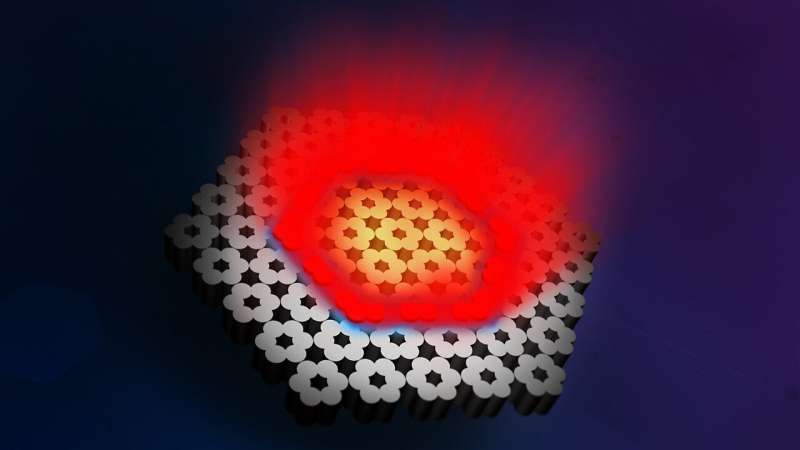
Artistic rendition of a topological array of vertically emitting lasers. All 30 microlasers along a topological interface (blue) act as one, collectively emitting coherent laser light (red). Credit: Pixelwg, Christian Kroneck

Israeli and German researchers have developed a way to force an array of vertical cavity lasers to act together as a single laser—a highly effective laser network the size of a grain of sand. The findings are presented in a new joint research paper published online by the prestigious journal Science on Friday, September 24.

Cell phones, car sensors or data transmission in fiber optic networks are all using so called Vertical-Cavity Surface-Emitting Lasers (VCSELs)—semiconductor lasers that are firmly anchored in our everyday technology. Though widely used, the VCSEL device has miniscule size of only a few microns, which sets a stringent limit on the output power it can generate. For years, scientists have sought to enhance the power emitted by such devices through combining many tiny VCSELs and forcing them to act as a single coherent laser, but had limited success. The current breakthrough uses a different scheme: it employs a unique geometrical arrangement of VCSELs on the chip that forces the flight to flow in a specific path—a photonic topological insulator platform.

From topological insulators to topological lasers

Topological insulators are revolutionary quantum materials that insulate on the inside but conduct electricity on their surface—without loss. Several years ago, the Technion group led by Prof. Mordechai Segev has introduced these innovative ideas into photonics, and demonstrated the first Photonic Topological Insulator, where light travels around the edges of a two-dimensional array of waveguides without being affected by defects or disorder. This opened a new field, now known as “Topological Photonics,” where hundreds of groups currently have active research. In 2018, the same group also found a way to use the properties of photonic topological insulators to force many micro-ring lasers to lock together and act as a single laser. But that system still had a major bottleneck: the light was circulating in the photonic chip confined to the same plane used for extracting the light out. That meant that the whole system was again subject to a power limit, imposed by the device used to get the light out, similar to having a single socket for a whole power plant. The current breakthrough uses a different scheme: the lasers are forced to lock within the planar chip, but the light is now emitted through the surface of the chip from each tiny laser and can be easily collected.https://googleads.g.doubleclick.net/pagead/ads?client=ca-pub-0536483524803400&output=html&h=280&slotname=5350699939&adk=2265749427&adf=780081655&pi=t.ma~as.5350699939&w=750&fwrn=4&fwrnh=100&lmt=1632713268&rafmt=1&psa=1&format=750×280&url=https%3A%2F%2Fphys.org%2Fnews%2F2021-09-tiny-lasers-topological-vertical-cavity.html&flash=0&fwr=0&rpe=1&resp_fmts=3&wgl=1&uach=WyJtYWNPUyIsIjEwLjExLjYiLCJ4ODYiLCIiLCI5NC4wLjQ2MDYuNjEiLFtdLG51bGwsbnVsbCwiNjQiXQ..&tt_state=W3siaXNzdWVyT3JpZ2luIjoiaHR0cHM6Ly9hdHRlc3RhdGlvbi5hbmRyb2lkLmNvbSIsInN0YXRlIjo3fV0.&dt=1632713267852&bpp=46&bdt=1711&idt=620&shv=r20210922&mjsv=m202109210101&ptt=9&saldr=aa&abxe=1&cookie=ID%3D6d20cec83a9677a1-22c493fe55c20058%3AT%3D1623616277%3AR%3AS%3DALNI_MYGjh5ycHtkxpZragWDgq9gSWG1KA&correlator=4173636061885&frm=20&pv=2&ga_vid=981691580.1517602527&ga_sid=1632713268&ga_hid=898874507&ga_fc=0&u_tz=-420&u_his=1&u_h=1050&u_w=1680&u_ah=980&u_aw=1680&u_cd=24&adx=335&ady=2105&biw=1679&bih=900&scr_x=0&scr_y=0&eid=44750345%2C44747620%2C31062423%2C31062519%2C31062857%2C21067496&oid=3&pvsid=3526093348163047&pem=46&ref=https%3A%2F%2Fnews.google.com%2F&eae=0&fc=896&brdim=0%2C23%2C0%2C23%2C1680%2C23%2C1679%2C980%2C1679%2C900&vis=1&rsz=%7C%7CpeEbr%7C&abl=CS&pfx=0&fu=128&bc=31&ifi=1&uci=a!1&btvi=1&fsb=1&xpc=iD2xb24wxA&p=https%3A//phys.org&dtd=654

Circumstances and participants

This German-Israeli research project originated primarily during the Corona pandemic. Without the enormous commitment of the researchers involved, this scientific milestone would not have been possible. The research was conducted by Ph.D. student Alex Dikopoltsev from the team of Distinguished Professor Mordechai Segev, of the Physics Department and the Electrical & Computer Engineering Department at the Technion—Israel Institute of Technology, and Ph.D. student Tristan H. Harder from the team of Prof. Sebastian Klembt and Prof. Sven Höfling at the Chair of Applied Physics at the University of Würzburg, and the Cluster of Excellence ct.qmat—Complexity and Topology in Quantum Matter, in collaboration with researchers from Jena and Oldenburg. The device fabrication took advantage of the excellent clean room facilities at the University of Würzburg.

The long road to new topological lasers

“It is fascinating to see how science evolves,” said Prof. Segev of the Technion. “We went from fundamental physics concepts to foundational changes therein, and now to real technology that is now being pursued by companies. Back in 2015, when we started to work on topological insulator lasers, nobody believed it’s possible, because the topological concepts known at that time were limited to systems that do not, in fact—cannot—have gain. But all lasers require gain. So topological insulator lasers stood against everything known at that time. We were like a bunch of lunatics searching for something that was considered impossible. And now we have made a large step towards real technology that has many applications.”

The Israeli and German team utilized the concepts of topological photonics with VCSELs that emit the light vertically, while the topological process responsible for the mutual coherence and locking of the VCSELs occurs in the plane of the chip. The end result is a powerful but very compact and efficient laser, not limited by a number of VCSEL emitters, and undisturbed by defects or altering temperatures.

“The topological principle of this laser can generally work for all wavelengths and thus a range of materials,” explains German project leader Prof. Sebastian Klembt of the University of Würzburg, working on light-matter interaction and topological photonics within the ct.qmat Cluster of Excellence. “Exactly how many microlasers need to be arranged and connected would always depend entirely on the application. We can expand the size of the laser network to a very large size, and in principle it will remain coherent also for large numbers. It is great to see that topology, originally a branch of mathematics, has emerged as a revolutionary new toolbox for controlling, steering and improving laser properties.”

The groundbreaking research has demonstrated that it is in fact theoretically and experimentally possible to combine VCSELs to achieve a more robust and highly efficient laser. As such, the results of the study pave the way towards applications of numerous future technologies such as medical devices, communications, and a variety of real-world applications.


Explore furtherApplying topological physics to lasing creates more highly efficient and robust lasers


More information: Alex Dikopoltsev et al, Topological insulator vertical-cavity laser array, Science (2021). DOI: 10.1126/science.abj2232Journal information:ScienceProvided by Julius-Maximilians-Universität Würzburg

https://theconversation.com/psychological-specialness-spirals-can-make-ordinary-items-feel-like-treasures-and-may-explain-how-clutter-accumulates-165863

The longer you hold off on using an everyday purchase, the more likely you are to preserve it untouched. kupicoo/E+ via Getty Images

Psychological ‘specialness spirals’ can make ordinary items feel like treasures – and may explain how clutter accumulates

September 22, 2021 8.59am EDT

Author

  1. Jacqueline RifkinAssistant Professor of Marketing, University of Missouri-Kansas City

Disclosure statement

Jacqueline Rifkin does not work for, consult, own shares in or receive funding from any company or organisation that would benefit from this article, and has disclosed no relevant affiliations beyond their academic appointment.

Partners

View all partners

CC BY NDWe believe in the free flow of information

Republish our articles for free, online or in print, under Creative Commons licence.

Republish this article

Years ago, I bought a blouse at Target. That same day, I considered putting it on, but for no particular reason decided not to. That weekend, I again considered wearing the blouse, but the occasion didn’t seem good enough, so again, I passed. A week later, I considered the blouse for a date, but again, the event didn’t seem special enough.

Fast forward to today. I have never worn my Target blouse. What had started out as ordinary now holds a special place in my closet, and no occasion feels quite worthy of my wearing it.

What happened here? Why do people own so many unused possessions, treating them as though they are too special to use?

I’m an assistant professor of marketing, and these are the questions that inspired my latest research with Jonah Berger, an associate professor of marketing.

Join thousands of Canadians who subscribe to free evidence-based news.

Get newsletter

In six experiments, we uncovered one important reason why people can accumulate so many ordinary possessions without ever using or getting rid of them: nonconsumption, or the act of not using something.

When people decide not to use something at one point in time, the item can start to feel more special. And as it feels more special, they want to protect it and are less likely to want to use it in the future. This accrual of specialness can be one explanation for how possessions accumulate and turn into unused clutter.

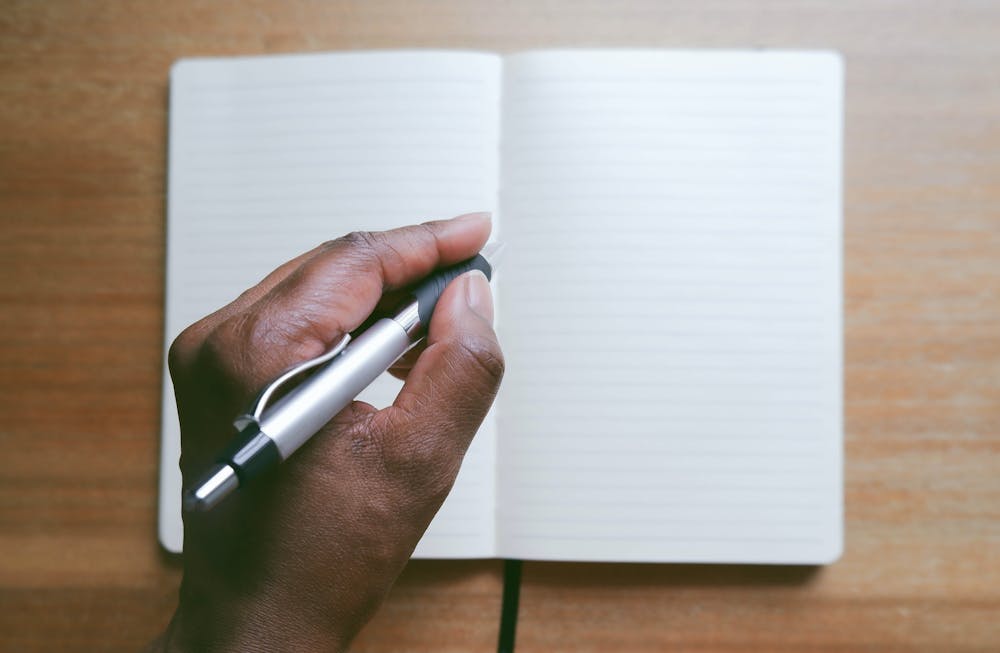
hand with pen poised above empty notebook pages
When is the right time to make the first marks in a fresh new notebook? Grace Cary/Moment via Getty Images

What we found

We first invited 121 participants to the lab and gave each one a fresh notebook. We asked half the people to solve word puzzles that required writing – they could either use their brand new notebook, or scrap paper. The other half completed puzzles on the computer. Later in the lab session, all participants encountered a puzzle that required writing, and they could either use their notebook or scrap paper.

Interestingly, participants who had the initial opportunity to use the notebook, but hadn’t, were significantly less likely to use the notebook later in the session, versus those who hadn’t had the option. And this finding was not limited just to notebooks. We saw the same pattern in other scenario-based experiments using bottles of wine and TV episodes.

But is this about specialness, or any of a number of other reasons for nonconsumption?

To find out, we ran another experiment in which participants imagined buying a bottle of wine. We had half imagine considering opening it one night, but deciding not to. Then when we measured how special the wine seemed, and participants’ intentions to open it later, we found that those who had imagined holding off on opening it were in fact less likely to intend to open it later. They saw the wine as more special.

When we asked participants to provide a reason for why they thought they passed up the wine in this scenario, most assumed they were waiting for a future occasion to open it – not that they didn’t like it or were otherwise prevented from drinking it in some way.

If unused items start to seem too special to use, then would encountering a really special occasion break the cycle?

According to our final study, yes. Imagining forgoing an ordinary bottle of wine made participants feel less likely to open it at the next ordinary occasion, but more likely to open it at a future extraordinary occasion. Like my Target blouse, what had started as an ordinary bottle transformed into something fit for a wedding toast.

wine bottles on grocery shelf with price labels
Postponing use seems to change an item’s humble origin story. Francis Dean/Corbis Historical via Getty Images

The psychology behind a ‘specialness spiral’

Why do people fall into this mental trap? Prior research points to two main reasons.

First, when options are presented one at a time, rather than all at once – much like the choice about whether to crack open a bottle of wine on this particular evening – it can be difficult to know when to make a decision. So people often end up “holding out” for an idealized future occasion.

Second, regardless of the actual reasons behind their feelings and actions, people often come up with their own explanations after the fact. For example, maybe you felt nervous on a date because you were worried about something unrelated, like work. But you might later believe that your nervousness came from really liking your date – psychologists call this phenomenon “misattribution of arousal.”

Putting these together is a recipe for what we term “specialness spirals.” When you forgo using something – for whatever reason – if you believe that you were waiting to use it, the possession will start to feel more special. You’ll want to save it for a later occasion. And as you search for the right occasion day after day, it becomes more tempting to hold out for a future occasion. The less you use it, though, the more special it feels, and the cycle continues.

Ultimately, the likelihood of using the possession becomes more and more rare – potentially to the point where that originally decent wine is now vinegar, or the blouse is out of style, but you’re still holding on to it. The more this happens, the more stuff you have lying around.

The clutter connection

Clutter can be quite destructive, leading to higher stress levels, feelings of suffocation, strained relationships and reduced well-being overallOur research provides one explanation for how and why clutter accumulates.

How can you combat specialness spirals and the accumulation of clutter? Try committing in advance to use an item on a specific occasion. When buying a dress, tell yourself you’ll wear it this weekend. Or when purchasing a candle, plan to light it that day. This strategy should limit how often you consider – but ultimately forgo – using things, and encourage you to actually enjoy your possessions.

https://globalnews.ca/news/8213214/teen-sleep-study-covid-19/


New study says pandemic allowed teens to sleep more, reducing COVID-related stress

ByDan Spector  Global NewsPosted September 25, 2021 4:38 pm Updated September 25, 2021 4:39 pm

Click to play video: 'How has COVID-19 affected sleep for teens?'
WATCH: How has COVID-19 affected sleep for teens?

Descrease article font size-AIncrease article font sizeA+

Sixteen-year-old year high school student Cassandra Clare does not get enough sleep.

“It’s usually between like three to a maximum of six hours,” explained the student at Heritage Regional High School south of Montreal.

Experts say teens should be getting eight to 10 hours per night, but many do not.

Clare often goes to work after school, then still has to contend with homework.

READ MORE: Eye-opener: US teens getting less & less sleep, study shows

“I go to sleep, it’s like 2:00 a.m., and I have to wake up early to finish my homework,” Clare said.

“Teenagers nowadays, their life is incredibly, incredibly complicated,” said Sujata Saha, the principal of Heritage Regional High School.STORY CONTINUES BELOW ADVERTISEMENT

According to new research from McGill University, however, teens’ sleep actually benefitted from the pandemic.

“Their sleep pattern shifted,” said Dr. Reut Gruber, a sleep researcher at McGill and lead author of a new study published in Child and Adolescent Psychiatry and Mental Health.

In early 2020, she started looking into the sleep patterns of 62 students at Heritage Regional High School.

READ MORE: World’s largest sleep study shows too much sleep as bad as too little: Western University

“We had to fill in a log every night to see what time we were going to sleep and waking up,” explained 14-year-old Sofia Van Acker, who participated in the study.

The participants and their parents also needed to fill out questionnaires and wear a watch that monitored their sleep, among other responsibilities.

“After I got my results, I definitely saw that it was different than what I thought it would be, and that a lot of the time I do tend to just lay in bed and wait before I fall asleep,” said 16-year-old Rhea Duguay, another student who agreed to take part in the research.

In the middle of the study, however, the pandemic hit. Online or hybrid learning emerged, along with a completely different schedule.STORY CONTINUES BELOW ADVERTISEMENT

“We did decide intentionally on a later start because we felt that that would somewhat alleviate stress,” Saha, the school principal, explained.Click to play video: 'Creating better sleep habits ahead of fall'5:03Creating better sleep habits ahead of fallCreating better sleep habits ahead of fall – Aug 23, 2021

Suddenly, Gruber was able to study the difference between the sleep teens were getting before the pandemic and during it.

With no commute, a later start, no extra-curricular activities, teens were suddenly on the sleep schedule their bodies naturally want.

Gruber says more rest means they’ve been more alert and less stressed, which has helped them navigate the pandemic.

“You give them the opportunity to kind of be more in sync with their own physiology. Life gets a lot better, stress goes down,” Gruber told Global News.

She says her research shows teens would benefit from school starting later.STORY CONTINUES BELOW ADVERTISEMENThttps://bfb803b6584a6aa6fa7acbfc2f6202f0.safeframe.googlesyndication.com/safeframe/1-0-38/html/container.html

“For our typical developing kids, the ability to go to bed later, wake up later is like great party,” she said.

The ones we spoke to were not so sure about the idea, however.

“If you start school later, you finish school later,” said Clare.

“I think this study has started a conversation and possibly will allow us to look at how can we do things differently,” said Saha.

Gruber hopes at the very least her work raises awareness about the type of sleep schedule teens benefit from. She added that she thinks good sleep habits should be taught in school.Click to play video: 'Learn how the pandemic has affected our sleep patterns'5:44Learn how the pandemic has affected our sleep patterns

Next Video

https://venturebeat.com/2021/09/25/we-are-sleepwalking-into-ai-augmented-work/


We are sleepwalking into AI-augmented work

Gary Grossman, Edelman@garyg02September 25, 2021 8:40 AM

Record Unemployment Rise statistics with charts and diagrams on digital LCD DisplayImage Credit: da-kuk/Getty Images

The Transform Technology Summits start October 13th with Low-Code/No Code: Enabling Enterprise Agility. Register now!


A recent New York Times article concludes that new AI-powered automation tools such as Codex for software developers will not eliminate jobs but simply be a welcome aid to augment programmer productivity. This is consistent with the argument we’re increasingly hearing that people and AI have different strengths and there will be appropriate roles for each.

As discussed in a Harvard Business Review story: “AI-based machines are fast, more accurate, and consistently rational, but they aren’t intuitive, emotional, or culturally sensitive.” The belief is that “AI plus humans” is something of a centaur, greater than either one operating alone.https://imasdk.googleapis.com/js/core/bridge3.481.0_en.html#goog_1161655944https://imasdk.googleapis.com/js/core/bridge3.481.0_en.html#goog_151047723AdSkip Ad

This idea of humans plus AI producing better outcomes has become a tenant of faith in technology. Everyone talks about humans being freed up to perform higher-level functions, but no one seems to know just what those high-level functions are, how they translate into real work and jobs, or the number of people needed to perform them.

A corollary of this augmented-workforce narrative is that not only will AI-augmented work enable people to pursue a higher level of abstract thinking, it will — according to some — also lift all of society to a higher standard of living. This is certainly an optimistic vision, and we can hope for that. However, this could also be a story imbued with magical thinking, with the true end-game being fully automated work.

What does the evidence tell us?

Don’t get me wrong; there is some evidence to support the view that AI will help us work rather than take our jobs. For example, AI lab DeepMind is designing new chess systems for the two intelligences to work in tandem with humans rather than opposed to them.

And Kai-Fu Lee, the Oracle of AI, also buys into this promise. In his new bookAI 2041: Ten Visions for our Future, he argues that repetitive tasks from stacking shelves to crunching data will be done by machines, freeing workers for more creative tasks. Forrester Research has likewise articulated that AI deployment enables people to better use their creative skills.

But, of course, some people are more creative than others, meaning that not everyone would benefit from AI-augmented work to the same degree. Which in turn reinforces a concern that AI-fueled automation, even in its augmented work capacity, could widen already existing income disparities.

One problem with the AI-augmented workforce promise is that it tells us AI will only take on the repetitive work we don’t want to do. But not all work being outsourced to AI is routine or boring.

Look no further than the role of the semiconductor chip architect. This is a highly sophisticated profession, an advanced application of electrical engineering in arguably one of the most complex industries. If ever there was a job that might be thought of as immune from AI, this would have been a strong candidate. Yet recent advances from Google and Synopsys (among others using reinforcement learning neural network software) have shown the ability to do in hours what often required a team of engineers months to achieve.

One ever-faithful tech watcher still argued that the algorithms will “optimize and accelerate time-intensive parts of the design process so that designers can focus on making crucial calls that require higher-level decision making.”

A step along the path to more complete automation

More than likely, the current perception of work augmented by AI is a reflection on the current state of the technology and not an accurate view of the future when automation will be far more advanced. We first saw the potential of neural networks a decade ago, for example, and it took several years until that technology was developed to the point where it had practical advantages for consumers and business. Fueled in part by the pandemic, AI tech is now being widely implemented. Even massage therapists should take note, as a robot masseuse can now deliver a deep tissue massage. Yet, these are still early days for AI.

Caption: EMMA from AiTreat, a robot that uses artificial intelligence to deliver massages. Source: CNN

AI advances are being led by improvements in both hardware and software. The hardware side is driven by Moore’s Law, the idea that semiconductors improve by roughly 2x the number of transistors – producing roughly equivalent performance and power efficiency gains – every couple of years (and similarly drive down the costs of computing). This principle has been credited with all manner of electronic advances over the last several decades. As noted in a recent IEEE Spectrum article: “The impact of Moore’s Law on modern life can’t be overstated. We can’t take a plane ride, make a call, or even turn on our dishwashers without encountering its effects. Without it, we would not have found the Higgs boson or created the Internet.” Or have a supercomputer in your purse or pocket.

There are reasons to think that Moore’s-Law driven improvements in computing are nearing an end. But advanced engineering, ranging from “chiplets” to 3D chip packaging promise to keep the gains coming, at least for a while. These and other semiconductor design improvements have led one chip manufacturer to promise a 1000x performance improvement by 2025!

The expected improvements in AI software may be equally impressive. GPT-3, the third iteration of Generative Pre-trained Transformer from OpenAI, is a neural network model consisting of 175 billion parameters. The system has proven capable of generating coherent prose from a text prompt. This is what it was designed to do, but it turns out that it can also generate other forms of text as well, including computer code and can also generate images. Moreover, while the belief is that AI will help people to be more creative, it could be that it is already capable of creativity on its own.

At its launch in May 2020, GPT-3 was the largest neural network ever introduced, and it remains among the largest denseneural nets, exceeded only by Wu Dao 2.0 in China. (At 1.75 trillion parameters, Wu Dao 2.0 is another GPT-like language model and probably the most powerful neural network yet created.)

Some expectations are for GPT-4 to also grow and contain up to a trillion parameters. However, OpenAI CEO Sam Altman has said that it will not be larger than GPT-3 but will be far more efficient through enhanced data algorithms and fine tuning. Altman also alluded to a future GPT-5. The point being that neural networks have a long way to run in size and sophistication. We are indeed in the midst of an age of AI acceleration.

In the new bookRule of the Robots: How Artificial Intelligence Will Transform Everything, author Martin Ford notes that “nearly every technology startup is now, to some degree, investing in AI, and companies large and small in other industries are beginning to deploy the technology.” The pace of innovation will only continue to accelerate as capital continues to pour into AI development. Clearly, whatever we are seeing now in the way of AI-powered automation, including the belief that AI will help us work rather than take our jobs, is but an early stage for whatever is still to come. As for what is coming, that remains the realm of speculative fiction.

In Burn In: A Novel of the Real Robotic Revolution, a Yale-educated lawyer is among those impacted when his firm replaced 80% of the legal staff with machine learning software. This could happen in the near future. The remaining 20% were indeed augmented by the AI, but the 80% had to find other work. In his case, he winds up doing gig work as an online personal assistant to the wealthy. Currently, startup company Yo Labs is working to realize a variation of this vision. The company is initially offering a blend of human and AI services, starting with a living, breathing assistant that draws on data to tackle the to-do lists of subscribers. It will be telling to see if these assistants will be like the secretaries of yore, but wielding AI, or if they will be displaced cognitive workers.

The AI-driven transition to a largely automated world will take time, perhaps a few decades. This will bring many changes, with some being highly disruptive. Adjustments will not be easy. It is tempting to think that ultimately this will enrich the quality of human life. After all, as Aristotle said: “When looms weave by themselves, man’s slavery will end.” But embracing the AI augmented work concept as currently articulated could blind us to the potential risks of job loss. Kate Crawford, a scholar focused on the social and political implications of technology, believes AI is the most profound story of our time and “a lot of people are sleepwalking into it.”

We all need to have a clear-eyed understanding of the growing potential for disruption and to prepare as best we can, largely by acquiring those skills most likely to be needed in the coming era. Companies need to do their part in providing skills training, and retraining will increasingly need to be a near continuous process as the pace of technology change accelerates. Government needs to develop public policies that direct the market forces driving automation towards positive outcomes for all, even while preparing for a growing social safety net that could include universal basic income.

Gary Grossman is the Senior VP of Technology Practice at Edelman and Global Lead of the Edelman AI Center of Excellence.

https://www.sciencedaily.com/releases/2021/09/210924182533.htm

When it comes to communication skills, maybe we’re born with it?

Neuroscientists find brain matter makeup in infancy is linked to children’s degree of language skills at five years old

Date:September 24, 2021Source:Boston UniversitySummary:A neuroscientist and speech pathologist, led a study that uncovered how neural networks in infants influence their language learning skills in early childhood.Share:FULL STORY


From inside the womb and as soon as they enter the world, babies absorb information from their environment and the adults around them, quickly learning after birth how to start communicating through cries, sounds, giggles, and other kinds of baby talk. But are a child’s long-term language skills shaped by how their brain develops during infancy, and how much of their language development is influenced by their environment and upbringing?

Following dozens of children over the course of five years, a Boston University researcher has taken the closest look yet at the link between how babies’ brains are structured in infancy and their ability to learn a language at a young age, and to what degree their environment plays a role in brain and language development.

The new research, described in a paper published in Developmental Cognitive Neuroscience, finds that the brain’s organizational pathways might set a foundation for a child’s language learning abilities within the first year of life. These pathways are known as white matter, and they act as the connectors between the billions of neurons — called gray matter — that comprise the brain tissue. This allows for the exchange of signals and for all of the different tasks and functions we need to perform, as well as all of the biological processes that sustain us.

“A helpful metaphor often used is: white matter pathways are the ‘highways,’ and gray matter areas are the ‘destinations’,” says BU neuroscientist and licensed speech pathologist Jennifer Zuk, who led the study. Zuk, a College of Health & Rehabilitation Sciences: Sargent College assistant professor of speech, language, and hearing sciences, says the more someone does a certain task, like learning a new language, the stronger and more refined the pathways become in the areas of the brain responsible for that task, allowing information to flow more efficiently through the white matter highways. Recent evidence suggests that white matter most rapidly develops within the first two years of life, according to Zuk.

In addition to white matter development, scientists have long known that the environment also plays an important role in shaping a person’s language abilities, Zuk says. But many uncertainties remain about whether nature or nurture is more dominant in determining the makeup of white matter and how well a baby learns to communicate.

In their study, Zuk says, she and her colleagues sought answers to several specific questions: from very early on, to what extent does predisposed brain structure play a role in development? Does the brain develop in tandem with language, and is the environment ultimately driving the progress of both? And to what extent does brain structure in early infancy set children up for success with language?

To investigate this, Zuk and Boston Children’s Hospital researcher and study senior author Nadine Gaab met with 40 families with babies to take images of the infants’ brains using magnetic resonance imaging (MRI) and gather first-of-its-kind data on white matter development. No small feat, considering the babies needed to be sound asleep to allow for crisp capture of their brain activity and structure using MRI.

“It was such a fun process, and also one that calls for a lot of patience and perseverance,” says Zuk, who had to master the challenge of getting 4-to-18-month-old babies comfortable enough to snooze through the MRI process — the loud sounds of an MRI could be very disruptive to a sleeping baby. “There are very few researchers in the world using this approach,” she says, “because the MRI itself involves a rather noisy background…and having infants in a naturally deep sleep is very helpful in accomplishing this pretty crazy feat.”

It’s also the first time that scientists have used MRI to look at the relationship between brain structure and language development in full-term, typically developing children from infancy to school age.

One important white matter pathway the researchers looked at using MRI is called the arcuate fasciculus, which connects two regions of the brain responsible for language production and comprehension. Using MRI, the researchers measured the organization of white matter by looking at how easily water diffuses through the tissue, indicating the pathway’s density.

Five years after first rocking babies to sleep and gently tucking them inside an MRI machine, Zuk and her collaborators met up with the children and their families again to assess each child’s emerging language abilities. Their assessments tested each one’s vocabulary knowledge, their ability to identify sounds within individual words, and their ability to blend individual sounds together to understand the word it makes.

According to their findings, children born with higher indications of white matter organization had better language skills five years later, suggesting that communication skills could be strongly linked to predisposed brain structure. But, Zuk says, this is only the first piece of a very complicated puzzle.

“Perhaps the individual differences in white matter we observed in infancy might be shaped by some combination of a child’s genetics and their environment,” she says. “But it is intriguing to think about what specific factors might set children up with more effective white matter organization early on.”

Although their findings indicate a foundation for language is established in infancy, “ongoing experience and exposure [to language] then builds upon this foundation to support a child’s ultimate outcomes,” Zuk says.

She says this means that during the first year of a child’s life “there’s a real opportunity for more environmental exposure [to language] and to set children up for success in the long term.”

Zuk and her research partners plan to continue investigating the relationship between environmental and genetic components of language learning. Their goal is to help parents and caretakers identify early risk factors in language development in young children and determine strategies for strengthening babies’ communicative skills early on in life.


Story Source:

Materials provided by Boston University. Original written by Jessica Colarossi. Note: Content may be edited for style and length.


Journal Reference:

  1. Jennifer Zuk, Xi Yu, Joseph Sanfilippo, Michael Joseph Figuccio, Jade Dunstan, Clarisa Carruthers, Georgios Sideridis, Ted K. Turesky, Borjan Gagoski, Patricia Ellen Grant, Nadine Gaab. White matter in infancy is prospectively associated with language outcomes in kindergartenDevelopmental Cognitive Neuroscience, 2021; 50: 100973 DOI: 10.1016/j.dcn.2021.100973

Cite This Page:

Boston University. “When it comes to communication skills, maybe we’re born with it? Neuroscientists find brain matter makeup in infancy is linked to children’s degree of language skills at five years old.” ScienceDaily. ScienceDaily, 24 September 2021. <www.sciencedaily.com/releases/2021/09/210924182533.htm>.

https://www.livestrong.com/article/13768198-age-related-memory-loss/


Why Memory Worsens as You Age, and 4 Things You Can Do About It

By Hallie Levine  September 25, 2021

Mature woman with smartwatch holding water bottle during exercising outdoors to counter age-related memory loss

Age-related memory loss doesn’t have to be inevitable.Image Credit: wundervisuals/E+/GettyImages

Ever been at a party and can’t remember the name of the person you’re talking to? Or find yourself tearing apart your house trying to find your keys? Your first thought may be, “What the heck is wrong with me?” and you might even jump to, “Could I be developing early Alzheimer’s?”

VIDEO OF THE DAYhttps://imasdk.googleapis.com/js/core/bridge3.481.0_en.html#goog_21307822830 seconds of 30 secondsVolume 0% 

The good news is these sorts of memory glitches can happen at any age, reassures Gary Small, MD, Chair of Psychiatry at Hackensack University Medical Center in New Jersey and author of ​The Memory Bible​.

In fact, they may seem slightly worse now as an after-effect of the months of isolation during the COVID-19 pandemic, Dr. Small says. (This should resolve as we return to regular activities and life settles back to normal, though.)

But it’s also true that subtle changes in memory can occur as early as your 20s. Here’s a look at how memory declines with age, plus what you can do about it.

3 Causes of Age-Related Memory Loss

1. The Volume of Your Brain Shrinks

It’s a dirty little secret that your memory naturally declines about 2 percent with each decade of life, which means your memory’s worse at 30 than at 20 (sorry!).

But there’s a bona fide scientific explanation: “It’s due to the shrinking of your hippocampus, the part of your brain that stores memories,’ explains neurologist Majid Fotuhi, MD, PhD, medical director of NeuroGrow Brain Fitness Center in McLean, Virginia.

2. Other Health Conditions Affect Memory

High blood pressure, especially in middle age, is associated with a higher risk of dementia later in life, according the American Heart Association. Untreated hypertension narrows and blocks arteries everywhere, including in your brain, Dr. Fotuhi explains.

Elevated cholesterol is also toxic to your brain: It triggers the formation of amyloid-beta protein, a key player in the development of Alzheimer’s disease, according to May 2018 study in Nature Chemistry.

Other conditions, such as untreated sleep apnea or depression, can also hurt your brain, Dr. Fotuhi notes.

And if you’re having trouble hearing, get it checked: September 2019 research in ​The Hearing Journal​ shows a link between hearing loss and dementia. (It’s not yet clear if one causes the other, but it can’t hurt to see a doctor for hearing problems.)

3. Your Hormones Change

You may notice you’re especially forgetful when you’re pregnant, or in your 40s or 50s as you go through menopause. This is due to the temporary dip in estrogen, Dr. Small says. Once your hormones regulate, though, your memory should return to normal.

Surprise! Some Parts of Your Brain Actually Function Better With Age

While short-term memory starts to drop around age 35, crystalized intelligence, or the accumulation of facts and knowledge, peaks in the late 60s or early 70s, according to an April 2015 Harvard study in Psychological Science.

“That’s very different from what we would have expected to see, say, 30 years ago, and a lot of this is due to the fact that older people today, aka Baby Boomers, are more likely to be college-educated, have professional white-collar jobs that involve a lot of reading and thinking, and are just more intellectually stimulated in general,” Dr. Small says.

And while younger folks may be able to recall things more quickly or grasp new concepts faster, older people have an advantage because they’re sometimes able to take shortcuts.

“The older you are, the more likely you are to draw on past experiences or wide social networks to solve a problem,” Dr. Small says.

4 Ways to Support Your Memory as You Age

While some parts of age-related memory decline are outside of your control, there are a host of things you can do to help support a healthy memory into your golden years.

1. Break a Sweat

“A third of your brain is made up of blood vessels, so it should come as no surprise that there’s a link between physical fitness and brain volume,” Dr. Fotuhi says.

He points to February 2011 research in PNAS, in which older adults did brisk walking for 40 minutes three times a week for a year. The result? Their hippocampi grew by about 2 percent (the hippocampus normally shrinks about 0.5 percent per year).

“They basically walked away four years of brain aging,” Dr. Fotui says.

Here’s another one: A June 2017 study in The Journals of Gerontology: Series A found an association between low physical activity and the risk of dementia. Researchers conducted MRI scans on about 2,000 people older than 60 and found that the more active they were, the larger their hippocampus — with the most protective effects seen in those older than 75.

In other words: “It’s never too late to start [exercising],” Dr. Fotuhi says.

Related Reading

How to Start Exercising in Your 40s, 50s, 60s and Beyond

2. Limit Sitting

It’s also important to avoid sitting too much during the day, even if you tend to be physically active.

An April 2018 study (published by Dr. Small) in ​PLOS One​ looked at adults between the ages of 45 and 75 and found that those who sat for anywhere from three to seven hours each day had a substantial thinning of their medial temporal lobe (MTL), which is where the brain forms new memories. It also usually precedes dementia, Dr. Small notes.

2. Practice Mindfulness

Stress itself is toxic to brain cells: “It kills them off and shrinks both the prefrontal cortex and the hippocampus, both areas of the brain responsible for memory and learning,” Dr. Fotuhi says.

An April 2018 review of studies in BMJ Open that followed almost 30,000 people for at least 10 years found that people who reported “clinically significant anxiety” were more likely to develop dementia later in life.

But practicing mindfulness techniques such as meditation or yoga may help. One May 2016 UCLA study in the Journal of Alzheimer’s Disease had people older than 55 enroll in a 12-week program consisting of an hour of meditative yoga once a week as well as 20 minutes of at-home meditation. They had significant improvements in both verbal memory (measured by the ability to remember word lists) and visual-spatial memory (measured by the ability to find and remember locations).

These mindfulness techniques “appear to enhance production of brain-derived neurotrophic growth factor, a protein that stimulates connections between your brain neurons,” Dr. Fotuhi says.

Even if downward-facing dog or saying ​ommm​ isn’t your thing, you can reap benefits by just including 5 to 10 minutes of deep breathing exercises into your daily routine, Dr. Fotuhi says.

3. Dine Mediterranean-Style

The Mediterranean diet — which is loaded with fruits, veggies, healthy fats like olive oil and fish, as well as legumes and whole grains — offers heart-healthy benefits. But the Mediterranean way of eating also appears to benefit your brain, for many of the same reasons.

“It makes sense that any diet that also helps to lower your blood pressure and cholesterol would help your brain too,” Dr. Small says. “The healthy fats in the diet also reduce brain inflammation, while the antioxidants in many of the foods help protect brain cells from wear and tear.”

In fact, following the Mediterranean diet is linked to a 35 percent decrease in risk of cognitive impairment in older adults, according to an August 2017 University of California San Francisco study in the Journal of the American Geriatric Society. (Most people in the study were in their 60s or 70s.)

It’s also a good idea to try to eat foods in as whole of a form as possible, and avoid processed foods, Dr. Small adds. A study of almost 500,000 people in the U.K. found that those who ate 25 grams of processed meat a day — the equivalent of just a slice of bacon — had a 44 percent increased risk of developing dementia. The results were published July 2021 in the The American Journal of Clinical Nutrition.

Related Reading

Your 4-Week Mediterranean Diet Meal Plan, Curated by a Dietitian-Chef

4. Get Enough Sleep

While you’re sound asleep, your brain’s busy strengthening connections between its cells, transferring info from your hippocampus (responsible for short-term memory) to your neocortex (responsible for long-term).

“This process essentially shifts memories and skills to a more efficient brain region so they become more stable and you can easily recall them, a process called memory consolidation,” Dr. Small says.

When people were told an unfamiliar, made-up word and then asked to remember it 12 hours later, after either a period of sleep or wakefulness, those who had gotten rest were more likely to recall it, according to a January 2016 study in Cortex.

Sleep also allows your brain to clear out waste like beta-amyloid that raises Alzheimer’s risk, Dr. Small adds.

If you have trouble sleeping, you may be tempted to ask your physician for a prescription for either anti-anxiety or sleep meds. But try to avoid it if you can, Dr. Small says. People who regularly take a benzodiazepine — drugs such as diazepam (Valium), lorazepam (Ativan) or alprazolam (Xanax) — are about 50 percent more likely to develop Alzheimer’s, according to a January 2019 review in the Journal of Clinical Neurology.

Another November 2017 study in the Journal of the American Geriatrics Society found a link between long-term use of the sleeping pill zolpidem (Ambien) and Alzheimer’s. While that study looked at older adults, the effects can probably be felt at any age, Dr. Small notes.

Instead, practice good sleep habits, including going to bed and waking up around the same time each day and avoiding screens (like your phone or the TV) for a couple hours before bed.

https://insideevs.com/news/535257/2021-volkswagen-id4-iihs-safety/


2021 Volkswagen ID.4 Earns IIHS Top Safety Pick+ Award

It’s one of 70 models on the market that was named a 2021 Top Safety Pick+.

https://www.youtube.com/embed/FVGD_JUB67ESep 24, 2021 at 7:59am ET4By: Mark Kane

The 2021 Volkswagen ID.4 received the maximum Top Safety Pick+ award from the Insurance Institute for Highway Safety (IIHS), just like the 2021 Volvo XC40 Recharge in April.

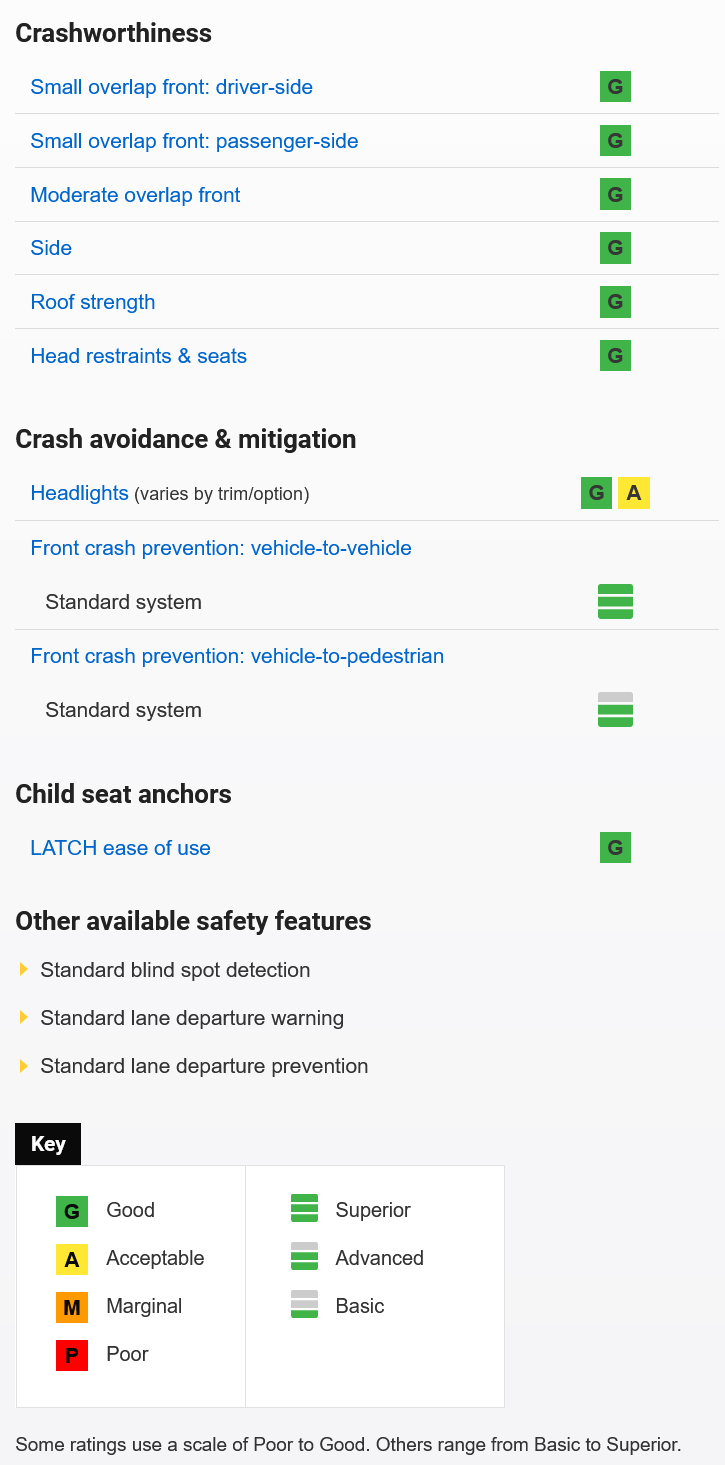
There are no weak spots in the ID.4’s safety, according to the IIHS, as it is considered “Good” in all crash tests and performs great in crash avoidance and mitigation tests.

“The midsize SUV comes with a standard front crash prevention system that earns a superior rating in the vehicle-to-vehicle evaluation and an advanced rating in the vehicle-to-pedestrian evaluation. The standard LED reflector headlights earn an acceptable rating, while the optional curve-adaptive LED projectors earn a good rating.”

Earlier this year, the Volkswagen ID.4 (and its cousin, the Skoda Enyaq iV) received the maximum five-star rating from Euro NCAP.

Detailed results

external_image
  • Top Safety Pick requirements:
    “Good” in all six crashworthiness tests
    “Good” or “Acceptable” headlights option
    “Advanced” or “Superior” front crash prevention system ratings in both the vehicle-to-vehicle and vehicle-to-pedestrian evaluations
  • Top Safety Pick+ requirements (additional):
    Vehicles must come with “Good” or “Acceptable” headlights across all trim levels and packages

Moderate overlap IIHS crash test

Driver-side moderate overlap test at 40 mph (64 km/h).2021 Volkswagen ID.4 IIHS Crash Test: Moderate overlap2021 Volkswagen ID.4 IIHS Crash Test: Moderate overlap2021 Volkswagen ID.4 IIHS Crash Test: Moderate overlap2021 Volkswagen ID.4 IIHS Crash Test: Moderate overlaphttps://www.youtube.com/embed/BrDt0C7OSMU

Driver-side small overlap IIHS crash test

Driver-side small overlap test at 40 mph (64 km/h).2021 Volkswagen ID.4 IIHS Crash Test: Driver-side small overlap2021 Volkswagen ID.4 IIHS Crash Test: Driver-side small overlap2021 Volkswagen ID.4 IIHS Crash Test: Driver-side small overlap2021 Volkswagen ID.4 IIHS Crash Test: Driver-side small overlaphttps://www.youtube.com/embed/fhIfH3GhsNo

Side IIHS crash test

Side impact at 31 mph (50 km/h).2021 Volkswagen ID.4 IIHS Crash Test: Side2021 Volkswagen ID.4 IIHS Crash Test: Side2021 Volkswagen ID.4 IIHS Crash Test: Side2021 Volkswagen ID.4 IIHS Crash Test: Sidehttps://www.youtube.com/embed/IdVgrv2HYqQ

See also⠀ NIO ES8 Scores Five Stars In Euro NCAP Safety Tests⠀ Tesla Model 3 Surprisingly Disappoints In KNCAP Safety Results

Source: The Insurance Institute for Highway Safety (IIHS)

Mark Kane

By: Mark Kane

https://www.ctvnews.ca/health/3d-printed-vaccine-patch-can-offer-painless-more-effective-immunization-study-1.5601050


3D-printed vaccine patch can offer painless, more effective immunization: study

Tom YunCTVNews.ca writer

@thetomyun ContactPublished Sunday, September 26, 2021 11:19AM EDTLast Updated Sunday, September 26, 2021 11:19AM EDT3D-printed vaccine patch

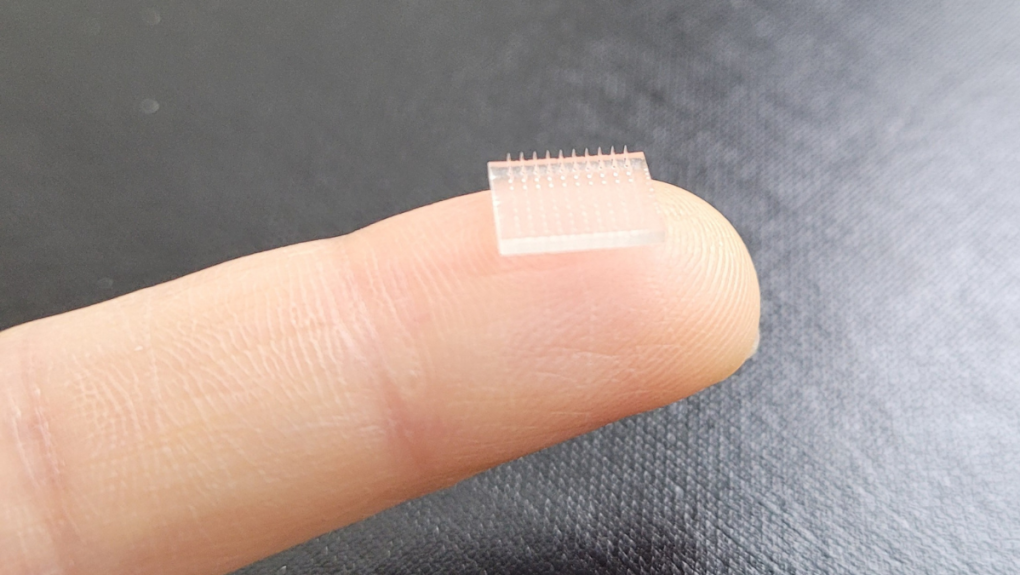
Researchers from Stanford University and the University of North Carolina at Chapel Hill say that their 3D-printed vaccine patch can offer an immune response that’s much stronger than a vaccine delivered with a traditional jab. (UNC-Chapel Hill)

SHARE:

Share35https://platform.twitter.com/widgets/tweet_button.f88235f49a156f8b4cab34c7bc1a0acc.en.html#dnt=false&id=twitter-widget-0&lang=en&original_referer=https%3A%2F%2Fwww.ctvnews.ca%2Fhealth%2F3d-printed-vaccine-patch-can-offer-painless-more-effective-immunization-study-1.5601050&size=m&text=3D-printed%20vaccine%20patch%20can%20offer%20painless%2C%20more%20effective%20immunization%3A%20study&time=1632694327576&type=share&url=https%3A%2F%2Fwww.ctvnews.ca%2Fhealth%2F3d-printed-vaccine-patch-can-offer-painless-more-effective-immunization-study-1.5601050&via=CTVNewsReddithttps://www.facebook.com/plugins/share_button.php?app_id=404047912964744&channel=https%3A%2F%2Fstaticxx.facebook.com%2Fx%2Fconnect%2Fxd_arbiter%2F%3Fversion%3D46%23cb%3Df22ffd4135f84%26domain%3Dwww.ctvnews.ca%26is_canvas%3Dfalse%26origin%3Dhttps%253A%252F%252Fwww.ctvnews.ca%252Fff0da805f39b08%26relation%3Dparent.parent&container_width=64&href=https%3A%2F%2Fwww.ctvnews.ca%2Fhealth%2F3d-printed-vaccine-patch-can-offer-painless-more-effective-immunization-study-1.5601050&layout=button_count&locale=en_US&sdk=joey&size=small

TORONTO — A team of scientists have developed a painless way to deliver a vaccine shot without the use of a needle while offering a better immune response, they say.

Researchers from Stanford University and the University of North Carolina at Chapel Hill say that their 3D-printed vaccine patch can offer an immune response that’s much stronger than a vaccine delivered with a traditional jab.

As described in their paper, published in the journal Proceedings of the National Academy of Sciences in August, the polymer patch is one square centimetre in size and contains 100 3D-printed microneedles. The needles are 700 micrometres long; just barely long enough to penetrate the skin and deliver the vaccine.

Coronavirus Coverage

Tracking every case of COVID-19 in Canada

Coronavirus vaccination tracker: How many people in Canada have received shots?

Denied cross-border shoppers, some U.S. companies opt to export to Canada instead

3D-printed vaccine patch can offer painless, more effective immunization: study

‘We will not boost our way out of this pandemic,’ CDC director says as 70 million eligible Americans remain unvaccinated

COVID-19 vaccine boosters could mean billions for drugmakers

Rowdy celebrations erupt in Norway as COVID-19 restrictions end

Israel says U.S. booster plan supports its own aggressive push

School disruption, long COVID-19 both factors in choice to vaccinate young kids: Tam

Full coverage at CTVNews.ca/Coronavirus

Related Stories

Related Links

When tested on mice, the researchers found that the vaccine patch generated an antibody response that was 20 times higher than a traditional needle shot after three weeks and 50 times higher after a month.

Needle shots typically bypass the skin and are instead injected in the muscle or the subcutaneous space, which refers to the layer of tissue underneath the skin. But because the skin is rich in immune cells, vaccines delivered into the skin cells, known as intradermal vaccination, often have improved efficacy, researchers say.

However, intradermal vaccination is difficult to administer with traditional needles and can be painful for the recipient.

Researchers say the vaccine patches with microneedles can solve these problems, providing an easy and painless way to deliver intradermal vaccines. This could also potentially reduce vaccine hesitancy for people who suffer from needle phobia, they say.

Needle shots typically need to be administered by trained professionals and have to be stored in freezers or refrigerators. However, vaccine patches have the vaccine embedded in the patch, which means that the vaccine can be self-administered and does not require any special storage units.

“In developing this technology, we hope to set the foundation for even more rapid global development of vaccines, at lower doses, in a pain- and anxiety-free manner,” said lead researcher Joseph DeSimone in a news release.

While microneedles aren’t new, co-lead author Shaomin Tian says that manufacturing challenges have held back the development of this technology. It’s difficult to mass-produce microneedles that are adapted to different types of vaccines and are sharp enough to penetrate the skin, she explained.

However, Tian said the 3D-printed nature of these microneedles can address such manufacturing challenges. The microneedles can be customized to be used for the flu, measles, hepatitis or COVID-19 vaccines.

“Our approach allows us to directly 3D print the microneedles, which gives us lots of design latitude for making the best microneedles from a performance and cost point of view,” she said in the news release.

The research team’s next step is to integrate the COVID-19 mRNA vaccines from Pfizer and Moderna into the patches.

“One of the biggest lessons we’ve learned during the pandemic is that innovation in science and technology can make or break a global response,” DeSimone said.